Culture & Customs · Sint Maarten
Sint Maarten: A Serenade for Guavaberry
A Christian island of more than a hundred nationalities, greetings given freely on the street, a dance of freedom kept alive by the young, and a border that has been crossed freely for centuries
By Globeway Editorial · 30 September 2026
Christmas morning, before daylight, on the Sint Maarten of a few generations ago. A small band of singers stops outside a house and strikes up the old island greeting: "Good morning, good morning, I come for me guavaberry." Inside, someone gets up, takes the precious bottle down from the cabinet and pours each serenader a small tot of the dark, bittersweet liqueur, made at home from a wild berry that grows in the island's hills. Then the singers move on to the next door. The custom has faded as the island has filled with newcomers, but the spirit behind it has not. On the Dutch side of this small shared island, courtesy still means greeting people properly, opening the door to neighbours and keeping a little something back for whoever comes calling.
Faith, identity and values
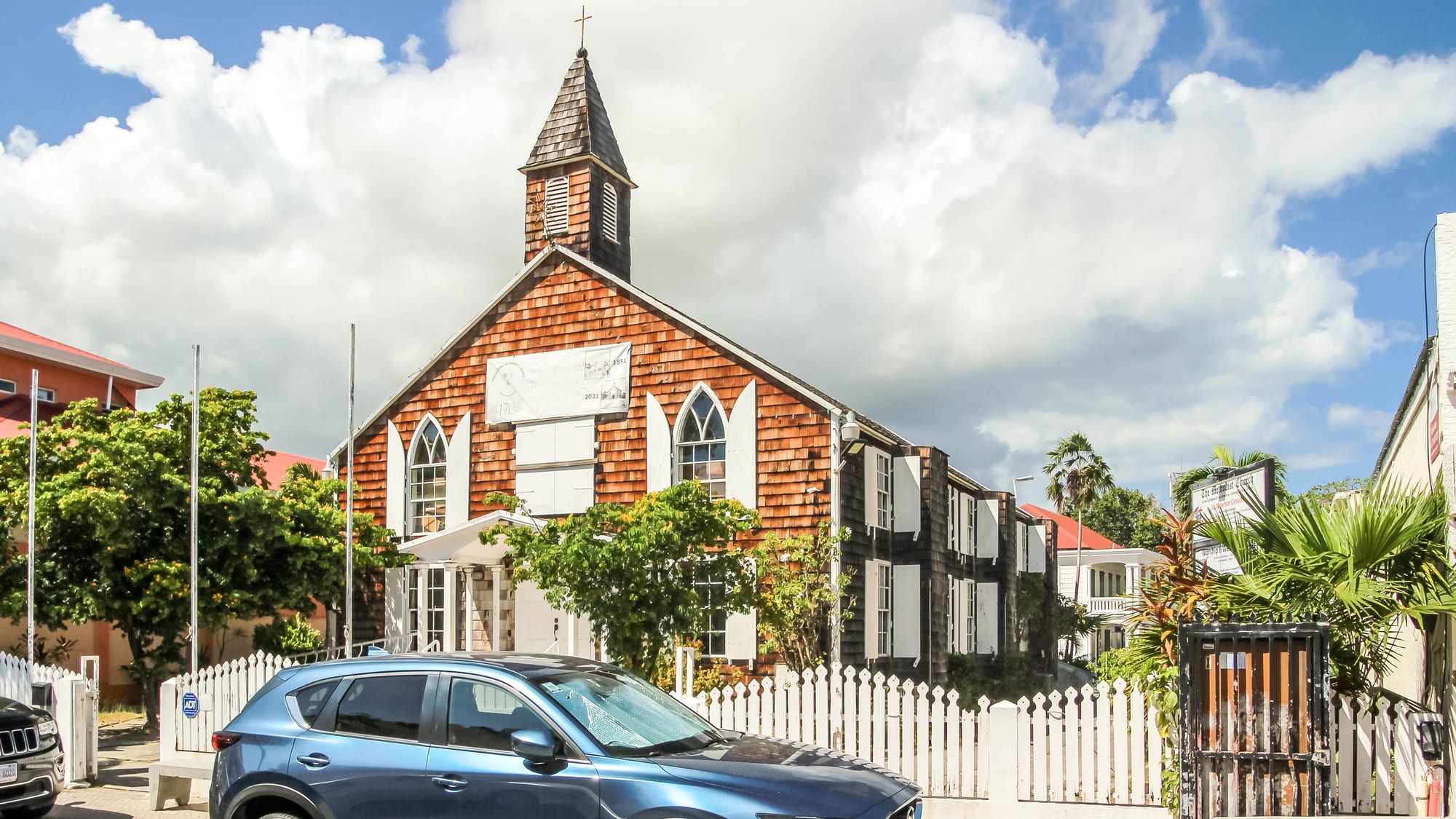
Sint Maarten takes its name from St Martin of Tours, and the island remains overwhelmingly Christian, though no single church dominates. The most recent official estimate, from 2011, found Protestants of many kinds making up about four in ten residents, among them Pentecostals, Methodists, Seventh-day Adventists, Baptists and Anglicans, with Roman Catholics accounting for about a third. Around one in twenty is Hindu, reflecting the island's Indian community, and there are small Muslim and Jewish congregations. Churches, from old wooden chapels to large modern halls, sit at the centre of family and neighbourhood life, and Sunday worship remains a fixture for many households.
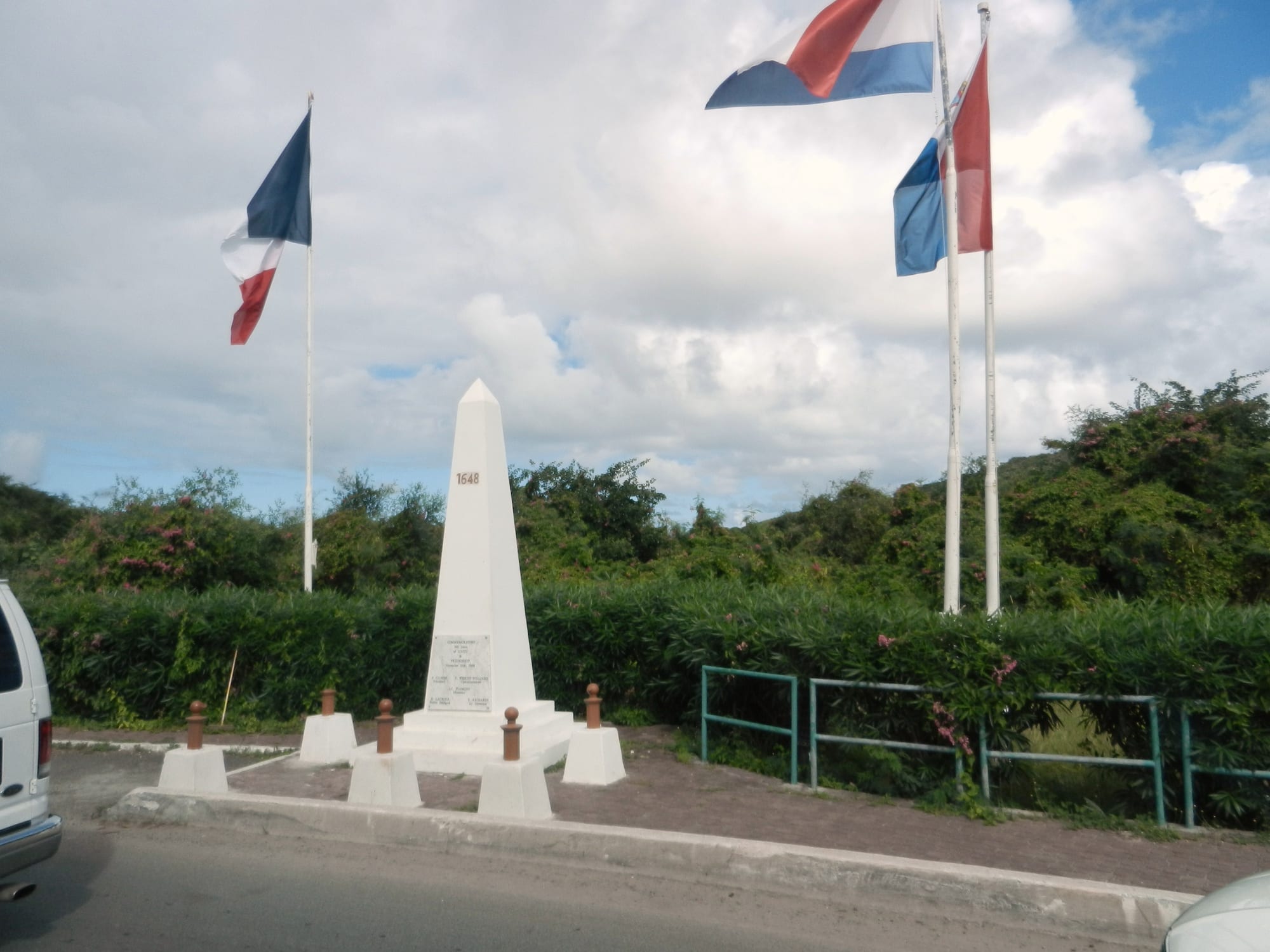
Identity on the Dutch side is shaped by two facts. The first is that the island is shared. Under the Treaty of Concordia of 1648, the French and Dutch agreed to live on the island "as friends and allies" and to hold its salt ponds, harbours and fresh water in common, and the line between the two halves has long been open to free movement. The island's best-loved song, "O Sweet Saint Martin's Land", written in 1958 by a Catholic priest, Gerard Kemps, belongs to both sides and is sung as the anthem of the whole island.
The second fact is diversity. The tourism boom of the late twentieth century drew workers from across the Caribbean and far beyond, and the tourism authorities count residents from more than a hundred nations. Alongside the descendants of enslaved Africans, European settlers and older island families, there are communities with roots in Curaçao, Aruba, Saba, Sint Eustatius, Suriname, the Dominican Republic, Haiti, Jamaica, Guyana, India and elsewhere. Families who trace their line back through generations on the island are proud to call themselves Sint Maarteners, and the memory of slavery and emancipation is central to that sense of self.
Beneath the diversity sits a strong ethic of community. The tourism bureau points to an old custom in which neighbours gathered to help build one another's houses, and the owner repaid them with food and drink, turning the work into a celebration of goodwill. That readiness to lend a hand, and to share what there is afterwards, is still held up as the island's defining trait.
Greetings and meeting people
Sint Maarten likes to be known as "the Friendly Island", and people greet one another warmly on the street. A "good morning" or "good afternoon" comes first, before any question, order or request, and launching straight into business without it can come across as brusque.
Dutch and English are both official languages, but English is the everyday language of almost everyone, and French, Spanish, Papiamento and Creole are all widely heard as well. The local form, often called S'Maatin English, mixes Standard English with a distinct Caribbean rhythm and words borrowed from Dutch, French and Papiamento, along with its own inventive turns of phrase: to travel "by bus 11", for instance, means to go on foot.
Hospitality and being a guest
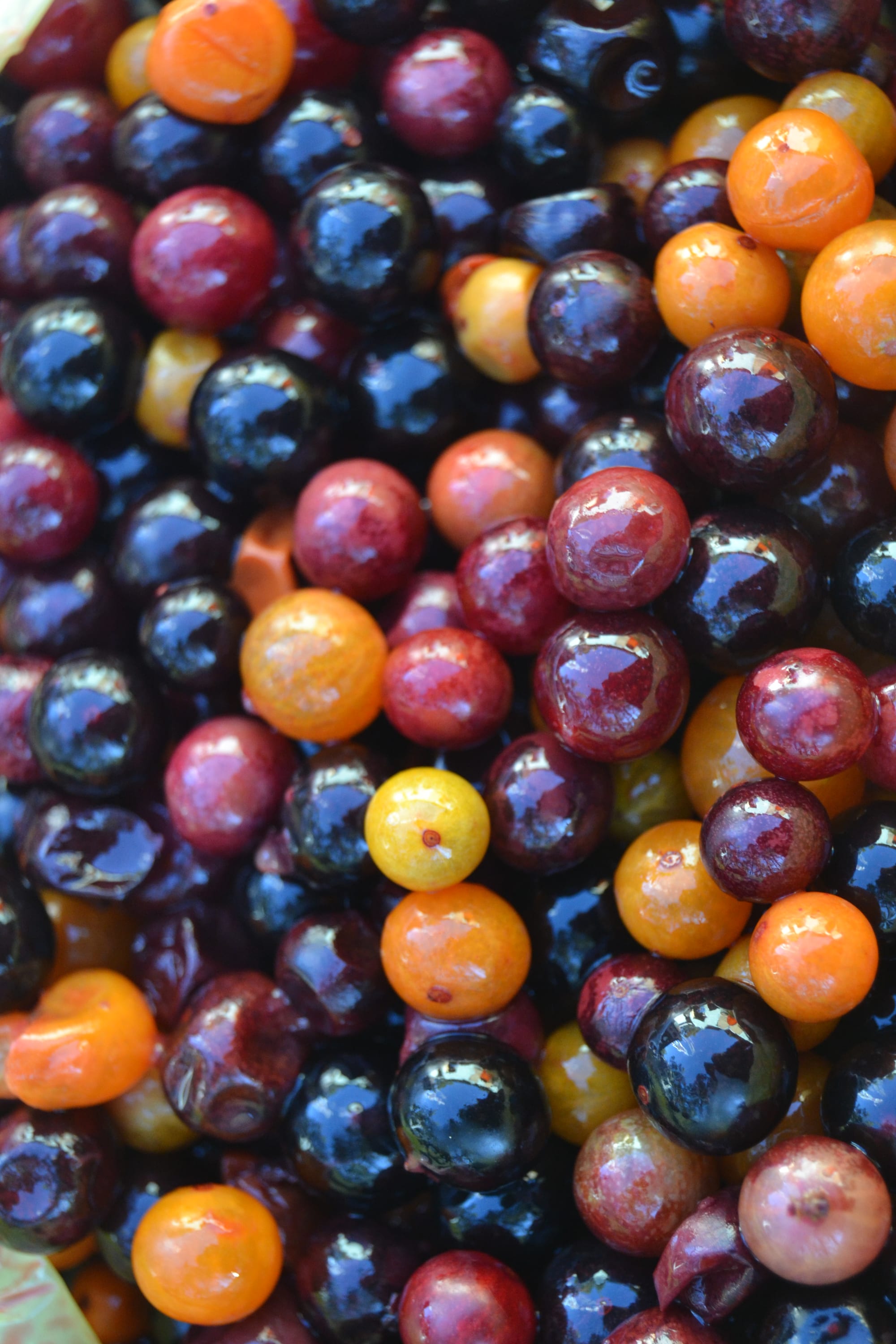
Island hospitality has always centred on the home and the open door. The Christmas serenade captured it well: the householder was expected to have something ready to offer whoever came singing, however early the hour, and a bottle of home-made guavaberry was kept for exactly that purpose. Guavaberry, still regarded as the island's national liqueur, is a drink for sharing rather than for drinking alone.
In public, the island's manners are relaxed but not careless. Beachwear belongs on the beach: a shirt or cover-up and shoes are expected in shops, streets and restaurants. Otherwise, relaxed smart-casual clothes are acceptable in most places.
Eating out follows the American model, not the Dutch one. Waiting staff generally earn low base wages, and a tip of at least 15 per cent is expected. Some restaurants, however, add a 15 per cent service charge to the bill, sometimes on a line marked as tax, and the island's own visitor portal notes that this charge does not always reach the server. It suggests checking the bill, asking whether service is included, and handing any tip directly to the person who served the table.
Festivals and life's big moments
Carnival is the biggest event of the Dutch side's year. It runs from April into May, though preparations begin months earlier, and brings calypso and soca shows, costumed troupes and street jump-ups to the Carnival Village by the Great Salt Pond. Among its traditional fixtures are the J'ouvert morning parade, the Night of the Hitmakers and Flagfest, a celebration of the many nationalities who call the island home. The Grand Parade, with feathered dancers and paraders of all ages, brings the season to its peak. The French side holds its own separate Carnival before Lent, so the island has two.
Emancipation Day, on 1 July, marks the proclamation that ended slavery on the Dutch side in 1863. It is a public holiday and the most solemn date in the calendar. Officials lay wreaths at monuments to the island's freedom fighters, and another ceremony is held at the statue of One-Tété Lohkay, a young enslaved woman remembered in island legend for running away from her plantation and being cruelly punished when she was caught. The Department of Culture invites residents to learn the Ponum in the run-up to the day, and the festivities include the Diamond 26 Run For Freedom, a re-enactment of one of the island's accounts of resistance to slavery.
On 11 November, the feast of St Martin, the island celebrates its shared identity. St. Maarten Day, known on the other side as Saint-Martin Day, brings cultural events on both halves, and officials from both sides have often met at the white obelisk raised on the border in 1948 for the treaty's 300th anniversary.
Christmas remains a family and church season. The dawn serenade is now more often a memory than a routine, but guavaberry, once made in private homes from rum, cane sugar and the wild berries, is still associated above all with the holidays. The custom has close cousins nearby: Saba shares the old habit of making guavaberry at home, and in the Virgin Islands carollers once went from house to house at dawn on Christmas morning, refreshed with guavaberry at each stop.
The great moments of an individual life, from christenings to weddings and funerals, are for most families church occasions, shaped by whichever of the island's many denominations the family belongs to.
Arts, crafts and music
The Ponum is the island's signature folk dance, and it has been rescued with care. Its movements were pieced together through research by Carolyn Jenkins and Clara Reyes, who gathered the steps from the memories of the island's elders. Danced in energetic sequences to a chant of "brim, shoot, Ponum", it is taught to schoolchildren and residents as a living legacy of emancipation, and the Department of Culture has made it a feature of each year's Emancipation Day. String bands belong to the older island music, while calypso and soca, sharpened in each year's Carnival competitions, are the sound of the modern island.
Heritage is also kept in the home. The ceramic coal pot, once used to cook corn and potatoes and to heat irons, is treated as an emblem of family life and communal meals, and students at the National Institute of Arts have made ceramic pieces inspired by it and by the Ponum. The institute itself is the centre of the island's performing arts, teaching dance, drama, music and visual arts to children across the island.
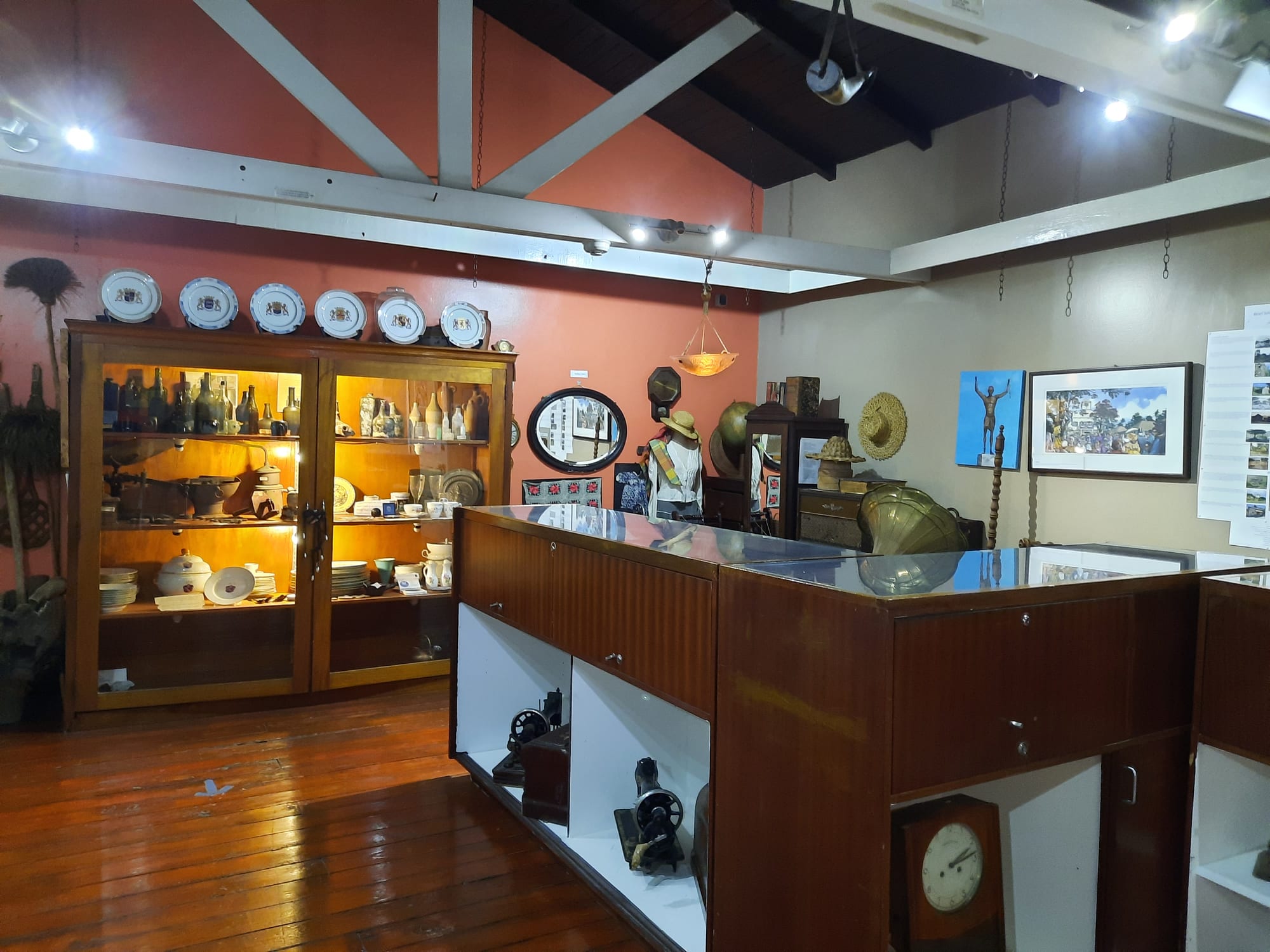
The Sint Maarten National Heritage Foundation's small museum in the capital keeps the island's story in objects: pre-Columbian artefacts, finds from its forts and plantations, cargo recovered from a shipwreck of 1801, old maps and photographs, and a gallery of work by local artists. The visual arts are visible well beyond its walls, in galleries and in the murals painted across the island, and bands, singers and dancers perform in clubs, beach bars and hotels throughout the year.
Dos and don'ts for visitors
- Do say "good morning" or "good afternoon" before asking a question, ordering or starting any conversation.
- Do cover up away from the beach; a shirt and shoes are expected in shops, streets and restaurants.
- Do check restaurant bills for a service charge before tipping, and hand any tip directly to the server; around 15 per cent is expected where none is included.
- Do join in Carnival's public parades and jump-ups, which welcome visitors, but keep a respectful manner at Emancipation Day ceremonies.
- Do remember that the island has two governments: holidays, prices and rules differ between the Dutch and French sides.
- Don't take photographs of people, including at church services or ceremonies, without asking first.
- Don't leave valuables in cars or unattended on the sand, and avoid walking in unlit areas at night.
What to take away
Sint Maarten is small, busy and endlessly mixed, but its customs rest on old island habits of greeting, sharing and remembering, and visitors who greet people first and show an interest in its history will find the Friendly Island lives up to its name.