Attractions & Natural Wonders · Slovakia
Slovakia: Six Attractions and Natural Wonders
The ruins of one of Slovakia's largest castle complexes, a mountain range dotted with glacial lakes, and a village whose houses are still hand-painted with the same white geometric folk patterns generation after generation
By Worldlore Editorial · 30 September 2026
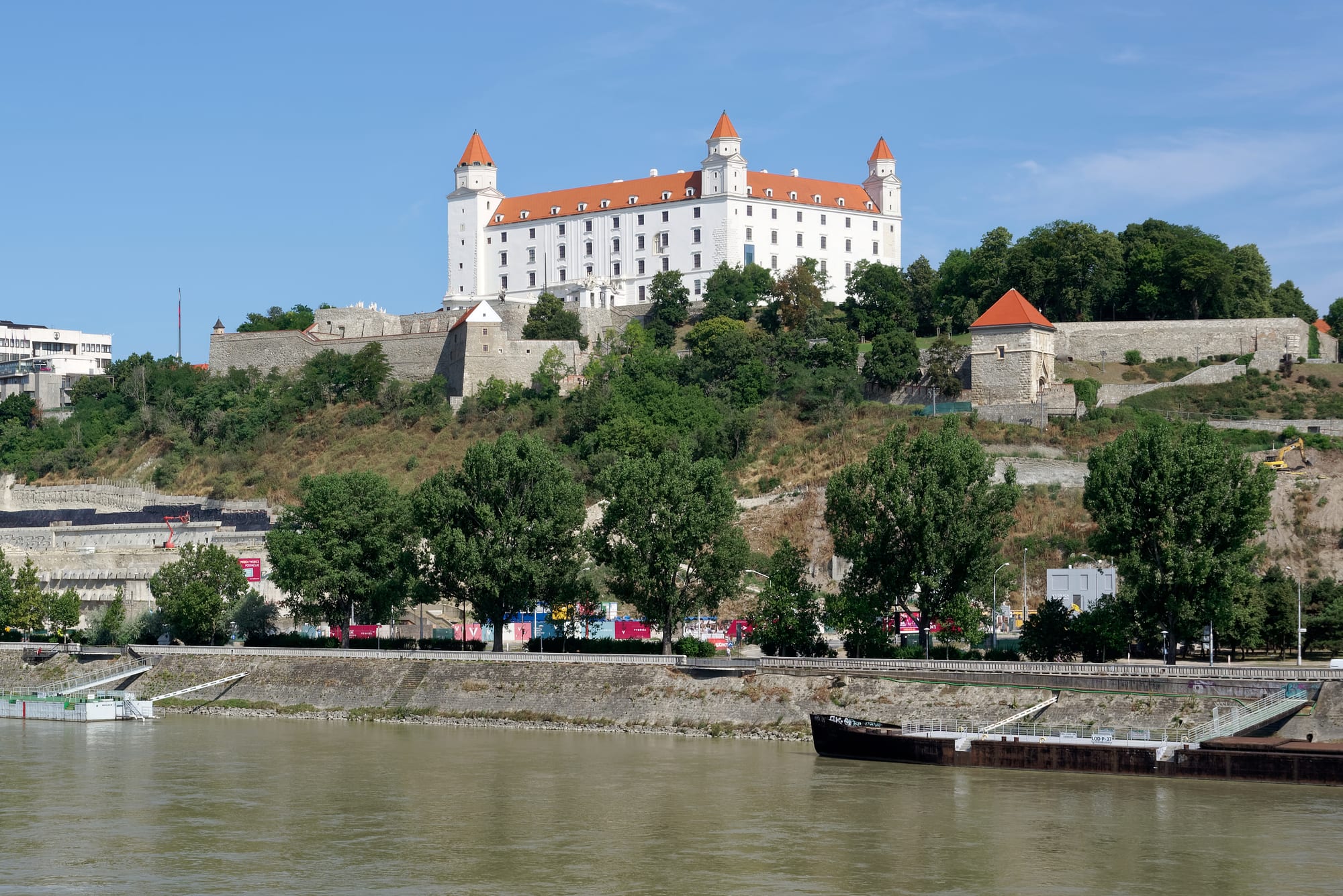
A small country of castles, mountains, and folk tradition
Slovakia, landlocked in Central Europe, holds a remarkable number of castles for its size, a legacy of its position along contested medieval and early modern frontiers. Beyond its fortresses, the country's High Tatras mountains offer some of the most accessible serious alpine scenery in Central Europe, and pockets of rural tradition — including villages still practising centuries-old folk house-painting — remain remarkably intact.
The six below run from the capital, Bratislava, to the country's mountains and folk villages further east. Late spring through early autumn suits most outdoor sightseeing; winter brings a modest ski season to the High Tatras.
1. Bratislava's Old Town
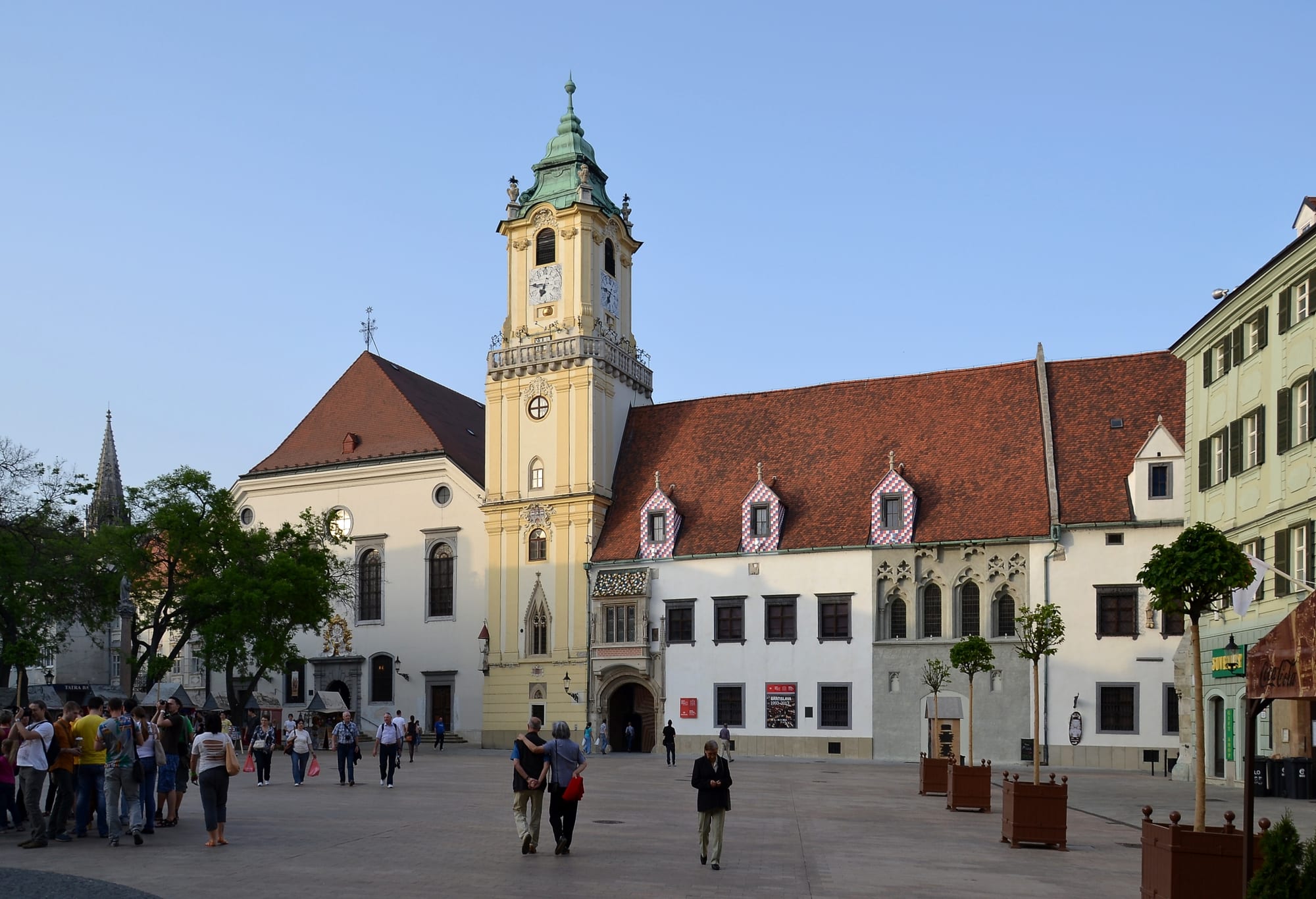
Bratislava's Old Town, compact and easily walkable, mixes Gothic, Baroque, and Art Nouveau architecture around its main square and Old Town Hall, with many Baroque palaces among its historic streets. Quirky bronze statues tucked into corners of the old streets, including one of a workman peering out of a manhole cover, have become minor attractions of their own.
2. Bratislava Castle
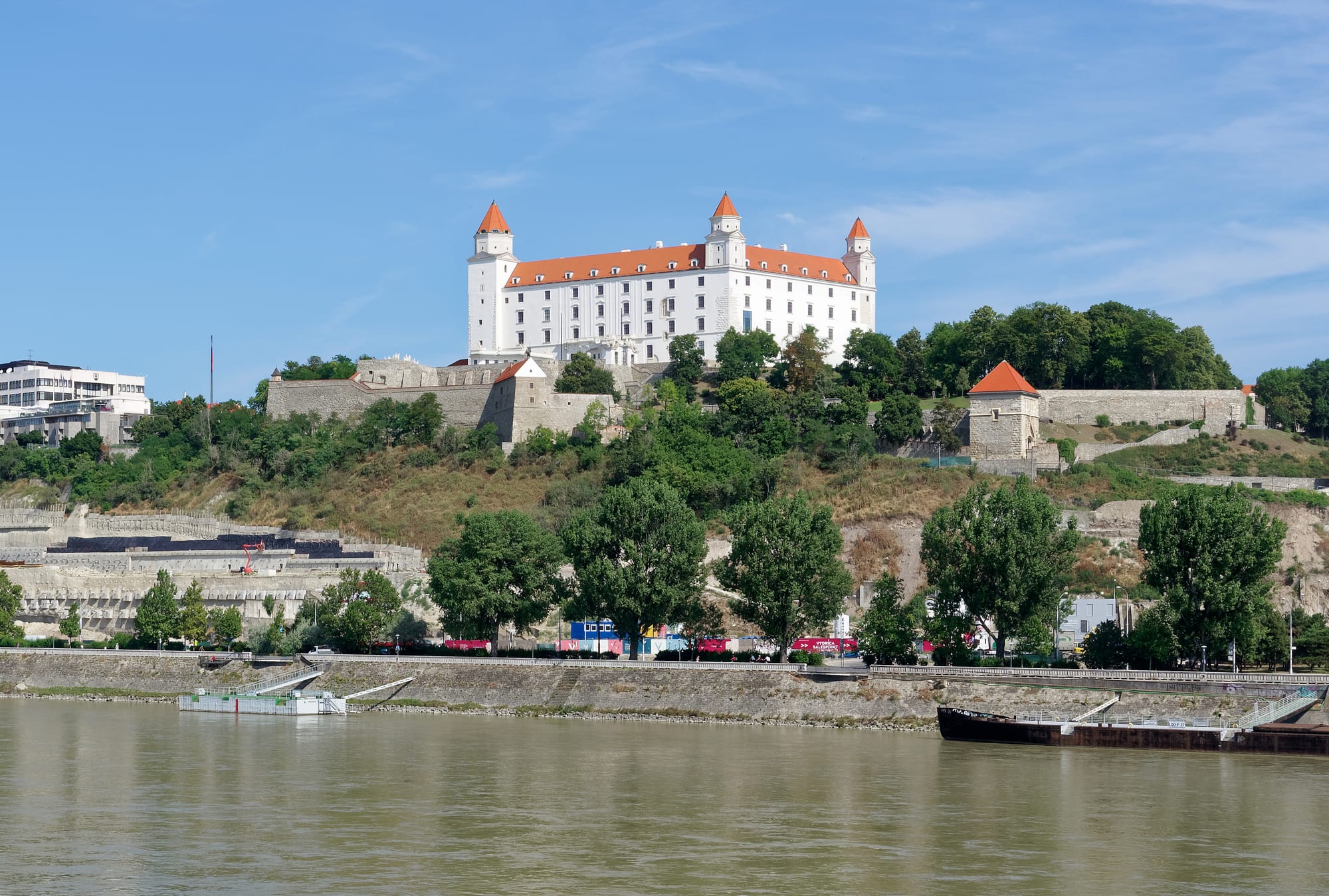
Bratislava Castle, overlooking the Danube from its hilltop position, has been rebuilt and repurposed across a long history that includes a period lying in ruins for well over a century following a devastating 1811 fire — its current form dates to a reconstruction begun in 1957, with further restoration since 2008. The castle grounds give sweeping views over the city, the river, and, on clear days, across the borders with Austria and Hungary that meet nearby.
3. Spiš Castle
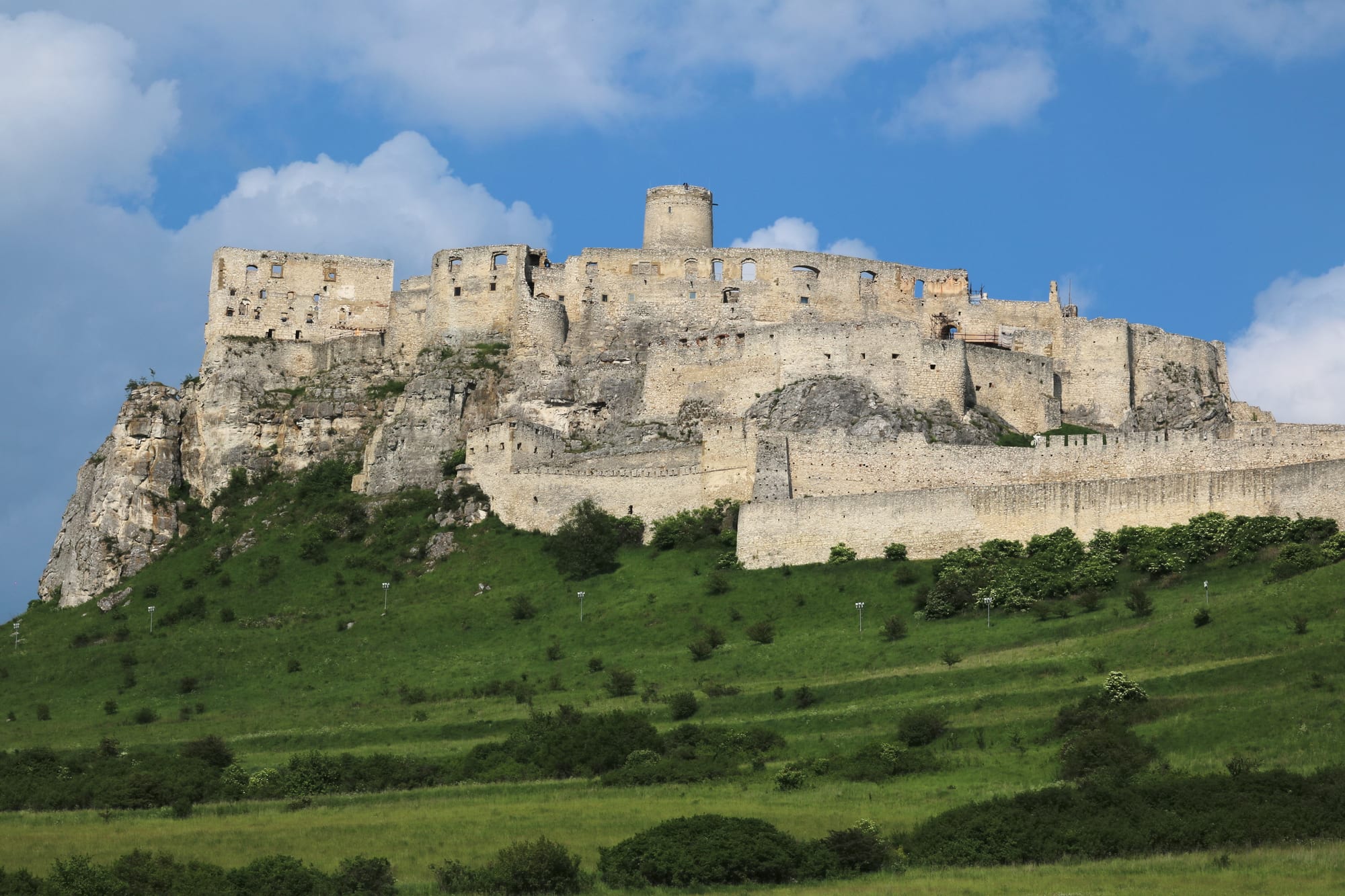
Spiš Castle, one of the largest castle sites in Slovakia at around 4 hectares, sprawls across a hilltop in eastern Slovakia, its extensive ruins reflecting centuries of expansion and eventual decline following a fire in 1780. Part of a UNESCO World Heritage Site (inscribed 1993, extended in 2009 to take in the nearby town of Levoča), it is one of the country's best-known castle ruins.
4. The High Tatras
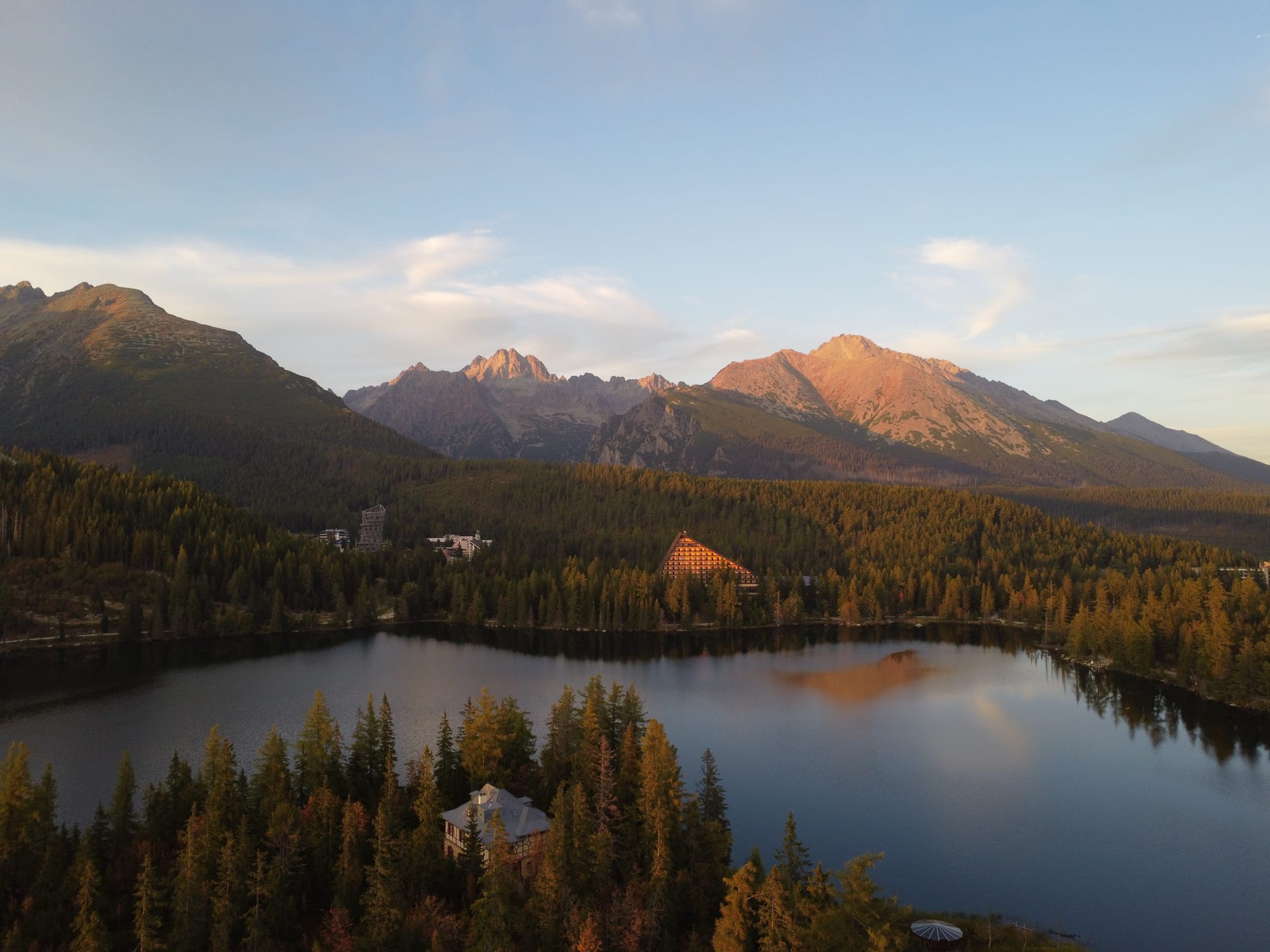
The High Tatras, the highest and most dramatically alpine section of the wider Carpathian range, pack dozens of glacial lakes and jagged peaks into a compact area straddling the Slovak-Polish border. Hiking trails of varying difficulty, along with a modest ski season in winter, make the range one of Slovakia's most popular outdoor destinations year-round.
5. Slovak Paradise National Park
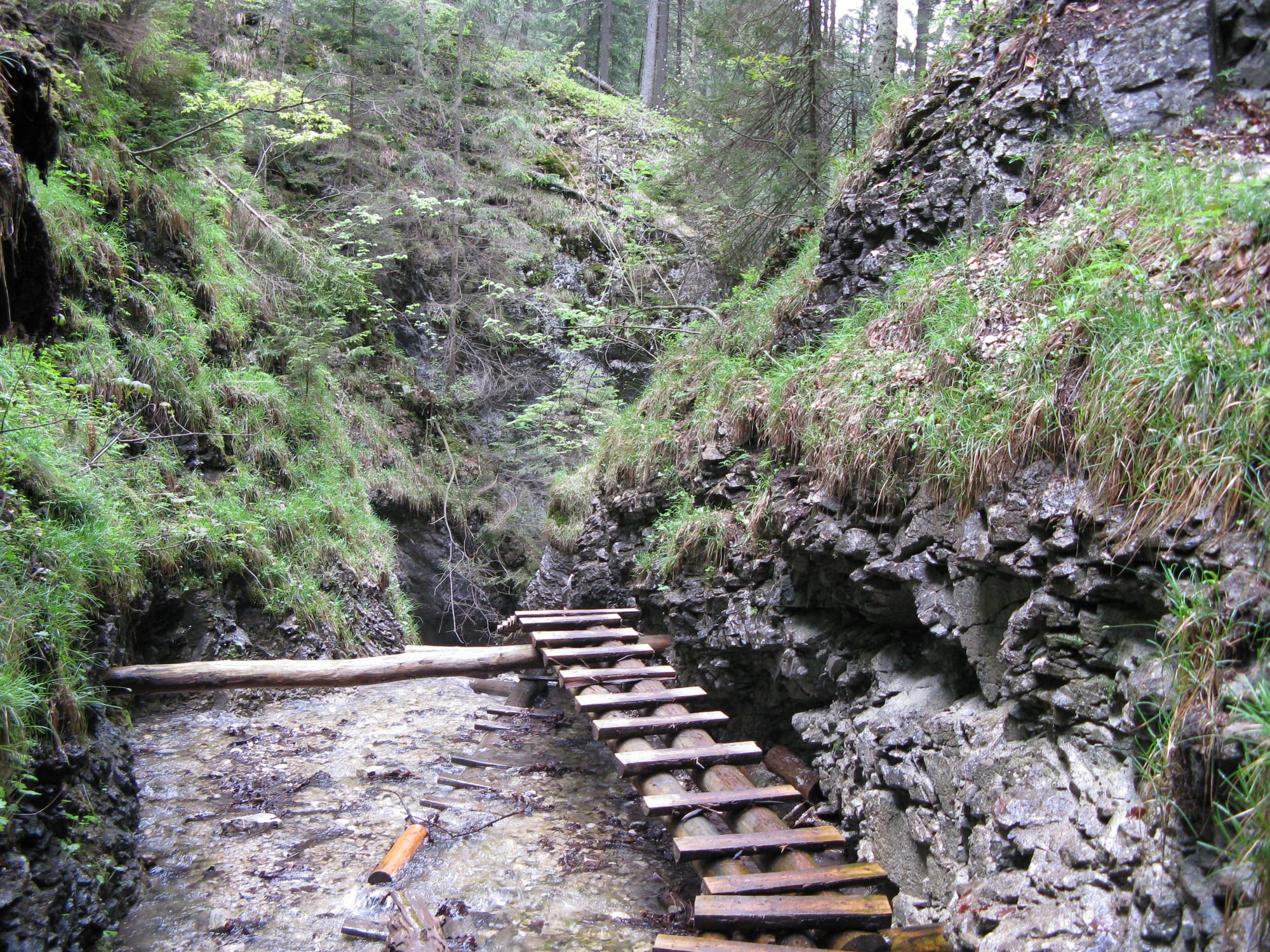
Slovak Paradise (Slovenský raj), a limestone plateau riddled with narrow gorges, waterfalls, and caves, offers some of the most adventurous hiking in the country — many trails require climbing wooden ladders and chains bolted directly into the rock alongside cascading streams, giving the park a more active, hands-on hiking experience than most Central European parks.
6. Čičmany
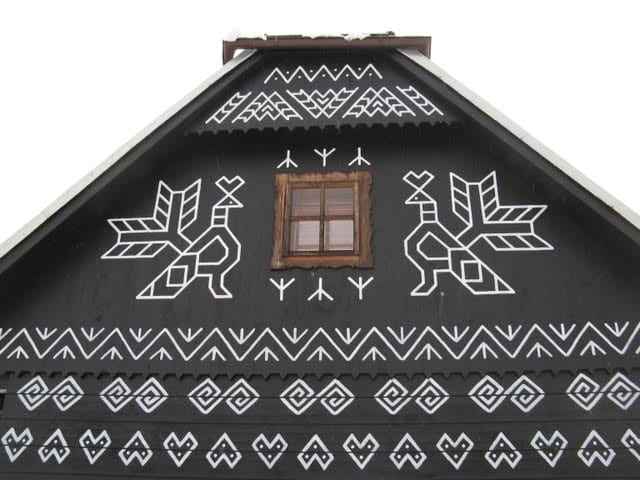
Čičmany, a small village in northern Slovakia, is known for its wooden houses decorated with distinctive white geometric folk patterns painted on their outer walls — a tradition maintained today as a matter of local pride and heritage. Restored to its original appearance after a great fire in 1921, the village has held a protected folk architecture reserve since 1977.
Slovakia suits a week combining Bratislava with a trip east to the High Tatras and Spiš Castle, with the country's compact size and good road connections making most of these sights reachable within a few hours of each other.