Culture & Customs · Solomon Islands
Solomon Islands: Kastom and the Cross
A deeply Christian nation that still settles marriages and disputes with strings of shell money, where more than sixty languages meet in Pijin, and where bamboo panpipes play at the feasts that follow custom rites
By Globeway Editorial · 30 September 2026
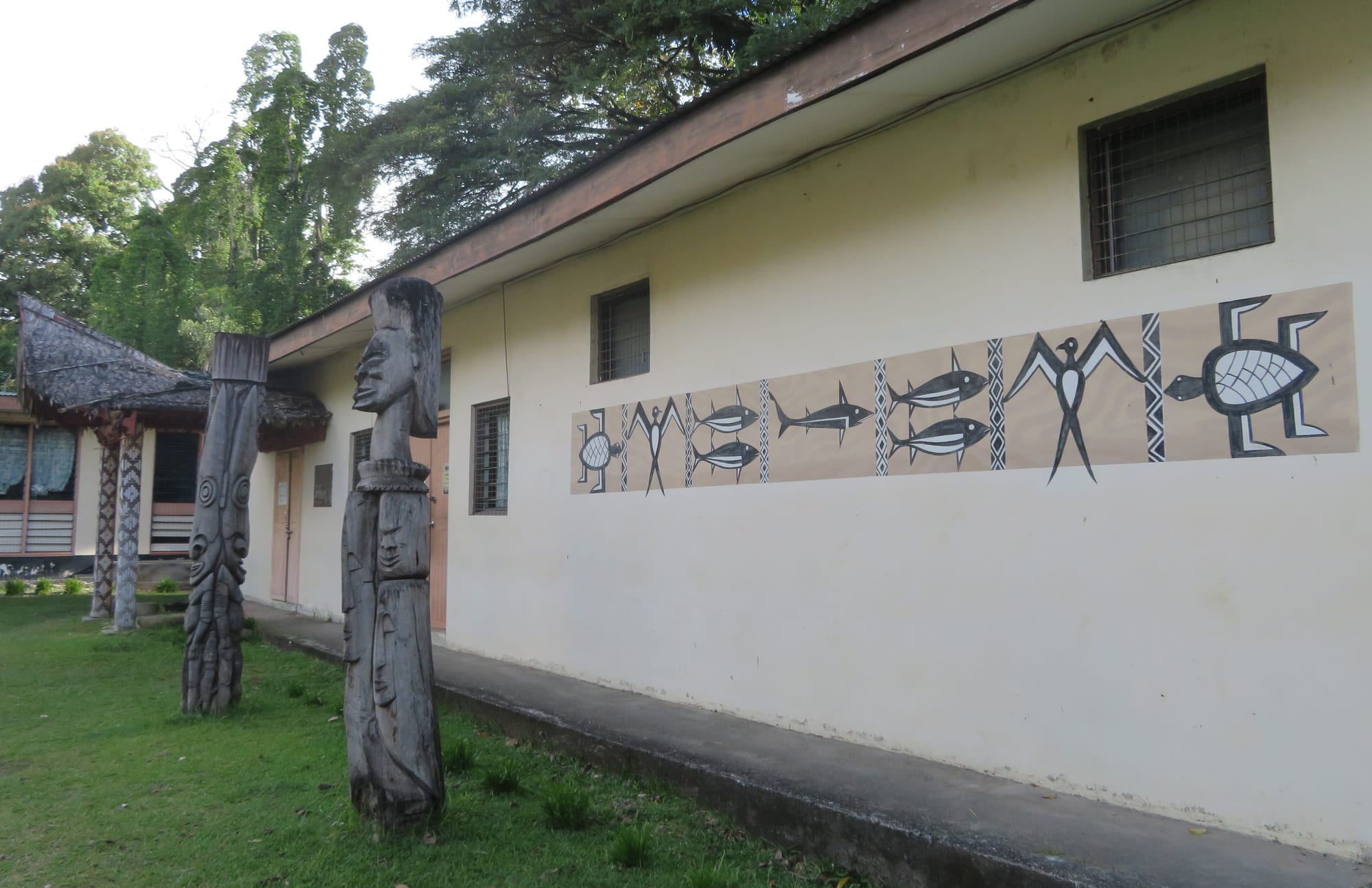
Two families gather for a bride price ceremony. Laid out between them are the groom's gifts: live pigs, sacks of rice, root crops, woven mats, and, most important of all, long strings of shell money, each bundle made of ten strands of tiny red, white and dark discs. The groom's father presents the shells to the bride's father, who may accept or turn them down, while relatives on both sides look on as witnesses. When the offer is accepted, the gift binds two families as well as two people. The scene captures the Solomon Islands well: a country that is overwhelmingly Christian, yet still conducts some of life's most important moments according to kastom, the ways of the ancestors.
Faith, identity and values
More than 90 per cent of Solomon Islanders are Christian, and the church is one of the strongest institutions in national life. According to figures cited by the US State Department from the 2019 census, the Anglican Church of Melanesia is the largest denomination, with about 32 per cent of the population, followed by Roman Catholics at about 20 per cent, the South Seas Evangelical Church at 17 per cent, Seventh-day Adventists at 12 per cent and the United Church at 10 per cent. Adventists keep Saturday as their Sabbath, so for their communities the day of rest is Saturday rather than Sunday. An estimated 5 per cent of people, mostly among the Kwaio community of Malaita, follow Indigenous religions rather than Christianity.
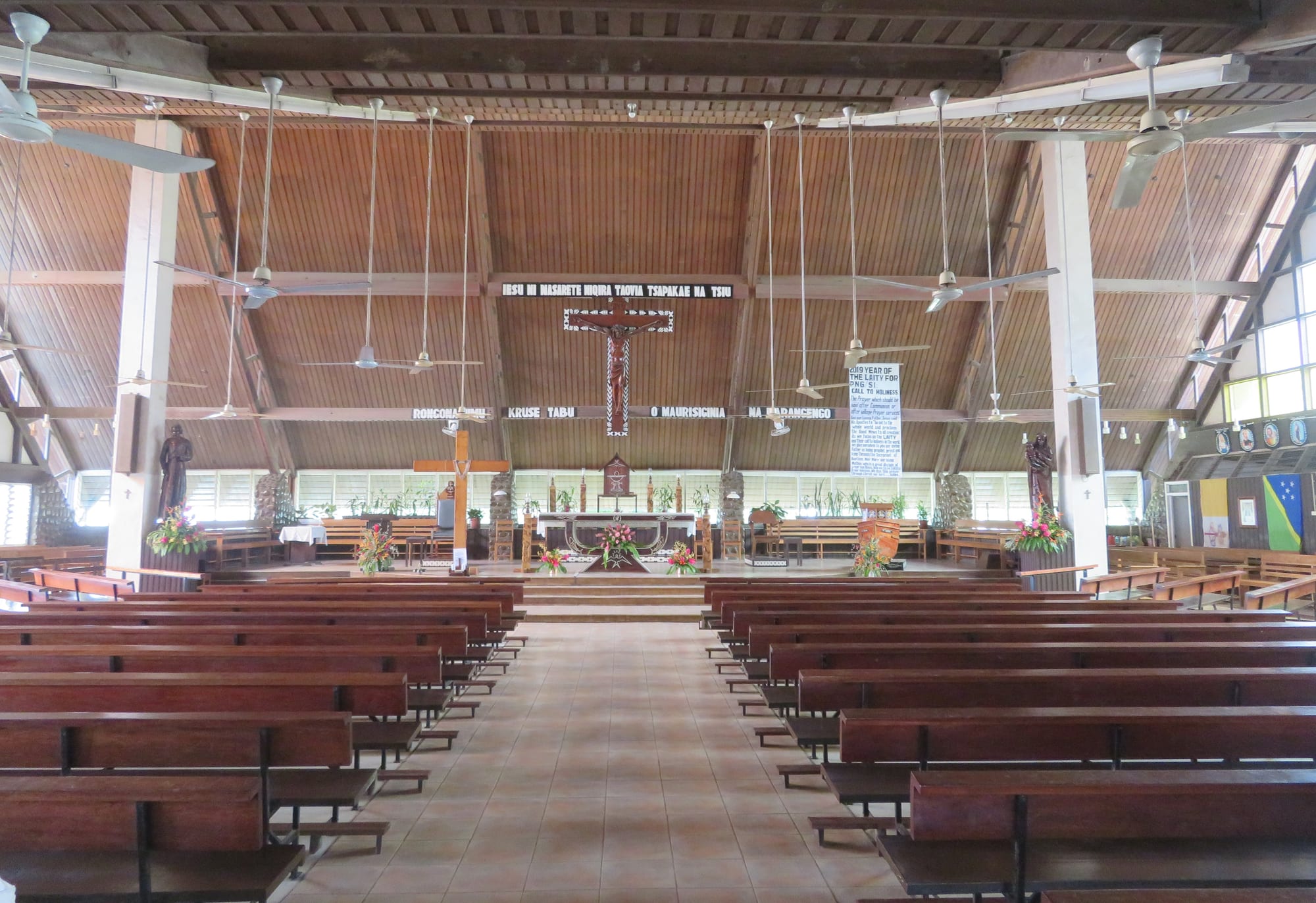
Alongside the church stands kastom, the Pijin word for custom: the traditional ways of doing things, a body of ancestral custom, ritual and law that remains central to village life and to the way society is organised. The two are not usually seen as rivals. A family may attend church every week and still arrange a marriage or settle a dispute according to the customs of its clan and language group. Places, objects and behaviours can be tabu, meaning sacred or forbidden under custom, and such restrictions are taken seriously.
Identity is layered. The country is home to more than sixty distinct languages, and people feel their first loyalty to kin, clan and language group, the network known as wantok. Respect for elders and chiefs runs deep, and restraint in public behaviour is expected. Customs also vary a great deal from one province, and one island, to the next, so what is proper in one place may differ in another.
Greetings and meeting people
English is the official language of government and schooling, but the language of everyday conversation across the islands is Solomon Islands Pijin, which allows people from different language groups to talk to one another. A few words go a long way: "tanggio" means thank you, and "tanggio tumas" thank you very much.
A handshake with a smile is the usual greeting, and greeting people properly matters, whether in a market in the capital or on a village path, and elders are shown particular respect. Solomon Islanders are widely described as welcoming and friendly and are generally happy to share their way of life with visitors, while loud or showy behaviour is out of place.
Hospitality and being a guest
Almost all land, beaches, reefs and forests in the Solomon Islands belong to clans under customary tenure, so a visitor to a village is always a guest on someone's land. Permission should be sought before walking onto land, swimming from a beach or diving on a reef, and a local guide or contact is the best way to ask. Signs or spoken warnings about tabu areas must be respected.
Dress is an important part of showing respect. Beachwear is fine at resorts, but in towns and villages both men and women are expected to cover their thighs to the knee. Permission should always be asked before photographing people, and before photographing places too, since some may be sacred.
Betel nut, chewed with lime and a pepper leaf, is the everyday social stimulant, widely shared and sold in small quantities at markets. Larger occasions revolve around the community feast, with food cooked in earth ovens, and at traditional feasts the hosts rewarded musicians with food, pigs or shell money.
Festivals and life's big moments
The main national celebration is Independence Day on 7 July, marking the end of British rule in 1978. In the capital the day begins with parades, including a police band and floats from government ministries, schools, businesses and community groups, which converge on the national stadium for the official ceremony, speeches and cultural performances of customary dance and panpipe music. Elsewhere it is a day for sport, family gatherings and village celebrations.
Christmas is the great religious festival of the year. Communities gather for church services full of singing and hymns, and in many villages the celebrations carry on through the day and into the night with music, dancing and shared food from the earth oven. Church anniversaries and provincial days add to the calendar, and in 2012 the country hosted the Festival of Pacific Arts and Culture, the largest gathering of Pacific Islander cultures, under the theme "Culture in Harmony with Nature".
Marriage is the life event most closely bound to kastom. In several provinces bride price is still paid, with shell money at its heart. The most prized form in many communities, known as tafuliae, is made of ten strands of shell beads, and the value of a bundle rises with its length. Elders worry that the growing scarcity of shells and the commercial trade in shell money threaten the custom, but its meaning endures: the gift expresses respect and affection for the bride and binds the two families together.
Shell money also plays a part in settling disputes. Under custom, a wrong between families or groups may be put right through compensation, and shell money is still offered in such settlements; in parts of the country only tafuliae strings can satisfy a demand for compensation after bloodshed.
Arts, crafts and music
Music in the Solomon Islands is dominated by bamboo. Panpipes are among the most important instruments, especially on the island of Malaita, where they are made in both raft and bundle forms, and ensembles of pipes of different sizes perform complex, interlocking compositions. The 'Are'are people of Malaita distinguish four types of panpipe ensemble, and their word for musical instruments and the music played on them, 'au, is simply their word for bamboo. Traditionally the pipes were played by men at the feasts that followed customary rituals, and the players were rewarded with shell money, pigs or food by the leaders who hosted the feast. Other instruments include bamboo stamping tubes, slit drums and the conch shell, blown to call people together.
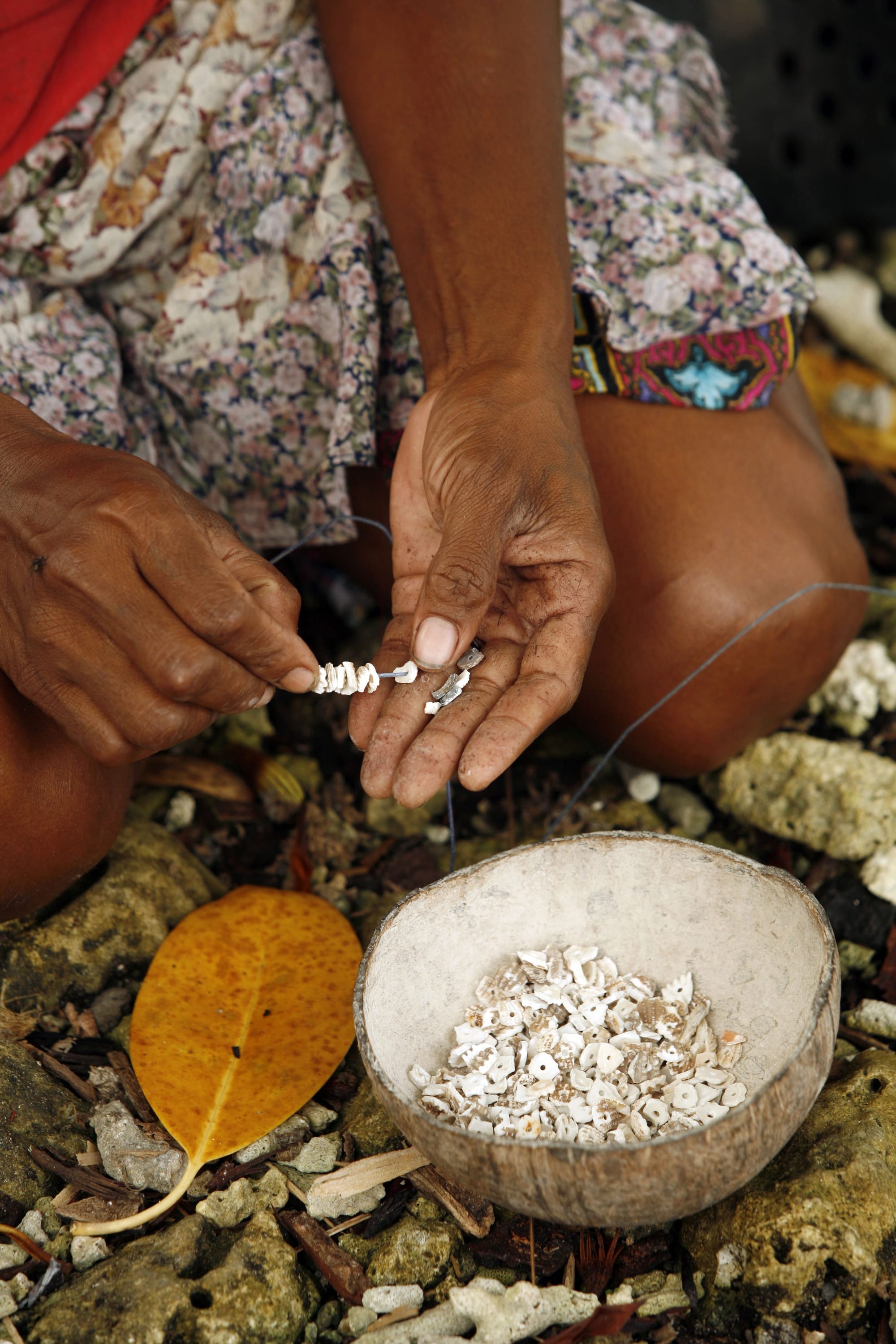
Making shell money is itself a demanding craft of many stages. The shells are worked by hand into small polished discs, which are drilled and threaded onto strings. Rarer shells command higher values, and shell ornaments are also worn at feasts and weddings.
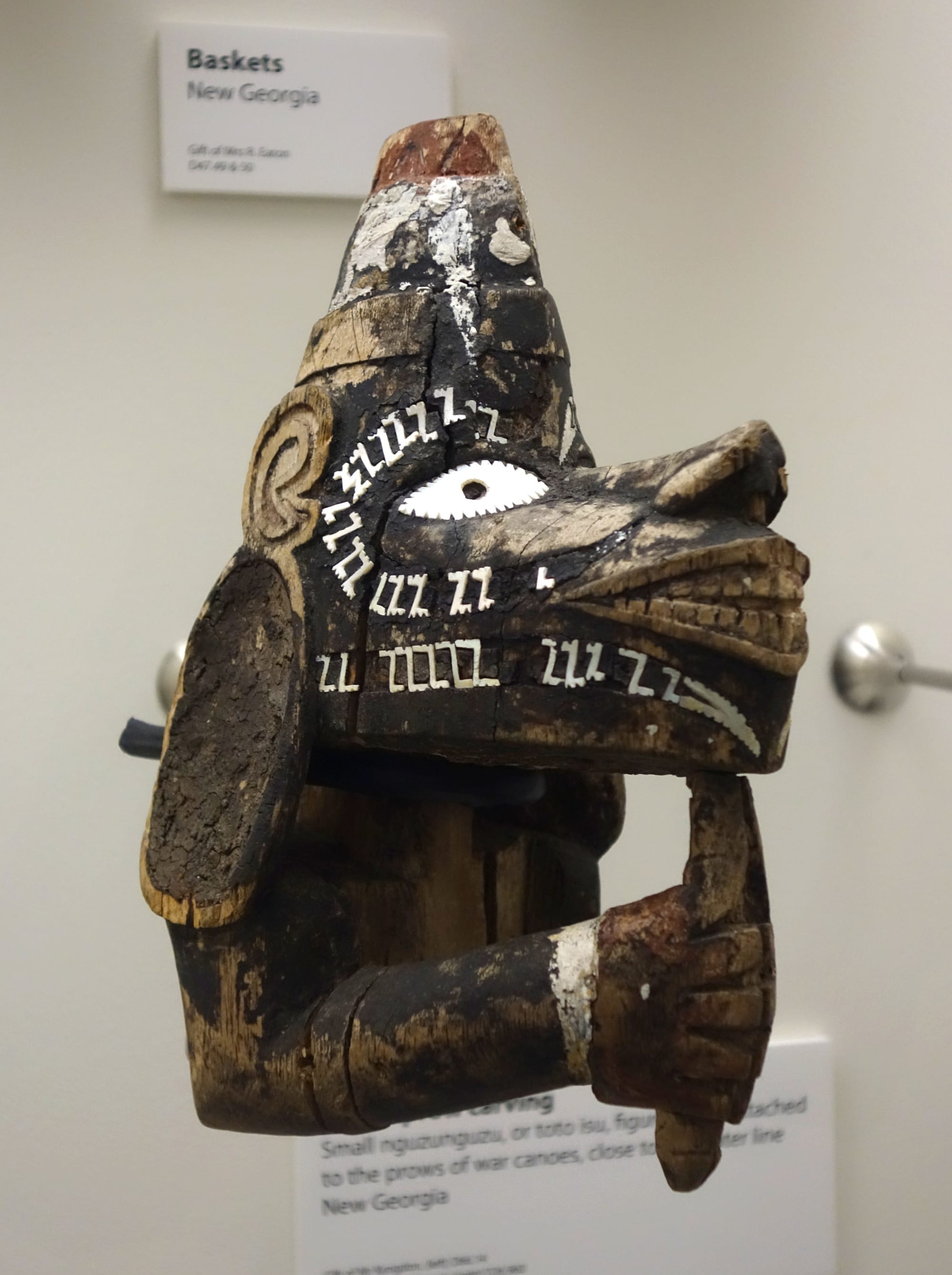
Carving is the other great art. The best-known pieces are the nguzunguzu, the figures that once rode on the prows of war canoes, representing mythological spirits and blackened and inlaid with shell. Inlaid wooden bowls and figures, finely woven baskets and mats, and wicker shields decorated with tiny squares of nautilus shell are also highly prized, as are shell valuables such as the kapkap, a disc worn on the chest, made from clam shell and turtle shell. The Solomon Islands has not yet placed any tradition on UNESCO's intangible cultural heritage lists, having joined the convention in 2018, but its carvers, weavers and pipers remain the living keepers of its culture.
Dos and don'ts for visitors
- Do ask permission, ideally through a local guide or contact, before entering land, using a beach or diving on a reef; almost all of it belongs to clans.
- Do cover thighs to the knee in towns and villages; beachwear belongs at resorts.
- Do ask before photographing people, and before photographing places, some of which may be sacred.
- Do greet elders and chiefs with particular respect, and let a local host lead introductions in a village.
- Do learn a few words of Pijin; "tanggio" (thank you) is always appreciated.
- Don't enter or photograph places marked or described as tabu.
- Don't be loud or showy in public; restraint is a mark of good manners.
What to take away
In the Solomon Islands the church and kastom stand side by side, and visitors who ask before they enter, dress with care and treat custom with the same respect they would show the church will find a warm and patient welcome.