Attractions & Natural Wonders · Syria
Syria: Five Attractions and Natural Wonders
One of the oldest continuously used mosques in the world, a desert oasis city once at the centre of a trading empire stretching to Rome, and a crusader castle widely regarded as one of the finest surviving fortifications on earth — described here for reference amid a fragile and still-unfolding political transition
By Worldlore Editorial · 30 September 2026
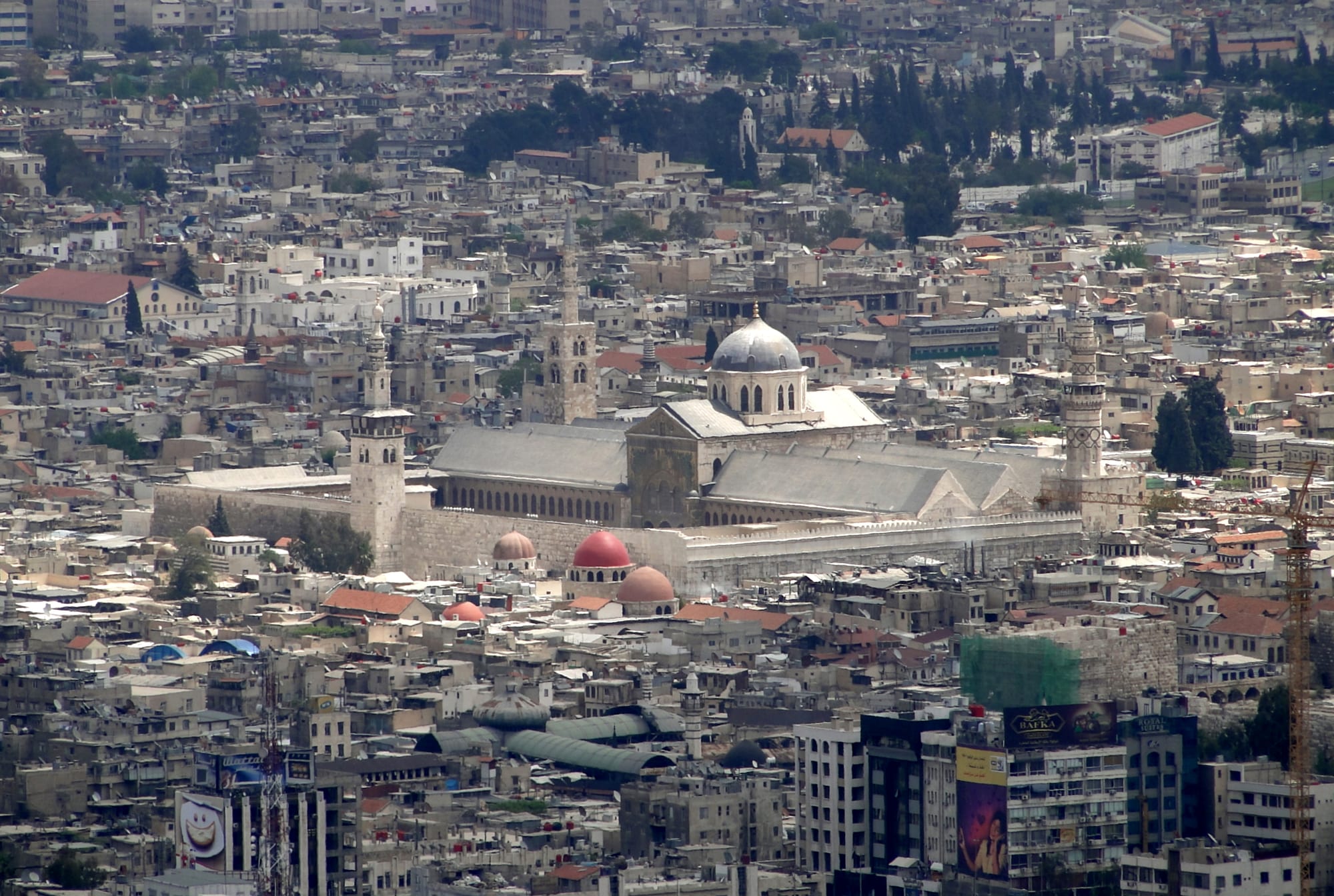
Ancient civilisation, recent devastation, uncertain transition
Syria holds some of the longest continuous urban history anywhere on earth — Damascus and Aleppo both rank among the oldest continuously inhabited cities in the world, and the country's ruins span millennia of Roman, Byzantine, Islamic, and Crusader-era civilisation. This deep history has been set against more than a decade of devastating civil war since 2011, the fall of the Assad regime in December 2024, and a fragile, still-unfolding political transition since, during which the country's security situation, governance, and infrastructure all remain in flux.
The five sights below are described for reference and cultural context, not as a current travel recommendation — read the note at the end before treating any of this as a travel plan.
1. The Umayyad Mosque, Damascus
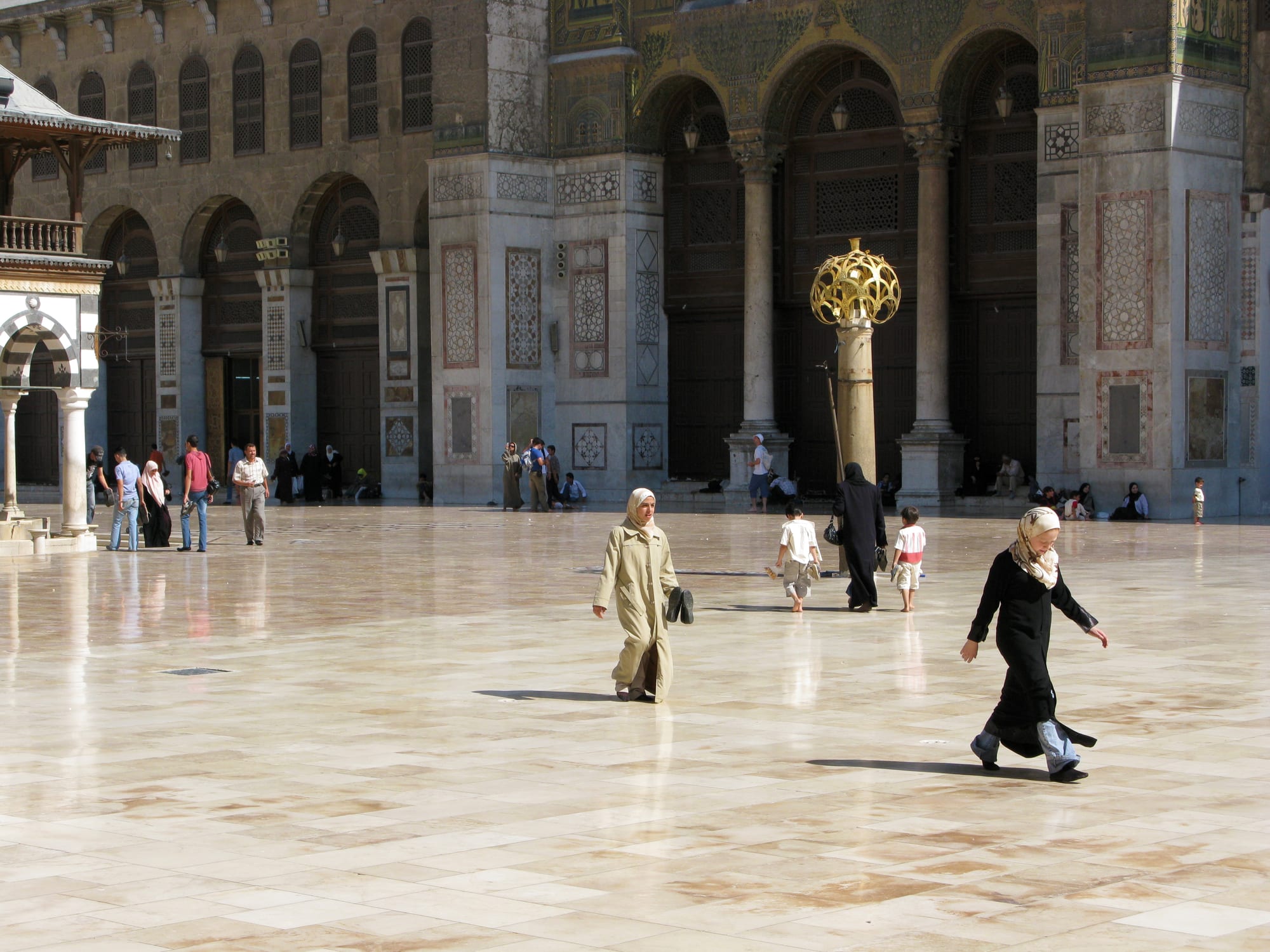
The Umayyad Mosque, completed in 711 or 715 AD on a site with religious significance stretching back through Christian, Roman, and even earlier Aramean use, is regarded as the oldest mosque still in use in its original form and a masterwork of early Islamic architecture, its courtyard still bearing gold mosaics often interpreted as an image of Paradise. It is considered by some to be the fourth holiest site in Islam, and part of the UNESCO World Heritage- listed Ancient City of Damascus.
2. Al-Hamidiyah Souq
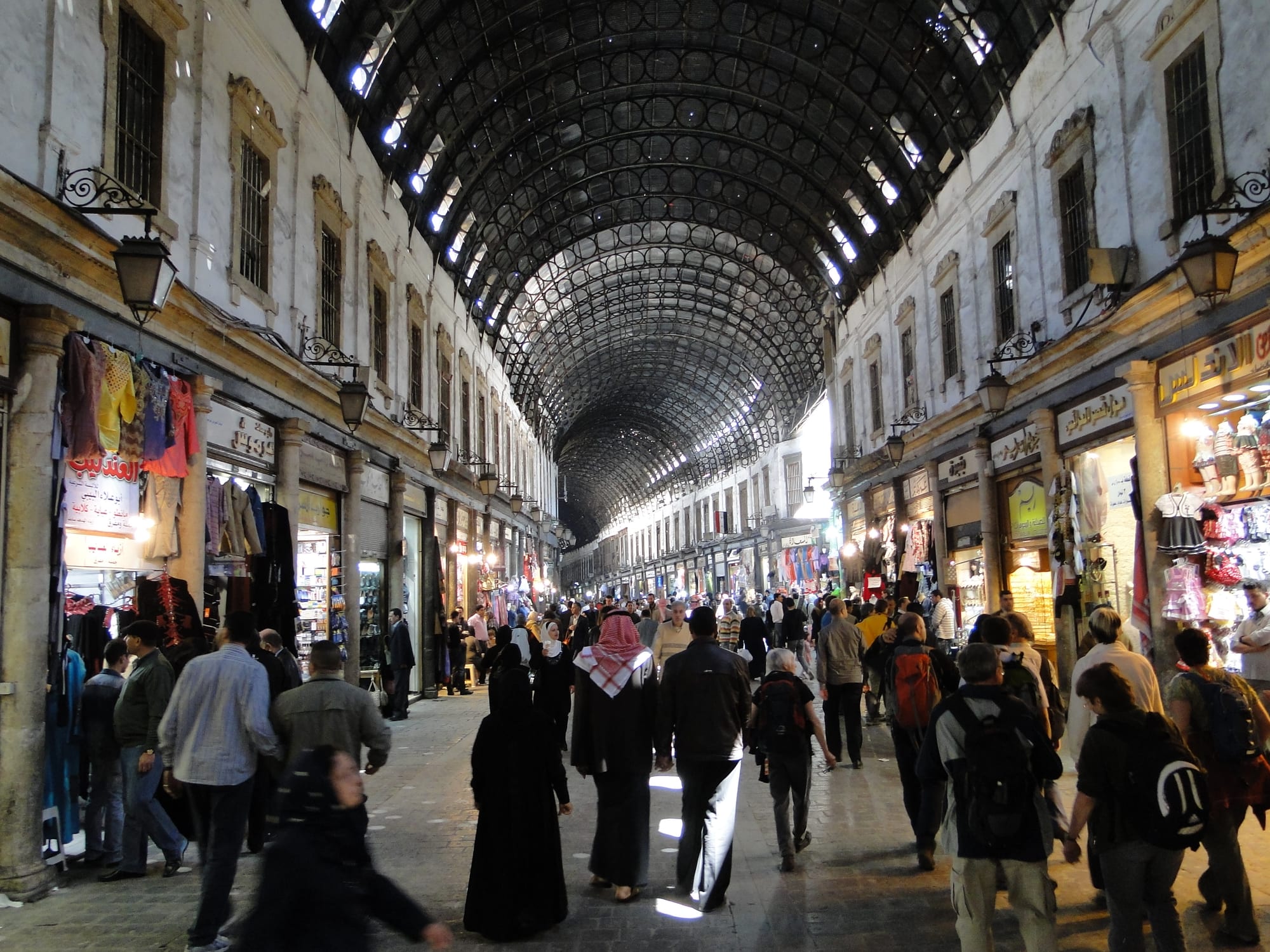
Al-Hamidiyah Souq, the largest souq in Syria, has been a commercial heart of the old city since Ottoman times, its tall arched metal roof sheltering merchants selling textiles, sweets, and traditional crafts along a route leading directly to the Umayyad Mosque. Damascus is frequently cited as one of the oldest continuously inhabited cities in the world.
3. Palmyra
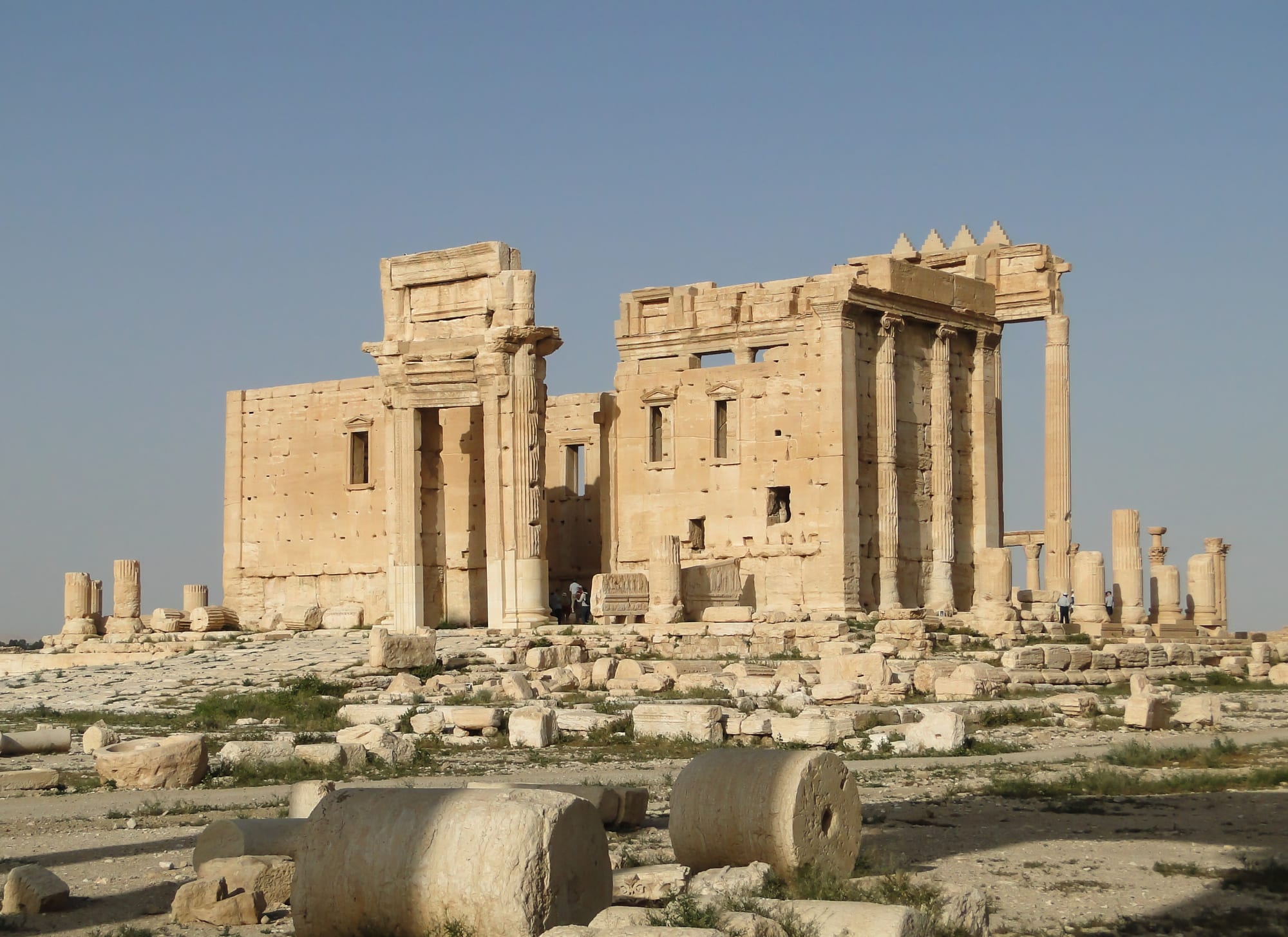
Palmyra, once a wealthy caravan city linking the Roman Empire with Persia and the East, held some of the best-preserved Greco-Roman ruins in the Middle East until the Islamic State group occupied the site in 2015 and deliberately destroyed several of its most significant monuments, including much of the Temple of Bel. A UNESCO World Heritage Site, Palmyra's surviving ruins and damaged sections alike now stand as testimony to both an ancient trading empire and the devastation of the recent war.
4. Krak des Chevaliers
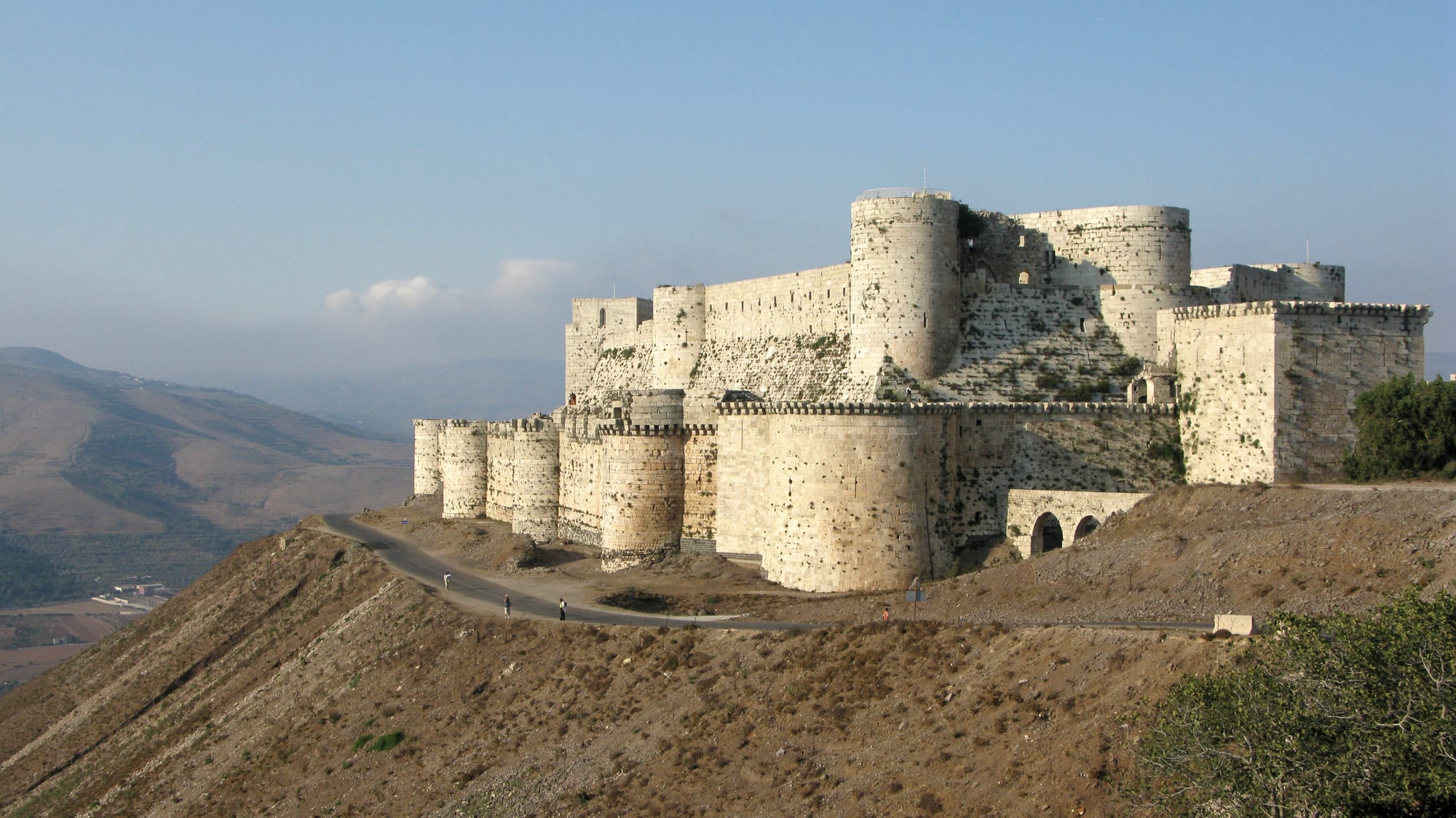
Krak des Chevaliers, built and expanded by the Knights Hospitaller during the Crusades, is widely considered one of the finest and best-preserved Crusader-era castles anywhere in the world, its concentric double walls designed to withstand prolonged sieges. T. E. Lawrence called it "perhaps the best preserved and most wholly admirable castle in the world", and though it was partially damaged by shelling during the civil war, it still stands.
5. The Citadel of Aleppo
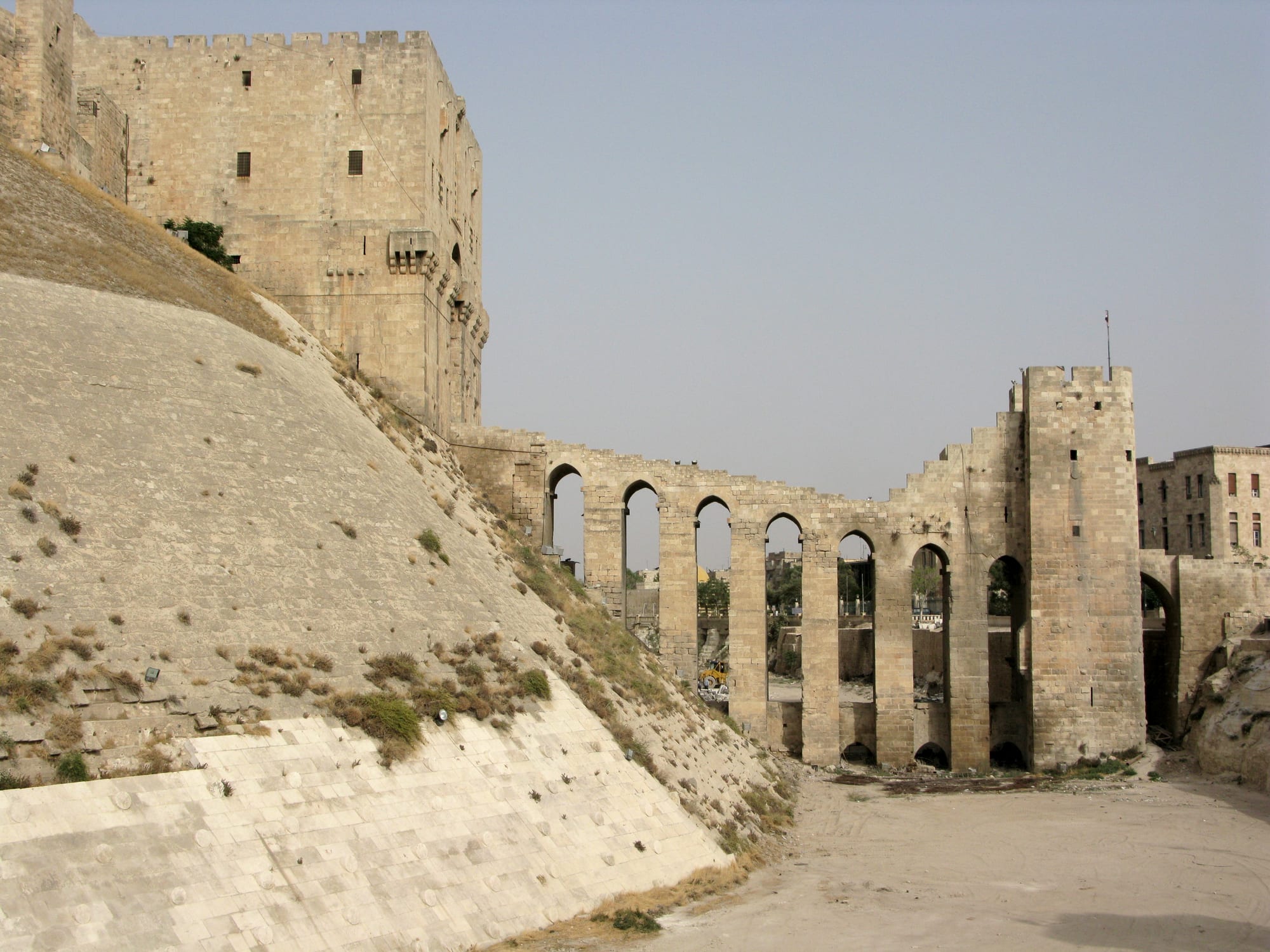
The Citadel of Aleppo, a massive fortified palace complex built up over millennia atop a mound at the centre of the old city, anchors what was once considered one of the finest historic urban centres in the Middle East. Aleppo's old city, a UNESCO World Heritage Site, suffered extensive damage during the civil war, particularly during the prolonged 2012-2016 battle for the city; the citadel reopened in 2018 and was damaged again by the 2023 earthquake, and reconstruction remains ongoing and uneven across different quarters.
Before you go: a serious note
Syria's situation remains highly fluid following the fall of the Assad regime in December 2024 after over a decade of civil war. While the transitional period has brought significant political change, most governments advise against all, or all but essential, travel to Syria, citing risks including unexploded ordnance and mines, renewed fighting in several parts of the country, Israeli air strikes, and the country's still-developing governance and infrastructure. Syria has stayed neutral in the war between Israel, the United States and Iran that began in February 2026, but the fighting has spilled onto Syrian territory. Damage from the war is severe and uneven across the sites described above and the wider country, and reconstruction, where it is happening at all, remains a long-term process. This article describes sites of profound historical significance for reference; any actual travel decision must rest on current, detailed government advice, not on the description here, given how rapidly conditions may continue to change.