Food · Wallis and Futuna
Wallis and Futuna: Food and the National Dish
Root vegetables and meat cooked underground in a Polynesian earth oven, a French territory whose food stays genuinely Polynesian
By Globeway Editorial · 30 September 2026
A French territory with a genuinely Polynesian table
Wallis and Futuna, a French overseas collectivity made up of two small island groups, keeps a food culture that remains genuinely Polynesian despite more than a century of French administration, built around the same earth-oven cooking method found across the wider Pacific.
The national dish: 'umu-cooked taro, breadfruit and chicken
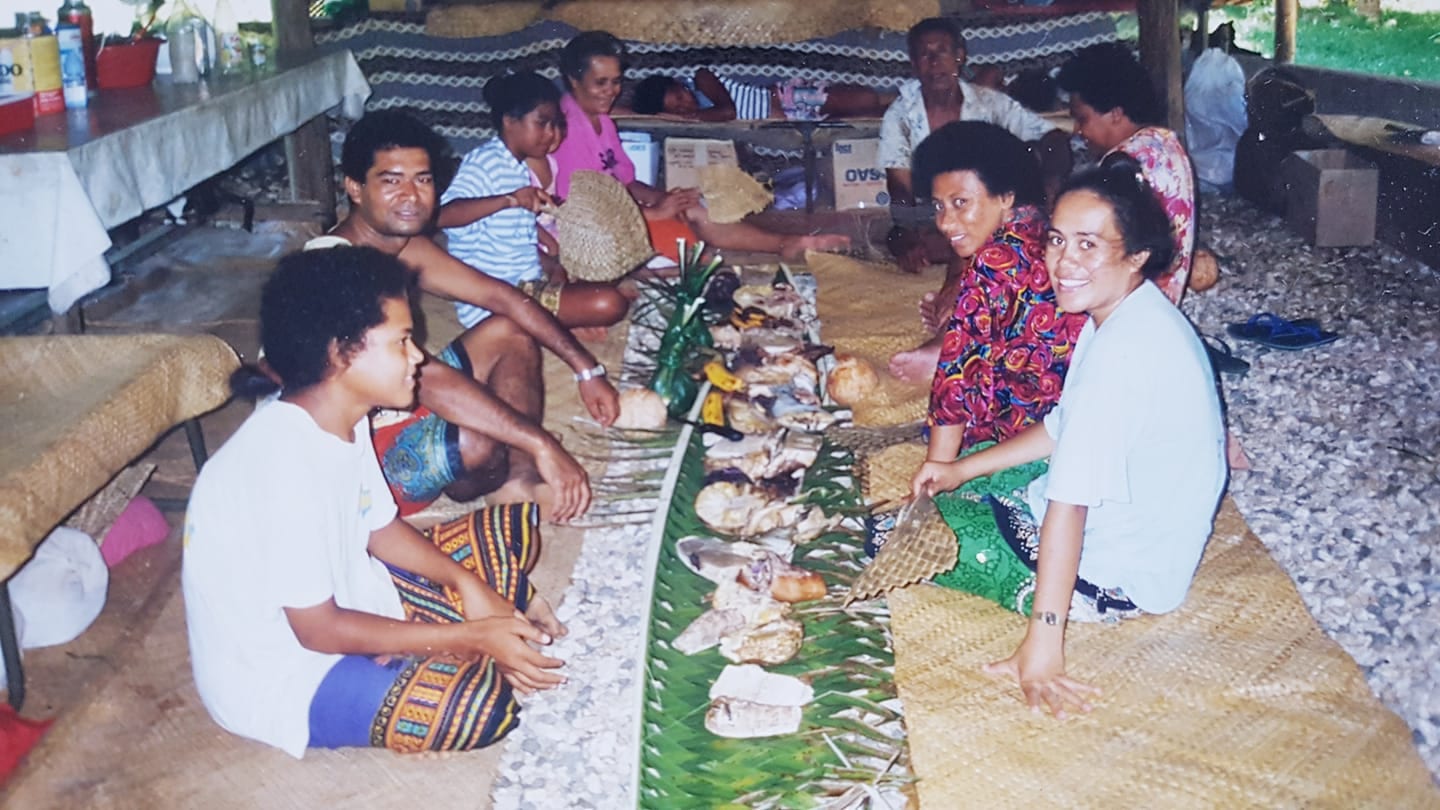
The 'umu, an earth oven of fire-heated stones, used to slow-cook taro, breadfruit, yam, fish and meat, above all pork, together for several hours, produces the closest thing Wallis and Futuna has to a national dish. Genuinely central to family and community meals, the 'umu feast brings together the islands' own root vegetables with whatever meat is available, wrapped in leaves and cooked in much the same way on both Wallis and Futuna.
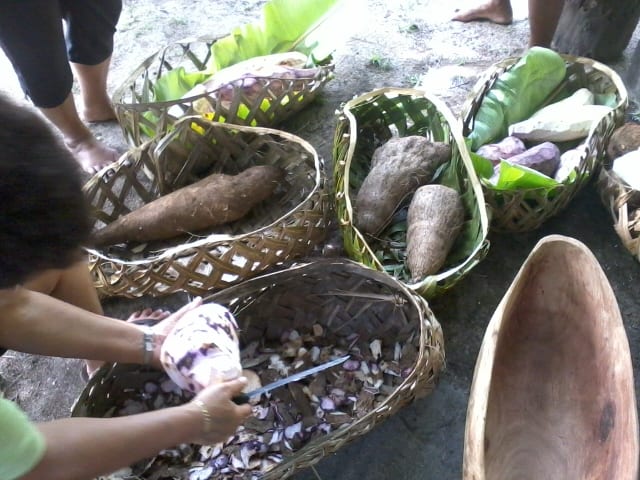
Taro, breadfruit and a genuinely Polynesian pantry
Taro, breadfruit and yam, all grown across Wallis and Futuna's volcanic islands, anchor everyday cooking, alongside coconut, including coconut cream. Pork, the prestige feast meat, and reef fish and tuna from the surrounding waters round out a pantry shaped mainly by shared Polynesian tradition, though tinned meat, rice and French bread are everyday imports.
History behind the earth oven
The 'umu predates French rule, which began formally with protectorate treaties in 1887 and 1888, and remains in everyday and feast use on both Wallis and Futuna despite that long administrative connection to France. That continuity reflects how thoroughly Polynesian identity has persisted on the islands, with French influence showing up more in imported goods and administration than in the fundamental way food is grown and cooked.
Dishes to know
Five more to recognise across Wallis and Futuna:
- Fish in coconut cream — a feast dish often cooked in the 'umu.
- Roast pig (pua'a) — the prestige feast food, central to gift
exchange and roasted for festivals such as St Chanel Day.
- Breadfruit — boiled, roasted or cooked in the 'umu, a real everyday
staple.
- Reef fish and tuna — everyday catches from the surrounding ocean.
- Yam — a root crop grown on the islands and cooked in the 'umu for
feasts.
Eating as a traveller
Vegetarians will find taro, breadfruit and coconut-based dishes manageable, though pork is central to 'umu feasts. Tourism infrastructure is minimal, so it is sensible to ask locally about drinking water. Being invited to a family 'umu feast, if the opportunity arises, is a genuine and meaningful way to experience the islands' food and hospitality together.
What to take from the table
The 'umu, cooked underground the same way across both Wallis and Futuna, shows that this territory's food identity remains genuinely Polynesian, shaped far more by Pacific tradition than by more than a century of French administration.