Culture & Customs · Niue
Why are Niue's coins decorated with Disney and Pokémon characters?
Niue spends New Zealand dollars, but it issues collector coins in its name, many of them struck in New Zealand, and the famous characters on them help sell to fans worldwide.
By Globeway Editorial · 2 November 2026
The short answer
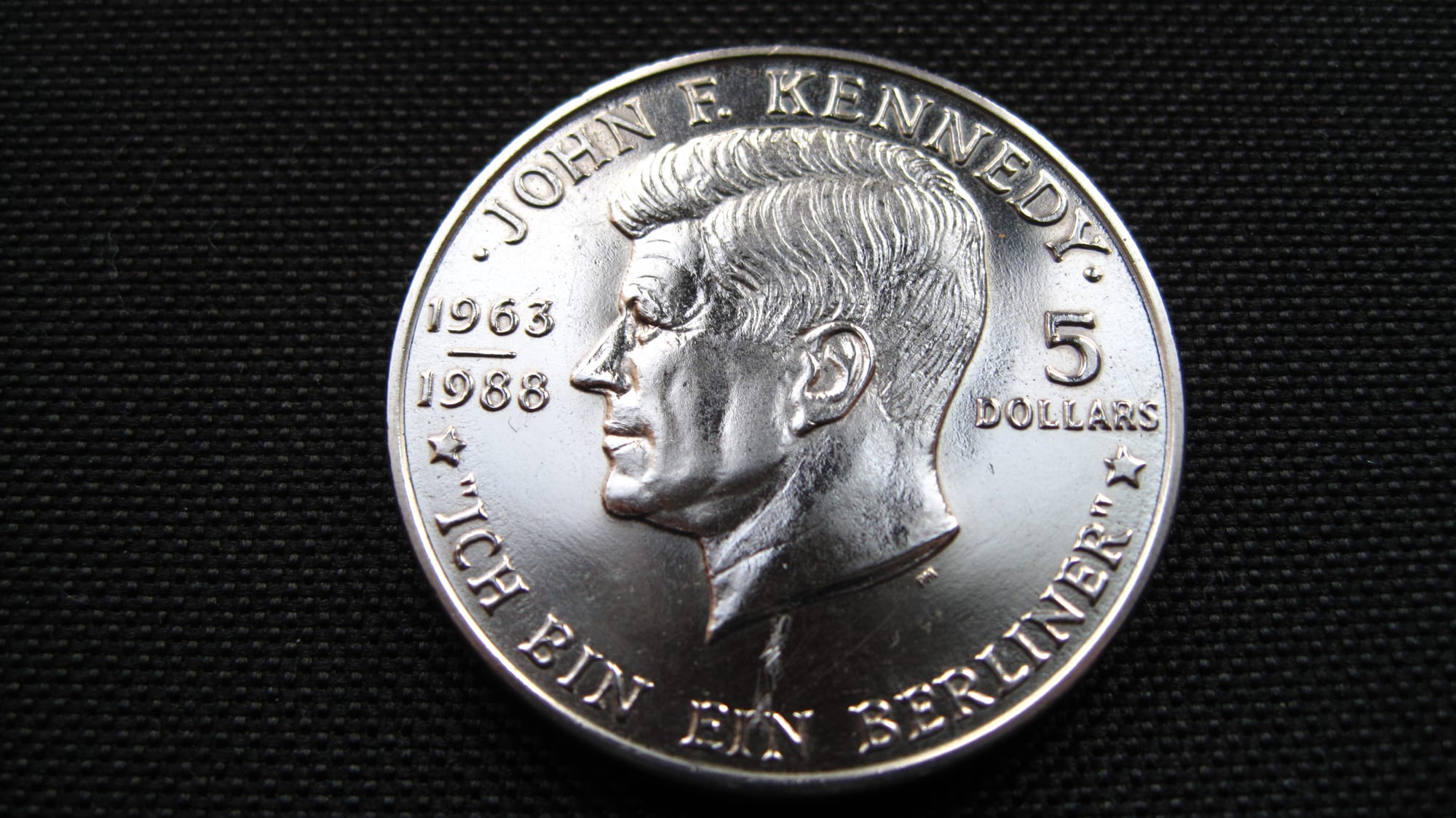
Niue's famous character coins are not pocket change. The island uses the New Zealand dollar for everyday money, and the coins issued in its name are almost all collector and investment pieces, made to be sold to buyers abroad. Many are struck by a private mint in New Zealand, and their designs have ranged from tennis players to Pokémon and characters from Disney comics, Doctor Who and Star Wars. In 2011 one set of Star Wars coins was authorised by Lucasfilm itself. The deals bring in money for a government that has very few other ways to earn it.
The coins are officially legal tender in Niue, but they are not used on the island and are unlikely to be found there. In effect Niue earns money from the right to put the name of a country on a coin. Famous characters make those coins appealing to fans and collectors far beyond the Pacific.
A country without its own everyday money
Niue is a single raised coral island in the South Pacific, nicknamed "the Rock", and one of the world's largest coral islands. It covers about 261 square kilometres, and at the 2022 census it had just 1,689 residents. Since 1974 it has been self-governing in free association with New Zealand, a relationship it shares with the neighbouring Cook Islands.
Its only official currency is the New Zealand dollar. Before New Zealand switched to dollars in 1967, Niue used the New Zealand pound, and its very first coins, issued from 1966, were commemorative pieces in pounds and shillings. In 2009 it introduced a standard set of 5, 10, 20 and 50 cent and one-dollar coins with designs related to the island, thicker than New Zealand's and made of a different metal. Even these are rarely seen; the notes and coins people actually spend are New Zealand's.
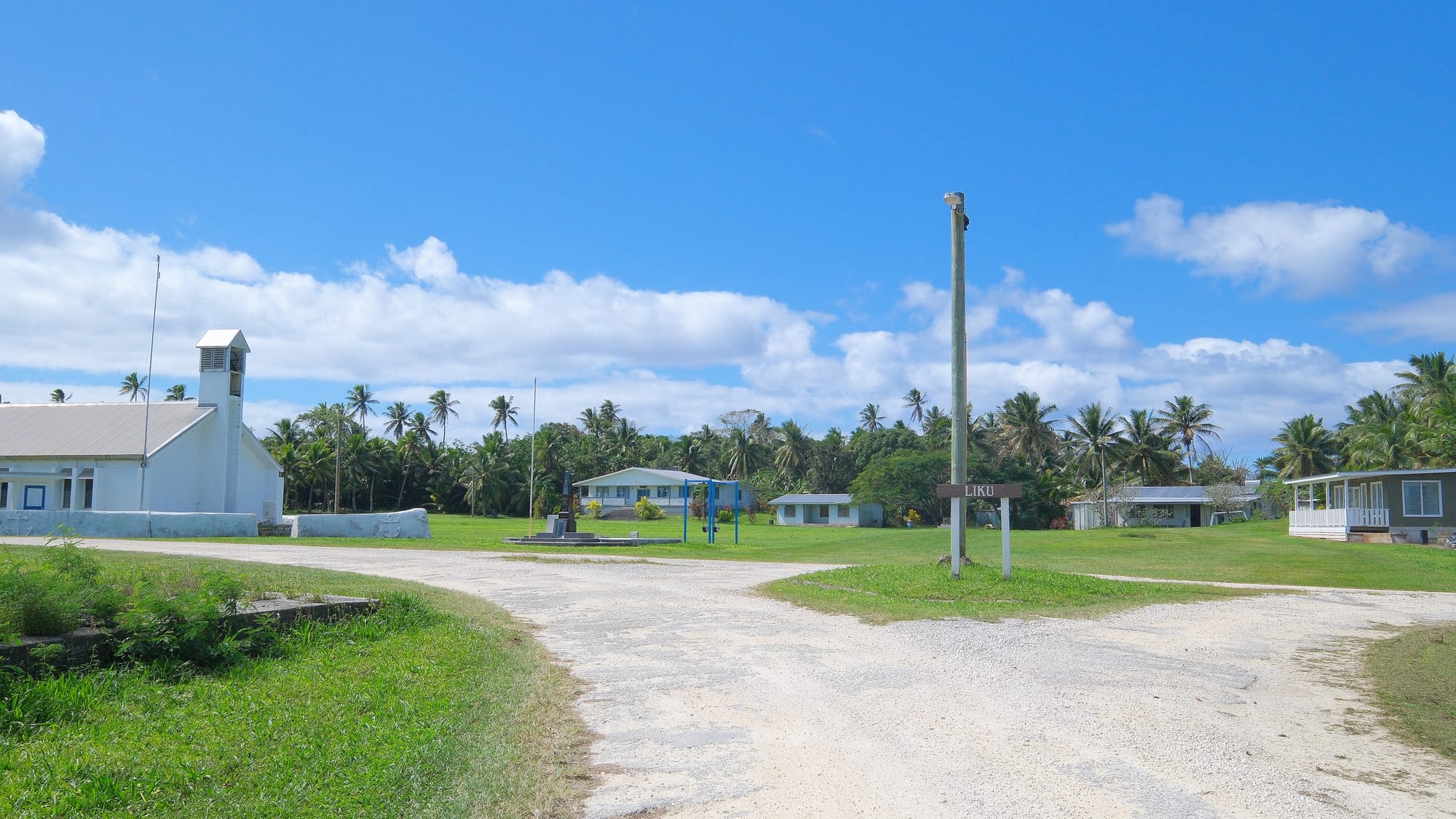
Fewer than 2,000 people live on the whole island.
Legal tender that nobody spends
Coin collectors have a name for money like this: non-circulating legal tender. These are coins that could in theory be spent, but never are, because the price paid for them, or the value of the metal in them, is far above the number stamped on them. Commemorative coins, proof coins, presentation sets and bullion coins all fall into this category. Niue's issues have mostly been exactly that: bullion coins and non-circulating commemoratives in base metal.
Every one of them carries the national crest or an official image of the reigning monarch on the obverse, the "heads" side, which ties it to Niue as an official issue. The other side is free for whatever will sell. Besides the licensed film and television characters, Niue's better-known series include the "Niue Lunar" series and the "Niue Turtle", both struck by the New Zealand Mint. That company is the only privately owned mint in New Zealand and produces collector and bullion coins for several Pacific nations, including Fiji and Niue.
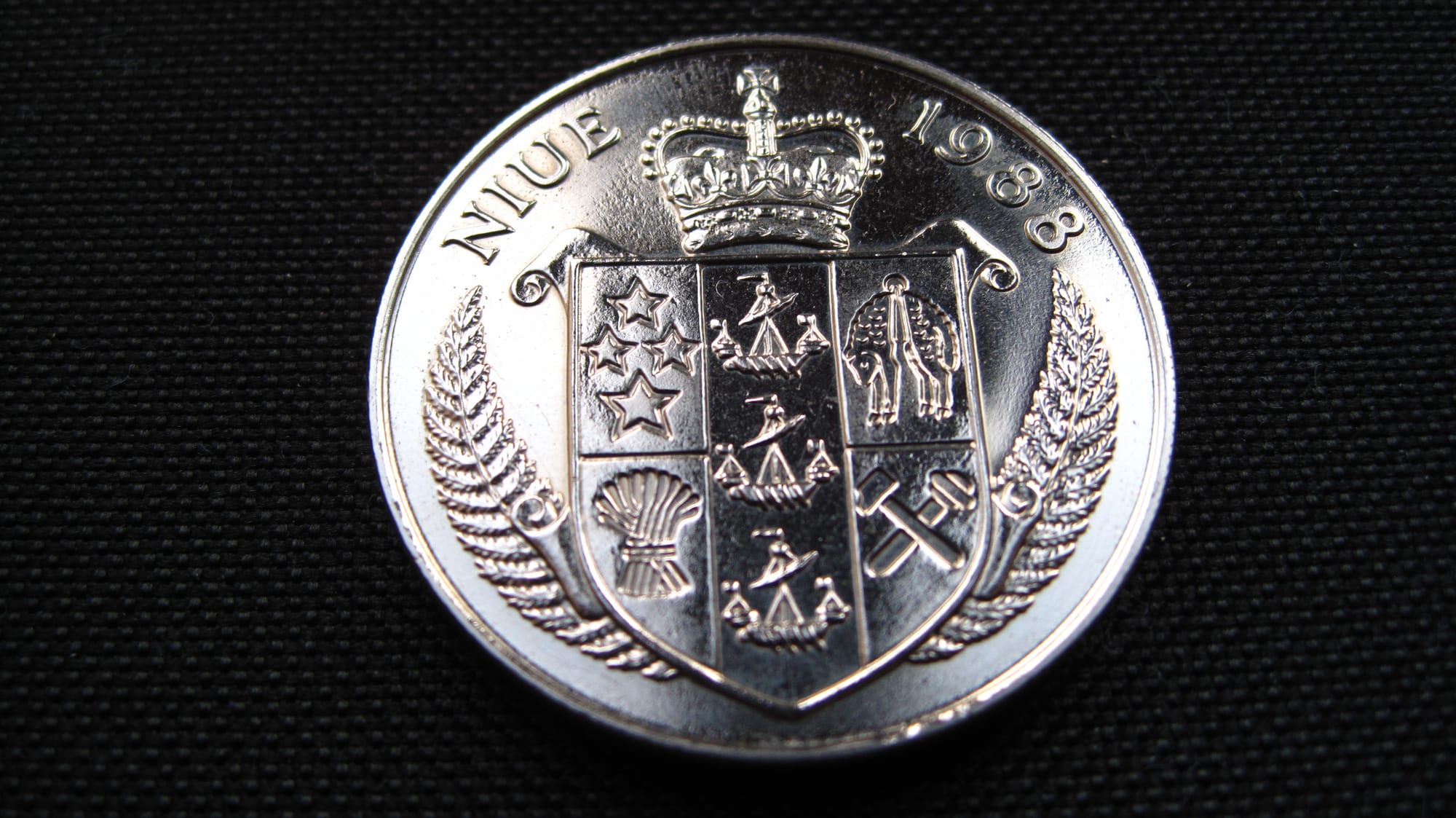
The official side of the coin ties it to Niue; the other side carries the subject that collectors pay for.
From stamps to coins
Selling small, beautifully printed state products to foreign collectors is an old strategy for Niue. The sale of postage stamps to collectors abroad has historically been an important source of income, and stamps still appear on the island's short list of exports, alongside coconut cream, honey, root crops and handicrafts. Coins extend the same idea: the government earns money from its agreements with the mint, while the minting itself is done abroad.
Niue is not alone. The Pitcairn Islands, a British territory with only about 45 residents, also uses New Zealand money but has issued its own collector coins since 1988, and the sale of coins and other numismatic items is a major source of revenue for it. When Niue launched its standard coin set in 2009, the coins were the exact same size and composition as a special Pitcairn set. The neighbouring Cook Islands, which like Niue is in free association with New Zealand, also issues coins in its own name. A 1989 law there set the required backing for currency not intended for circulation, such as proof and souvenir sets, at just 2 percent of face value.
Why a tiny island needs every dollar
The coins matter because Niue's economy is so small. Government spending regularly exceeds revenue, and grants from New Zealand fill the gap and pay public servants' wages. The government's own income comes from taxation and from trading activities such as philatelic services and the lease of phone lines. Tourism is one of a few priority sectors, exports are modest, and the island has spent decades losing people. As of 2006, between 90 and 95 percent of Niuean people lived in New Zealand.
So Niue earns what it can from assets that do not depend on a large population. It has issued coins and stamps for collectors, and it has earned income from internet addresses ending in ".nu", which are popular in parts of Europe because "nu" means "now" in several northern European languages. The .nu domain has been run by the Internet Foundation in Sweden since 2013, and Niue's court case there to win back control of it was dismissed in 2025. The coin programme, by contrast, keeps the island's name circulating among collectors and its government earning, without anyone on Niue ever needing to handle a Star Wars dollar.
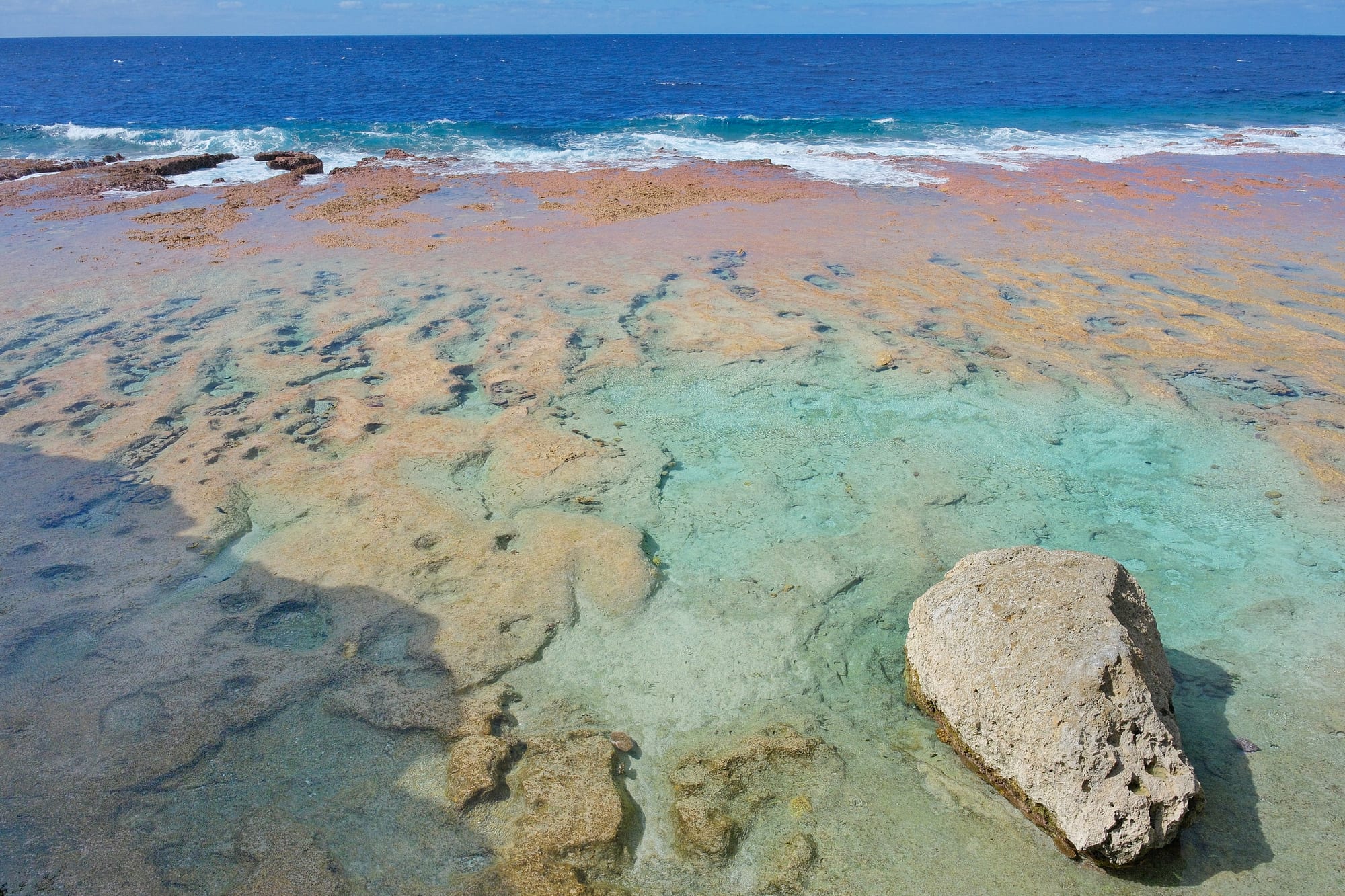
In 2022 Niue declared its entire exclusive economic zone a marine park.