History · Falkland Islands
Why did Britain and Argentina go to war over the Falklands?
A sovereignty quarrel dating back to 1833 met a failing military dictatorship in 1982. The junta gambled that Britain would not fight. It was wrong.
By Globeway Editorial · 2 November 2026
The short answer
Argentina has claimed the Falkland Islands, which it calls the Islas Malvinas, since soon after its independence from Spain, and has never accepted that Britain took control of them in 1833. By 1982 that old grievance had met a new need. Argentina was ruled by a military junta facing economic stagnation, mass unrest and anger over the human rights abuses of its "Dirty War". Seizing the islands promised to unite the country behind the generals, and the junta believed Britain would not fight back. On 2 April 1982 Argentine forces invaded.
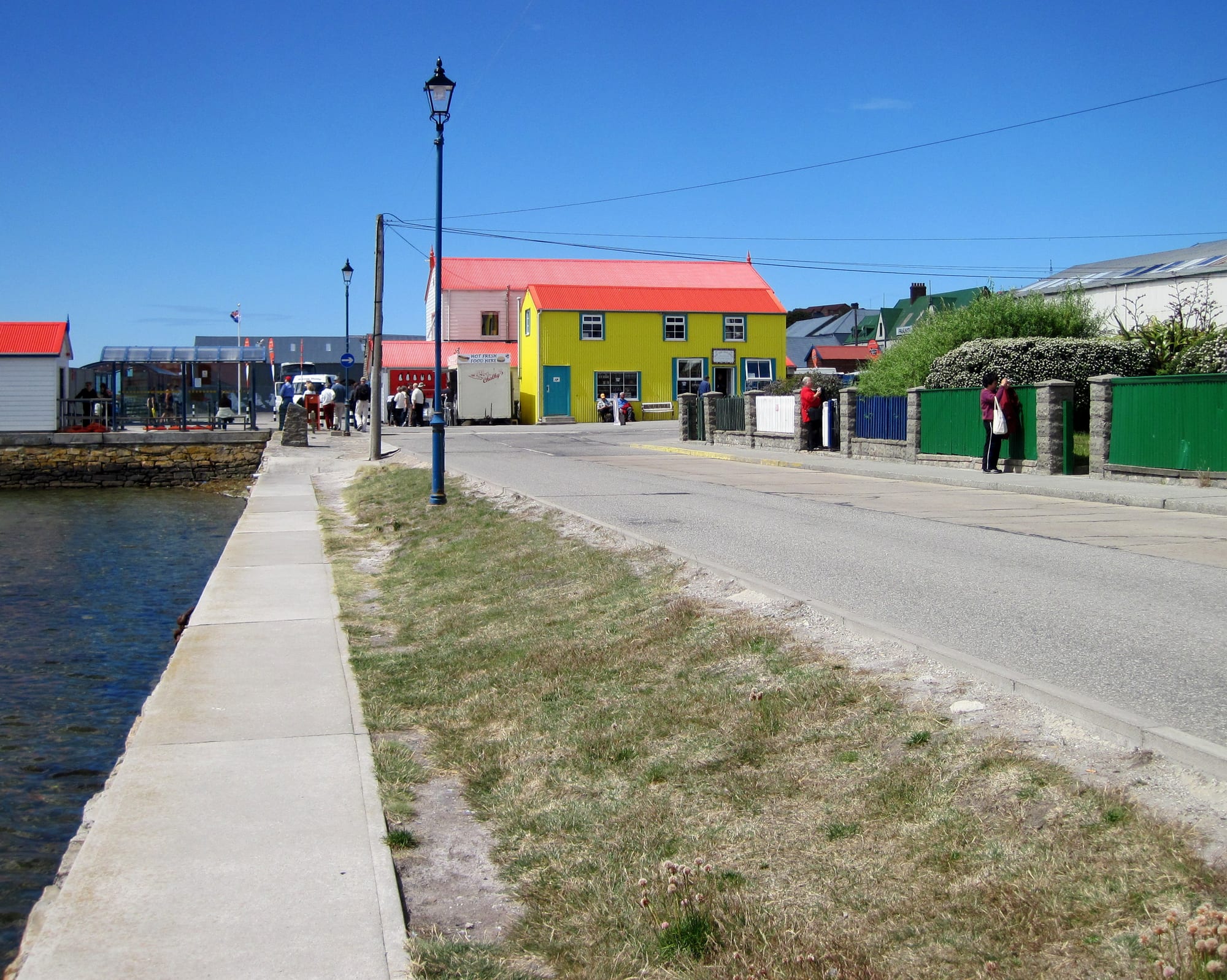
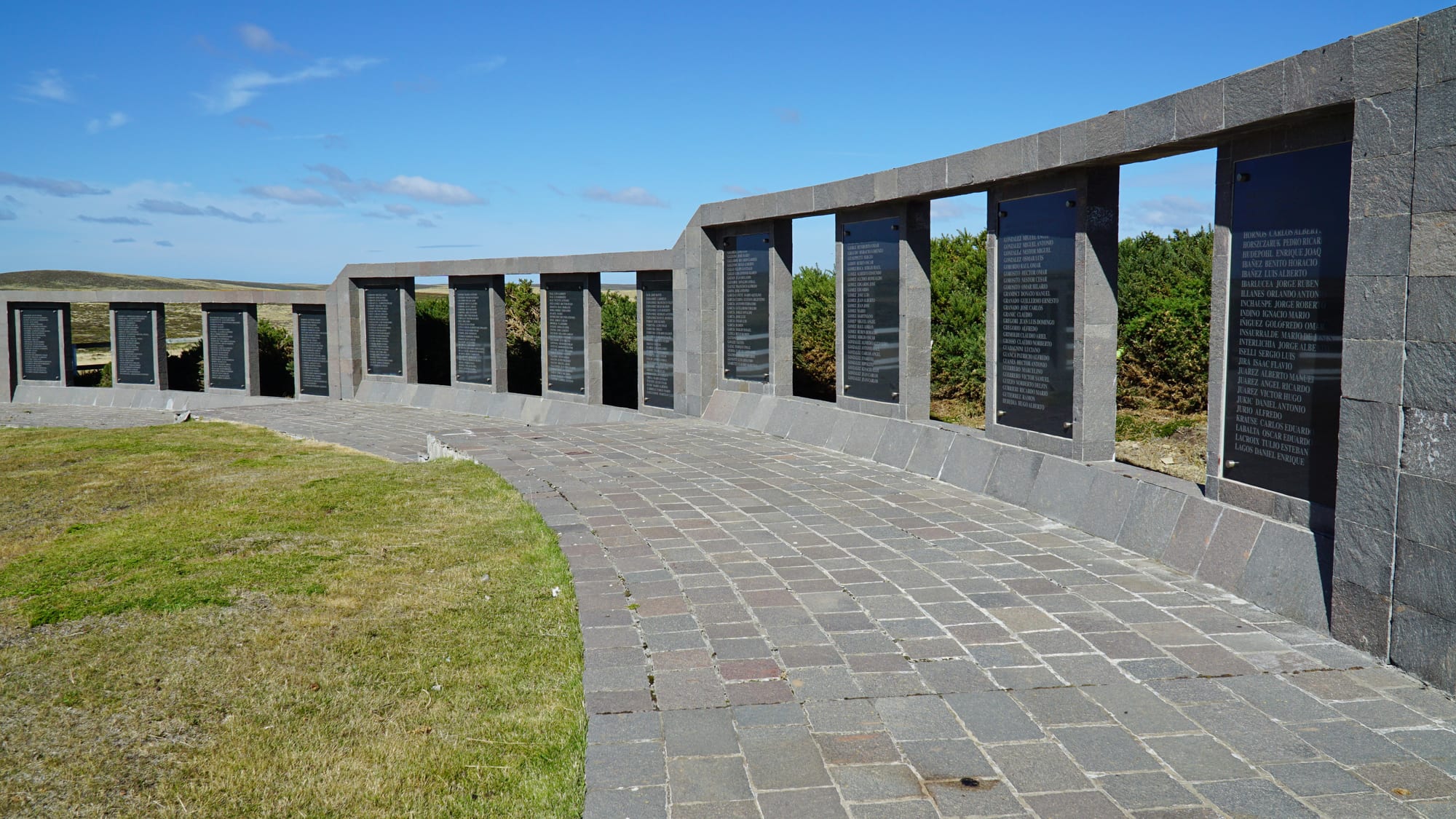
Britain saw an invasion of a territory that had been a Crown colony since 1841, whose islanders were mostly descended from British settlers and strongly favoured staying British. Three days after the invasion, Margaret Thatcher's government sent a naval task force south. Neither country formally declared war, but the fighting lasted 74 days and ended with Argentina's surrender on 14 June. It cost the lives of 649 Argentine servicemen, 255 British servicemen and three islanders.
A claim older than Argentina itself
The islands lie about 300 miles (500 kilometres) east of the Patagonian coast, and three European powers settled or claimed them in the 18th century. Britain dates its claim from 1690, when Captain John Strong made the first recorded landing. France founded the first permanent settlement, Port Saint Louis on East Falkland, in 1764; the British founded Port Egmont on Saunders Island the following year. Spain bought out the French and in 1770 expelled the British by force. A treaty in 1771 let them return without either side giving up its claim, but economic pressure before the American Revolutionary War made Britain withdraw in 1774, leaving behind a plaque asserting sovereignty.
Spain governed the islands until 1811, when its garrison was called back as revolution spread across South America. Argentina bases its claim on inheriting Spain's rights. In 1820 the frigate Heroína raised the flag of the United Provinces of the Río de la Plata, the state that became Argentina, and in the 1820s the merchant Luis Vernet set up a colony under a grant from Buenos Aires. His attempts to control sealing provoked an American warship, USS Lexington, into raiding the settlement in 1831.
- 1690
Captain John Strong makes the first recorded landing on the islands.
- 1764
France founds Port Saint Louis, the first permanent settlement.
- 1774
Britain withdraws from Port Egmont but leaves a plaque claiming sovereignty.
- 1811
Spain's garrison leaves as revolution spreads through South America.
- January 1833
A British squadron removes the Argentine authorities from the islands.
- 2 April 1982
Argentine forces invade the Falklands.
- 14 June 1982
The Argentine garrison in Stanley surrenders.
The day the flags were swapped
In December 1832 Britain sent two naval vessels south. On 2 January 1833 Captain James Onslow of HMS Clio arrived at the settlement of Puerto Luis and asked that the Argentine flag be replaced by the British one and that the Argentine administration leave. The commander there, José María Pinedo, asked whether war had been declared; Onslow said it had not. British forces landed the next day, switched the flags and handed the Argentine one to Pinedo, who sailed away on 5 January.
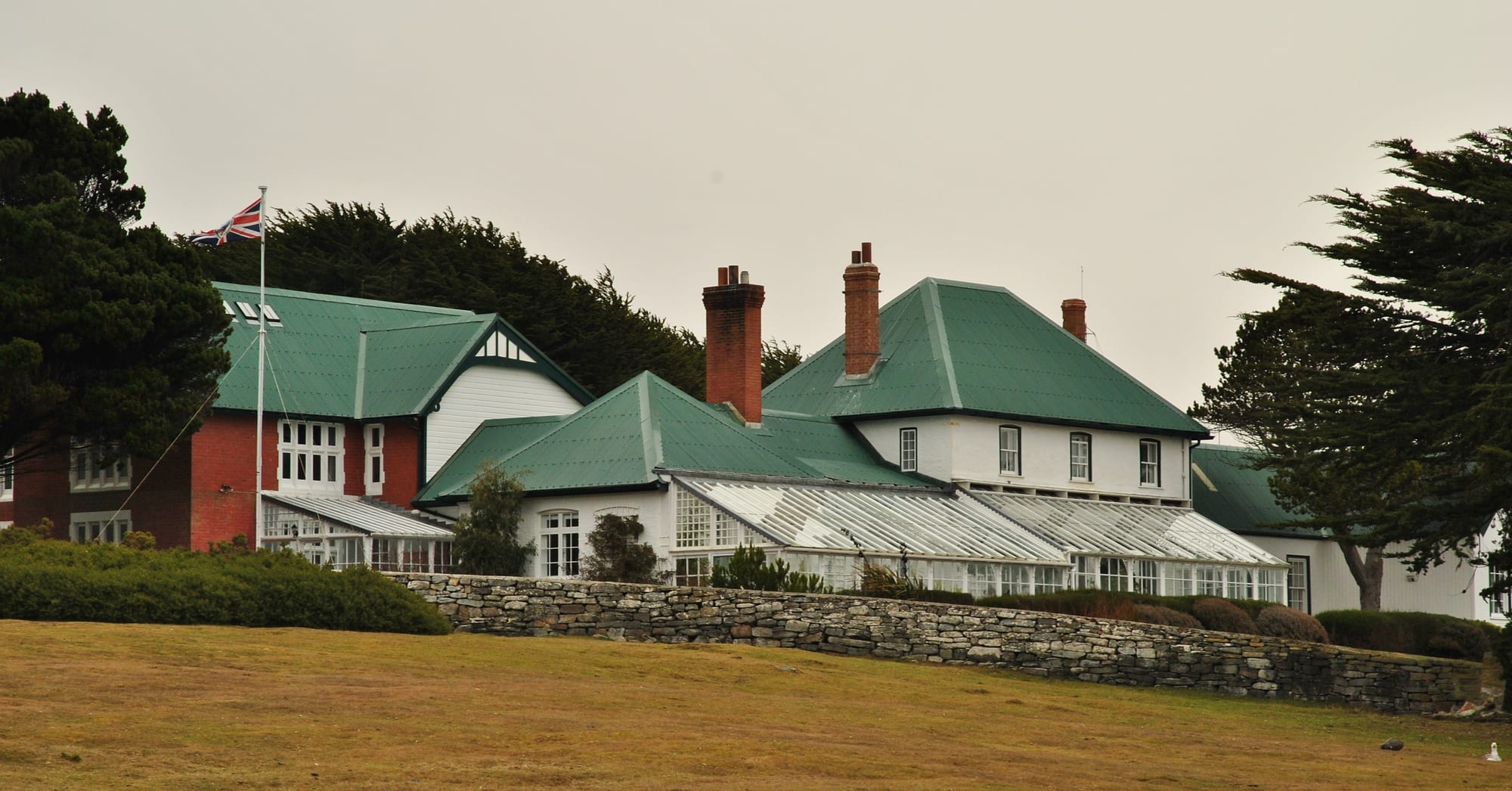
Britain has governed the islands almost continuously ever since. It decided to colonise them in 1840, and in 1845 the new capital was named Port Stanley, after Lord Stanley, the colonial secretary. Argentina never accepted any of it, and the islands remained a cause of long-standing patriotic feeling for Argentines. The claim is written into the transitional provisions of its constitution, amended in 1994.
Talks that went nowhere
In 1965 the United Nations called on both countries to negotiate. Privately, the British Foreign Office saw the islands as a nuisance that harmed trade with South America and was prepared to hand them over. When news of a proposed transfer leaked in 1968, a parliamentary lobby for the islanders blocked it. Talks continued for years, stuck between islanders who refused Argentine rule and an Argentina that would not compromise on sovereignty. A 1980 proposal for "leaseback", under which Britain would hand over sovereignty and lease the islands back, was attacked in Parliament as a sell-out. The minister behind it, Nicholas Ridley, reportedly warned colleagues that Argentina would invade if nothing was done.
Meanwhile Britain seemed to be losing interest. The 1981 Defence White Paper planned to withdraw HMS Endurance, the Royal Navy's only ship in the South Atlantic. Her captain, Nicholas Barker, believed this told Argentina that Britain was unwilling, and would soon be unable, to defend the islands.
A gamble by generals in trouble
Argentina had been ruled since 1976 by a military dictatorship, the National Reorganisation Process, which in the "Dirty War" killed or "disappeared" an estimated 13,000 to 30,000 people it regarded as subversives. By 1981 the country was in deep economic stagnation and the regime faced large-scale civil unrest. In December 1981 a new junta took power under General Leopoldo Galtieri, with Admiral Jorge Anaya and Air Brigadier Basilio Lami Dozo. Anaya was the main architect of a military solution, and he expected that Britain would never respond with force.
The junta's hope was that reclaiming the Malvinas would mobilise Argentines' long-standing patriotic feeling, distract them from the economy and the repression, and shore up the regime's fading legitimacy. The trigger came on 19 March 1982, when Argentine scrap-metal workers, infiltrated by marines, raised their flag on South Georgia. Britain sent Endurance to respond, and the junta, fearing reinforcements, brought the invasion forward to 2 April.
Why Britain went to war
The junta had misread Britain. Admiral Sir Henry Leach, the First Sea Lord, told Thatcher that Britain could and should send a task force, and the House of Commons backed it in an emergency sitting. At the United Nations, Britain won Resolution 502, which demanded that Argentine forces withdraw; it avoided the question of sovereignty and focused on Argentina's use of force, leaving Britain free to act in self-defence. American peace efforts failed, and on 30 April the United States declared its support for Britain.
For Britain the principle was that the islanders, rather than a military dictatorship, should decide their future. The war turned violent in May: a British submarine sank the cruiser General Belgrano with the loss of 323 Argentine sailors, and Argentine aircraft sank several British ships. British troops landed around San Carlos Water on the night of 21 May, fought across East Falkland and took the hills around Stanley in night battles. On 14 June General Mario Menéndez surrendered.
What the war settled, and what it did not
Defeat brought down the junta. Galtieri was removed in June 1982, and Argentina held its first free general election since 1973 the following year. In Britain, victory revived the fortunes of Thatcher's Conservatives, who won the 1983 election by a landslide, and the planned naval cuts were dropped. The islanders were granted full British citizenship in 1983, a new constitution in 1985 expanded self-government, and Britain built a permanent base at Mount Pleasant. In a 2013 referendum, 99.8 per cent of voters chose to remain a British territory, on a 92 per cent turnout.
The underlying dispute is unresolved. Argentina maintains its claim and rejects the islanders' right to self-determination, regarding them as a population transplanted by Britain. Britain says the islanders' wishes come first. In Stanley today, 14 June is Liberation Day, while across the water Argentines remember the war and its dead with equal feeling.