Attractions & Natural Wonders · Honduras
Why do live fish appear on the ground after storms in a town in Honduras?
In Yoro, live fish turn up on the ground after the first big storms each year; locals see a priest's miracle, scientists suspect flooded streams, not the sky.
By Globeway Editorial · 2 November 2026
The short answer
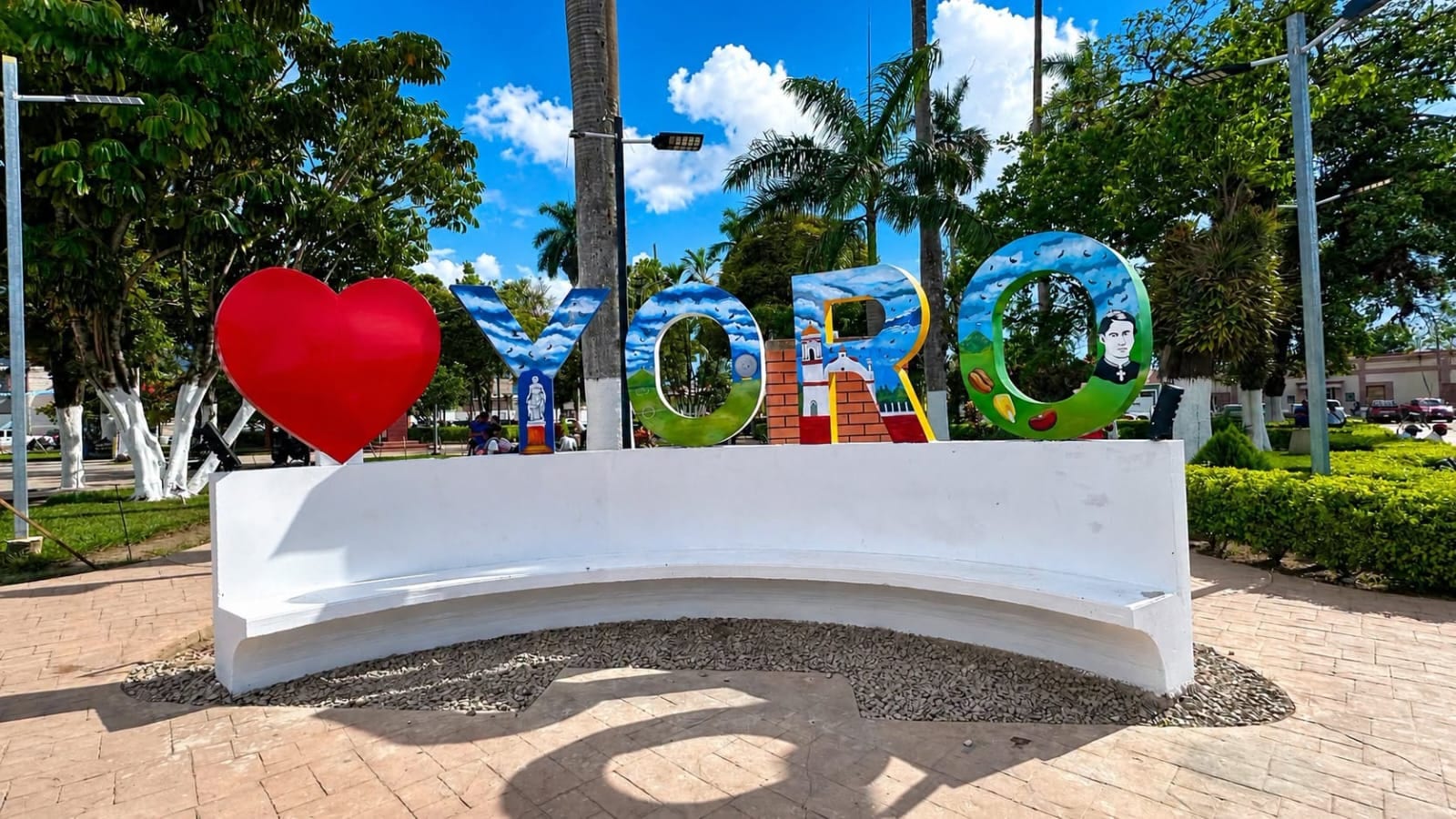
In Yoro, a town in the highlands of north-central Honduras, people say that once a year, usually with the first heavy storms of the rainy season in May or June, the streets and fields are left scattered with small, live fish. They call it the lluvia de peces, the "rain of fish". The fish are real, and the event is celebrated every year, but the name is misleading: nobody has shown that the fish actually fall from the sky.
The likeliest explanation is that the fish come from the ground and the streams, not the clouds. They are freshwater fish, found near watercourses after the storms, and the most widely offered theory is that they live in nearby rivers or underground water channels and are flushed out by the torrential rain, then stranded when the water drains away. Many people in Yoro hold a different explanation entirely: that the fish are the lasting answer to a Spanish missionary's prayer in the 19th century.
What happens on the night of the storm
Witnesses describe the same sequence each time. The sky darkens under dense cloud, lightning and thunder follow, the wind gets up, and heavy rain falls for two or three hours, the typical behaviour of a tropical storm. When it stops, people find hundreds of fish lying on the ground, still alive. They are small, not giants; they have normal eyes; and they are freshwater species. Residents gather them up and take them home to cook.
Local tradition says this has been happening for more than a century, and some residents say for more than two. The timing fits the climate. The interior of Honduras has a marked dry season, known locally as "summer", from November to April, and the rains arrive with force in May. Yoro, the capital of a department of the same name, lies inland, away from the wetter Caribbean coast.
Why a waterspout does not fit
The standard explanation for animals "raining" anywhere in the world is the waterspout, a rotating column of air over water; the strongest kind is a tornado that forms over the sea or a lake. The theory runs that a powerful one sucks up fish or frogs, carries them inland inside a storm cloud and drops them miles away. The idea suits small, light, aquatic animals and the fact that such events usually follow storms. But no scientist has ever watched it happen.
For Yoro it has particular problems. The nearest sea is about 72 kilometres away, and a waterspout would have to lift fish from the open water every May or June, year after year, and deliver them to the same town. Yet the fish are freshwater species, not sea fish. And waterspouts are a poor vacuum cleaner: most of them do not suck up water at all, and the theory also struggles to explain why animal "rains" so often involve just one species rather than a random mix of everything near the surface.
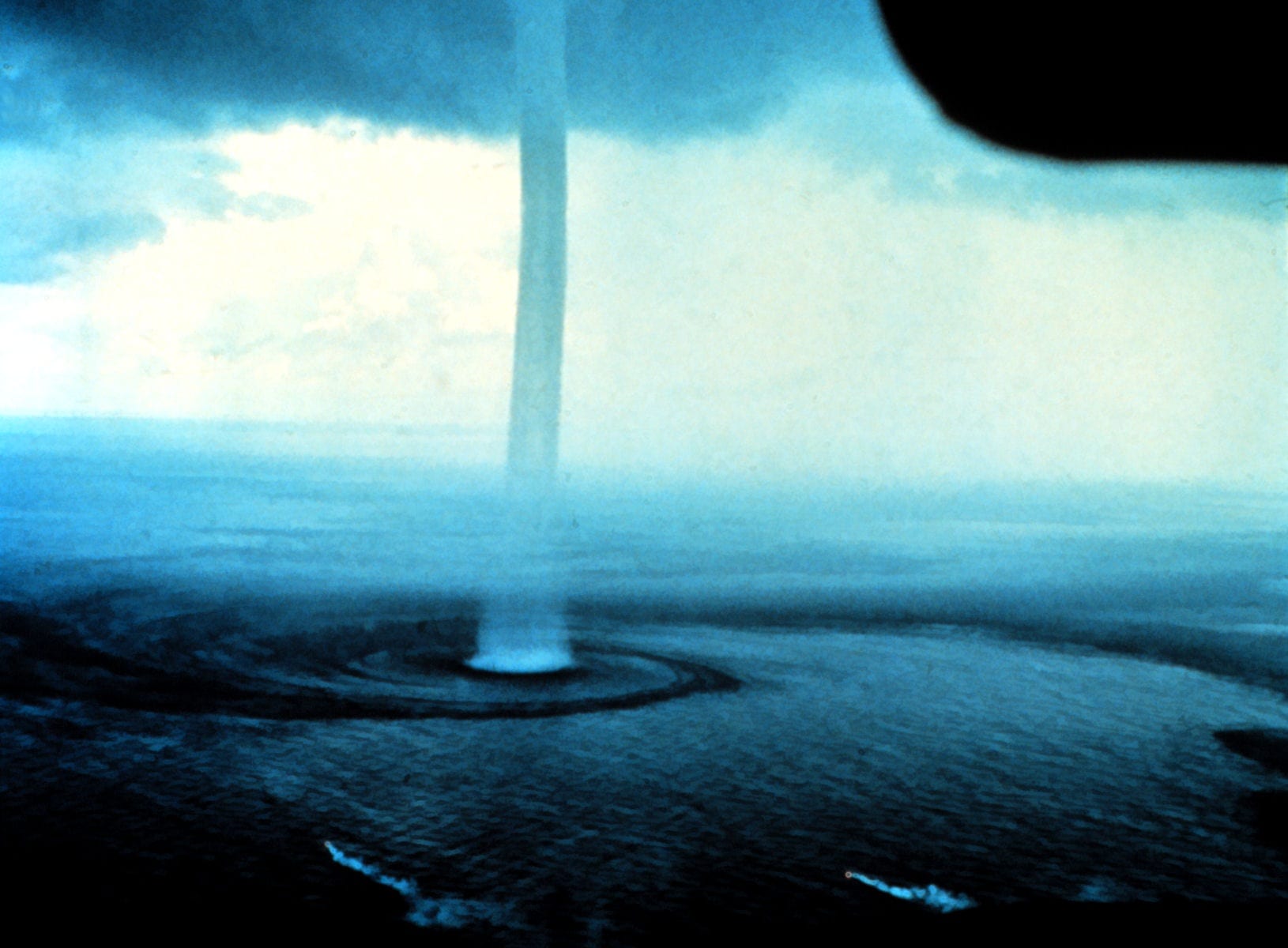
Waterspouts are most common in the tropics and subtropics, and are more frequent within about 100 kilometres of a coast than farther out at sea.
Fish that come up, not down
The alternative is less dramatic and fits the evidence better. The fish may live in a nearby river and move into a network of underground water channels or caves as the seasons change. When the first great storm of the year arrives, the sudden floods wash them out of these hiding places and spread them across low ground, and when the water soaks away the fish are left behind on dry land. Some residents of Yoro have reached a similar conclusion on their own: they point out that the fish do not land on the roofs of houses, and believe they swim up from an underground river.
Small freshwater fish are perfectly capable of living underground. In Central America, a little river fish called Astyanax aeneus has at least two populations that live entirely in caves or aquifers, as its better-known relative, the blind Mexican cavefish, does in greater numbers. Whatever the species in Yoro, the pattern of fish found only near streams after storms points to water from below.
For many reported animal rains elsewhere in the world, the likeliest explanation is that nothing falls at all, and the animals are simply driven along by wind or a sudden deluge. After a reported fish rain in Singapore in 1861, the French naturalist Francis de Laporte de Castelnau suggested that walking catfish had been migrating overland from one puddle to the next after the rain.
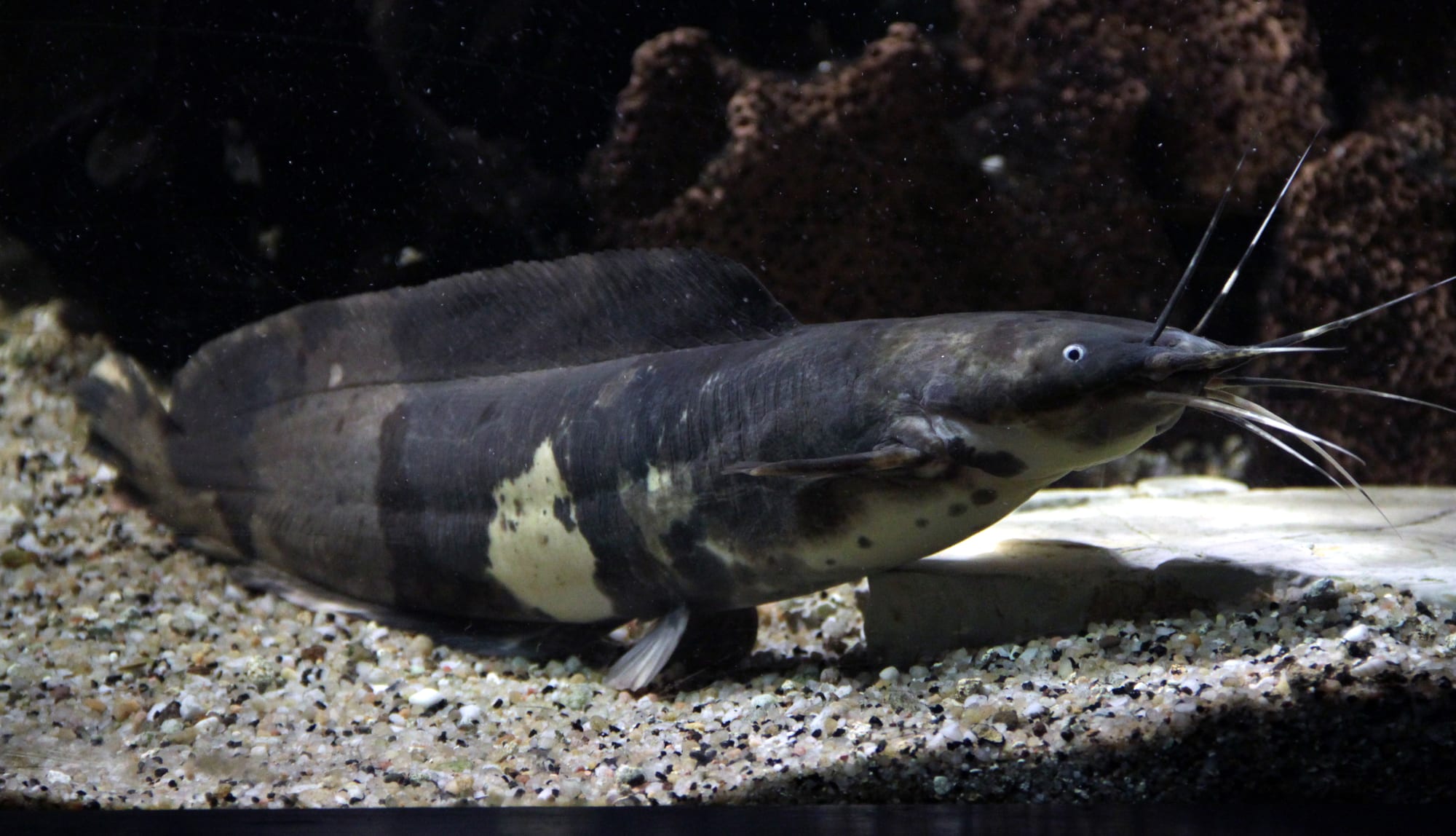
The walking catfish can survive about 18 hours out of water, using its pectoral fins to stay upright as it wriggles between pools.
The miracle of Father Subirana
For many in Yoro, none of this matters, because the fish have a religious meaning. Manuel de Jesús Subirana was a Catholic priest born in Manresa, in Catalonia, in 1807. After missionary work in Cuba and El Salvador he came to Honduras in the 1850s and from 1858 devoted most of his ministry to Yoro. He learned the Tol language of the Indigenous Tolupan, or Jicaque, people and, by his own reports, baptised some 9,000 of them. He died in 1864, and at his own request his remains were carried to Yoro and laid in its church. Many Hondurans regard him as a saint.
The story passed down by word of mouth says that Subirana, seeing how poor and hungry the people were, prayed for three days and three nights for God to send them food. A dark cloud came, tasty fish fell from the sky and fed everyone, and the gift has been repeated every year since. Some writers have suggested that the very name "rain of fish" owes something to this missionary story, since the fish themselves are found by streams rather than seen falling.
A festival for the first rains
Since 1998 the people of Yoro department have held an annual Festival de Lluvia de Peces. It has no fixed date, because it waits for the first big rainfall in May or June, and it brings a parade and a carnival to the town. The phenomenon has become part of national identity: a popular Honduran song, "Conozca Honduras", asks where else fish rain down like a heavenly miracle.
The fish rain has drawn sceptics and curious scientists from around the world to Yoro, and television programmes, the History Channel among them, have reported on it. Yet the moment that would settle the matter, a fish seen dropping out of a storm cloud, has never been recorded by scientists. The open question is a smaller one: exactly where the fish spend the dry months.