Attractions & Natural Wonders · Moldova
Why does Moldova have a wine cellar with 200 kilometres of tunnels?
Centuries of quarrying limestone left Moldova riddled with tunnels, and their steady cool, damp air turned out to be ideal for storing wine.
By Globeway Editorial · 2 November 2026
The short answer
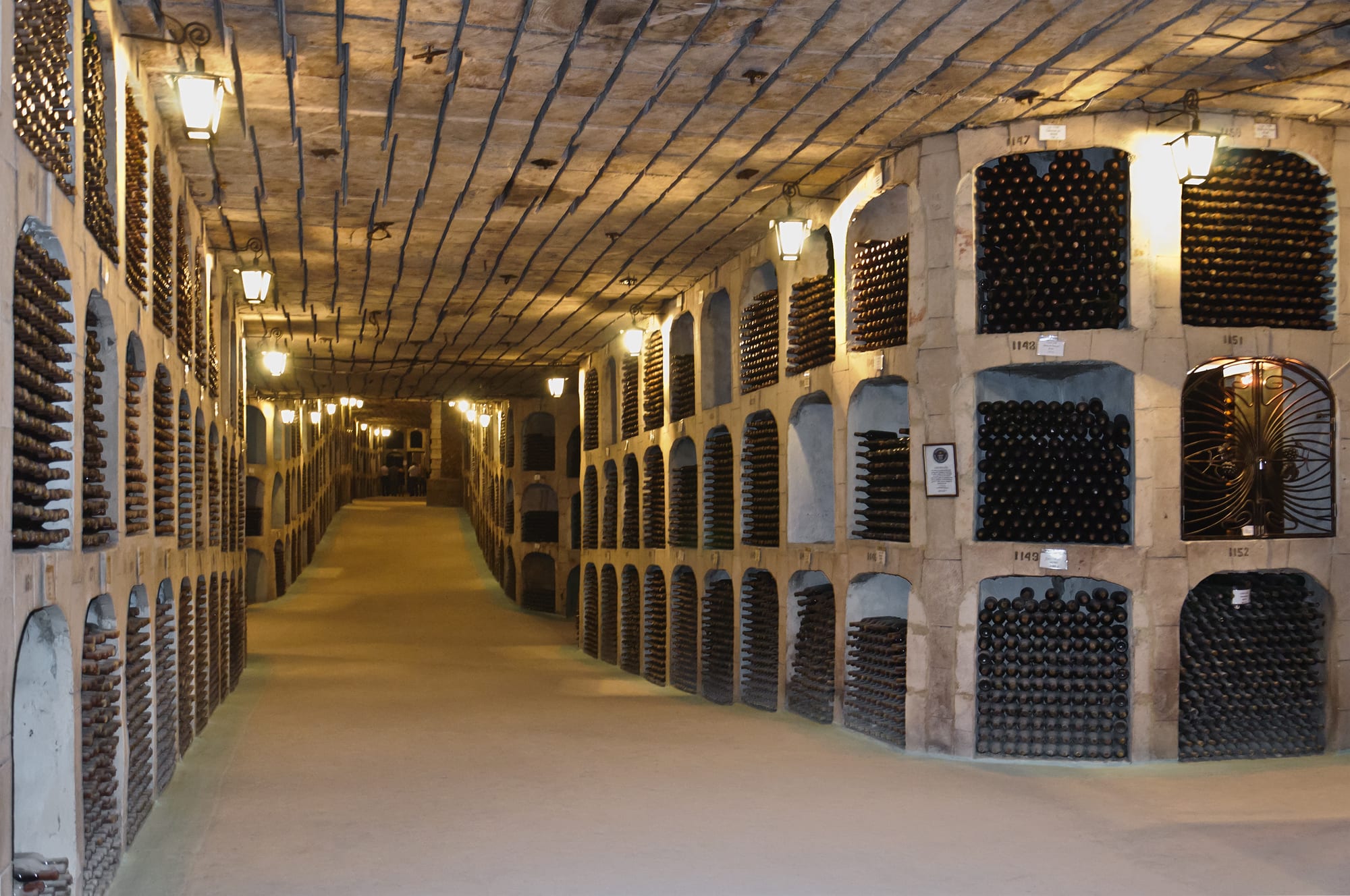
The tunnels were not dug for wine. For centuries people quarried soft limestone, the pale building stone of the region, from beneath the villages around Chișinău, and the mining left behind vast networks of underground galleries. At Mileștii Mici, south of the capital, those galleries run for about 200 kilometres, with some accounts putting the figure as high as 250.
In the Soviet era the old quarries were given a second life as wine stores, because the rock keeps the air at a steady 12 to 14°C and very humid all year, exactly the conditions wine needs to age well. Only part of the maze is used: about 55 kilometres of galleries at Mileștii Mici hold what Guinness World Records registered in 2005 as the largest wine collection in the world.
A country built from the stone beneath it
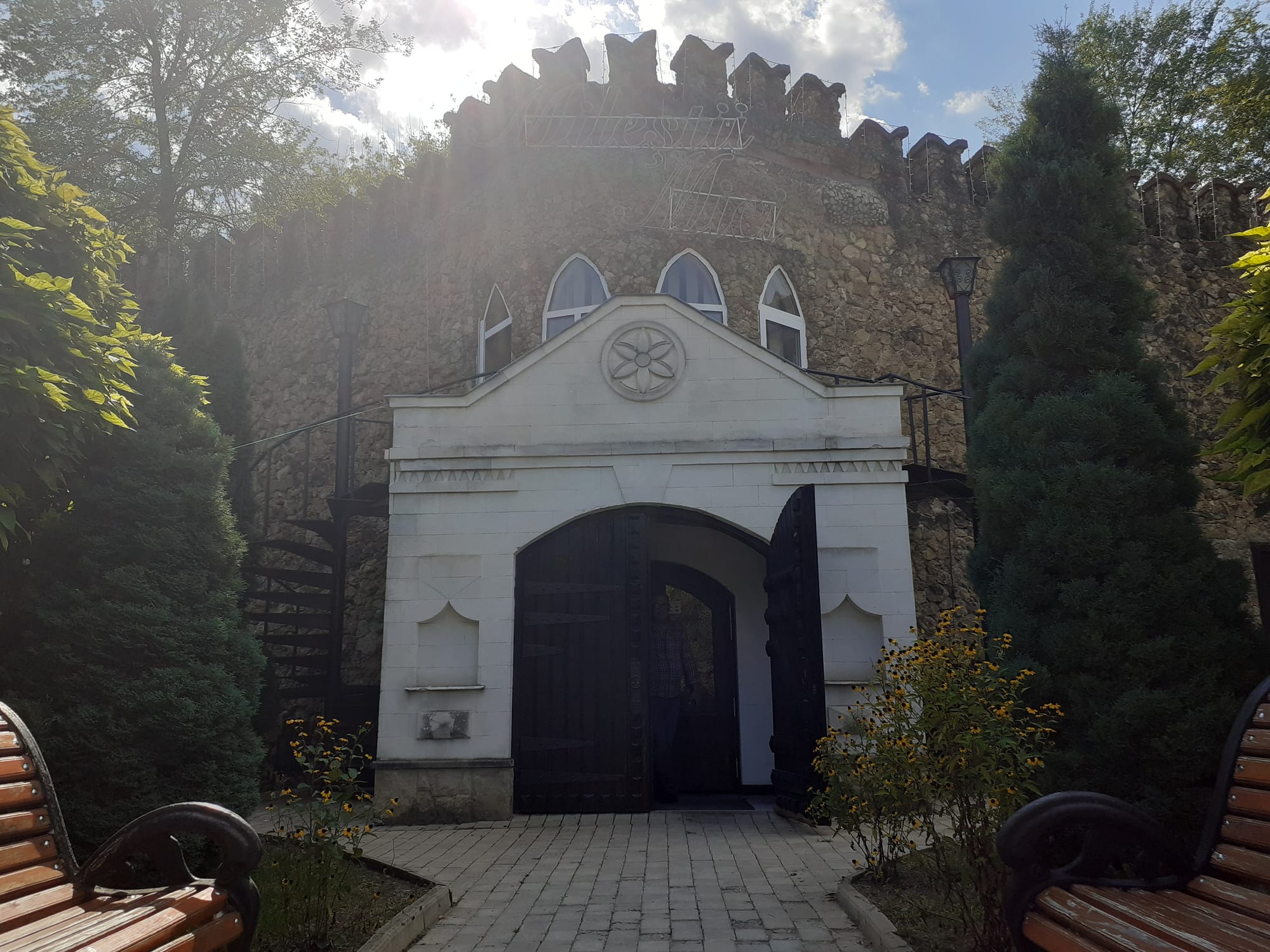
For much of its history, the village of Mileștii Mici lived partly on what lay under it. Locals extracted white stone from underground, and today several hundred kilometres of old extraction tunnels exist beneath the area. The ancient galleries stretch all the way to the edge of Chișinău.
The same story played out at Cricova, a town 15 kilometres north of the capital. Tunnels have existed under Cricova since the 15th century, when limestone was dug out to help build Chișinău, and several limestone mines near the town are still worked. In some branches of the Cricova cellars excavation has never stopped, so the wine city there is still growing.
Why old quarries make perfect cellars
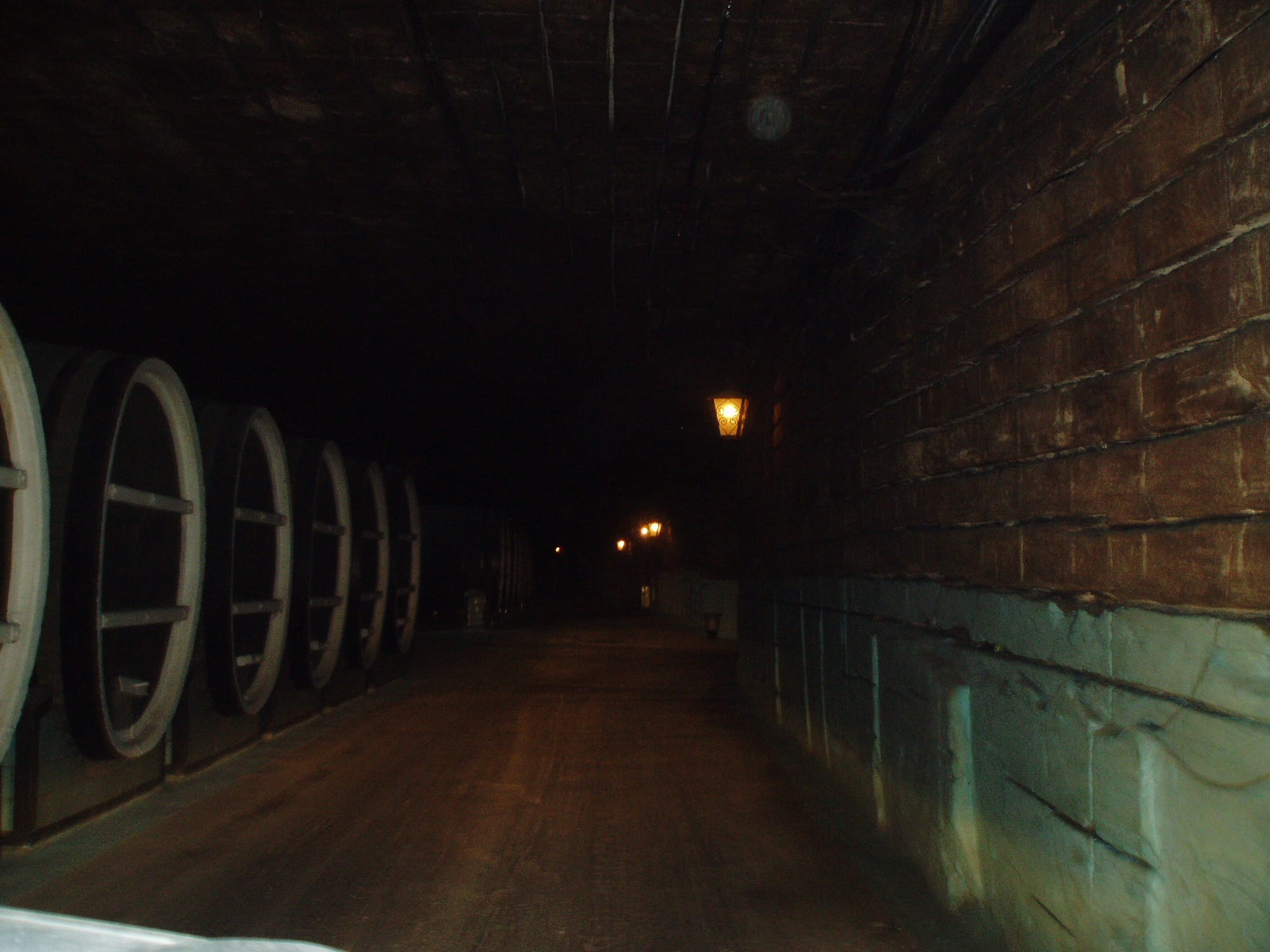
Deep limestone galleries give wine a cool, dark and unchanging home, conditions described at Cricova as the most favourable for developing and ageing fine wine. At Mileștii Mici the layer of rock above the tunnels is 30 to 85 metres thick, and the limestone holds the humidity at 85 to 95 per cent and the temperature at 12 to 14°C through summer and winter. At Cricova, where the galleries reach as deep as 100 metres underground, the temperature is kept at about 12°C all year round.
Under those conditions some red wines improve the longer they are kept, and certain wines at Mileștii Mici are cellared for several decades before they are sold.
How the Soviet era turned mines into a wine city
Moldova has made wine since the Middle Ages, but its modern industry was largely rebuilt under Soviet rule. Vineyards were replanted from the 1950s, and over 150,000 hectares went in within ten years, bringing the total to 220,000 hectares by 1960.
All that wine needed somewhere to rest. In 1952 Petru Ungureanu and Nicolae Sobolev proposed using Cricova's old stone-quarry tunnels as wine stores, and the first wines were bottled underground there in 1955. At Mileștii Mici a state wine complex was founded in 1969 specifically to store, preserve and mature high-quality wines in the galleries, and its wines date from the 1969 harvest onwards.
- 15th century
Limestone quarrying begins beneath Cricova to build Chișinău.
- 1952
A plan is put forward to store wine in Cricova's quarry tunnels.
- 1955
The first wines are bottled in the Cricova galleries.
- 1969
The Mileștii Mici wine complex is founded in the local galleries.
- 2003
Moldova's parliament declares the Cricova complex national cultural heritage.
- August 2005
Guinness World Records registers Mileștii Mici as the world's largest wine collection.
Streets named after grapes
Inside, the galleries are laid out like an underground town. At Mileștii Mici the lantern-lit passages carry names such as Cabernet, Aligote and Fetească, and visitors explore them on foot or by underground transport. Of the roughly 200 kilometres of galleries, about 55 kilometres, covering some 182,000 square metres, are used for wine.
The complex holds nearly 2 million bottles. More than 70 per cent are red, about 20 per cent white and around 10 per cent dessert wines, and the most valuable, from the 1973 and 1974 vintages, are worth around €480 a bottle.
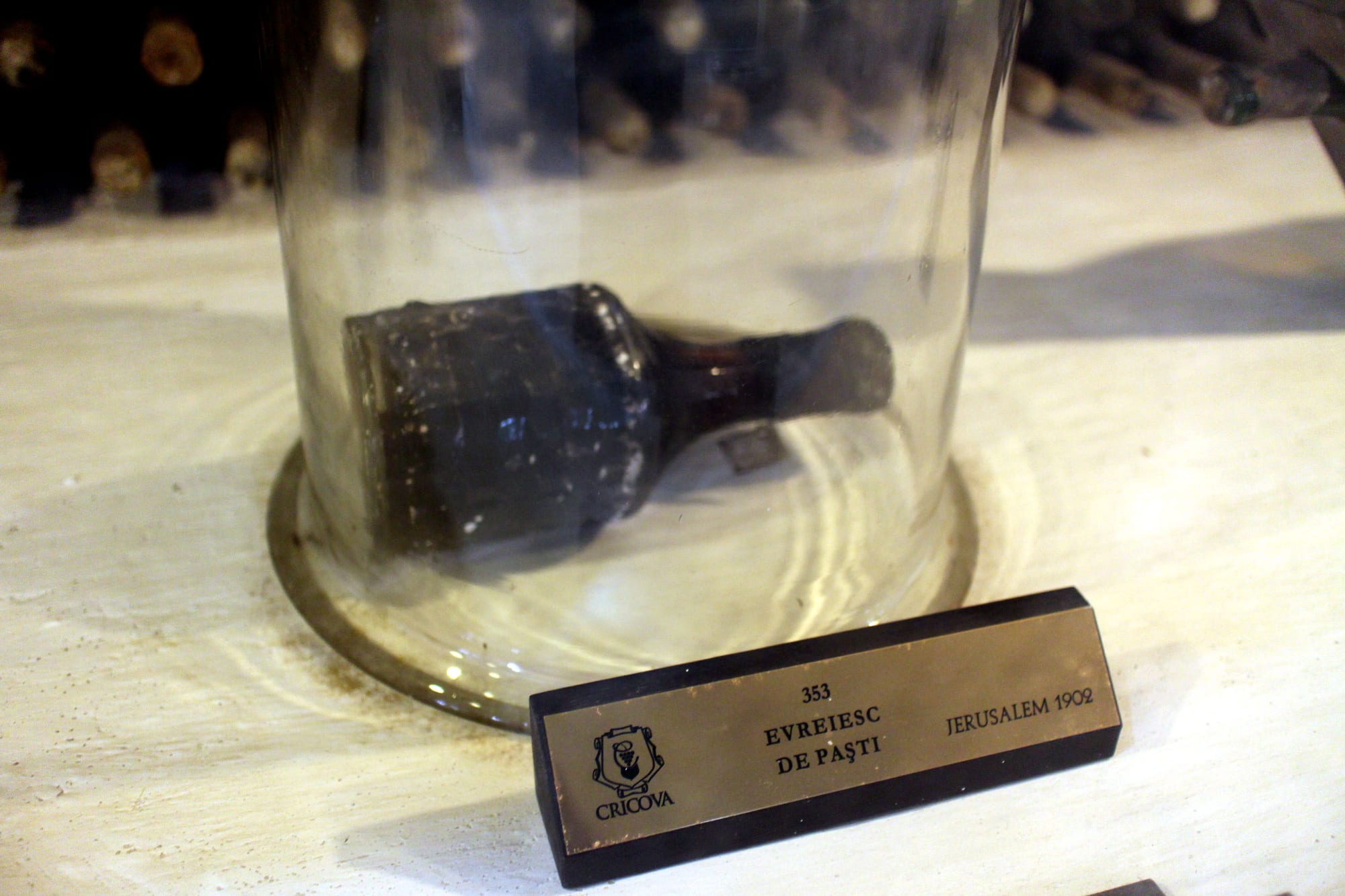
Cricova, the second-largest cellar in Moldova, has about 120 kilometres of roadways, half of them used for storage, and its streets are named after the wines they hold. It keeps about 1.25 million bottles, the oldest dating from 1902, and over the years it has added electric trains to carry visitors (2012), an underground cinema (2015) and an underground church (2019). The maze has its own folklore too: legend has it that the cosmonaut Yuri Gagarin went into the cellars in 1966 and re-emerged, with some assistance, two days later.
Wine, Moldova's calling card
The cellars matter because wine matters so much to Moldova. The country has about 148,500 hectares of vineyards and, with around 2 million hectolitres a year as of 2018, is the 11th-largest wine producer in Europe. For a long time Russia bought most of it, taking about 80 per cent of Moldova's wine exports until a Russian ban in 2006 hit the industry hard. A second ban followed in 2013, when Moldova moved towards an association agreement with the European Union, but by then producers had found new markets. In 2022, 260 wineries were exporting to 75 countries, with 60 per cent of the wine produced going to the European Union.