History · Equatorial Guinea
Why is Equatorial Guinea the only Spanish-speaking country in Africa?
A 1778 swap of land in South America handed Spain a corner of Central Africa, and nearly two centuries of rule made Spanish the one language everyone shares.
By Globeway Editorial · 2 November 2026
The short answer
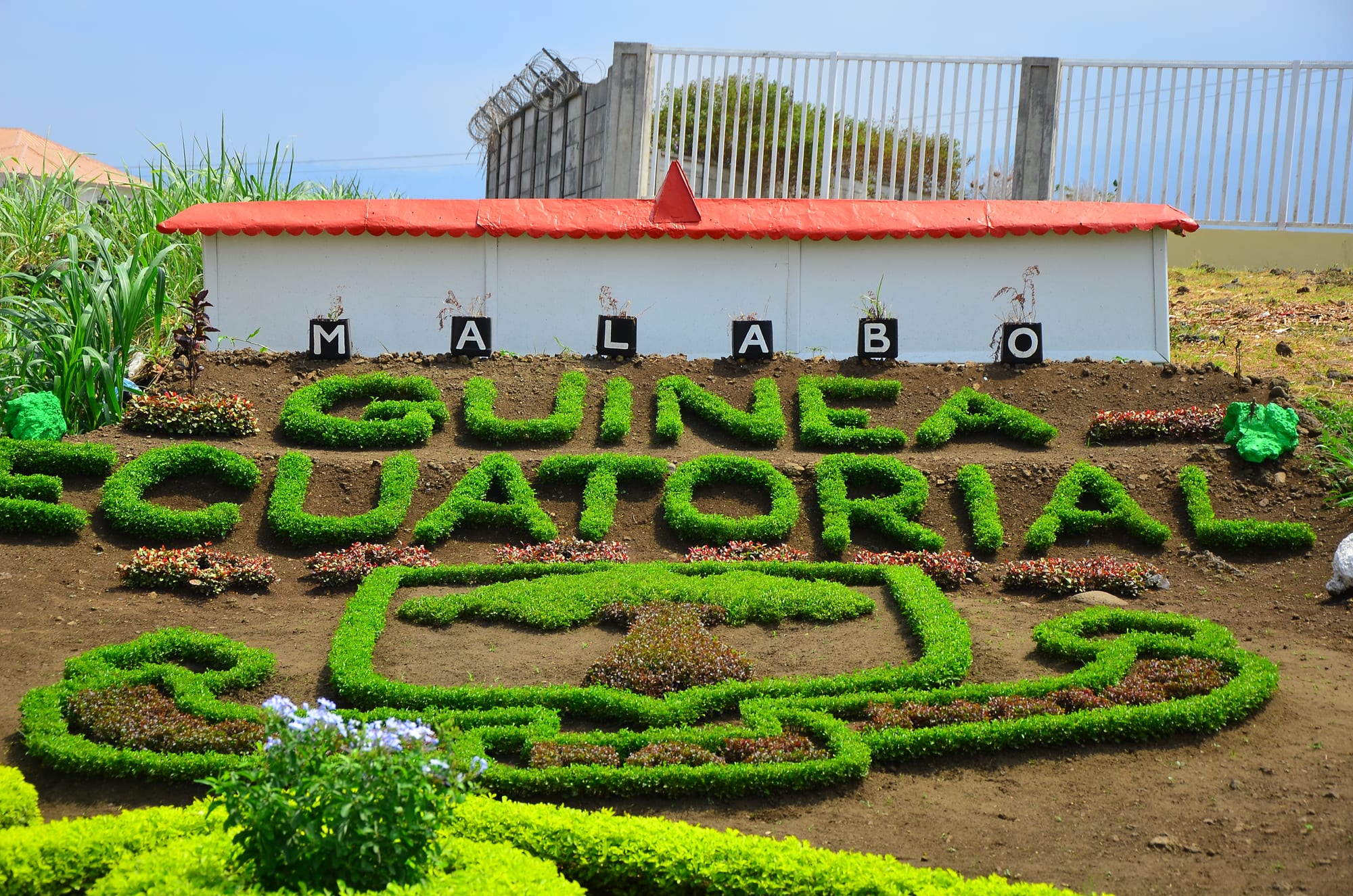
Equatorial Guinea speaks Spanish because Spain ruled it for nearly two centuries. In 1778, under the Treaty of El Pardo, Portugal handed Spain the islands of Bioko and Annobón and a claim to the nearby mainland, in return for Spanish concessions in South America. Spain ruled the territory, known as Spanish Guinea, until 1968, and made Spanish the language of government and, above all, of the schools. In a country where the Fang, Bubi and other peoples each have their own language, Spanish became the one most people share.
The claim needs two small qualifications. Spanish is also spoken in Spain's own African territories, the Canary Islands, Ceuta and Melilla, and it is a secondary official language of the partially recognised Sahrawi Arab Democratic Republic, which claims Western Sahara. But Equatorial Guinea is the only sovereign country in Africa with Spanish as an official language. Even there, it is almost always a second language rather than a mother tongue.
A colony traded for South America
For three centuries this coast was Portuguese territory. Under the 1479 Treaty of Alcáçovas, Spain gave up its bases for trade on the West African coast, and its empire grew in the Americas instead. Bioko, then called Fernando Pó after the Portuguese explorer credited with sighting it in 1472, stayed Portuguese.
That changed because of a quarrel thousands of kilometres away. Spain and Portugal had long disputed the Río de la Plata region, on the border of today's Argentina, Uruguay and Brazil. The Treaty of El Pardo, signed on 11 March 1778, settled it: Portugal gave up Colonia del Sacramento, now in Uruguay, and the African islands, while Spain withdrew from lands now in southern Brazil. The islands gave Spain back bases for the Atlantic slave trade that it had surrendered in 1479. A Spanish naval officer formally took possession of Bioko on 21 October 1778.
Slow beginnings, then a lasting hold
Spanish rule started badly. The first expedition lost most of its men to disease, and for long periods Spain barely governed the islands. From 1827 to 1843 Britain used a base on Bioko to fight the slave trade, and on the eve of the First World War most of the island's Creole community, the Fernandinos, were English-speaking Protestants, with pidgin English as the island's common tongue. Spain also lost most of the mainland it claimed: under the Treaty of Paris in 1900 it kept only Río Muni, about 26,000 square kilometres of the 300,000 it had once claimed, with the rest going to France.
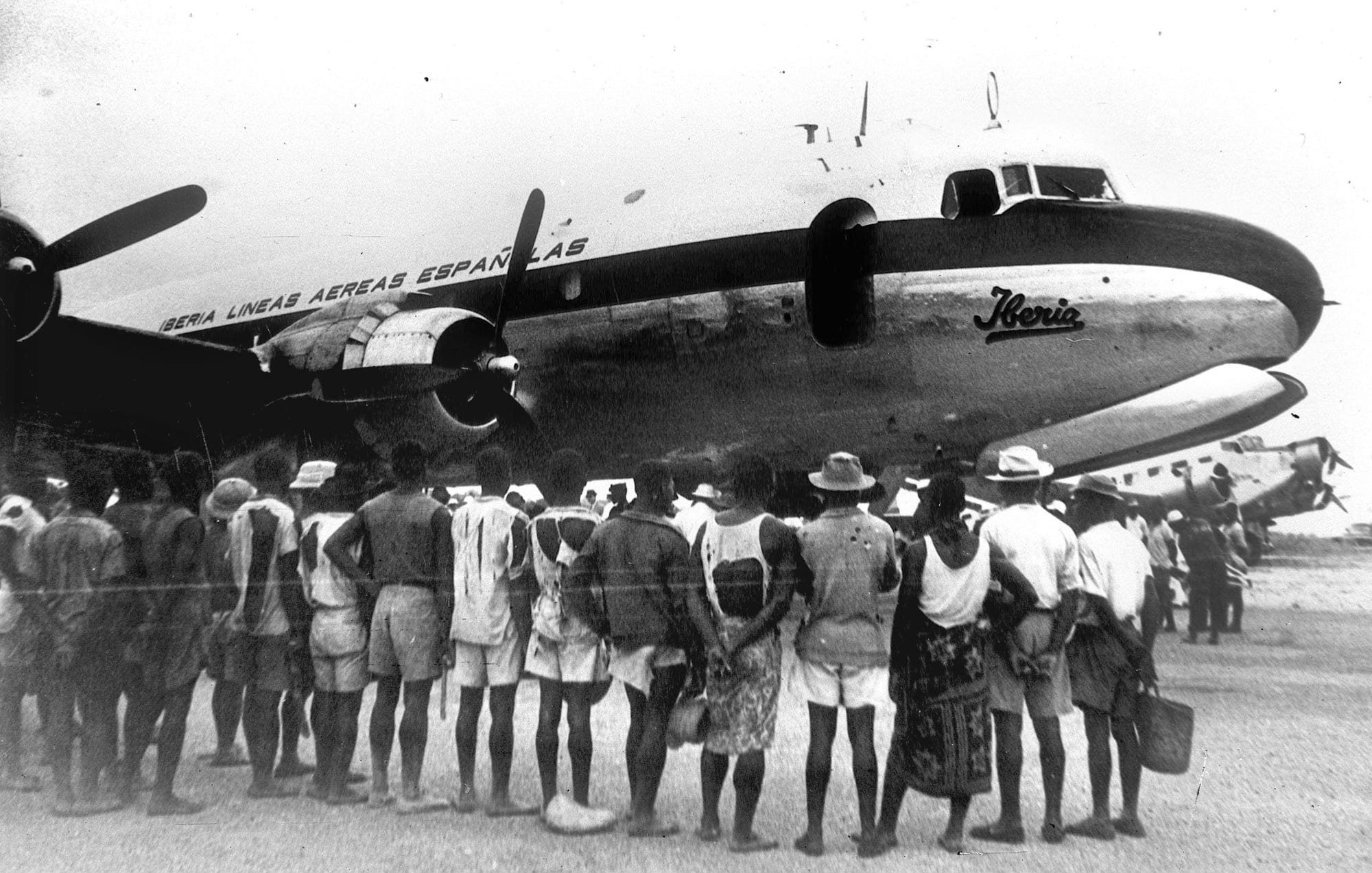
In the twentieth century Spain's presence deepened. Bioko and Río Muni were united as the colony of Spanish Guinea between 1926 and 1959. Catholic missions and Spanish-run schools spread the language through the territory. In 1959 the territory was split into two Spanish provinces and its people declared to have equal rights with Spaniards. By the end of colonial rule the literacy rate had reached 89 per cent, one of the highest in sub-Saharan Africa, and literacy meant literacy in Spanish.
Why Spanish stuck after 1968
Spain granted independence on 12 October 1968, and Francisco Macías Nguema became president. His rule turned brutal, and from 1970 he imposed Fang, the language of the largest ethnic group and his own, in place of Spanish as the main language of government, although Fang never became official. In 1973 he renamed the capital, Santa Isabel, as Malabo, part of a campaign to replace European place names with African ones. After Macías was overthrown in 1979 by his nephew, Teodoro Obiang Nguema Mbasogo, who still holds power, Spanish regained its place.
It survived because it does a job no other language can. The Fang make up the large majority of the population, but the Bubi of Bioko, the coastal Ndowe peoples and the Portuguese creole speakers of Annobón all have languages of their own. Spanish is the common ground between them, and it remains the language of education and administration. Estimates of how many people speak it range from about two-thirds to nearly nine in ten, but only a small minority, mostly in the cities, grow up speaking it at home. The local variety, influenced by Bantu languages and closer to the Spanish of Spain than of Latin America, has its own Equatoguinean Academy of the Spanish Language.
Three official languages, one shared tongue
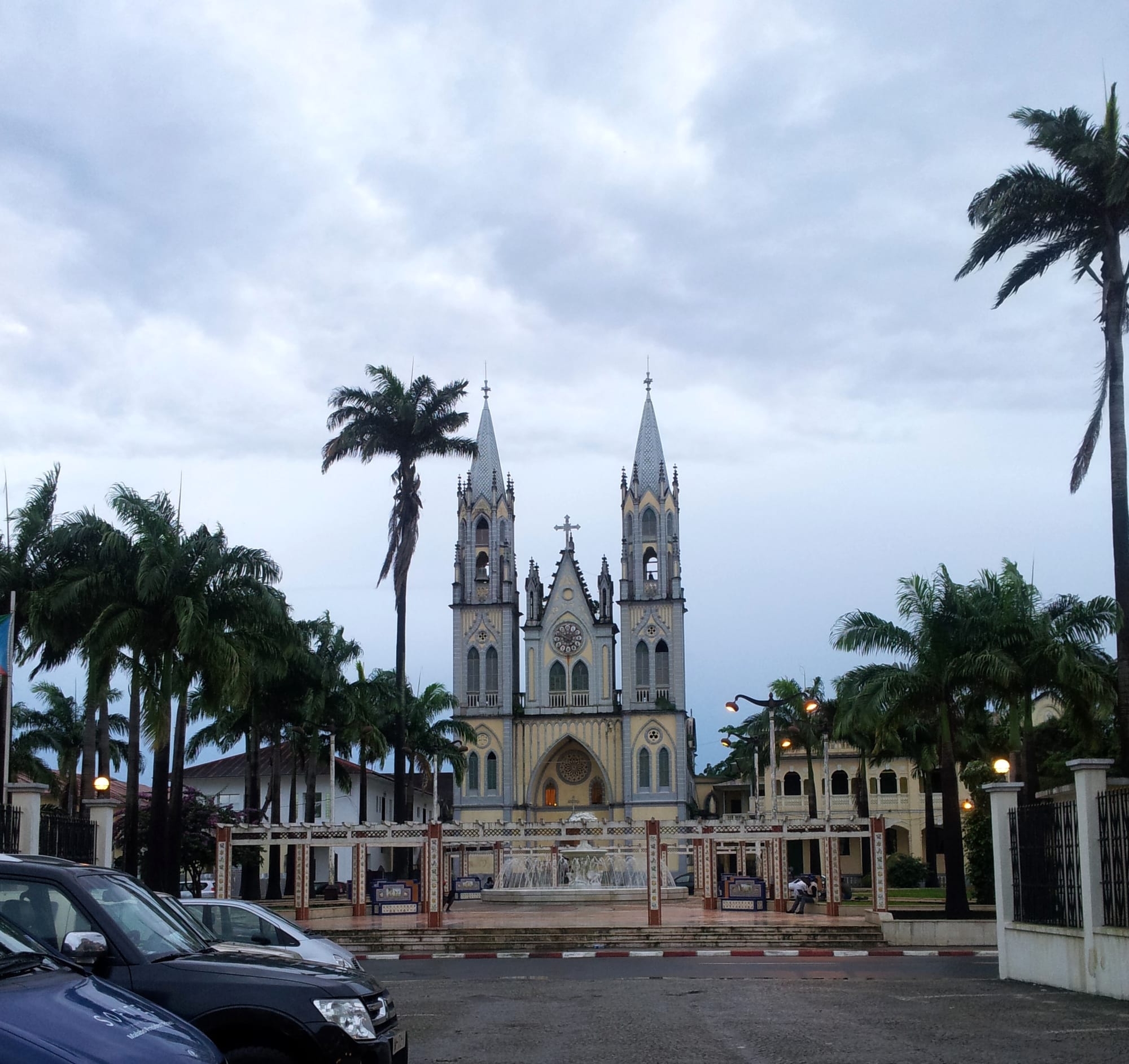
Equatorial Guinea has since added two more official languages, both for diplomatic reasons. French came in 1998, after the country joined the Economic and Monetary Community of Central Africa, whose founding members are French-speaking, and to join the Francophonie. Portuguese followed in 2010, a requirement for joining the Community of Portuguese Language Countries, which admitted it in 2014. Neither is widely spoken: French mainly in some border towns, and Portuguese among the people of Annobón, whose creole is Portuguese-based, and as a church language among some Catholics.
Spanish, meanwhile, remains the language of the schools and the state. It is a reminder that a deal struck over a river in South America in 1778 still shapes daily life in Central Africa today.
- 1472: the Portuguese explorer Fernando Pó sights Bioko
- 1778: the Treaty of El Pardo passes the islands and a mainland claim to Spain
- 1827–1843: Britain runs an anti-slavery base on Bioko
- 1900: the Treaty of Paris leaves Spain only Río Muni on the mainland
- 1968: independence on 12 October under Francisco Macías Nguema
- 1970: Macías begins imposing Fang in place of Spanish in government
- 1979: Macías is overthrown and Spanish regains its place
- 1998 and 2010: French and then Portuguese become official too