Culture & Customs · Zimbabwe
Zimbabwe: Two Claps and a Bended Knee
Churches full on Sunday and ancestors honoured at home, a greeting of cupped hands and lowered bodies, and a culture of mbira music, stone sculpture and deep respect for age
By Globeway Editorial · 30 September 2026
Two people meet on a path and shake hands, firmly and for rather longer than a visitor might expect. Then comes the part that newcomers notice most: one of them claps twice, hands cupped so that the sound is soft and hollow, and asks "Makadii?", how are you? The other answers with two claps of their own. If one of them is much older, the younger may lower their body, bend a knee or kneel for a moment as they greet. Only after each has asked after the other's health and family does the conversation move on. In Zimbabwe, this small ritual carries a large idea: that good character is shown above all through respect, for elders, for family and for the ancestors who are believed to watch over both.
Faith, identity and values
Zimbabwe is a strongly Christian country. According to the government's 2022 Demographic and Health Survey, cited by the US State Department, around 85 per cent of the population is Christian. The largest group by far is the Apostolic churches, with about 40 per cent of the population, followed by Pentecostal churches with 17 per cent, other Protestant churches with about 14 per cent and the Roman Catholic Church with about 6 per cent. Most of the rest report no religious affiliation, and smaller numbers follow traditional beliefs alone or Islam. Apostolic congregations, whose members are known as vapostori, are among the most visible expressions of faith, and some of these churches blend Christian and traditional practice.
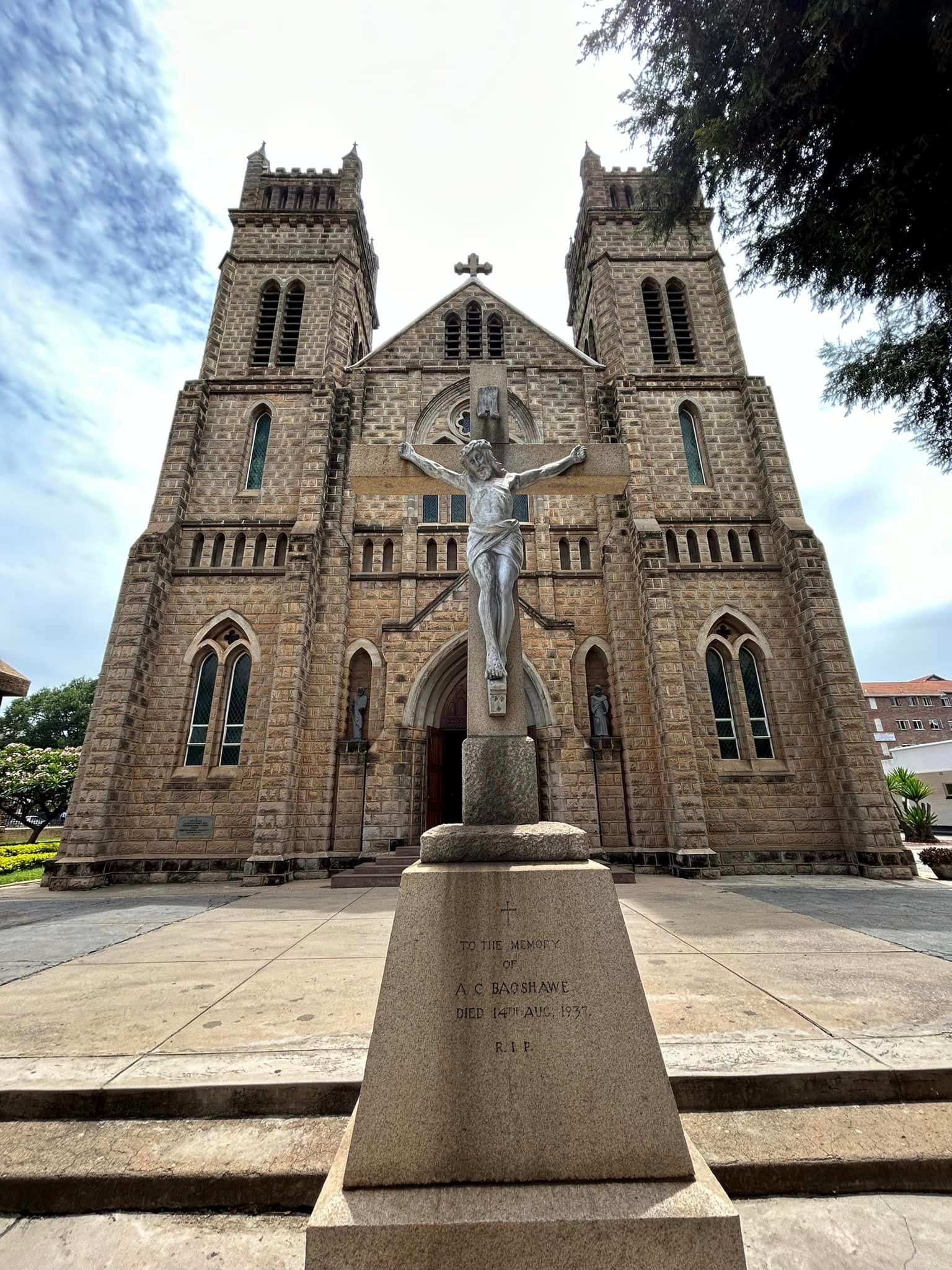
Beneath church membership lies an older world view that many people still share. Both Shona and Ndebele tradition recognise a supreme creator, called Mwari in Shona and uMlimu in Ndebele, and there is a widespread belief that the spirits of the ancestors continue to live within the community, influencing health, harvests and fortune. Spirit mediums and traditional healers, known as n'anga, are consulted to communicate with the ancestors and to seek guidance on illness or misfortune, and many events in life are understood to have causes in the spirit world.
Identity is layered. Around four in five Zimbabweans are Shona and roughly one in seven Ndebele, alongside smaller peoples including the Venda, Tonga and Shangani, and the country recognises sixteen official languages. Most Shona Zimbabweans also have a totem, or mutupo, usually an animal, inherited through the father's line and marking a person's lineage. Someone who does not know their totem is said to be "lost", since they do not know who they are, and people who share a totem traditionally should not marry. The values that hold all this together are expressed in the Shona word hunhu and the Ndebele ubuntu: the essence of being a good, humane person, shown through respect for elders, obedience to parents and authority, self-control and patience. Age confers standing, older people are presumed to be wiser, and contradicting an elder is a serious breach of manners.
Greetings and meeting people
Greetings follow the order of age, with elders greeted first, and they are always followed by questions about the other person's well-being before anything else is discussed. The handshake is firm, made with the right hand, and some people slide their grip to clasp each other's thumbs partway through. The clapped greeting follows it on more formal occasions. Men clap with flat palms and fingers together, while women clap with their hands held at an angle to each other; both keep the hands slightly cupped to make a soft, muffled sound. Clapping also serves as a way of saying thank you. In Ndebele, the usual greeting is salibonani, answered with yebo and followed by linjani, how are you?
Showing respect often involves lowering the body. Women may dip, curtsy or kneel briefly while shaking hands with an elder, and men may go down on one knee. It is polite to stand when someone enters a room, and to keep the head and body lower than those of an older or more senior person. First names are not used unless invited; titles such as Mr and Miss, followed by a surname, are the norm, and in rural areas parents are often addressed as "Mother of" or "Father of" followed by a child's name. Family and close friends greet each other more warmly, with hugs and pats on the back.
Communication tends to be indirect, and disagreement is more often shown through a cooler manner than through open criticism. Holding the gaze of an elder or senior person for long is considered disrespectful, and people look away from time to time as a sign of deference. An arm's length is the usual distance in conversation, and men and women generally keep a little apart; casual touching of a married woman by a man is unacceptable. Slouching or keeping hands in pockets while talking to someone signals poor manners, and sarcasm can easily be taken literally.
Hospitality and being a guest
A guest visiting a home usually brings a small gift, preferably food. Hats are removed on entering, and an offer of tea or coffee should be accepted, since refusing hospitality, or any gift, can cause real offence. Items are passed and received with both hands together, and when handing over something of value it is customary to touch the right forearm with the left hand to show its importance.
At the table, water is brought for guests to wash their hands before and after the meal, and the host usually serves each person individually. Eating with the fingers is normal. Good manners mean not speaking with food in the mouth, keeping phones away from the table, and asking permission before getting up to leave. When a group eats out, the oldest or wealthiest man at the table is often expected to pay. Timekeeping is flexible, and lateness is common and rarely taken personally. Visitors should also expect friendly personal questions about their family, marriage and children, which are signs of interest rather than intrusion.
Dress is modest by many outside standards. Skirts and trousers are generally expected to reach the knee, and shoulders and midriffs are generally kept covered.
Festivals and life's big moments
The national calendar centres on the story of independence. Independence Day on 18 April marks the end of colonial rule in 1980 and is the main national celebration. Heroes' Day, on the second Monday of August, honours those who fought in the liberation war, and is followed by Defence Forces Day. Unity Day falls on 22 December, just before Christmas, which together with Easter is one of the busiest times of the year for churches and family gatherings.
Traditional ceremonies continue alongside the church calendar. The most important among the Shona is the bira, an all-night gathering at which members of an extended family call on their ancestral spirits for guidance and help. Musicians play at least two mbira dzavadzimu, the "mbira of the ancestors", with gourd rattles called hosho, and the favourite songs of the ancestors are performed to summon a spirit to possess a medium. Once the spirit has arrived, the family can speak with it and ask its advice, and beer brewed specially for the occasion is shared by all. Other ceremonies ask the ancestors for rain or mark the installation of a new chief.
Marriage is a union of two families as much as of two people. Zimbabwe recognises both civil and customary marriages, and customary unions usually involve roora in Shona or lobola in Ndebele, the gifts and payments made by the groom's family to the bride's. The groom does not approach the bride's family himself; instead a go-between, the munyai, a friend or relative, negotiates on his behalf from start to finish. The process moves through a series of stages, from small greeting fees to gifts for the bride's mother, the principal payment known as rusambo, traditionally made in cattle or goats and now often in cash, livestock for the bride's father, and new clothes for the in-laws. Roora is understood as an expression of gratitude to the bride's parents and a bond between the families, and many couples also hold a church wedding.
Funerals involve the whole extended family and community, and burial traditionally takes place around three days after a death. In Shona custom, a sahwira, a ritual friend of the family, helps prepare the body, and at the graveside relatives drop earth into the grave. The rites do not end with the burial. About a year later, families traditionally hold kurova guva, a ceremony that brings the spirit of the dead person home to guide and protect the living; until then, the deceased is regarded as separated from the family's ancestors. Relatives and neighbours gather at the grave, an animal is slaughtered, beer is brewed, and people sing and dance in memory of the dead.
Arts, crafts and music
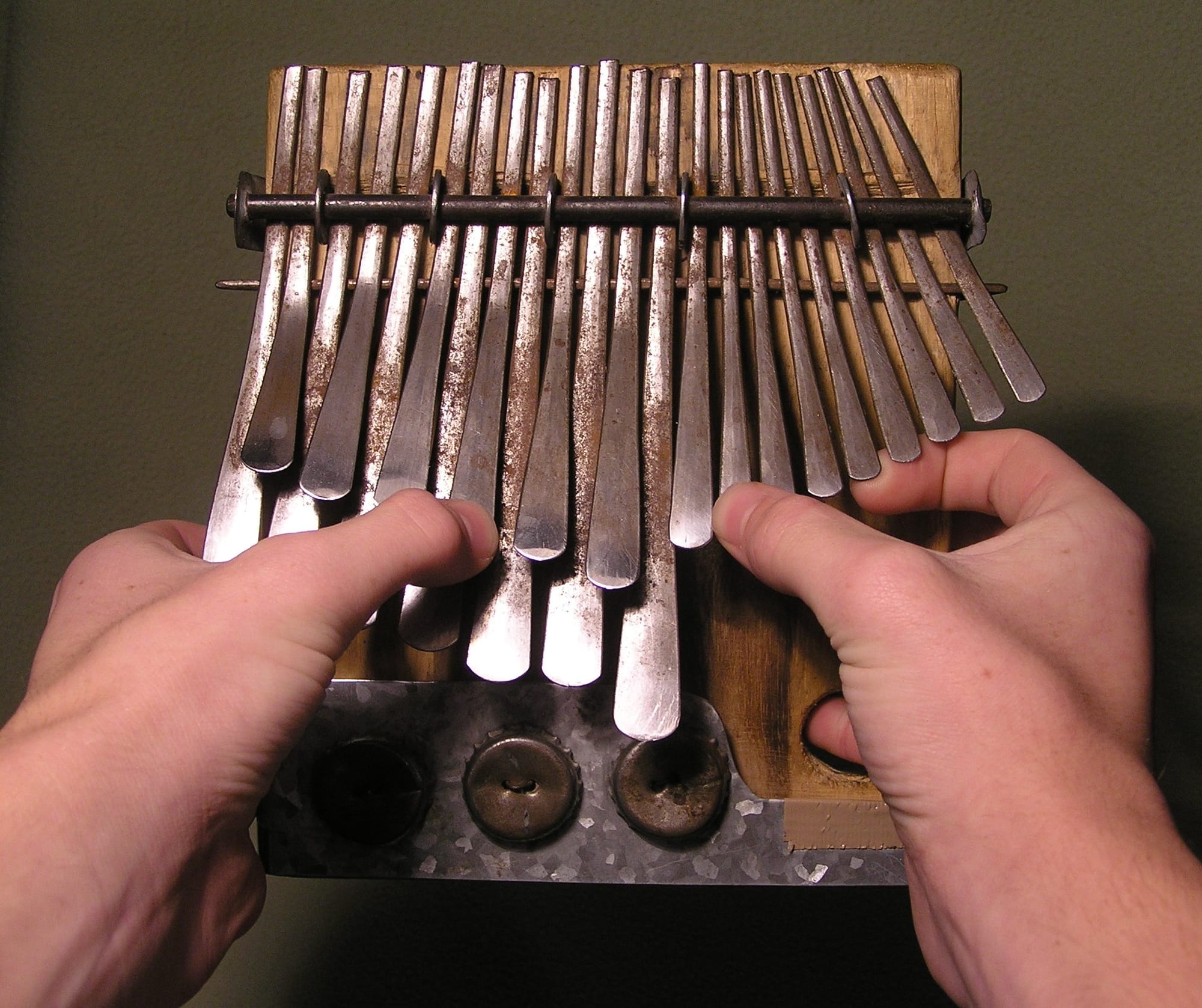
The mbira is Zimbabwe's signature instrument, and the art of making and playing it is on UNESCO's list of intangible cultural heritage, shared with Malawi. It consists of a wooden board with a row of metal keys, which are plucked with the thumbs and fingers, and it is sometimes set inside a calabash or wooden resonator to amplify the sound. Its music is cyclical, each repetition of a theme varying slightly from the last as interwoven melodies build up. The Shona are its best-known players, and it is heard at ceremonies and social occasions alike, with the skills of making and playing it passed on within families and by teachers.
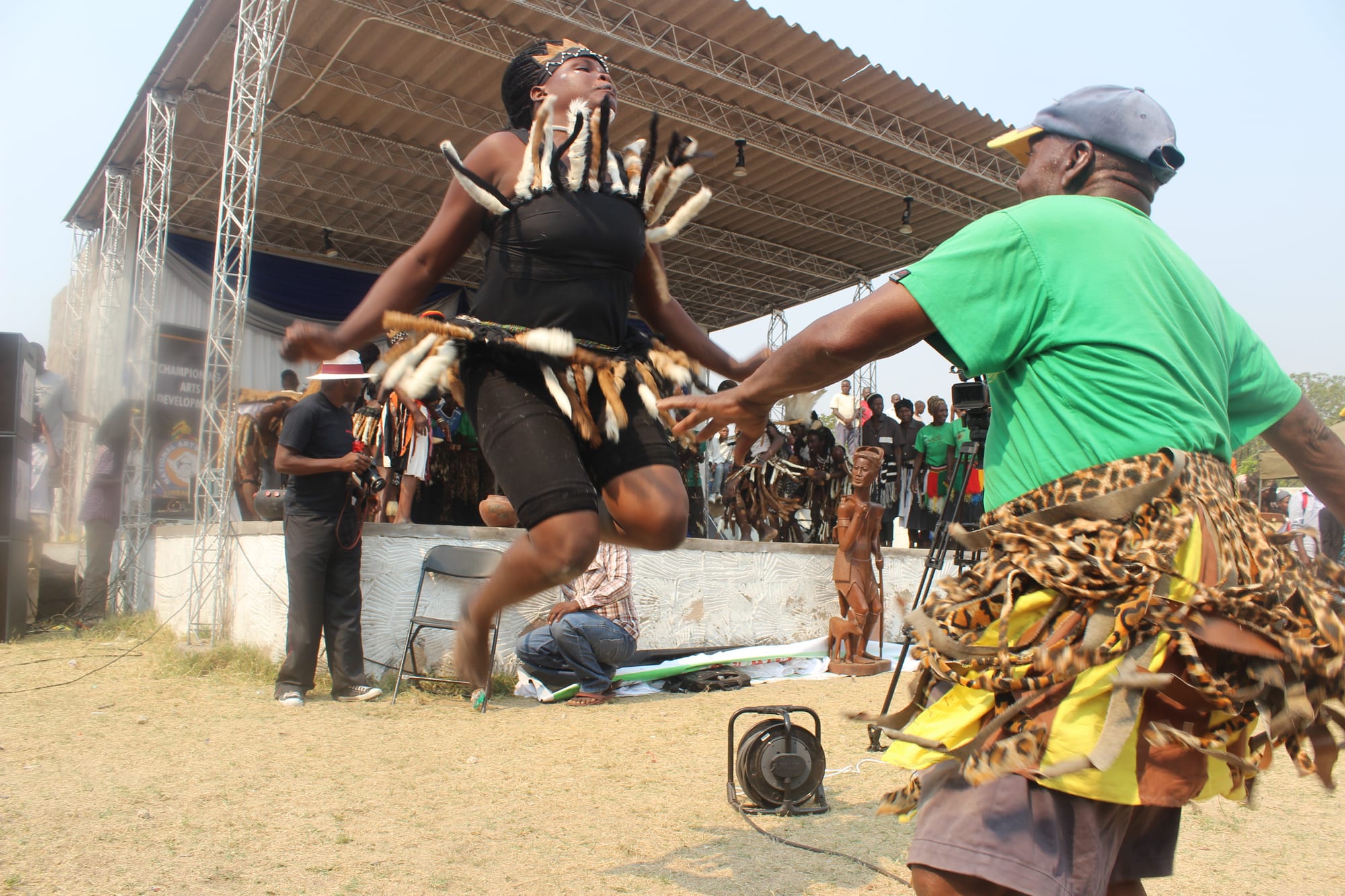
Dance is equally central. The Mbende Jerusarema dance, also on UNESCO's list, is performed by women and men with acrobatic movements to the rhythms of a single master drummer, accompanied by men beating woodblock clappers and women clapping, yodelling and blowing whistles. There are no songs or lyrics; instead, the men crouch and kick at the ground in imitation of a burrowing mole. Despite the missionaries' disapproval, the dance remained popular and became a source of pride and identity during the struggle against colonial rule. Popular music has its own strong following too, from sungura to gospel.
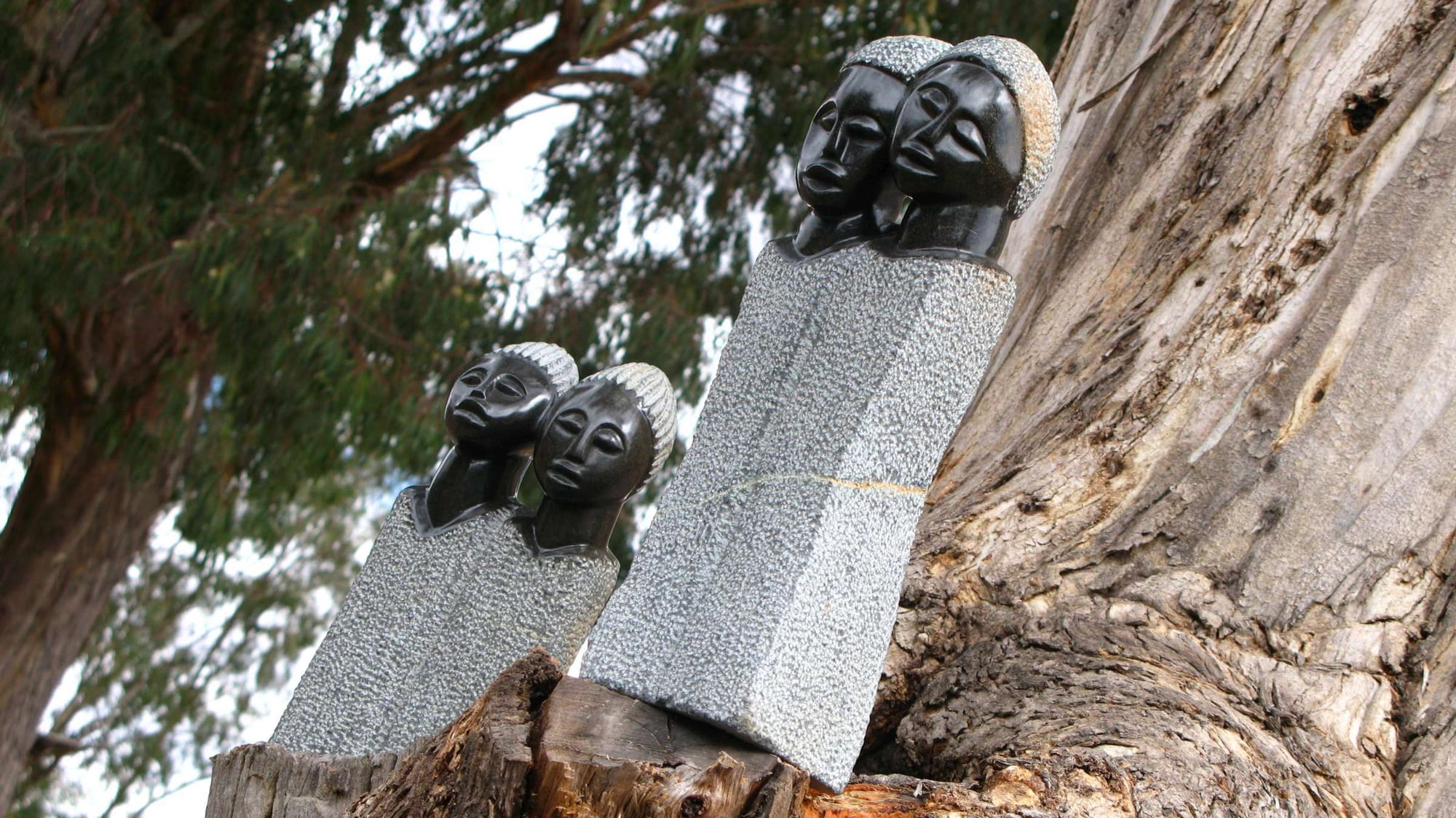
Zimbabwe's best-known visual art is stone sculpture. A modern movement grew up from the late 1950s, when Frank McEwen, the first director of the National Gallery, set up a workshop that encouraged local artists; sculptors such as Joram Mariga began moving away from soft soapstone towards harder stones. In 1966 the Tengenenge community was founded on a farm with a large deposit of hard serpentine, and it became home to many acclaimed carvers. Exhibitions at the Museum of Modern Art in New York in 1968 and the Musée Rodin in Paris in 1971 brought the work international recognition, and it remains widely collected abroad.
Dos and don'ts for visitors
- Do greet elders first, and follow every handshake with a question about the other person's health and family.
- Do give and receive things with both hands, and accept offers of tea, food or gifts rather than refusing.
- Do show deference to older people: avoid holding their gaze for long and never contradict them openly.
- Do dress modestly, with knees, shoulders and midriff covered.
- Don't photograph government offices, airports, military sites, police, demonstrations or the area around State House, which is illegal.
- Don't wear camouflage clothing, which is illegal for civilians.
- Don't make derogatory remarks about the President, which is a criminal offence, and avoid political gestures, slogans or party clothing.
- Don't buy anything made from protected wildlife.
What to take away
In Zimbabwe, respect is something performed as well as felt, in a clap, a lowered knee or a patient greeting, and visitors who make the effort to show it will find that small gestures open a great many doors.