💰 Budget
There is no tourist economy in Mbandaka. A handful of basic hotels and mission guesthouses price rooms in US dollars, market food is cheap, and the real expense is transport — the flight from Kinshasa, fuel, and any boat hired on the river. Cash machines are unreliable.
- Daily Budget Midrange
- USD 100–250 (basic hotel, meals, local transport), with boat charters and flights on top
- Daily Budget Shoestring
- USD 40–80 (simple guesthouse room, market food, motorbike taxis)
Carry clean, unmarked US dollar notes for the whole stay, in small denominations as well as large.
📅 Best Time to Visit
The equator gives Mbandaka no real dry season, so the choice is between shades of wet. The slightly drier weeks around December to February and in June and July make the unpaved streets easier, while high water after the heavy rains suits navigation on the Ruki and the smaller channels.
⏳ Suggested Number of Days
The city itself is small enough to see in a day or two. Longer stays are shaped by the river: anything involving a boat, the lakes or the forest adds days, and departures depend on flights and barge movements rather than any timetable.
- First Visit
- 1–2 days
- With Surroundings
- 3–4 days
🚆 Transportation
Movement in town is on foot, by motorbike taxi and by shared pickup on largely unpaved roads. There is no public transport network as such. Beyond the city the river is the road: pirogues, motorised boats and the long barge convoys that take days or weeks to reach Kinshasa.
River boats are frequently overloaded and accidents are common; never board a vessel that looks overcrowded, and agree motorbike-taxi fares before setting off.
🛬 Airport & Station Connections
Almost everyone arrives by air or by water. Mbandaka Airport, a short drive from the centre, has flights to Kinshasa, though schedules change often. The alternative is the Congo River itself, upstream from Kinshasa by barge, a journey of many days with no fixed departure. Roads into the city are poor and often impassable in the rains.
🚶 Walkability
The old centre is flat, low-built and easy to cross on foot, with the port, the cathedral and the main market within a walk of one another. Pavements are patchy, the streets are dust or mud according to the weather, and heat and humidity make walking slow by the middle of the day.
🛡️ Safety
Equateur is far from the war in the east and Mbandaka is generally calmer than the eastern cities, but policing and health care are thin. Petty theft, demands from officials at checkpoints, and boat accidents on the rivers are the practical risks, and Ebola outbreaks have reached the Mbandaka area more than once.
Most governments advise caution throughout the DR Congo; travel here should be organised with a reliable local contact, with evacuation and medical cover arranged. Carry photocopies of documents, avoid photographing the port, airport or officials, and take malaria precautions seriously. Check current official travel advice before travelling.
🌦️ Climate
Fully equatorial: hot, humid and wet through the year, with rain peaking around March to May and again from September to November. Temperatures vary little between months, and heavy afternoon downpours are the normal pattern rather than the exception.
- Summer
- hot and humid, generally about 22–32°C, with frequent heavy rain
- Winter
- much the same, about 21–31°C, with slightly drier spells around December to February and in mid-year
🤝 Local Customs
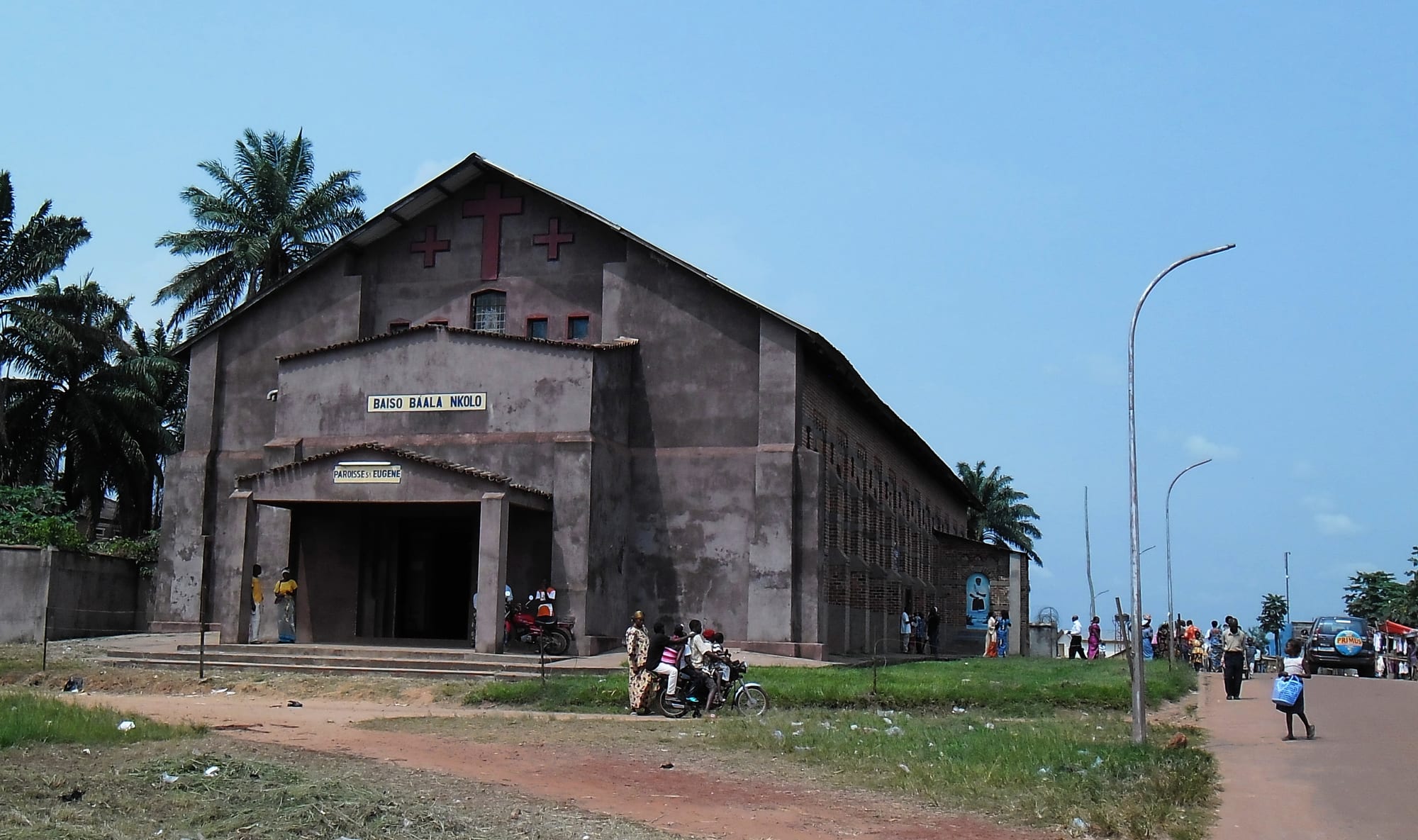
Lingala is the language of the street and French the language of offices and schooling; a greeting in Lingala is well received. Church attendance is high and Sunday is quiet in the mornings and busy afterwards. Dress is modest and neat, and elders are greeted first.
Ask before photographing people, and do not photograph the port, bridges, airport, soldiers or government buildings. Tipping is not customary, though small sums for help with luggage or a boat are usual.
💳 Common Payment Methods
The currency is the Congolese franc, but US dollars are used for hotels, transport and anything substantial, and are often preferred. Cards are of almost no use and cash machines are few and unreliable, so bring enough cash for the whole visit in clean, undamaged notes.