💰 Budget
Pontianak is one of the cheaper provincial capitals in Indonesia. Hotels, warung meals and local transport all cost little, and eating well is inexpensive. Costs rise only if a trip up the Kapuas or out to Danau Sentarum is arranged, where boats, guides and fuel are charged per party, or if flights within Kalimantan are added.
- Daily Budget Midrange
- USD 50–110 (mid-range hotel in the centre, restaurant meals, taxis, a day trip by car)
- Daily Budget Shoestring
- USD 20–35 (simple hotel, warung and coffee-shop meals, angkot minibuses and ride-hailing motorbikes)
Cash is needed for markets, ferries and anything upriver; withdraw it in the city, as ATMs thin out quickly beyond it.
📅 Best Time to Visit
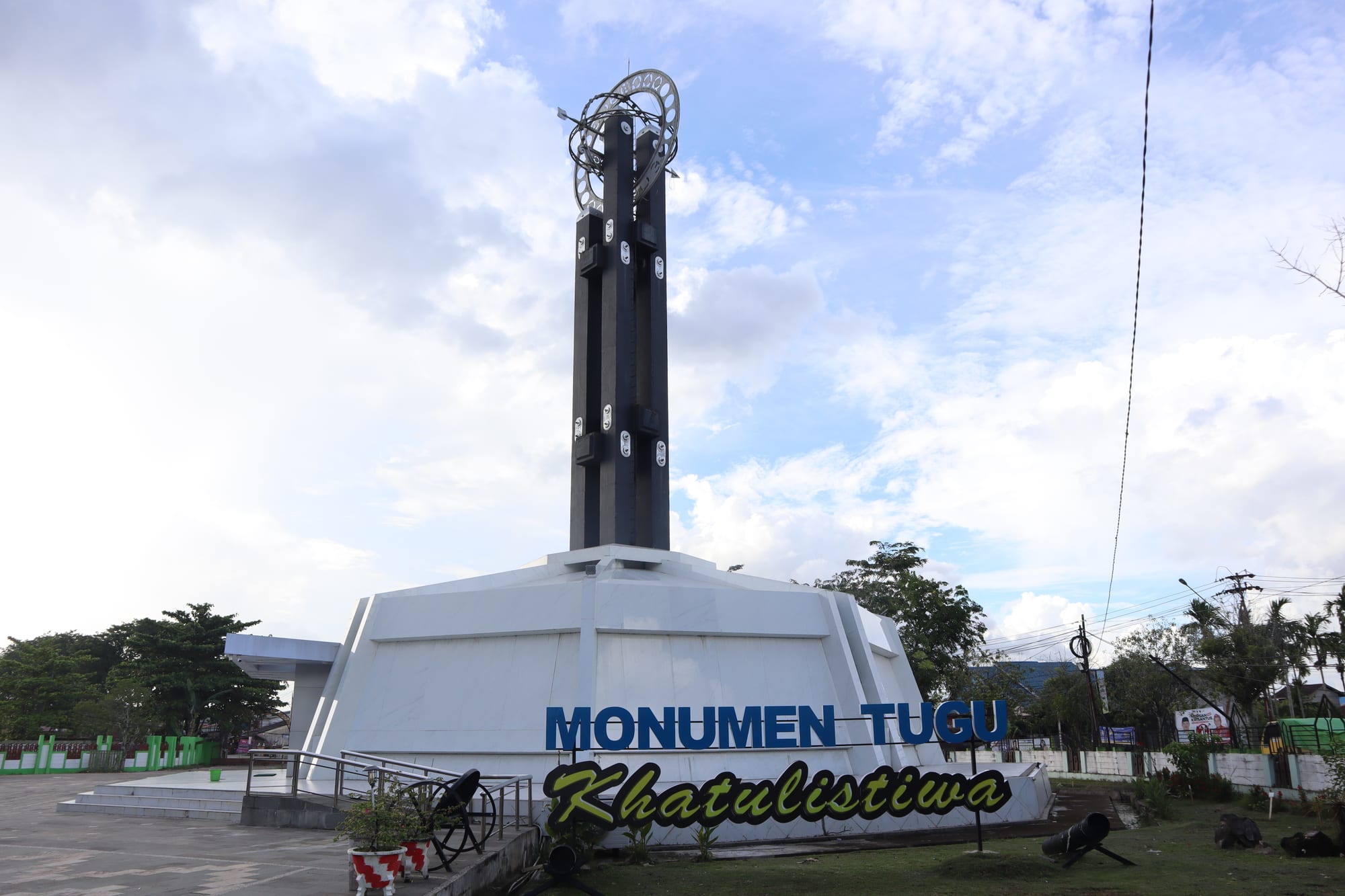
June to September is the driest and easiest time, with lower rivers and fewer storms, though the dry season can bring haze in years when peatland fires burn. The equinox gatherings at the Equator Monument fall in March and September. Chinese New Year and Cap Go Meh, in January or February, fill the city and the road north to Singkawang, and hotels are scarce then.
⏳ Suggested Number of Days
Two days cover the city, the river and the monument. Three to five allow the coast to the north or a journey up the Kapuas, which is slow in both directions. River trips depend on water levels and add unpredictable time.
- First Visit
- 2 days
- With Surroundings
- 3–5 days
🚆 Transportation
Ride-hailing motorbikes and cars are the usual way to move around, with angkot minibuses on fixed routes and taxis at the airport and hotels. Small wooden ferries cross the Kapuas to the old sultanate quarter for a few thousand rupiah, faster than driving round by the bridges, which carry heavy traffic. Buses leave for Singkawang, the interior and across the border to Kuching in Malaysian Sarawak.
The Kapuas bridges are the city's bottleneck; crossing by passenger ferry is often quicker in the rush hour.
🛬 Airport & Station Connections
Supadio International Airport is about 17 km south of the centre in Kubu Raya, some 30 to 45 minutes away by road, with flights to Jakarta and other Indonesian cities. Long-distance buses run north along the coast and east into the interior, and the international route to Kuching in Sarawak takes most of a day. Ships and ferries call at the river port.
🚶 Walkability
The centre around Jalan Gajah Mada and the riverside square is walkable in the evening, when the heat drops and the food stalls open, and the old quarter across the river is best seen on foot. Otherwise pavements are broken or missing, canals and bridges force long detours, and the equatorial humidity makes any distance hard work. Most residents ride rather than walk.
🛡️ Safety
Pontianak is generally safe, with petty theft, particularly phone and bag snatching from motorbikes, the main concern. Traffic is the real hazard. River currents are strong and boats are sometimes overloaded. Dengue is present year-round, and smoke haze in bad fire years can affect people with breathing problems.
Wear a helmet and only ride a scooter if experienced, avoid cheap cocktails and home-brewed spirits, dress modestly outside Bali and beach resorts, and heed volcano exclusion zones and tsunami warnings. Check current official travel advice before travelling.
🌦️ Climate
The equator runs through the city, so day length and temperature hardly change across the year: hot, humid and rainy in every month, with the sun close to vertical at midday. Rain usually arrives as heavy afternoon or night-time storms.
- Summer
- the drier months, June–September: about 31–33°C by day and 23–24°C at night, with haze possible in bad fire years
- Winter
- the wetter months, October–March: about 30–32°C, extremely humid, with frequent downpours and local flooding
🤝 Local Customs
The city is roughly half Muslim Malay and heavily Chinese, with Dayak communities as well, and the three coexist openly — mosques, temples and churches stand within a few streets of each other. Modest dress is expected in public, and required at mosques. Chinese dialects are widely spoken in the shops, alongside Indonesian and Malay. Alcohol is available in Chinese restaurants and some bars but is not part of Malay social life.
Tipping is not expected; take off shoes when entering homes and prayer halls, and ask before photographing people at temples or markets.
💳 Common Payment Methods
The currency is the Indonesian rupiah. Cards are accepted in hotels, malls and larger restaurants, QR code payment is common in the city, and cash is needed everywhere else, including ferries, markets and coffee shops. ATMs are plentiful in the centre.