💰 Budget
Saltillo is cheaper than Monterrey, with business hotels serving the car industry and plenty of inexpensive street food, bakeries and simple restaurants. Most museums and churches are close together in the centre, so local transport costs are small; the canyons and mountains outside town need a car or a tour.
- Daily Budget Midrange
- USD 90–160 (business hotel, restaurants, museum tickets, taxis)
- Daily Budget Shoestring
- USD 35–55 (budget hotel, street food and bakeries, city buses and taxis)
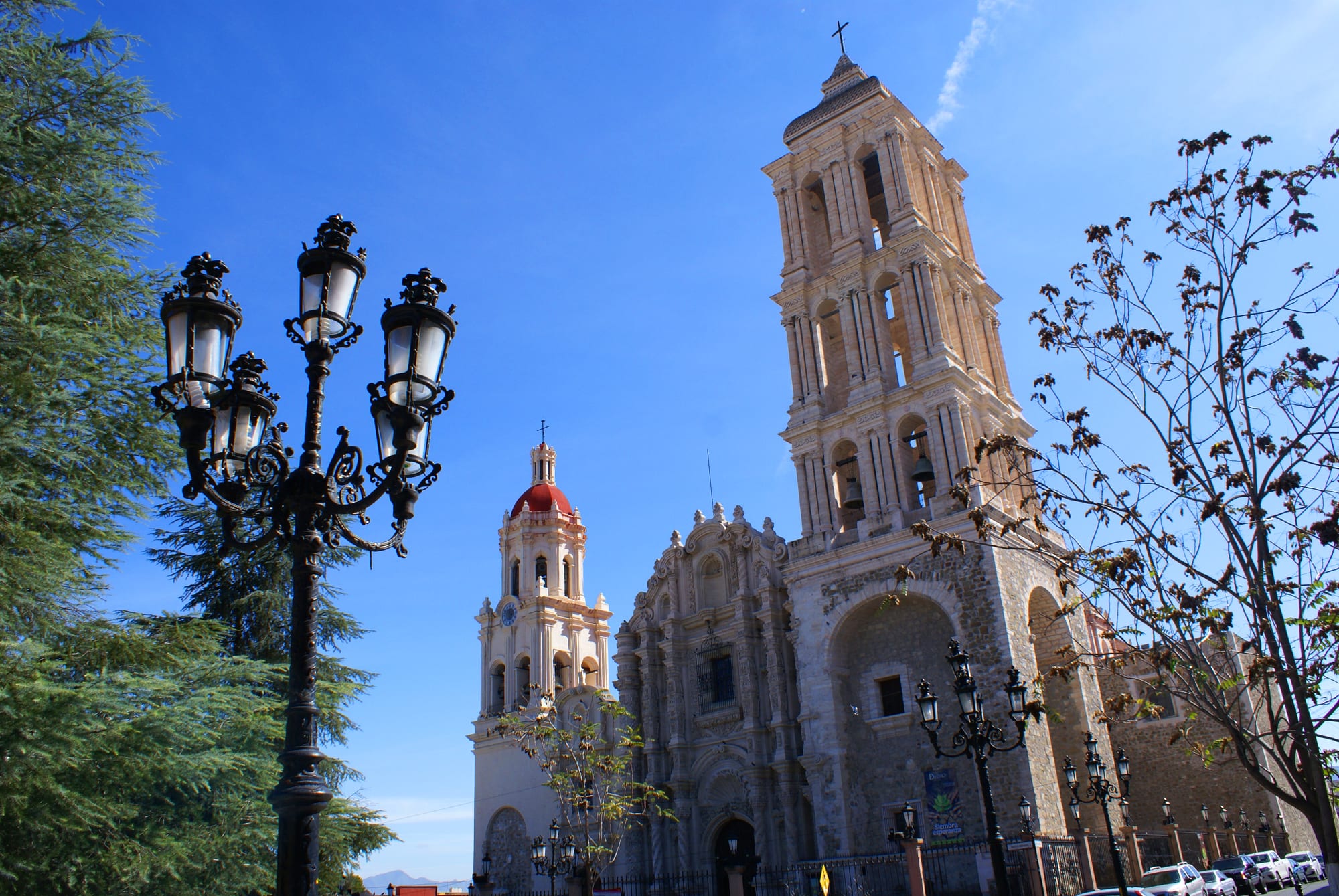
Weekday hotel rates reflect business demand; the Plaza de Armas, the cathedral and the Alameda cost nothing to visit.
📅 Best Time to Visit
October to April suits most visits, with sunny, cool days, though cold fronts can bring frost and, in some years, snow. Summer is warm rather than hot thanks to the altitude, with most of the year's little rain, and July and August bring the city's festival and fair.
⏳ Suggested Number of Days
One or two days are enough for the centre and the main museums. Three or four allow time for the mountains and canyons around the city or for combining Saltillo with Monterrey or Parras, which most visitors reach by road.
- First Visit
- 1–2 days
- With Surroundings
- 3–4 days
🚆 Transportation
The city has a comprehensive bus network and many taxis, which wait at stands around the main plaza and the bus station. The centre is compact enough to cover on foot, and a car is the easiest way to reach the canyons and mountain areas around the city.
Long-distance buses stop at the central terminal south of the centre rather than in the old town, so allow for a local bus or taxi ride.
🛬 Airport & Station Connections
Saltillo's own airport, in Ramos Arizpe north of the city, handles few passengers, and most visitors fly into Monterrey International Airport, which has buses to Saltillo. By road the city is about an hour west of Monterrey on Highway 40. The central bus station, about 4 km south of the centre, has services across Mexico and buses across the US border.
🚶 Walkability
The historic centre is easy and pleasant on foot: the cathedral, the Plaza de Armas, the main museums and the Alameda Zaragoza are a few blocks apart, though some streets climb towards the hills. The newer districts are spread along wide boulevards, and the Desert Museum and the newer districts are easiest reached by taxi.
🛡️ Safety
Safety varies enormously by state and even neighbourhood. Coahuila is considered one of the safer northern states, and Saltillo is the safest capital city in Mexico according to INEGI data from 2025. The centre is busy by day and evening, and the usual city precautions apply. Road travel elsewhere in the region, especially in neighbouring Tamaulipas, carries higher risks.
Use registered taxis or apps at night, keep to toll roads and daylight for travel between cities, and carry water and warm layers in the mountains. Check current official travel advice before travelling.
🌦️ Climate
A dry desert climate tempered by altitude: at about 1,600 metres Saltillo is cooler and windier than Monterrey. Summers are warm with cool nights, winters sunny but cool, rain is scarce and falls mostly in summer, and snow and frost are not unknown, though they do not come every year.
- Summer
- warm by day with cool nights; for the region as a whole the parent page gives 33–40°C in Monterrey and the desert, and Saltillo is cooler
- Winter
- sunny and cool; the region's figures are 8–22°C, with cold northerly fronts that can bring frost
🤝 Local Customs
Saltillenses are proud of their sarapes, their pan de pulque and their Tlaxcaltec heritage, and the city keeps a strong Catholic tradition, with dances of matachines in honour of the Holy Christ of the Ojo de Agua. Tipping is customary in sit-down restaurants. Churches are working places of worship.
Dress modestly and keep quiet in churches during services, and ask before photographing dancers or worshippers at close range.
💳 Common Payment Methods
The currency is the Mexican peso (MXN). Cards are accepted in hotels, malls and most restaurants, and there are ATMs in banks and supermarkets, including beside the bus station. Cash is needed for bakeries, street food, markets and taxis.