💰 Budget
Trips are sold as packages: a night on an island usually includes basic lodging, meals and boat trips to nearby cays, and road transport from Panama City, the boat from Cartí, the comarca entry fee and small charges for landing on individual islands add to the cost. Sailing trips among the islands, or between Panama and Colombia, cost more.
- Daily Budget Midrange
- USD 120–300 (better island cabins or a sailing trip)
- Daily Budget Shoestring
- USD 60–100 (basic island stay with meals, shared 4x4 and boat)
Bring enough US dollars in small notes for the whole stay, since there are no cash machines on the islands, and book through operators that work with Guna communities.
📅 Best Time to Visit
The islands are visited all year. The short dry season from about January to April brings the most sunshine, but the trade winds make the sea rougher and boat crossings choppier. The long wet season brings more rain but calmer seas, which suit sailing. Communities mark the anniversary of the 1925 revolution in late February.
⏳ Suggested Number of Days
Two or three days give time to reach the islands from Panama City, stay on a cay and see a village. Four or five days, or a multi-day sailing trip, allow the outer cays as well. Weather and sea conditions can delay boats, so a spare day helps.
- First Visit
- 2–3 days
- With Surroundings
- 4–5 days
🚆 Transportation
Everything moves by boat. Lodges and tour operators run motorboats from the ports at Cartí to the islands, and island stays usually include trips to nearby cays. Fast boats run along the coast towards the Colombian border, without fixed schedules, and cargo boats call at the villages to buy coconuts.
Choose a boat with a roof and life jackets, agree the return trip in advance, and allow for rough crossings in the windy months.
🛬 Airport & Station Connections
A road runs from the Pan-American Highway east of Panama City to the Guna Yala coast at Cartí; 4x4s and shuttles run by tour operators take about two hours from the capital, and only registered vehicles may use the final stretch. A fee to enter the comarca is charged on the road. From Cartí, motorboats cross to the islands. Small planes fly from Panama City to airstrips in the comarca, and sailing boats link the islands with Colombia.
🚶 Walkability
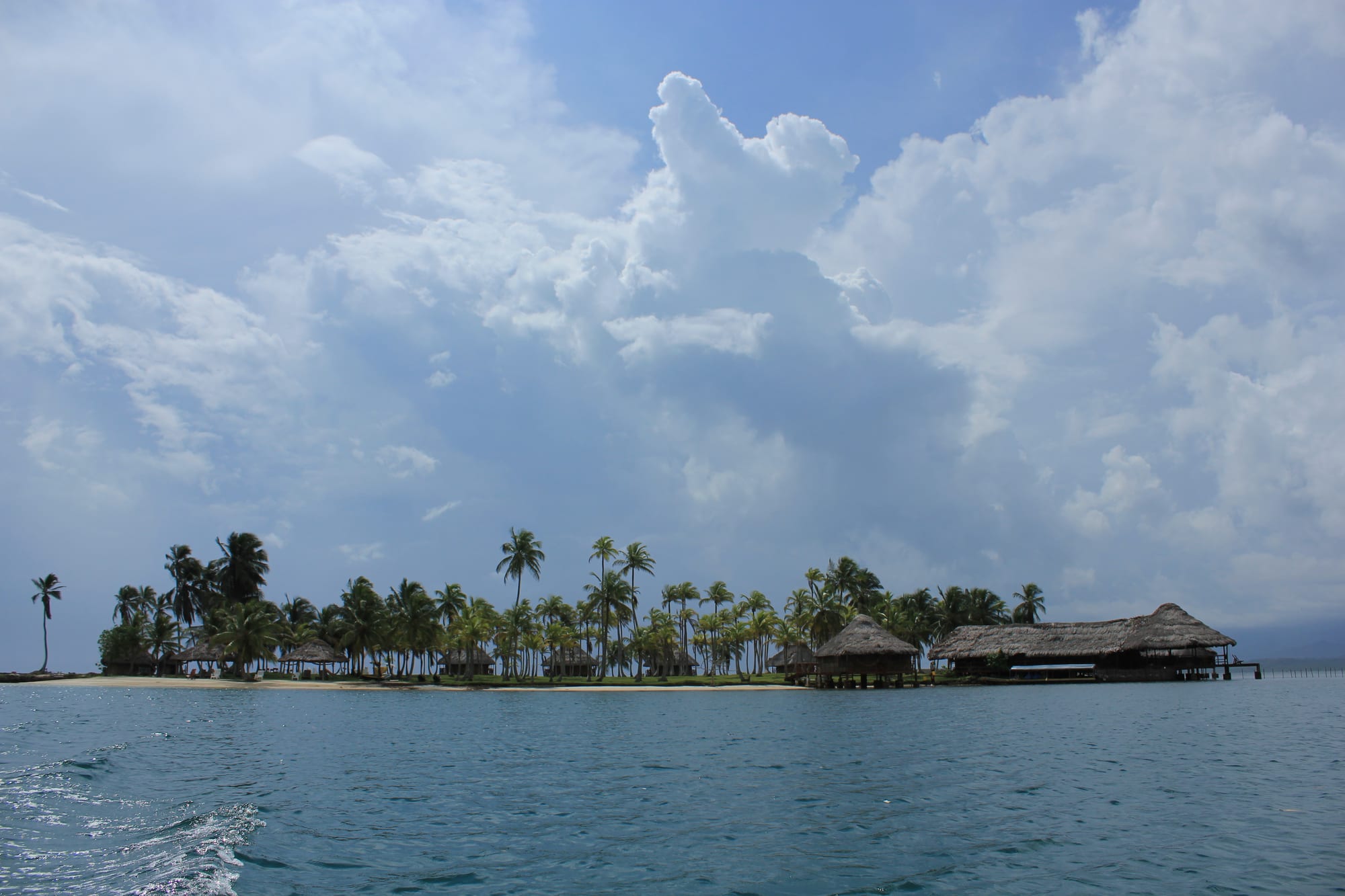
Most of the visitor islands can be walked around in minutes, and village islands are packed with narrow lanes between cane-and-thatch houses. Getting anywhere else means a boat.
🛡️ Safety
Panama is one of the safer countries in Central America, and the main tourist areas are generally fine with normal precautions. Guna Yala's western islands, visited with organised transport, are generally calm, but boat crossings can be rough and medical care is far away. Several governments advise against travel to parts of Darién province and to the eastern end of Guna Yala near the Colombian border. Malaria, dengue and yellow fever are risks.
Use registered transport and guides approved by the Guna authorities, respect Guna rules on photography and island fees, beware of strong currents between islands, and drink only bottled or treated water. Check current official travel advice before travelling.
🌦️ Climate
The islands have a hot, tropical monsoon climate all year, with a long wet season from about May to January and a short dry season in the remaining months, when trade winds blow and the sea is rougher.
- Summer
- the wet season, about May to January: around 25–32°C across Guna Yala and the Darién, with heavy showers and calmer seas
- Winter
- the short dry season, about February to April: around 24–32°C across Guna Yala and the Darién, sunnier and windier
🤝 Local Customs
Guna Yala is self-governing Guna land, and its General Congress and village leaders set the rules for visitors. Small fees are charged for landing on, swimming at or using facilities on individual islands. Guna is the first language; most people dealing with visitors speak Spanish, but little English is spoken. Electricity on many islands is limited and often switched off at night.
Ask before photographing anyone, follow each community's rules and fees, and carry small change.
💳 Common Payment Methods
Panama uses the US dollar as paper currency, with its own balboa coins of the same size and value as US coins. There are no cash machines on the islands and cards are rarely accepted, so all fees, boats, drinks and crafts are paid in cash brought from the mainland.