💰 Budget
The islands are inexpensive once reached, with simple village guesthouses, meals cooked at the house and little else to spend money on. The costs that matter are the road transport from Freetown and the boat from Kent, both much cheaper when shared, and the peninsula's more comfortable lodges if a night is spent on the mainland.
- Daily Budget Midrange
- USD 100–220 (better guesthouse or a peninsula lodge, a chartered boat, a car with driver from Freetown)
- Daily Budget Shoestring
- USD 30–55 (village guesthouse room, meals cooked at the house, a shared boat and shared taxis)
Bring all the cash needed in leones; there are no banks or card machines on the islands.
📅 Best Time to Visit
November to April, when the sea is calm, the crossing straightforward and the water clearest for snorkelling. The rains from June to September bring rough water, cancelled boats and difficult roads on the peninsula, though the islands are green and almost empty then.
⏳ Suggested Number of Days
A night or two is enough for the islands themselves, which are small and quiet. Three or four days allow the peninsula beaches and the road down from Freetown as well. Sea conditions, not distance, decide how firm any plan can be.
- First Visit
- 1–2 days
- With Surroundings
- 3–4 days
🚆 Transportation
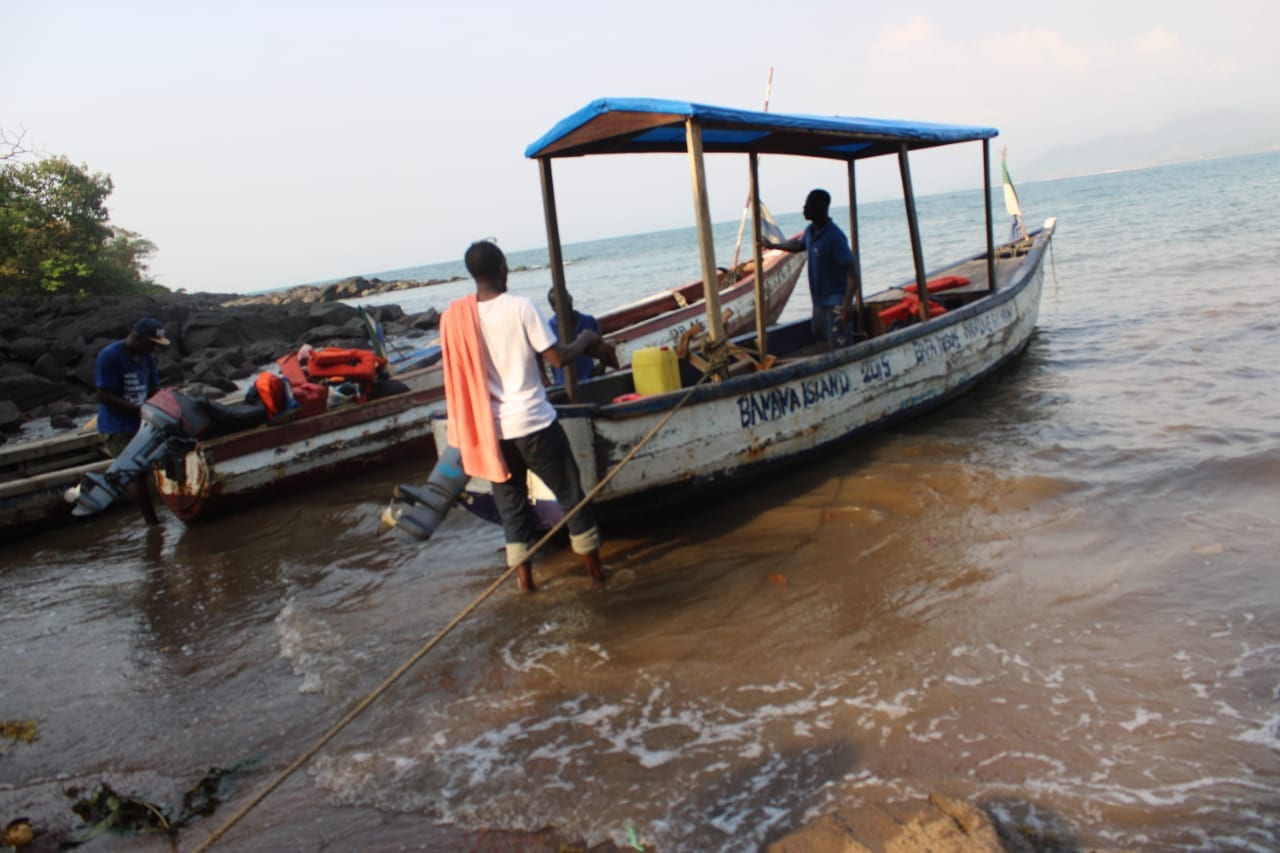
There are no roads or vehicles on the islands: movement is on foot along village lanes and forest paths, or by boat between the villages and the smaller islands. Local boatmen make the crossing to Kent and will run trips around the group.
Agree the boat fare and the return time before setting out, and ask for life jackets.
🛬 Airport & Station Connections
The islands are reached from Kent, at the southern tip of the Freetown peninsula, about 50 kilometres from the capital by a road that is paved most of the way and takes roughly two hours with traffic. From Kent the crossing is 20 to 30 minutes in an open boat. Freetown International Airport at Lungi lies across the estuary north of the city.
🚶 Walkability
Everything on the islands is walkable, and there is no alternative. Dublin and Ricketts are a couple of kilometres apart, linked by a stone causeway and a forest track that is muddy and slippery after rain, and the shoreline paths run over rock. Sturdy shoes matter more than they seem to.
🛡️ Safety
The islands are quiet and crime against visitors is rare. The real risks are the sea crossing in poor weather or an overloaded boat, currents and sharp rock while swimming, and the distance from medical care: there is no clinic of any size on the islands and evacuation means a boat and then a long road. Malaria is present year-round.
Don't display phones or valuables, use private taxis at night, take malaria precautions, drink bottled or treated water, and carry comprehensive insurance with medical evacuation cover. Check current official travel advice before travelling.
🌦️ Climate
Tropical and humid, moderated a little by sea breezes, with one long rainy season. The peninsula catches some of the heaviest rainfall in West Africa between June and September, while the dry months are hot and often hazy with harmattan dust.
- Summer
- the wet season, about 24–30°C, with heavy rain and rough seas from June to September
- Winter
- the dry season, about 25–32°C, calm water and hazy skies from December to February
🤝 Local Customs
These are small villages where visitors are noticed, so greetings come first and permission is asked before photographing people, houses or fishing boats. Dress is modest away from the water. Both islands have Christian and Muslim families, and the historic sites connected with slavery are treated seriously rather than as a curiosity.
Greet people before asking anything, ask before taking photographs, and arrange a village guide for the ruins rather than wandering into them alone.
💳 Common Payment Methods
The currency is the leone (SLE). The islands are entirely a cash economy — no ATMs, no card machines and no reliable mobile money agent — so rooms, meals and boats are settled in notes brought from Freetown.