💰 Budget
Žilina is a modestly priced city by Slovak standards, cheaper than Bratislava and well below the mountain resorts. The weekday lunch menu keeps eating costs low, and beer is cheap. Prices rise mainly for a hire car, which makes trips into the mountains and to the castles easier.
- Daily Budget Midrange
- USD 100–180 (central hotel, restaurant dinners, castle and museum tickets, a hire car for day trips)
- Daily Budget Shoestring
- USD 45–75 (hostel or workers' hotel, denné menu lunches, city buses and regional trains)
Eat the main meal at lunchtime, when set menus are cheapest, and use trains and buses from the central station for Strečno, Rajecké Teplice and Terchová.
📅 Best Time to Visit
June to September for walking in the Malá Fatra, the castles and the summer festivals; September and October bring clearer days and autumn colour. Winter is cold and snowy, with skiing in the Vrátna valley, and the town itself is quiet.
⏳ Suggested Number of Days
The compact centre needs a day or two. Allow three to five days to add the castles and the mountains nearby; walkers and skiers often stay longer, and travelling without a car adds a little time.
- First Visit
- 1–2 days
- With Surroundings
- 3–5 days
🚆 Transportation
The city transport company runs buses and trolleybuses, the latter since 1994, across the city and to the suburbs, and a night bus links the main housing estates with the station. A bike-share scheme, BikeKIA, operates. The roads into the city are often congested, and paid parking zones cover the centre.
Most sights in the centre are walkable; use buses or the Rajec railway for Budatín, the outlying churches and Rajecké Teplice.
🛬 Airport & Station Connections
Žilina is about 170 km north-east of Bratislava and a major rail junction on the main line from Bratislava to Košice, with frequent trains and direct services from Czechia; the station is a few minutes' walk from the main square, with the bus station beside it. The city's small airport at Dolný Hričov, about 15 km away, had no scheduled passenger flights in 2024, so most visitors fly to Bratislava, Brno, Katowice or Poprad and continue overland. The D1 motorway links the city to Bratislava.
🚶 Walkability
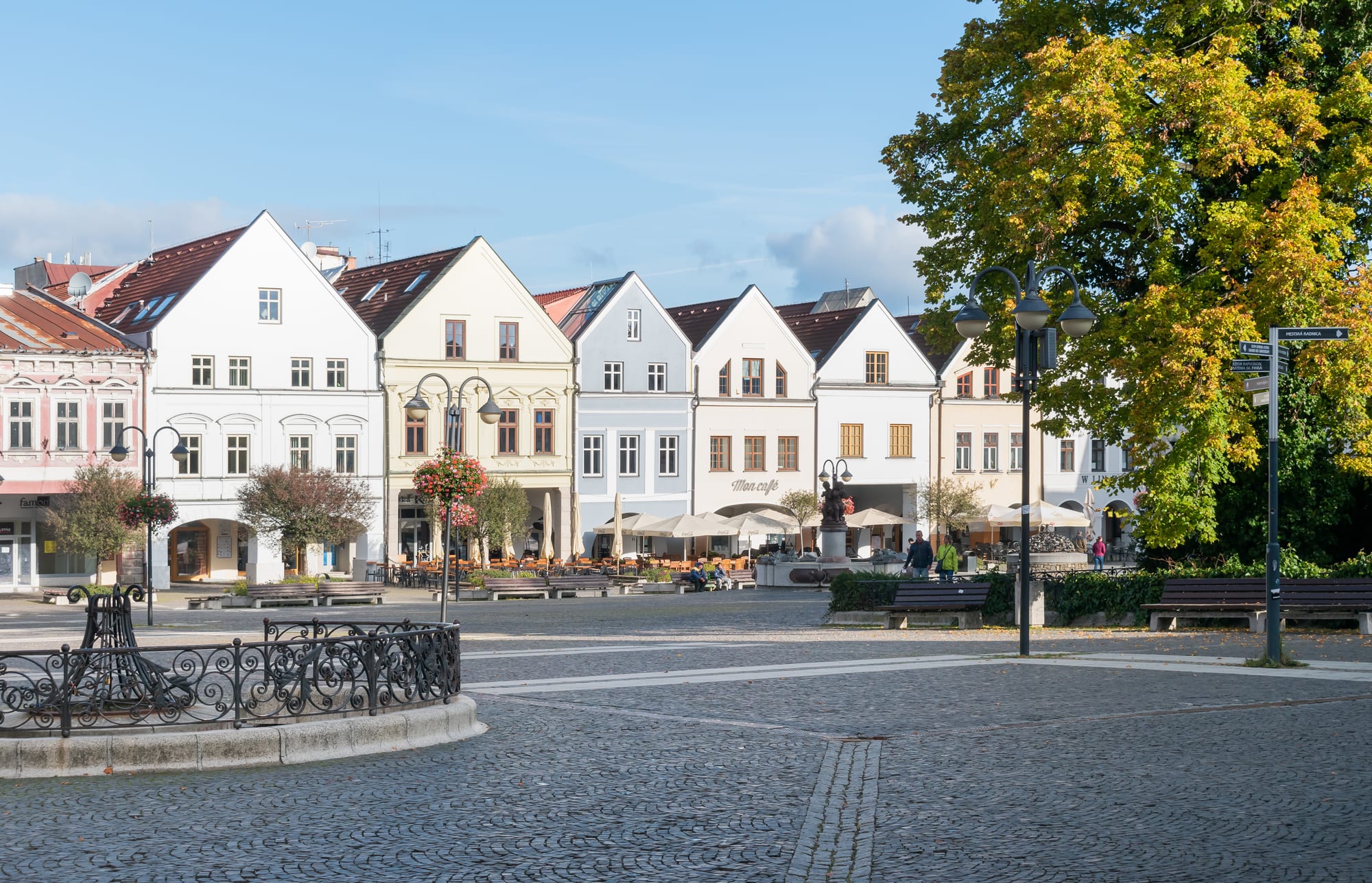
The historic centre is small and pedestrianised: Národná street runs from the station to Hlinka Square, and steps and lanes lead up to Mariánske námestie. Budatín Castle is a longer walk across the river, and the housing estates are spread over the surrounding hills.
🛡️ Safety
Slovakia is a very safe country with low violent crime. Žilina sees little crime aimed at visitors; take ordinary care around the railway station, especially late at night. The bigger risks are outside town: fast-changing weather, slippery paths in the Malá Fatra gorges and bears in the forests.
Stay on marked trails in the mountains and make noise in bear country. Check current official travel advice before travelling.
🌦️ Climate
Continental, with four distinct seasons, warm summers and cold, snowy winters. Most rain falls in June and early July, and snow lies for about 60 to 80 days a year.
- Summer
- warm — July averages about 18°C, with thunderstorms in early summer
- Winter
- cold and snowy — January averages about −4°C
🤝 Local Customs
The city is mostly Roman Catholic, with a Lutheran community, and church interiors call for covered shoulders and quiet. Lunch is the main meal of the day. Greet shop staff with dobrý deň and say dovidenia on leaving. Supporters of MŠK Žilina are loyal and the city is proud of its football and its cyclists, Peter Sagan above all.
Round up or leave a little extra for good service in restaurants; ask before photographing people, and keep noise down in residential estates late at night.
💳 Common Payment Methods
Slovakia uses the euro. Cards are widely accepted in shops and restaurants, and ATMs are easy to find in the centre; carry some cash for markets, small pubs and mountain huts.