💰 Budget
There is no tourist economy. A handful of basic guesthouses and compounds serve aid workers, officials and traders, charged in dollars or pounds and expensive for their standard. Market food costs little; the flight from Juba and the hire of a vehicle with a driver are what make a stay expensive.
- Daily Budget Midrange
- USD 100–250 (a basic compound room, meals and a vehicle with driver, before flights and security costs)
- Daily Budget Shoestring
- USD 50–90 (a basic guesthouse room, market meals, shared transport) — independent budget travel is not realistic here
Carry US dollars in cash, arrange rooms and vehicles through a host organisation in advance, and expect prices to move with the exchange rate.
📅 Best Time to Visit
The dry season from December to March is the only period when the roads to Juba and Wau are reliably passable, and when the herds gather in the camps near water. Rain from May to October turns the black-cotton soil to mud and isolates the town for weeks at a time. Security conditions decide whether travel happens at all.
⏳ Suggested Number of Days
A day or two is enough for the town, its market and the ground around it. Longer stays are about the countryside and the cattle-keeping life beyond the town, and depend on having a vehicle and local permission rather than on distance.
- First Visit
- 1–2 days
- With Surroundings
- 2–4 days
🚆 Transportation
Motorcycle taxis and shared pick-ups cover the town and the nearby villages, and organisations working here run their own four-wheel drive vehicles. The roads to Juba and Wau are unpaved, rough and impassable in parts of the rainy season, and lorry convoys travel slowly and stop at many checkpoints.
Road travel is a daylight activity here, and journeys between towns are planned with current security advice and a spare fuel supply.
🛬 Airport & Station Connections
Most outsiders arrive at Rumbek Airport, which is served by national airlines and charter operators and lies about 300 kilometres by air from Juba. By road the town is about 377 kilometres north-west of Juba on the long route towards Wau, mostly unpaved, and the journey takes a full day or more in good conditions and is often impossible in the rains.
🚶 Walkability
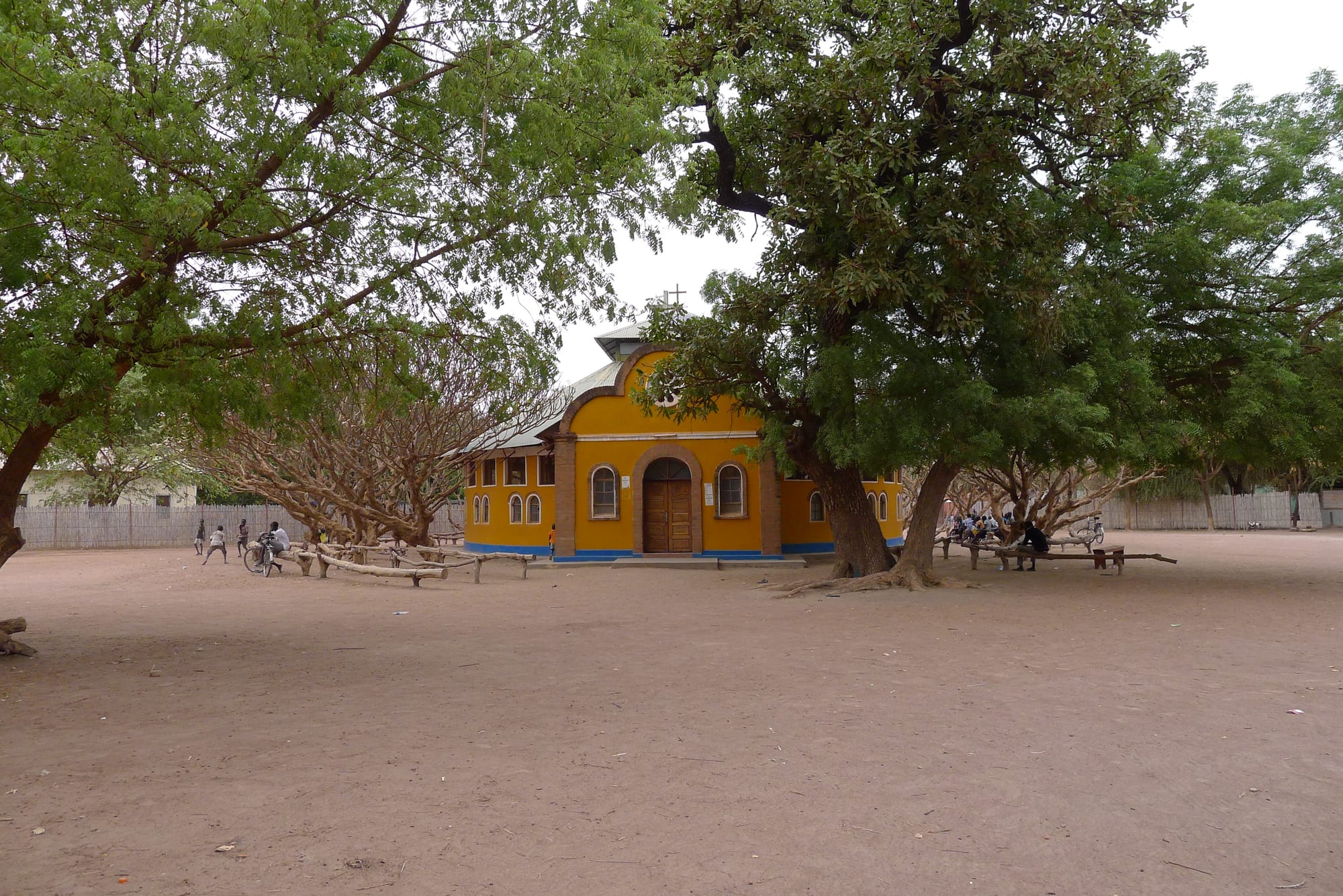
The centre is small, flat and walkable: the market, the offices and the church compound are within twenty minutes of each other on sandy streets shaded in places by large trees. There are no pavements, the heat of the middle of the day is punishing, and anything beyond the centre needs a vehicle.
🛡️ Safety
Lakes state has a long record of intercommunal violence, driven by cattle raiding and revenge killings between sections, and armed young men are a feature of the countryside. Roads see banditry and ambushes, disputes can flare quickly in the town itself, and medical care is limited.
Most governments advise against all travel. Anyone present for work should follow their organisation's security rules, avoid road travel at night and keep evacuation cover. Check current official travel advice before travelling.
🌦️ Climate
Tropical savanna with one long rainy season and a hot dry season. Rain falls from about May to October and leaves the heavy soils waterlogged; November to April is dry, dusty and increasingly hot towards March and April.
- Summer
- rainy season, roughly May to October: warm and humid, about 22–33°C, with storms and deep mud on the roads
- Winter
- dry season, November to April: hot and dusty, often 35–38°C by afternoon in March, with cooler nights around December
🤝 Local Customs
This is Dinka Agar country, and Dinka is the language of the town, with Juba Arabic and English used in offices and trade. Cattle are the measure of wealth and the subject of songs, names and marriage payments, and they should be treated with respect in conversation. Churches are central to public life and Sunday is quiet. Greetings are unhurried and elders are addressed first.
Ask before photographing anyone, especially in cattle camps, which are private places; never photograph soldiers, police or the airport; and avoid taking sides in any discussion of local disputes.
💳 Common Payment Methods
The South Sudanese pound is the currency, but rooms, vehicles and anything substantial are priced in US dollars, which are changed through trusted contacts. Cash is the only workable method of payment, cards are not accepted and ATMs cannot be relied on. Clean, recent dollar notes are preferred.