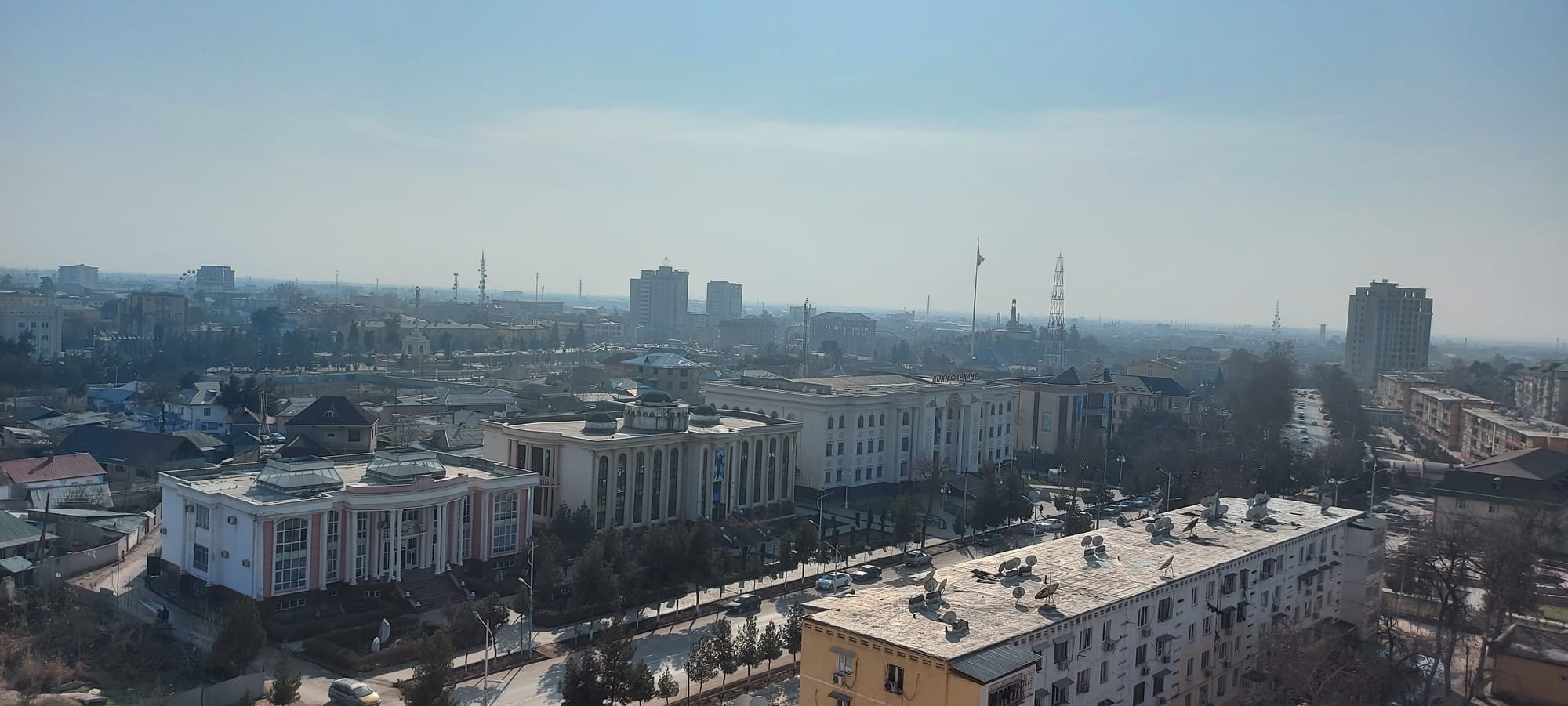
💰 Budget
Bokhtar is cheap. Hotels are few, simple and inexpensive, meals in the bazaar and chaikhonas cost very little, and shared taxis around the province are cheap. The main extra cost is a hired car with driver, which is the practical way to reach Ajina-Tepa and the reserve to the south.
- Daily Budget Midrange
- USD 60–120 (the better hotels in town, restaurant meals, a hired car and driver for the day)
- Daily Budget Shoestring
- USD 20–40 (simple hotel or guesthouse, bazaar and chaikhona food, shared taxis)
Bring somoni in cash from Dushanbe, since cards are accepted in very few places and cash machines cannot be relied on outside the centre.
📅 Best Time to Visit
March to May and late September to November. Spring turns the plain green and brings blossom and Nowruz; autumn brings the fruit and cotton harvests and cooler air. The valley is among the hottest places in the country in July and August, when daytime activity stops for hours, and winter is mild but grey and muddy.
⏳ Suggested Number of Days
The town itself takes half a day to a day. Two or three make sense with the archaeological sites of the Vakhsh valley, the reserve to the south and the roads leading out of the province.
- First Visit
- 1 day
- With Surroundings
- 2–3 days
🚆 Transportation
Minibuses and shared taxis run within the town and out to the district centres for small cash fares, and taxis are cheap for short trips. Shared cars for Dushanbe, Kulob and the southern districts leave from stands near the bazaar when they are full. A hired car is the sensible way to reach sites off the main roads.
Travel early in the day, as shared cars become scarce in the afternoon and driving after dark is best avoided.
🛬 Airport & Station Connections
Shared taxis and minibuses from Dushanbe take roughly two hours on a good road through the hills, and Kulob is about two hours to the east. The city has an international airport five kilometres north-east, with flights to Russia, Kazakhstan and a few cities in Tajikistan. Roads run south from here to the Panj and the crossing towards Afghanistan, and north-east up the Vakhsh towards Nurek.
🚶 Walkability
The centre is flat and laid out on a grid, so the square, bazaar, museum and parks are easy to walk between, and trees shade many of the streets. Distances feel longer in the summer heat, crossings on the wide avenues are far apart, and the outer districts and the road to Ajina-Tepa need a vehicle.
🛡️ Safety
The town is quiet and crime against visitors is rare, with a visible police presence and routine identity checks. The main everyday risks are traffic and road conditions, and heat exhaustion in summer. The Afghan border along the Panj to the south is a militarised zone, and photographing officials or security installations causes trouble.
Carry a passport at all times, keep away from the Afghan border strip, avoid photographing officials or security buildings, and avoid driving after dark. Check current official travel advice before travelling.
🌦️ Climate
The Vakhsh lowlands are the hottest part of Tajikistan, with a long, dry summer and a short, mild winter. Rain falls mainly between November and April, and dust and haze are common once the heat sets in.
- Summer
- very hot and dry, regularly 38–42°C in July, with little relief at night
- Winter
- mild, mostly 5–12°C by day, with rain, mud and occasional light snow
🤝 Local Customs
Khatlon is more conservative than the capital. Modest dress is expected, with shoulders and knees covered, and a headscarf for women at mosques and shrines. Shoes come off at the door of a house, guests are served first and pressed to eat, and tea is poured for others before oneself. Many households have a member working abroad, and questions about family are the normal opening of conversation.
Ask before photographing people, particularly women, and leave politics and religion out of conversation with strangers; alcohol is little seen outside a few restaurants.
💳 Common Payment Methods
The currency is the Tajik somoni, and the town runs on cash. The bazaar, taxis, tea houses and guesthouses expect notes, a small number of hotels and banks take cards, and cash machines are limited, so money is best drawn or exchanged in Dushanbe. US dollars are the easiest currency to change.