History
The south of this region was part of ancient Bactria. At Takhti-Sangin, near the meeting of the Vakhsh and Panj rivers, archaeologists excavated a temple to the river god Oxus, and the famous Oxus Treasure of Achaemenid gold is thought to have been found near by in about 1877–1880. Buddhism later flourished in the Vakhsh valley, and Ajina-Tepe is a monastery of the 7th and 8th centuries.
Hisor was for centuries the main town of the valley west of today's capital, a seat of local rulers and, from the 16th century, of a bek governing for the Emirate of Bukhara. Kulob, the other old centre, holds the tomb of Mir Sayyid Ali Hamadani, a 14th-century Sufi teacher from Hamadan in Persia. Dushanbe itself was only a village named for its Monday market when the last emir of Bukhara took refuge there in 1920 before fleeing to Afghanistan.
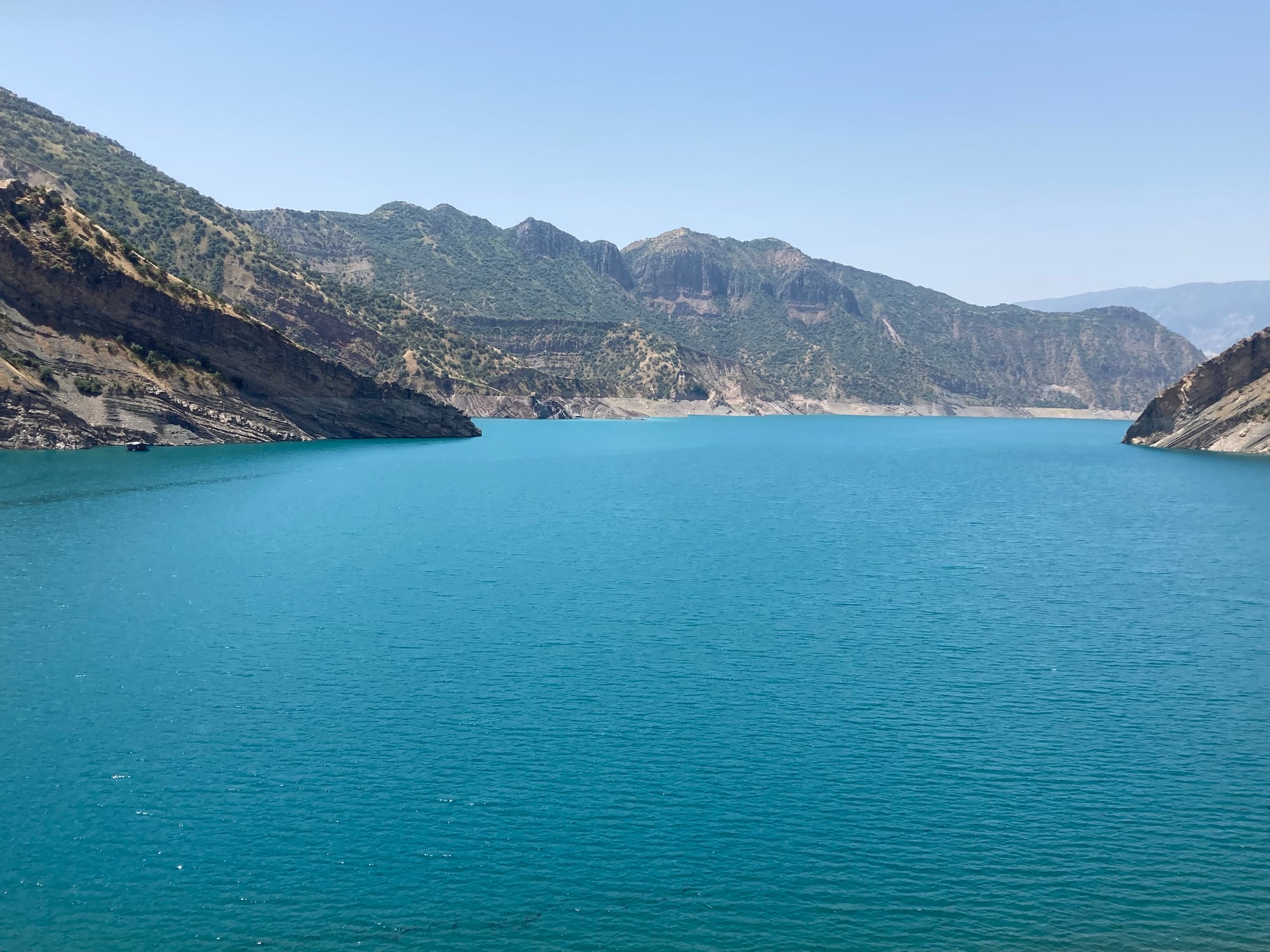
The Soviets made the village the capital of the Tajik republic in the 1920s; it was called Stalinabad from 1929 to 1961 and grew with textile mills and the settlement of Russians and others. The Vakhsh valley was irrigated for cotton, and the Nurek Dam was completed in 1980. The 1992–97 civil war was fought largely here: Kulob supplied the government side, while the Rasht valley around Gharm was an opposition stronghold, and the Khatlon lowlands saw some of the worst killing. President Rahmon comes from Danghara, near Kulob, and people from the Kulob area have dominated national politics since.