💰 Budget
Mwanza is one of the cheaper Tanzanian cities for visitors, since most trade here is local rather than touristic. Hotels in the centre and on Capri Point are reasonable, food in the markets and grills costs very little, and dala-dalas and bajaji are inexpensive. Boat trips, the island park fee and any onward travel to Rubondo or the Serengeti are where the costs rise.
- Daily Budget Midrange
- USD 75–170 (good hotel in Mwanza, restaurant meals, taxis and boat trips; safaris cost far more)
- Daily Budget Shoestring
- USD 25–55 (guesthouse, local food, dala-dalas and lake ferries)
Budget separately for national park fees and for boat or charter transport to the islands, and note that the Ndabaka gate on the western edge of the Serengeti is about 150 kilometres away by road, with day trips run by operators in the city.
📅 Best Time to Visit
June to September is the short dry season, the easiest time on the region's roads and the calmest on the water. The wet season runs from about October to May, with the heaviest rain from March to May bringing afternoon storms and muddy rural roads. The lake keeps temperatures fairly even all year.
⏳ Suggested Number of Days
Two days cover the city itself, its rocks, markets and lakeshore. Three to five allow for the islands and the country around it. Ferry timetables and the length of boat crossings do more than anything else to set how long a visit needs.
- First Visit
- 2 days
- With Surroundings
- 3–5 days
🚆 Transportation
Dala-dala minibuses run set routes across the city for a few hundred shillings, bajaji three-wheelers and motorcycle taxis cover shorter trips, and taxis wait at the hotels and the bus stand. Ferries cross the Mwanza Gulf and serve Ukerewe and other lake settlements, and long-distance buses leave from the main stand for Musoma, Shinyanga, Geita, Bukoba and Arusha.
Agree a fare before getting into a bajaji or taxi, and use the larger established ferries rather than small open boats, which are often overloaded.
🛬 Airport & Station Connections
Mwanza Airport lies about 10 kilometres from the centre, a regional airport with flights to Dar es Salaam and a network of smaller services flown by Auric Air and Precision Air. Buses reach the city from Arusha in a long day and from Dar es Salaam overnight, the metre-gauge central railway runs from Tabora by way of Shinyanga, and lake ferries connect the ports around the southern shore.
🚶 Walkability
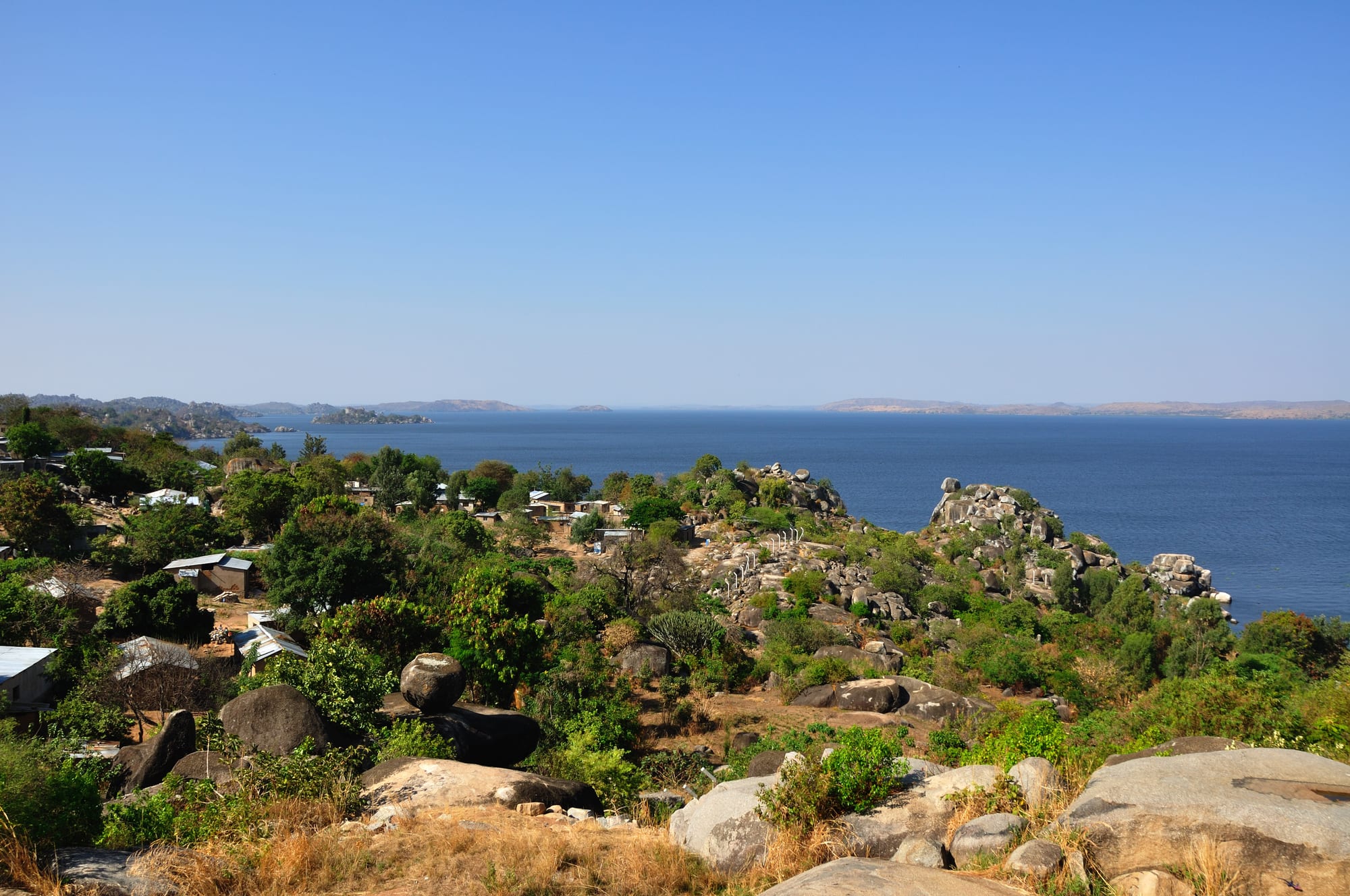
The town centre is compact and flat enough to walk, with the market, harbour, banks and hotels within a few blocks of each other, and the waterfront walk to Capri Point is pleasant. Beyond that the city climbs steeply between granite outcrops and spreads a long way north and south, so most journeys are made by dala-dala or bajaji. Pavements are uneven and traffic is heavy on the main roads.
🛡️ Safety
The city is generally calm, with petty crime the usual concern — bag snatching and pickpocketing around the market, the bus stand and the ferry terminal, and muggings after dark on quiet streets. Lake travel is the distinctive risk, as small boats are often overloaded and Lake Victoria has seen serious ferry disasters. Bilharzia is present in the shallows near settlements and reeds, malaria is present year-round, and road traffic is the other real hazard.
Avoid swimming in the lake near settlements or reeds, travel by road in daylight, and steer clear of demonstrations. Take malaria precautions, keep valuables out of sight around the market and bus stand, and use taxis rather than walking after dark. Check current official travel advice before travelling.
🌦️ Climate
Warm all year and moderated by the lake, at about 1,100 metres above sea level, so rarely scorching, and averaging around 23–24°C over the year. Rain falls through a long wet season from about October to May, heaviest from March to May and usually as afternoon and evening storms, with a short dry season in the middle of the year. Southern-hemisphere summer falls in December to February.
- Summer
- September to February is warm, with days around 27–30°C and humid afternoons broken by storms in the wetter weeks
- Winter
- June to August is drier and a little cooler, with days near 26–28°C and nights around 16°C
🤝 Local Customs
Swahili is the language of the street and Sukuma is widely spoken at home across the region; a greeting before business is expected, and shikamoo is the respectful greeting to an elder. Dress is fairly conservative in the city and more so in the villages. Tipping is modest — rounding up a taxi fare, a small amount for good service in a restaurant.
Ask before photographing people, fish landings, markets or official buildings, dress modestly away from hotel grounds, and treat questions about local politics with care.
💳 Common Payment Methods
The currency is the Tanzanian shilling, used for everything day to day, and cash is essential for markets, dala-dalas, bajaji and ferries. ATMs are common in the town centre and cards are accepted at the larger hotels and a few restaurants, but rarely elsewhere. Mobile money is used widely by residents, and US dollars are wanted mainly for park fees and tours.