💰 Budget
Chinhoyi is inexpensive. Guesthouses and small hotels in and near the centre cost a fraction of Harare prices, meals in local canteens are cheap, and the main paid attraction is entry to the caves. Costs rise only for car hire or a hired driver, since the town is a stop rather than a base for most travellers.
- Daily Budget Midrange
- USD 90–160 (hotel or lodge room, restaurant meals, a hire car or driver)
- Daily Budget Shoestring
- USD 30–55 (guesthouse room, local meals, minibuses, cave entry)
Bring small US dollar notes from Harare; card payment is limited and ATMs in provincial towns are unreliable.
📅 Best Time to Visit
The dry months from May to September are the easiest, with clear, mild days and cold nights, and the caves are comfortable year-round because they stay cool. October is hot and hazy before the rains; the wet season from November to March turns the farming country green but brings heavy afternoon storms.
⏳ Suggested Number of Days
One day is enough for the town and the caves outside it, which is how most travellers treat Chinhoyi — as a stop on the road between Harare and Kariba. Longer stays suit those exploring the farming and mining country of the district.
- First Visit
- 1 day
- With Surroundings
- 2 days
🚆 Transportation
The town sits on the main highway to Kariba and the Zambian border at Chirundu, and long-distance buses and minibuses stop in the centre. Local minibuses and shared taxis link the centre with the suburbs and run out towards the caves. Most visitors arrive by road in their own or a hired vehicle.
Arrange transport back from the caves before setting out, as return lifts thin out in the afternoon.
🛬 Airport & Station Connections
Chinhoyi lies about 115 km north-west of Harare on the highway to Chirundu, a drive of roughly an hour and a half, with frequent buses and minibuses from the capital. The same road continues to Karoi, Makuti and the escarpment turn-off for Kariba. The nearest airport with scheduled flights is Robert Gabriel Mugabe International at Harare.
🚶 Walkability
The centre is small, flat and easily covered on foot, with the shops, market and bus stops within a few blocks of each other. Beyond it, distances to the suburbs and the university are a few kilometres along roads with patchy pavements, and the caves are too far to walk to, so transport is needed for anything outside the centre.
🛡️ Safety
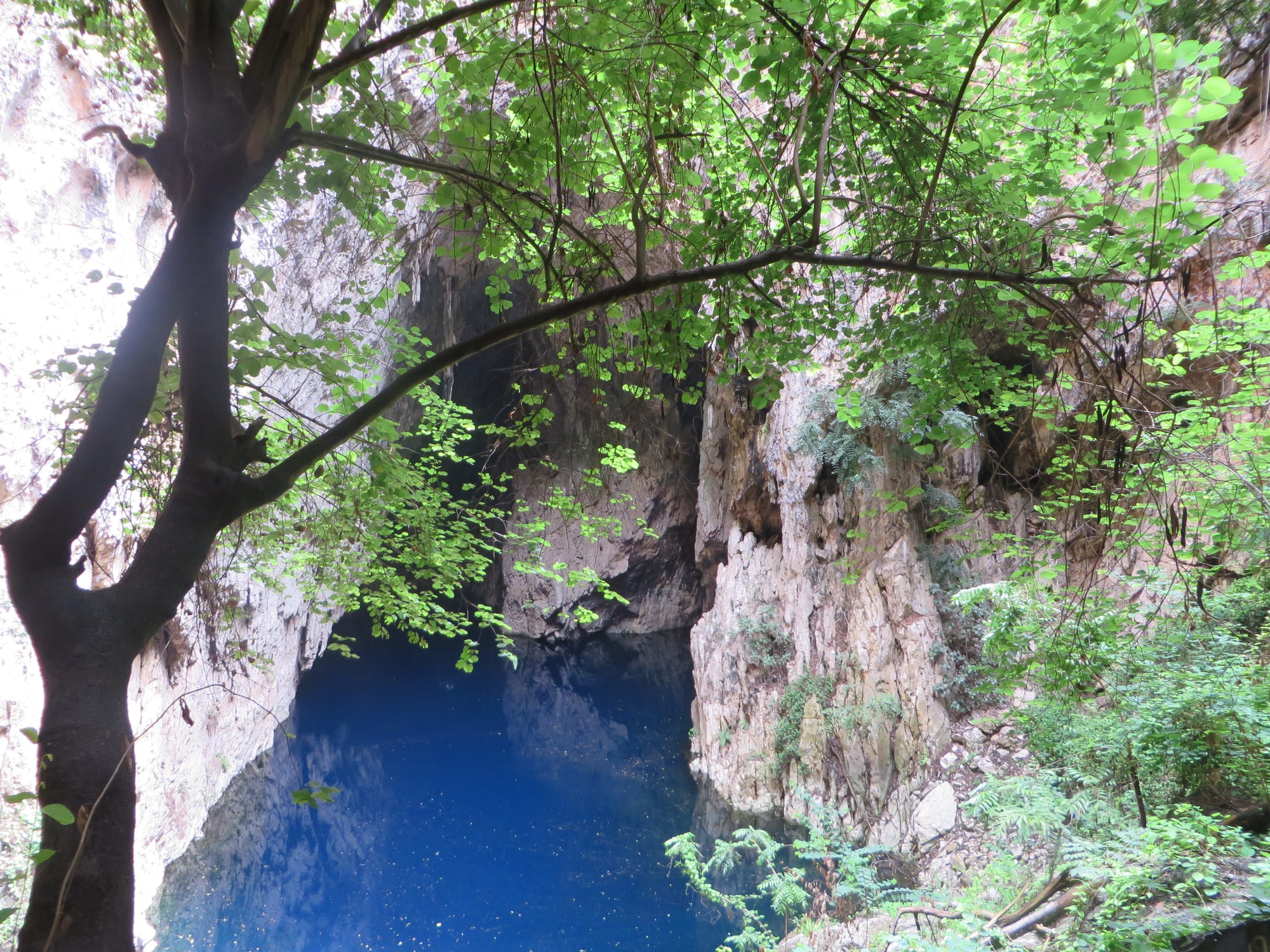
Chinhoyi is quieter than the cities, with petty theft in the market and bus area the main concern and little trouble beyond it. The highway through the town carries heavy traffic, including lorries to the Zambian border, and police roadblocks are common on the roads out. At the caves the risk is the unfenced drop into the pool and wet, slippery paths.
Take malaria precautions in the low-lying areas, avoid political gatherings, don't drive at night, keep documents and small change ready for roadblocks, and don't swim in still fresh water outside managed sites. Care is needed on the cave paths and at the edges of the sinkhole. Check current official travel advice before travelling.
🌦️ Climate
The town stands on the plateau at around 1,200 metres, a little lower and warmer than Harare. The year divides into a warm wet season from November to March, a cool dry season from May to August with chilly nights, and a hot dry spell in September and October. Summer here falls in December to February.
- Summer
- warm and wet, with days around 27–30°C and afternoon storms
- Winter
- dry and sunny, with days around 22–25°C and cold nights
🤝 Local Customs
This is Shona-speaking farming country, and the usual courtesies apply: greetings and a handshake before any request, respect for elders, and modest dress in town and in churches. The caves are regarded as a place of significance in local tradition, and guides should be asked before entering areas beyond the marked paths. Tipping is not expected but is welcomed.
Ask before photographing people, market stalls or farm workers, and avoid photographing police, roadblocks and government buildings.
💳 Common Payment Methods
The ZiG is the official currency, but US dollars are used for most transactions, and prices are commonly quoted in dollars. Small, clean notes are essential because change is difficult to obtain. Card payment works in a few supermarkets and fuel stations, mobile money is widely used by residents, and ATMs are unreliable, so cash should be carried in.