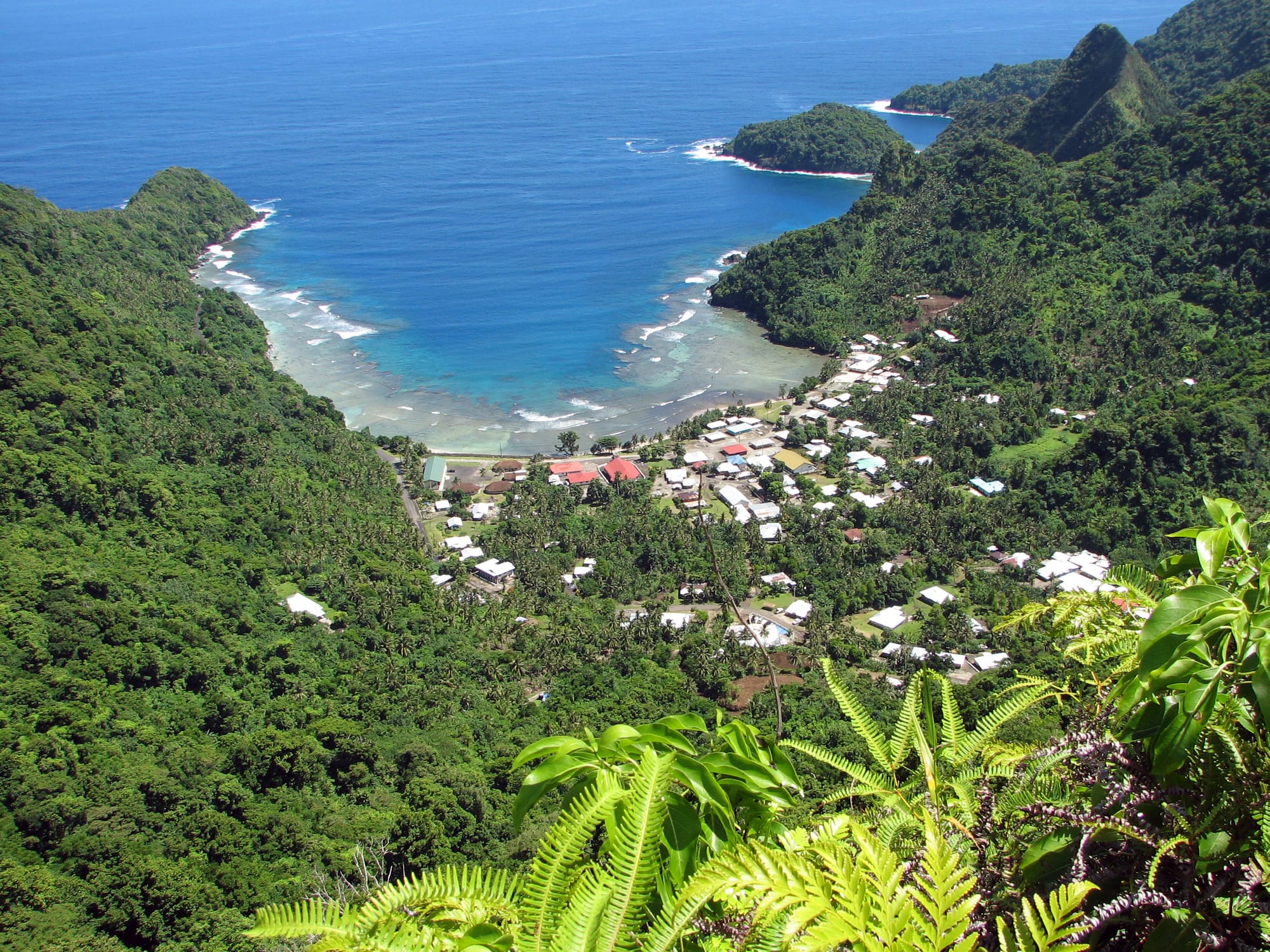
💰 Budget
American Samoa has very little tourism infrastructure — a handful of hotels and guesthouses on Tutuila, and simple lodging in the Manu'a Islands. Prices for imported goods and lodging are relatively high, but there is little to spend money on beyond food, a rental car, and the flight to Manu'a. It is a place for travellers seeking authenticity, not amenities.
- Daily Budget Midrange
- USD 130–260 (Tutuila hotel, restaurants, rental car, the flight to Ofu or Ta'u)
- Daily Budget Shoestring
- USD 60–110 (guesthouse, store and roadside food, shared rental car)
Base in the Pago Pago area, rent a car, and treat a trip to the Manu'a Islands as a separate mini-expedition dependent on the small-plane schedule.
✈️ Visa Requirements
American Samoa runs its own immigration, separate from the rest of the United States, and is the only US territory that does. Entry is governed by the territory's own immigration office rather than by US visa rules, and visitors are normally expected to hold an onward ticket. Whatever passport you carry, check what is required before you fly.
- Typical Stay
- Set by the territory's immigration office, not by US visa rules — confirm the current terms before booking
Check the American Samoa immigration requirements well before travel — they are the territory's own, not the standard US ones — and carry an onward ticket.
🛡️ Safety
American Samoa is safe, with low crime and strong village social control. The main hazards are natural and infrastructural: cyclones, a serious tsunami risk (the 2009 earthquake and tsunami killed more than twenty people here), strong ocean currents outside the reef, and limited medical care, with serious cases flown to Hawaii. Village sa (evening prayer curfew) should be respected.
- Health
- Dengue, chikungunya, and other mosquito-borne illnesses occur; tap water quality varies by village — treat or use bottled; the hospital on Tutuila handles basics, with evacuation to Honolulu for anything serious
Learn tsunami evacuation routes, swim inside the reef and heed currents, stop and wait quietly if you are in a village during evening sa, and carry insurance covering evacuation to Hawaii.
🌦️ Climate
Tropical, hot, and humid year-round, averaging around 80–83°F, with high rainfall — Pago Pago Harbor is one of the rainiest spots in the Pacific, thanks to cloud caught on Rainmaker Mountain. The wetter season runs roughly November to April and carries the cyclone risk; May to October is a little drier.
- Wet Season
- November–April (cyclone risk)
- Drier Season
- May–October
🚆 Transportation
Pago Pago International Airport on Tutuila has flights from Honolulu and from Apia in independent Samoa, plus small-plane services to the Manu'a Islands (Ofu and Ta'u). Tutuila has a network of privately run "aiga" buses — brightly painted wooden buses that run without a fixed timetable — and a rental car is the practical option for visitors.
Rent a car on Tutuila, use the aiga buses for a local experience, and book the Manu'a flights early, as they are small and weather-dependent.
📅 Best Time to Visit
May to October is the drier, less humid stretch and the safer window for cyclones, with better conditions for hiking and boat travel. Humpback whales pass between about August and November. Rain is possible at any time of year.
- Events
- Flag Day (17 April), the territory's biggest celebration, with fautasi (longboat) races, dancing, and speeches; White Sunday (Lotu Tamaiti) in October, honouring children; village and church festivals year-round
💱 Currency
The currency is the US dollar. Cash is used for most everyday purchases; cards work at the larger stores and hotels on Tutuila but rarely in the villages or the Manu'a Islands. ATMs are concentrated on Tutuila.
- Symbol
- $
- Currency Code
- USD — United States dollar
💬 Language
Samoan, a Polynesian language shared with independent Samoa, is the everyday language of almost everyone. English is co-official and used in government, business, and schooling, and is widely understood.
- Languages
- Samoan and English (both official)