History
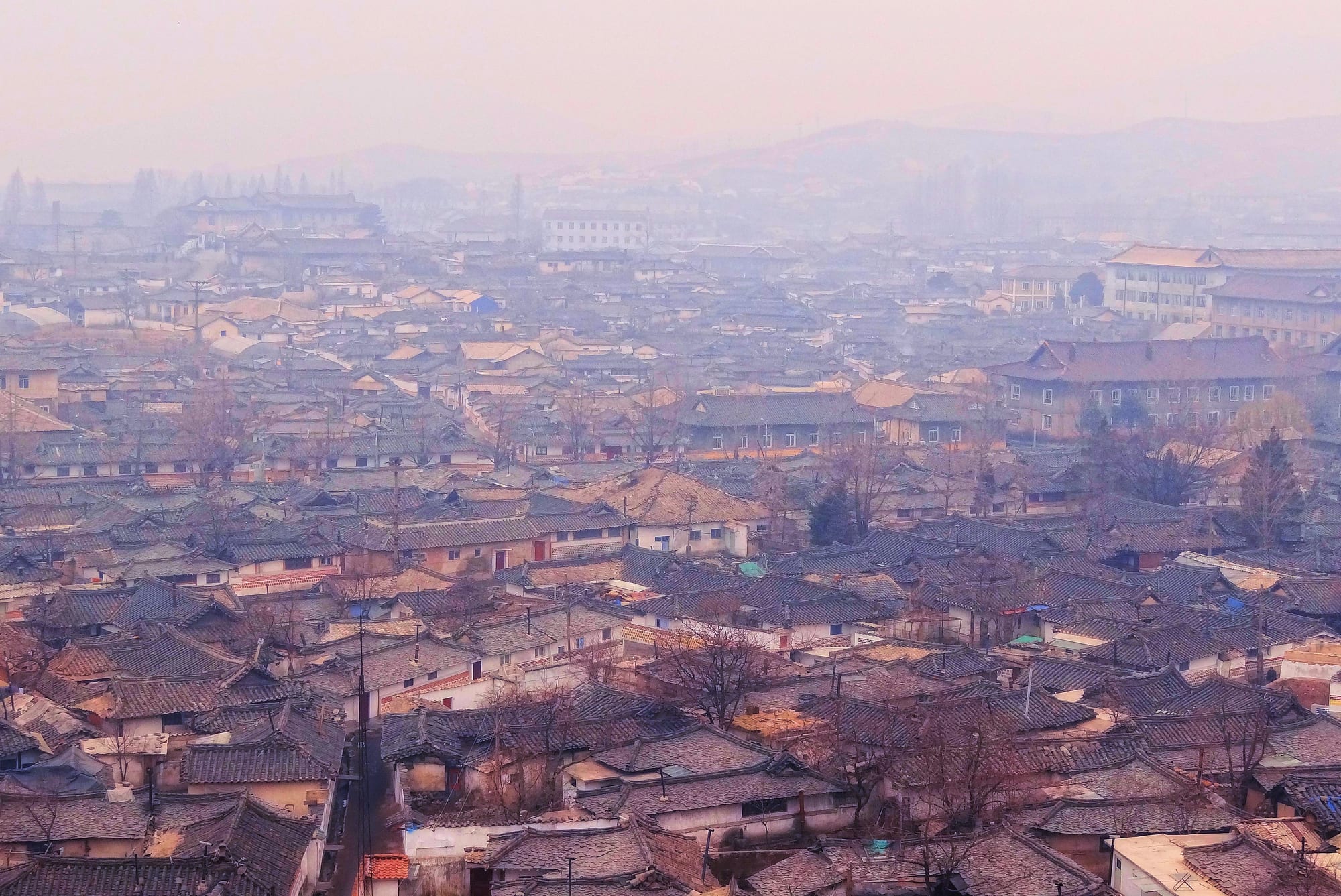
Kaesong was the capital of Korea for almost five centuries. Wang Kon, who founded the Koryo dynasty in 918 — the source of the name "Korea" — made his home town Kaesong the capital the next year, and it remained so until 1392. It was a city of palaces, Buddhist monasteries and the Songgyungwan academy, and its merchants traded with China and beyond. In 1392 the general Yi Seong-gye seized power and founded the Joseon dynasty; the Koryo loyalist Chong Mong-ju was killed on the Sonjuk Bridge, and the new kings moved the capital to Seoul.
Kaesong remained a merchant city, famous for its ginseng trade and its traders' business methods, while the Hwanghae region to the west became a farming province with its capital at Haeju. Koguryo had ruled here in ancient times, and its painted tomb at Anak in South Hwanghae is one of its best known.
In 1945 Kaesong lay just south of the 38th parallel and belonged to the South; the Korean War began with fighting along this line in June 1950, including on the Ongjin peninsula. Armistice talks moved from Kaesong to Panmunjom, where the agreement was signed in July 1953, leaving Kaesong on the northern side of the new line. From 2004 the Kaesong Industrial Region employed North Korean workers in South Korean-run factories until it was shut in 2016. The waters off South Hwanghae, around the maritime line the North disputes, have seen deadly clashes, including the North's shelling of Yeonpyeong island in 2010.