Attractions & Natural Wonders · Anguilla
Anguilla: Seven Attractions and Natural Wonders
A flat coral island with 33 beaches, a lagoon of uninhabited cays, and a low-key luxury scene that never let the high-rises in
By Worldlore Editorial · 30 September 2026
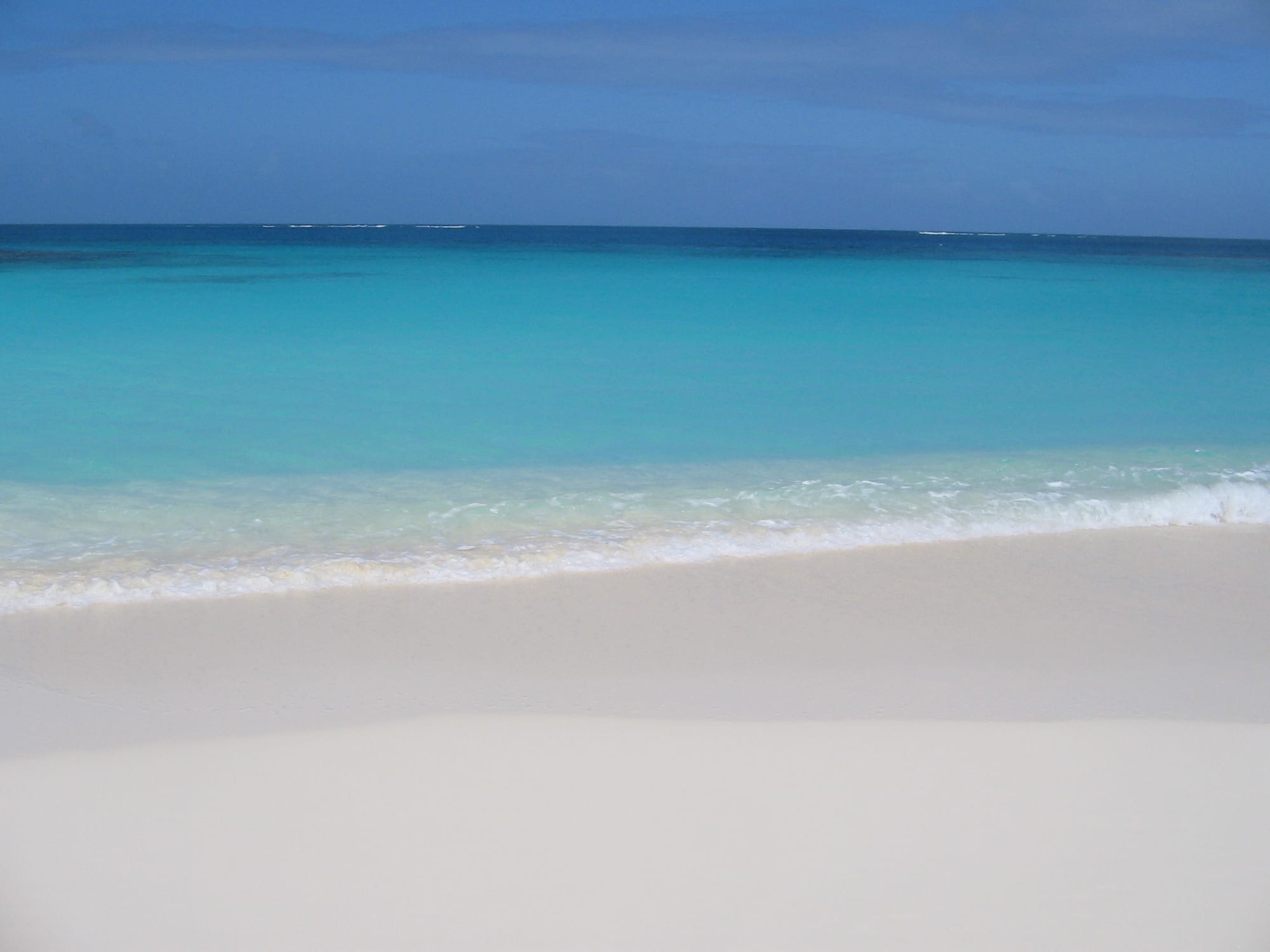
Thirty-three beaches and not much else
Anguilla is a small, flat, dry coral island at the northern tip of the Lesser Antilles — about 16 miles long and no more than about 3.5 miles wide. It has no mountains, no rainforest, and no cruise-ship dock. What it has is beaches: the tourist board counts 33, most of them long, empty, and lined with fine white sand, and all of them open to the public.
The island chose a particular path — a handful of very expensive resorts, a lot of small guesthouses and villas, no high-rise development, and a strong local food and music scene. The seven entries below are the beaches and boat trips that make up a stay. It is a dry-season destination; hurricane season runs June to November, peaking from August to mid-October.
1. Shoal Bay East
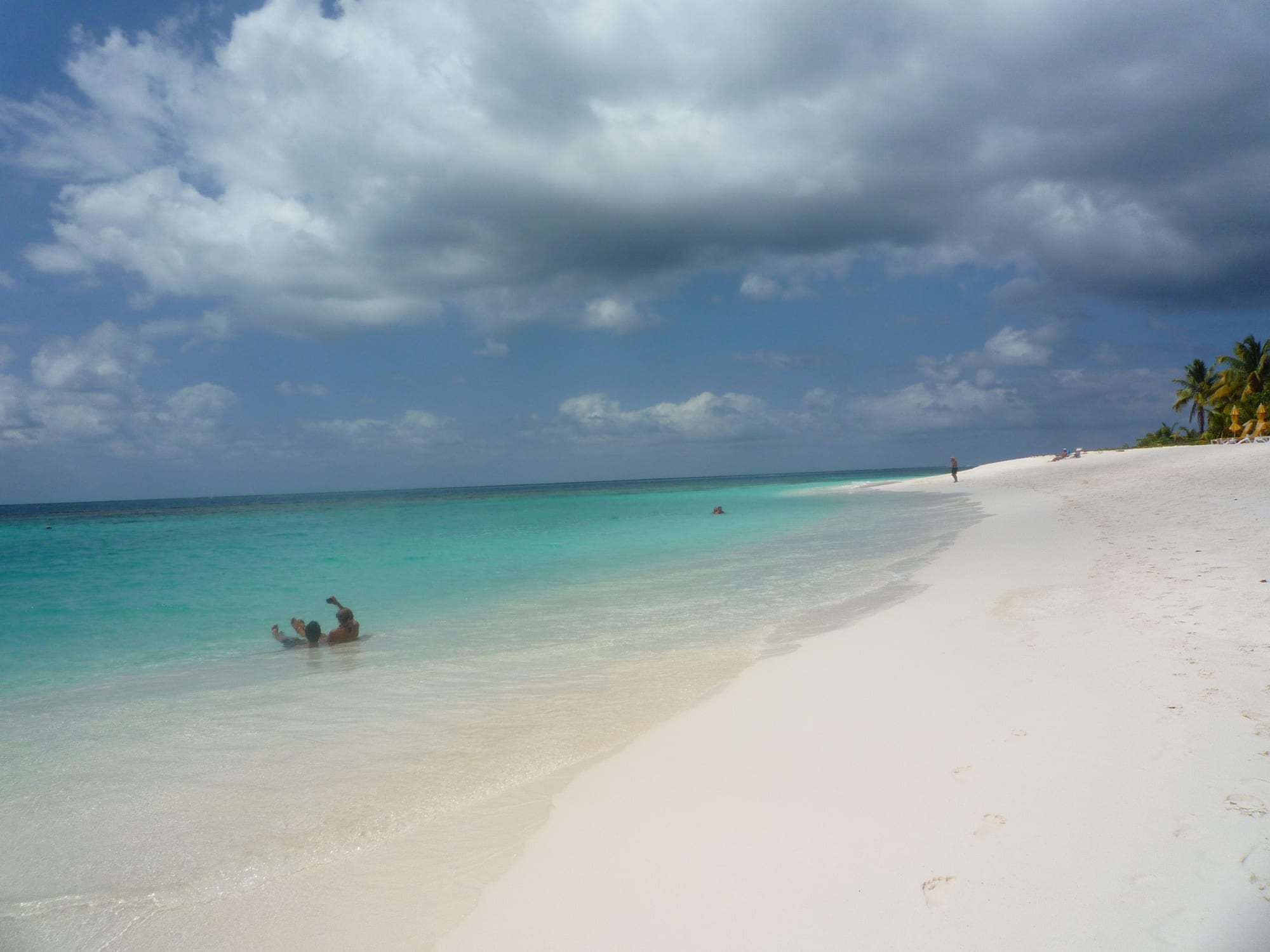
Shoal Bay East, on the north coast, is the beach that lands on the magazine lists: nearly 2 miles of powder-white sand and water in every shade of pale blue. It has a scattering of low beach bars and restaurants but no wall of hotels.
It was also one of the island's largest pre-Columbian village sites. Shoal Bay West is a separate beach at the other end of the island.
2. Rendezvous Bay
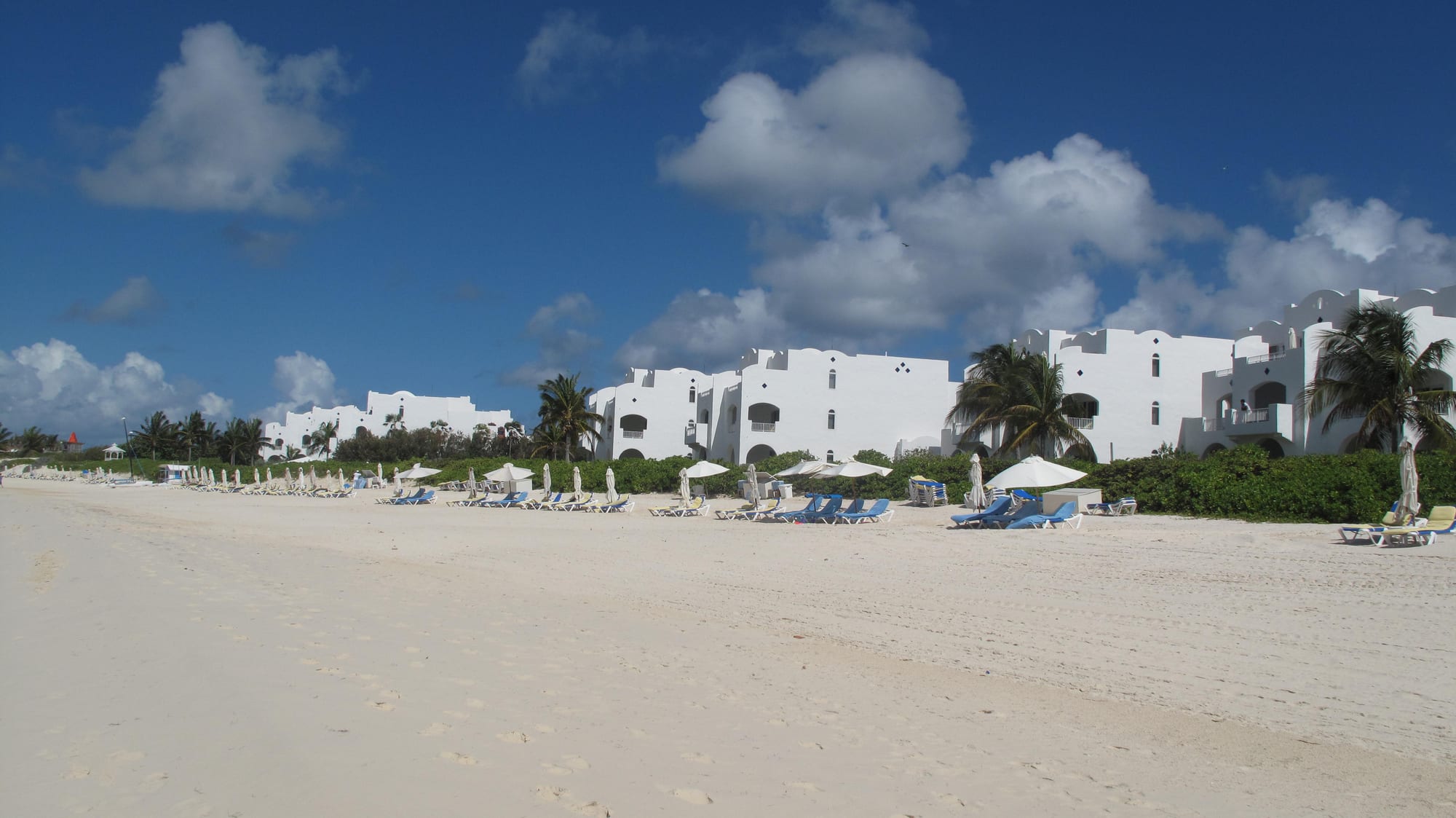
Rendezvous Bay is a long, gently curving beach on the south side, facing the green peaks of French Saint-Martin across a narrow channel. The sand is soft, the water is calm and shallow a long way out, and a couple of resorts and beach bars are spaced far enough apart that it never feels busy.
It has a place in the island's history: it was here that 400 French troops landed in 1796 in a raid that failed to capture the island, and behind the beach lies Rendezvous Bay Pond, an old salt pond now an Important Bird Area.
3. Sandy Ground and Road Bay
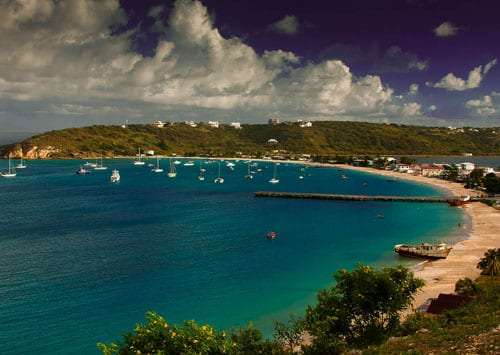
Sandy Ground is the closest thing Anguilla has to a town by the water: a low sand bar between the sea and a salt pond, lined with fishing boats, dive shops, and the island's best-known bars and live-music spots. Behind it lies a disused salt pond, and in March 1969 British troops came ashore on the beach here in the peaceful landing that kept Anguilla British.
This is where boats leave for the offshore cays, where the fishing fleet comes in, and where a lot of Anguilla's evenings end up. It is walkable, unpretentious, and central.
4. The west-end beaches: Maundays, Cove, and Meads Bay
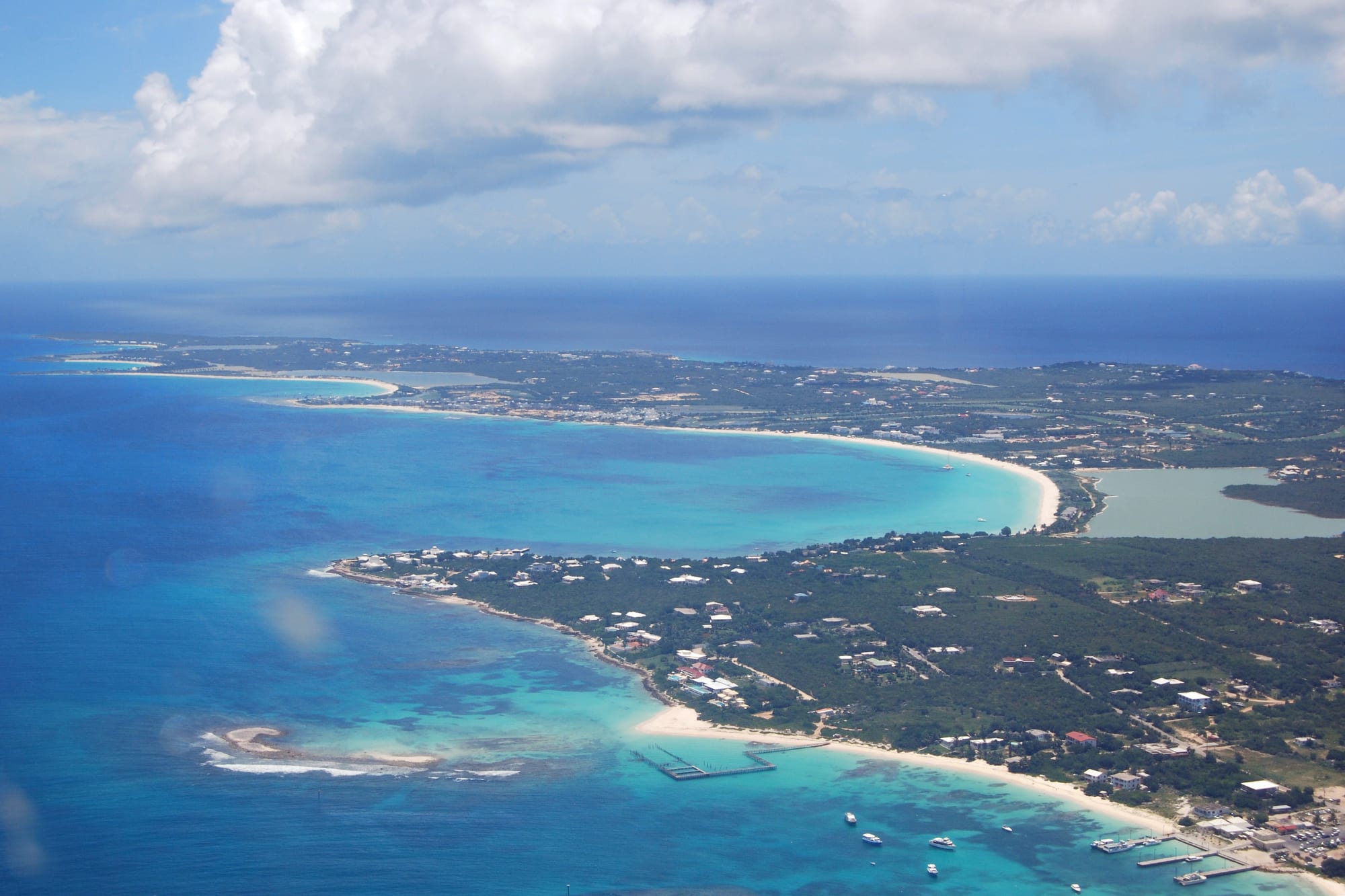
The western tip of the island holds a run of beaches that are, if anything, even better than Shoal Bay and even quieter. Maundays Bay, fronting the Cap Juluca resort, is a flawless crescent; Cove Bay next door is largely undeveloped; Meads Bay, on the north side, is a long stretch of restaurants and low-key luxury hotels.
Barnes Bay and Little Bay round out the corner. A whole trip can be spent just working along this coast.
5. Sandy Island
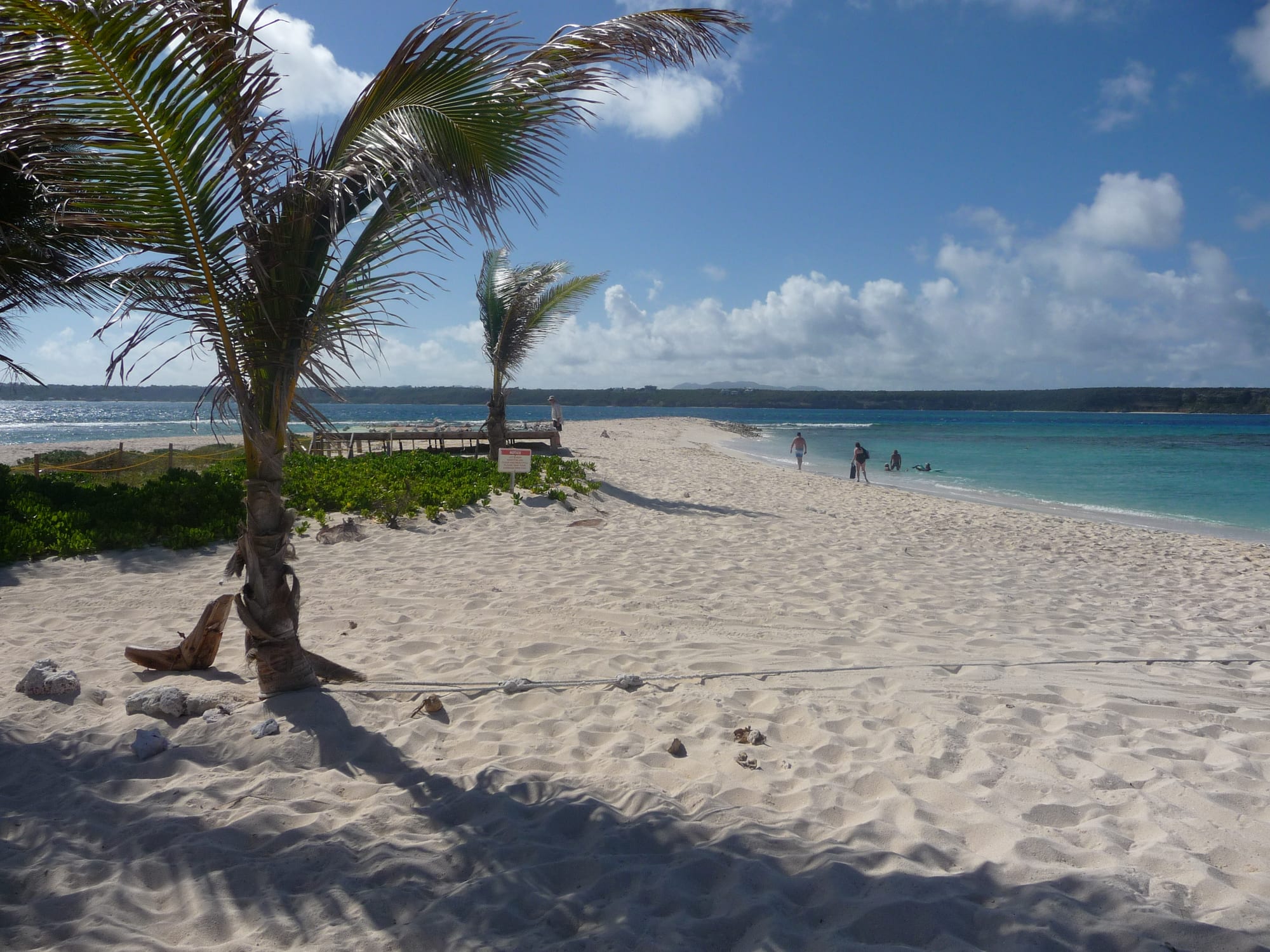
Sandy Island is barely an island at all: a curl of white sand about 270 yards long with a reef around it, known for its seabed and its beach restaurant. A boat from Sandy Ground takes about 15 minutes.
Visitors come to snorkel the surrounding reef and do very little else. It is the classic Anguilla half-day, and a reminder of how exposed these cays are — Hurricane Luis submerged the island in 1995, and Hurricane Irma in 2017 destroyed its buildings and vegetation, leaving a bare sand bar.
6. Prickly Pear Cays
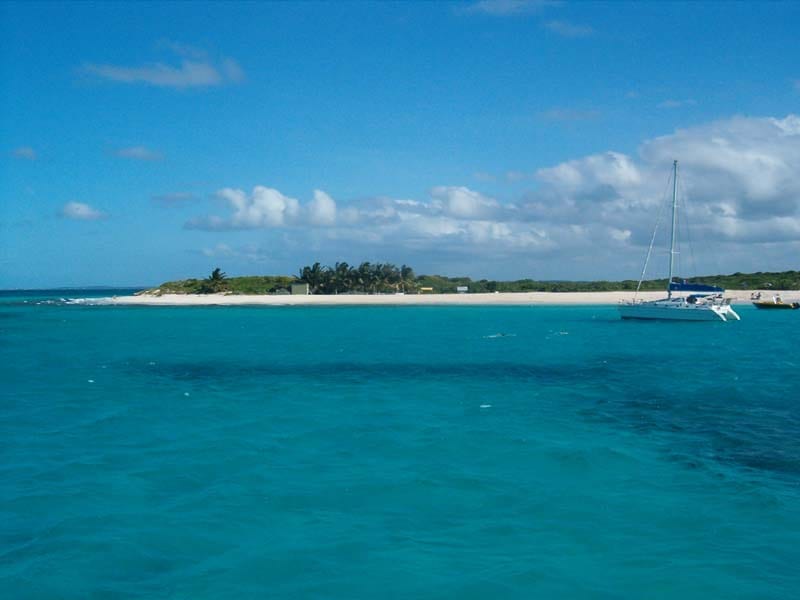
Prickly Pear East and West sit about 6 miles north of Road Bay, across a stretch of open water, and make a full day out by catamaran or sailing boat. There is a good beach on the east cay, an underwater canyon of ledges and caves for snorkelling and diving, and rugged shores where brown boobies, pelicans and tropicbirds live.
The cays are a protected marine park with permanent moorings, one of six marine protected areas in Anguilla. Trips go only when the weather permits.
7. The Heritage Collection Museum
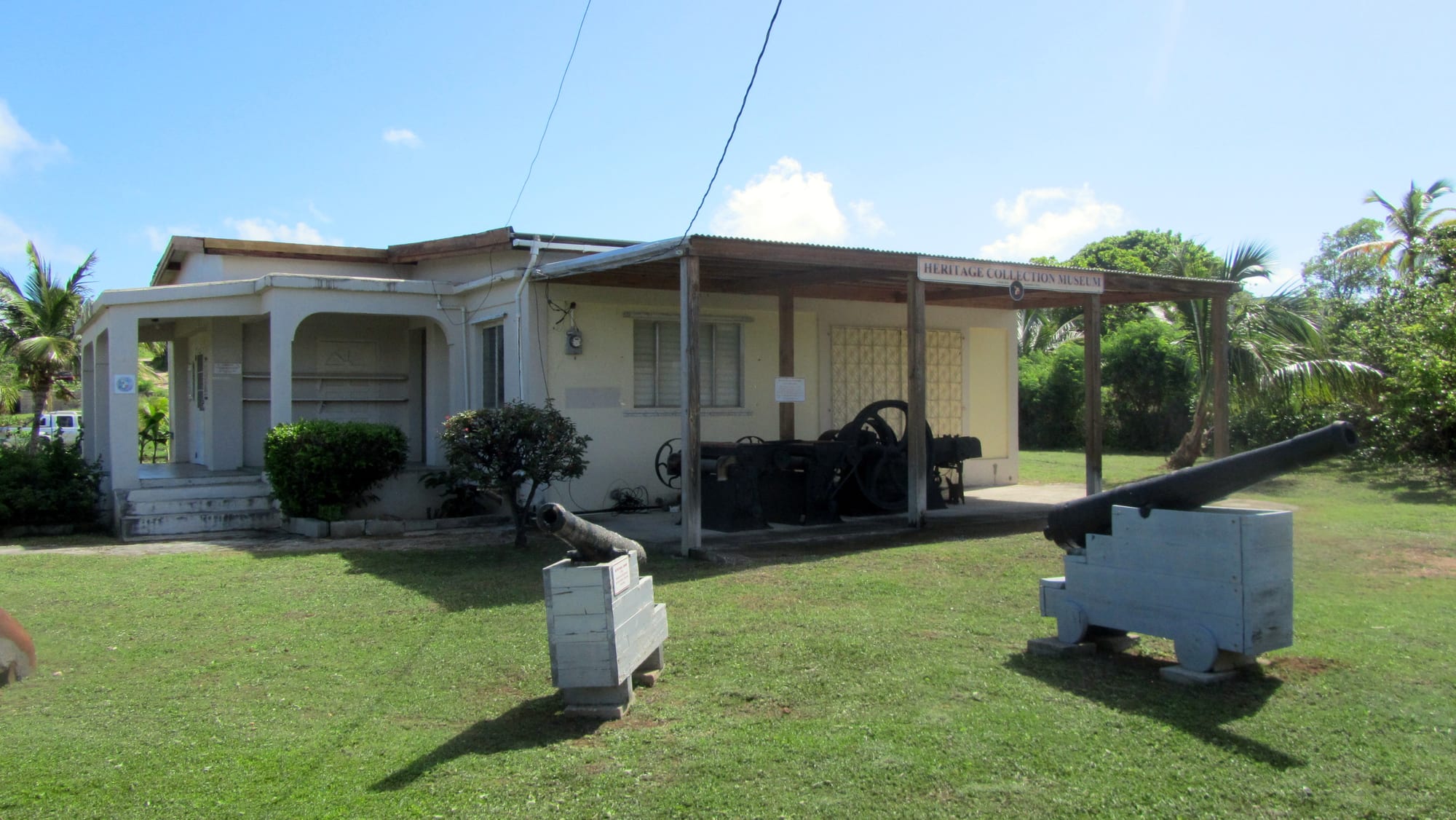
For almost three decades this small private museum at East End was the place to understand the island: Arawak artefacts, relics of the period of slavery and of 20th-century emigration, and a detailed account of the 1967–69 "Anguilla Revolution," when the island rebelled against being tied to Saint Kitts and asked to be a British colony again. Anguilla also has pre-Columbian petroglyphs at Big Spring and the Fountain Cavern.
Founded in 1996 by the historian Colville Petty, it closed in March 2024 and handed its collection to the government for a new Anguilla National Museum in the restored Old Court House, which had not yet opened as of 2025.
Anguilla is a place to do less. Rent a car, pick a different beach each day, eat well — the island takes its food seriously, from beach shacks to the resort kitchens — and take a boat to a cay when the water is calm.