Food · Anguilla
Anguilla: Food and the National Dish
An island too dry for plantations to thrive, built instead on salt and fishing, now known across the Caribbean for its crayfish, its grills, and an outsized cluster of fine dining
By Globeway Editorial · 30 September 2026
An island where plantations never thrived
Anguilla is unusual among Caribbean islands in what it was not: a flat coral and limestone strip with thin, dry soil, it never supported the large, successful sugar plantations that shaped the food of many of its neighbours. Early English settlers grew tobacco and cotton, and later sugar, but the plantations were largely unsuccessful; in the 19th century the island's main trade was salt, evaporated in its ponds and exported to the United States and neighbouring islands, alongside fishing and boatbuilding. That history left a food culture closer to a fishing village's than a plantation island's — built around what the sea gave up, what salt could preserve, and what a small, resourceful population could grow in poor ground, topped up by whatever arrived by boat. It also left Anguilla with a strongly seafaring identity, still visible in its national sport of boat racing.
No single national dish — but a clear answer
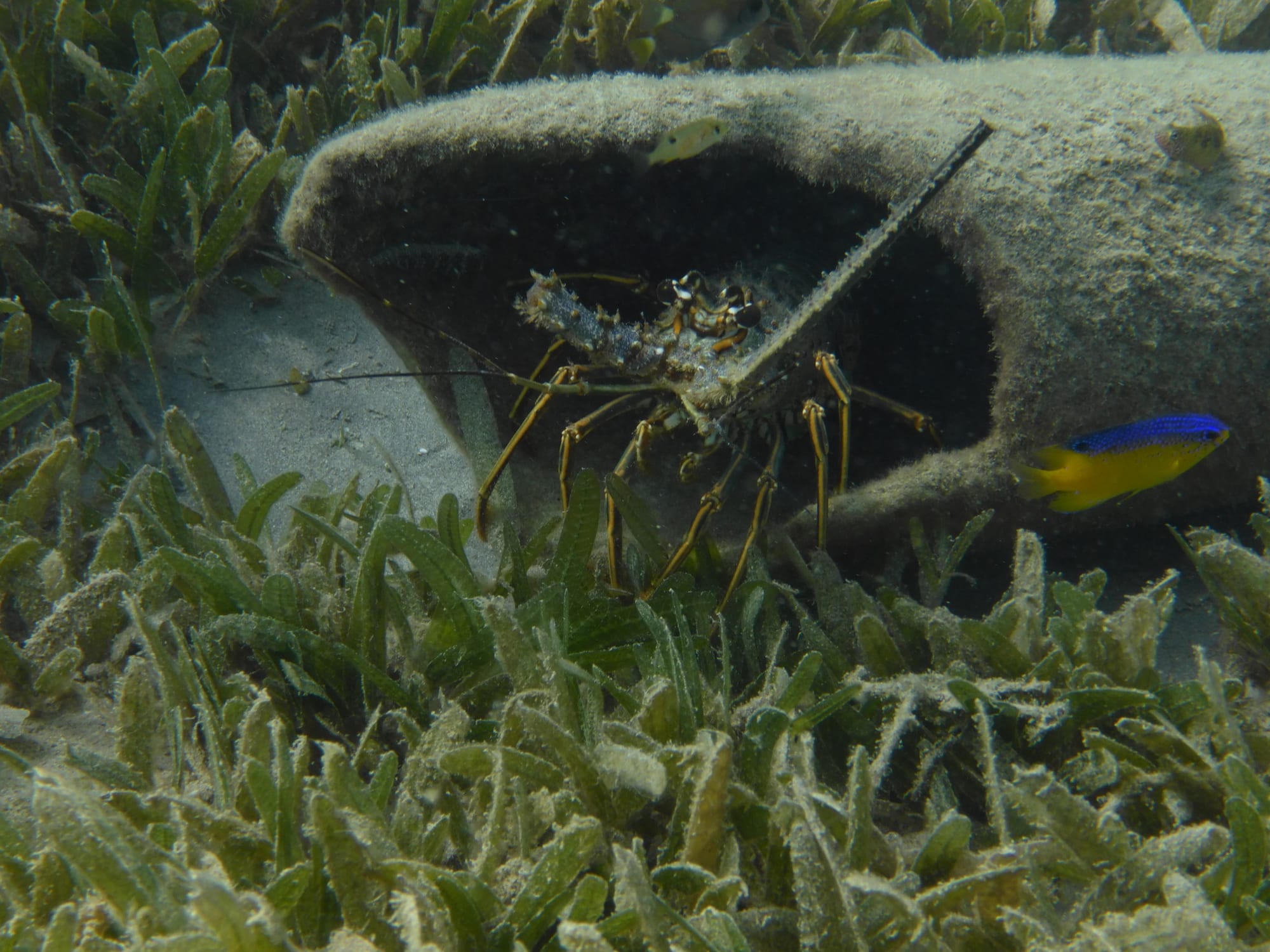
Anguilla has no official national dish in the way a larger country might. Ask an Anguillian what to eat, though, and the answer comes quickly: spiny lobster and the smaller local crayfish, pulled from the reefs around the island and grilled or stewed. The island holds an annual Lobster Fest built around them, and lobster and other local seafood are the closest thing the island has to a signature dish.
Rather than one plate, Anguilla's real food identity is a style of cooking: whole fish and ribs, slow-grilled over wood or charcoal at simple beach shacks, sold by the plate to locals and visitors alike. It has earned the island an outsized reputation — Anguilla is widely regarded as one of the Caribbean's leading food destinations, on the strength of both this beach-grill tradition and a cluster of fine-dining restaurants built up around its luxury resorts, a striking contrast for an island of some 15,000 people. The most famous example is Blanchard's, a restaurant on Meads Bay whose owners' account of opening it, A Trip to the Beach (2000), drew many visitors to the island; at the informal end, beach bars such as Bankie Banx's Dune Preserve have built their own reputations on a laid-back beach setting that could not be further from fine dining, yet both are genuinely part of how the island eats.
What Anguillians actually eat
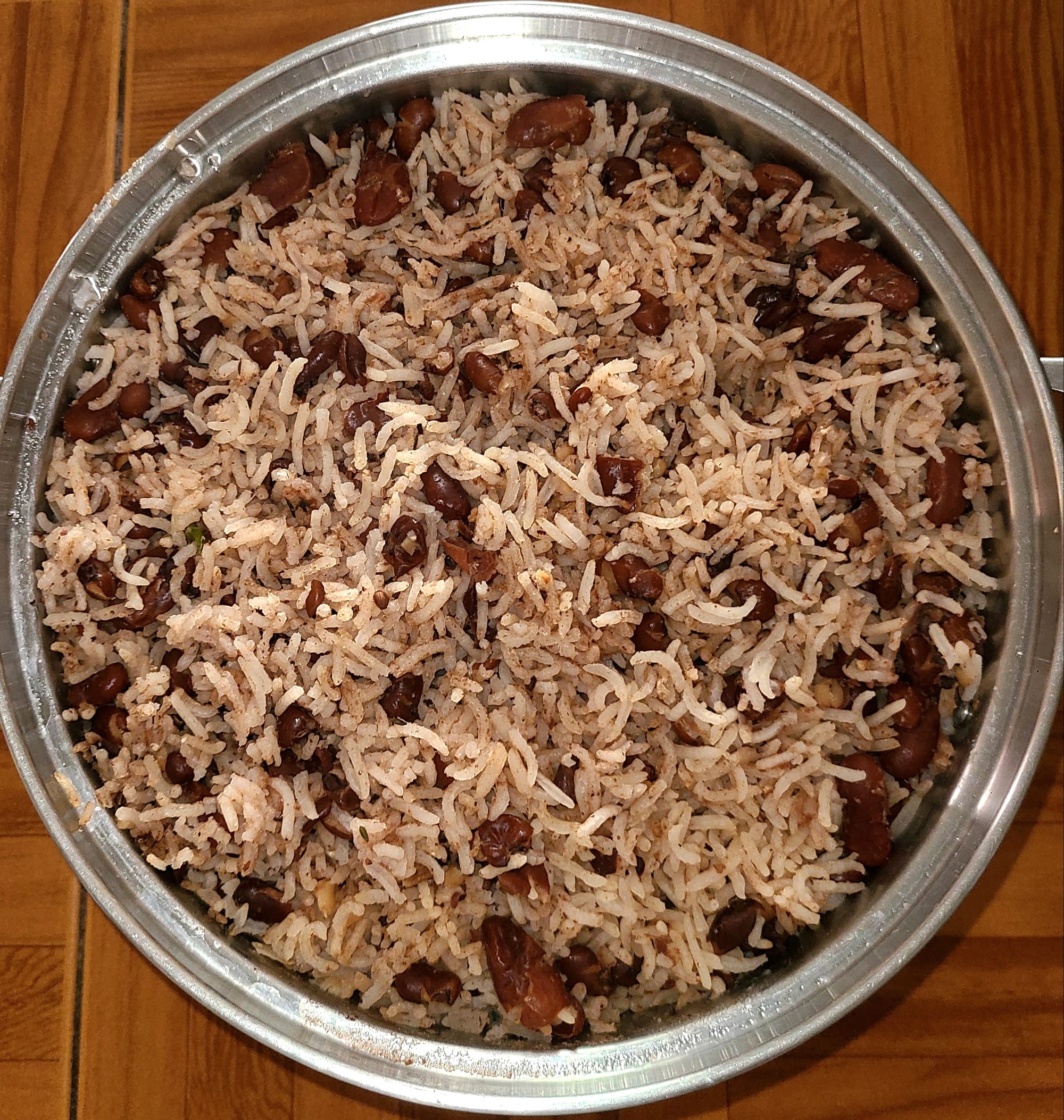
Day to day, the food is standard English-speaking Caribbean fare, shared with Antigua, St Kitts and the rest of the eastern islands rather than distinct to Anguilla alone. Rice and peas — rice cooked with pigeon peas or kidney beans and coconut milk — is the everyday starch. Johnnycake, a fried or baked flour or cornmeal bread, and saltfish, dried and salted cod rehydrated and cooked with onion, tomato and pepper, are both breakfast staples with roots in the era before refrigeration. Goat, the most commonly eaten meat, and chicken are stewed or curried, and dumplings are a common side.
Because the island's sandy soil grows relatively little, a large share of what Anguillians eat is imported, much of it from or through neighbouring Saint Martin, a short ferry ride away, and from the United States. What is grown locally tends to be small-scale: pigeon peas, tomatoes, peppers, limes, squash and callaloo greens, alongside what boats bring in from the surrounding reefs.
Dishes to know
- Crayfish and spiny lobster — grilled, stewed or curried; the closest thing
the island has to a signature ingredient, and the centre of the annual Lobster Fest.
- Ribs and grilled fish — slow-cooked over wood or charcoal at beach shacks,
the everyday version of Anguilla's food reputation.
- Saltfish — dried, salted cod, soaked to remove the salt and cooked down with
onion, tomato and sweet pepper. A breakfast staple with roots in the days before refrigeration, when salt itself was the island's main trade.
- Goat and chicken stews or curries — often called "stew goat" or "curry
chicken", cooked slowly with peppers, thyme and local allspice.
- Johnnycake and dumplings — a fried or baked flour or cornmeal bread and
boiled or fried dough, both standard sides to fish and stews.
Drinks and occasions
Rum punch is the standard visitor's drink, made with local or imported Caribbean rum, and ginger beer and sorrel — a spiced drink made from hibiscus petals — are traditional, sorrel especially at Christmas. Ting, a grapefruit soda found across the English-speaking Caribbean, and Malta, a sweet non-alcoholic malt drink, are both common alternatives to a full-strength drink.
Anguilla's national sport is boat racing, in traditionally built wooden sailing boats raced from the beach, and it doubles as the island's biggest food occasion. Race days, especially around Anguilla Day at the end of May and the August Summer Festival, or Carnival, bring out vendors grilling ribs and fish and selling stewed goat and cold drinks to crowds watching from the sand — genuinely more central to Anguillian food culture than anything served in a restaurant.
Eating as a traveller
Seafood — crayfish, snapper, mahi-mahi — is the highlight and usually the freshest, least imported thing on the menu. Vegetarian options exist but are limited outside the resort restaurants, since most everyday dishes are built around meat or fish. The island has little fresh water of its own, and many visitors stick to bottled. Because so much has to be shipped or flown in, eating out in Anguilla — especially at its well-known fine-dining tables — can be markedly more expensive than on nearby islands; the beach shacks selling grilled fish and ribs are the better-value, and arguably more authentic, way to eat.
What to take from the table
Anguilla's food story is really a story about the sea standing in for the plantations the island never had: crayfish and grilled fish rather than sugar and rum-house cooking, and a reputation for good eating that rests on freshness and a good fire rather than complexity.