Food · Antigua and Barbuda
Antigua and Barbuda: Food and the National Dish
A cornmeal paste and a hearty stew that make up the national dish, a pineapple often called the sweetest in the world, and two islands that eat rather differently
By Worldlore Editorial · 30 September 2026
Two islands, one small, hearty cuisine
Antigua and Barbuda's food sits squarely in the English-speaking Caribbean tradition: West African cooking techniques carried over by enslaved people and adapted to New World ingredients, laid under three and a half centuries of British rule and a sugar-plantation economy that shaped both the population and the food. Cornmeal, okra, pigeon peas, saltfish, root vegetables and whatever the sea provides do most of the work, seasoned generously but rarely fiercely hot. Barbuda, the smaller and far less populated of the two islands, eats a leaner, more self-sufficient version of the same cuisine, built more directly on lobster fishing, local livestock and deer.
The national dish: fungee and pepperpot
Antigua and Barbuda's national dish is a pair: fungee, a smooth, stiff paste of cornmeal cooked with okra until it comes together like a dense polenta, served alongside pepperpot, a hearty stew of meat, often salted, and a mix of vegetables and greens, typically including eggplant, spinach and more okra, simmered down until thick and richly seasoned.
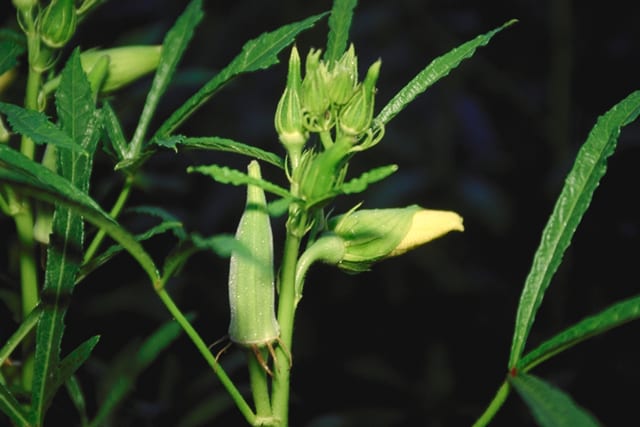
Fungee is eaten scooped up with a fork or spoon, taking the place bread or rice might in another cuisine, and its texture — smooth, a little stretchy, faintly slick from the okra — is distinctive enough that it is what most people picture when the dish is mentioned. Note that Antiguan pepperpot is a different dish from the pepperpot of Guyana, which is a dark, cassareep-based meat stew; the name is shared across the Caribbean for several unrelated dishes, and Antigua's version is the vegetable-and-okra one described here. Fungee and pepperpot is above all home cooking rather than restaurant food.
Where the cooking comes from
The cornmeal-and-okra technique behind fungee belongs to a wider family of dishes found wherever the transatlantic slave trade carried West African cooks and their methods — cou-cou in Barbados and funge in Angola are close relatives, and West Africa has many similar starch-and-okra pairings, such as Ghana's banku with okra stew. Okra travelled the same route and became one of the defining vegetables of Caribbean cooking as a result. British rule, which lasted from the 17th century until independence in 1981, built Antigua into a major sugar colony — the ruins of old sugar mills still dot the island — and left behind saltfish, cured and salted meats, and puddings and preserves in the English style. Antigua was also the Royal Navy's main Caribbean base for much of the 18th century, run out of English Harbour and Nelson's Dockyard, and the island still distils its own rum at Antigua Distillery, founded in
- More recently the everyday menu has taken in dishes from elsewhere in the
Caribbean, such as roti and curry from Trinidad and jerk meats from Jamaica.
Antigua and Barbuda, eaten differently
Antigua, home to the great majority of the population and almost all of the tourism industry, has the fuller version of this food culture: fish fry nights, roadside grills, rum shops, and restaurants ranging from simple to smart. Barbuda, some 30 miles north with a population in the low thousands, lives closer to the land and sea — lobster fishing is central to its economy, and deer meat, land turtle and locally raised livestock are regional specialities, with far less restaurant infrastructure behind them. The entire population was evacuated to Antigua after Hurricane Irma destroyed most of Barbuda's buildings in 2017, and the island has been rebuilding since; its food economy remains smaller and more locally based than Antigua's, a genuine difference between two halves of one small country.
Dishes to know
Five to recognise on any Antiguan or Barbudan table:
- Ducana and saltfish — a sweet potato and coconut dumpling, spiced and cooked
in a wrapping of banana or other leaves, classically paired with salted, rehydrated cod cooked down with onion and tomato. A common breakfast.
- Seasoned rice — rice cooked with meat, vegetables and a heavy hand of local
herbs and seasoning, closer to arroz con pollo than to plain rice and peas. Standard Sunday and party food.
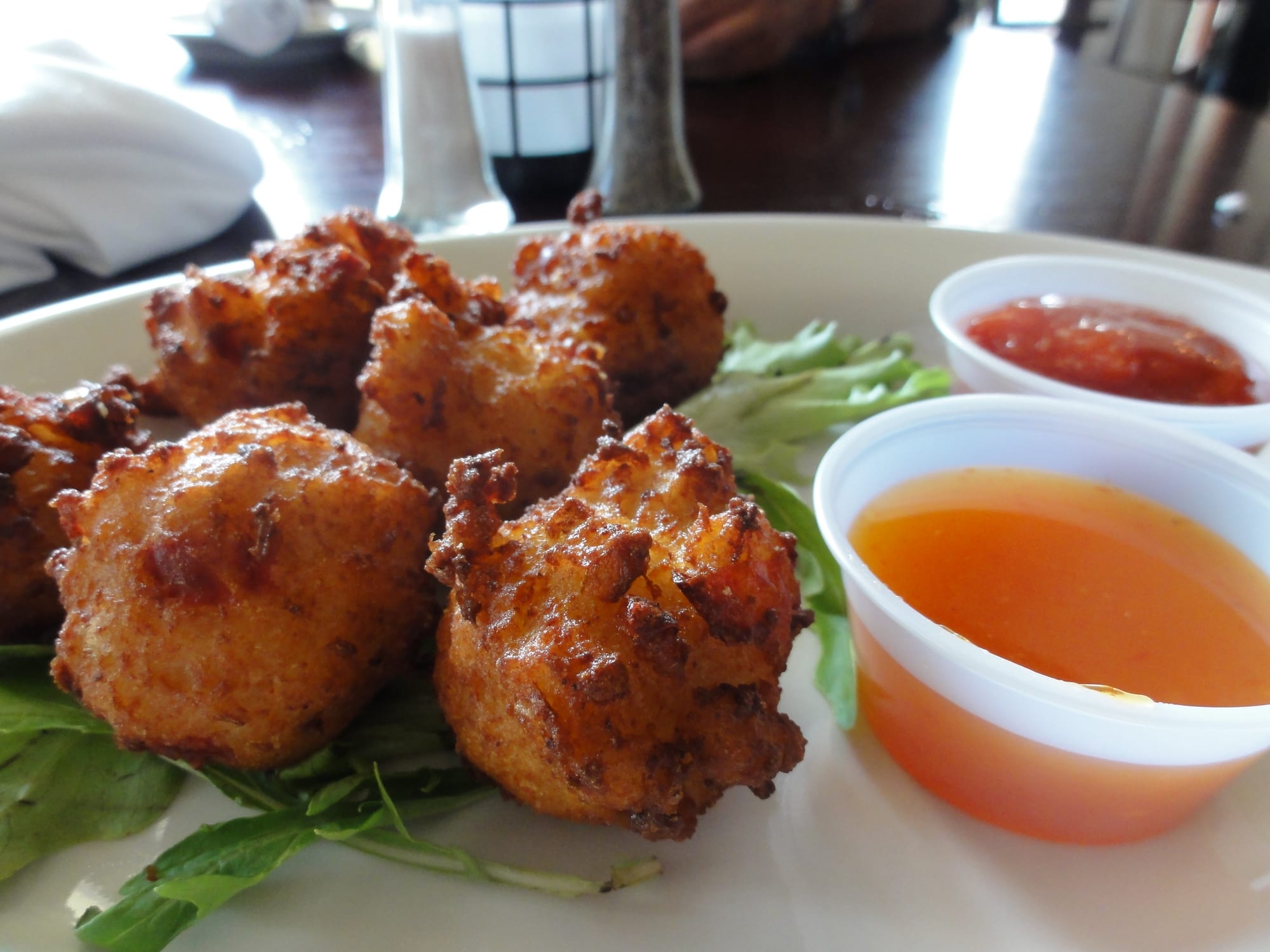
- Conch — stewed, curried, or fried into fritters,
from the large marine snail fished around both islands' reefs.
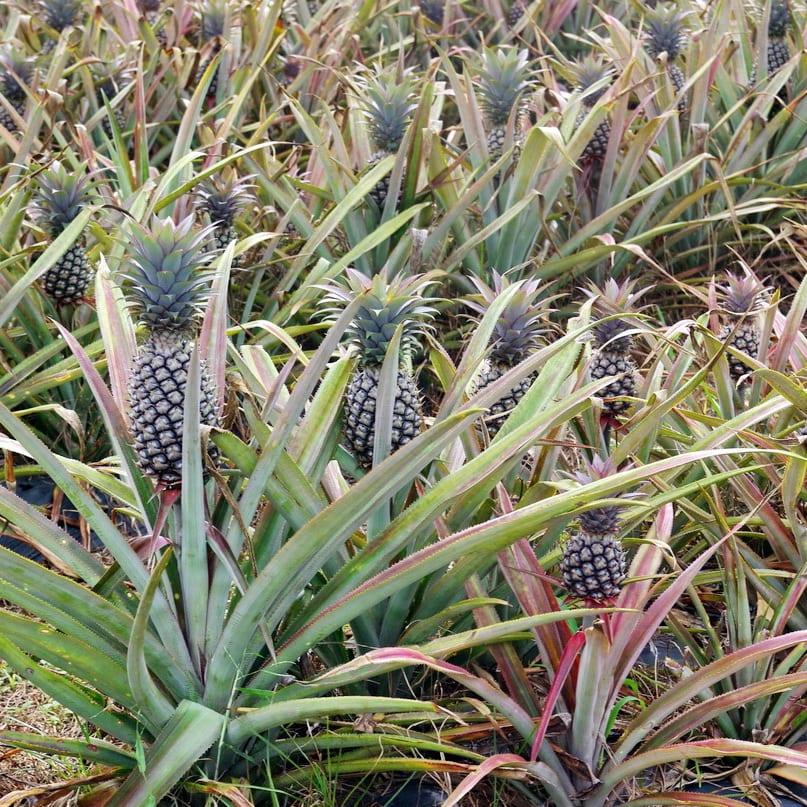
- Antigua black pineapple — eaten fresh, juiced, or made into desserts and
pies; treated as a point of local pride.
- Goat water — a slow-cooked stew of goat meat and spice, found in several
Caribbean countries, Antigua included, though it is best known as the national dish of Montserrat rather than of Antigua and Barbuda.
Roti, borrowed from Trinidad's Indo-Caribbean cooking, is a common lunchtime choice, and rice and peas — the simple, everyday version, without seasoned rice's extra meat and spice — appears on almost every plate lunch.
Drinks
Wadadli, named after a local name for Antigua that derives from its Indigenous Arawak name, is the local beer and the default order at a bar. Antigua Distillery produces English Harbour rum, an award winner, and Cavalier, the most popular rum at home, and rum punch is the standard visitor's drink. Ginger beer, ginger tea, sorrel at Christmas, and mauby — a bittersweet drink brewed from the bark of Colubrina trees — round out the non-alcoholic side, alongside sea moss, a seaweed-based drink often mixed with milk and spice and treated as something of a tonic.
Sunday cooking and market days
Sunday remains the week's big meal across Antigua, when a family will put on fungee and pepperpot or a pot of seasoned rice and cook enough to feed whoever turns up, a habit shared across much of the Caribbean. Public market days in St John's, the capital, are still where much of the island buys its produce, ground provisions and fish, and roadside vendors selling grilled corn, fried snacks and fresh coconut water are a constant feature of both islands' roads.
Eating as a traveller
Seafood — conch, lobster, snapper — is the most reliable highlight and is usually landed nearby. Vegetarians can eat reasonably well around rice and peas, ground provisions and vegetable sides, though pepperpot itself contains meat and most stocks are meat-based. Many visitors prefer bottled water. Village fish fry nights are a good, inexpensive way to sample a wide spread of local food in one place, and are a far better guide to everyday Antiguan eating than the all-inclusive resort restaurants most visitors never leave.
What to take from the table
Fungee and pepperpot is the dish to try first, and the black pineapple the thing to look for afterwards — often said to be the sweetest pineapple anywhere, and grown on the island since before Europeans arrived.