History · Aruba
Aruba: Gold, Oil, and Status Aparte
An arid island the plantation system passed over — home to the Caquetío, a Dutch livestock reserve, an oil-refinery boomtown, and a country that won its own status and then declined independence
By Worldlore Editorial · 30 September 2026
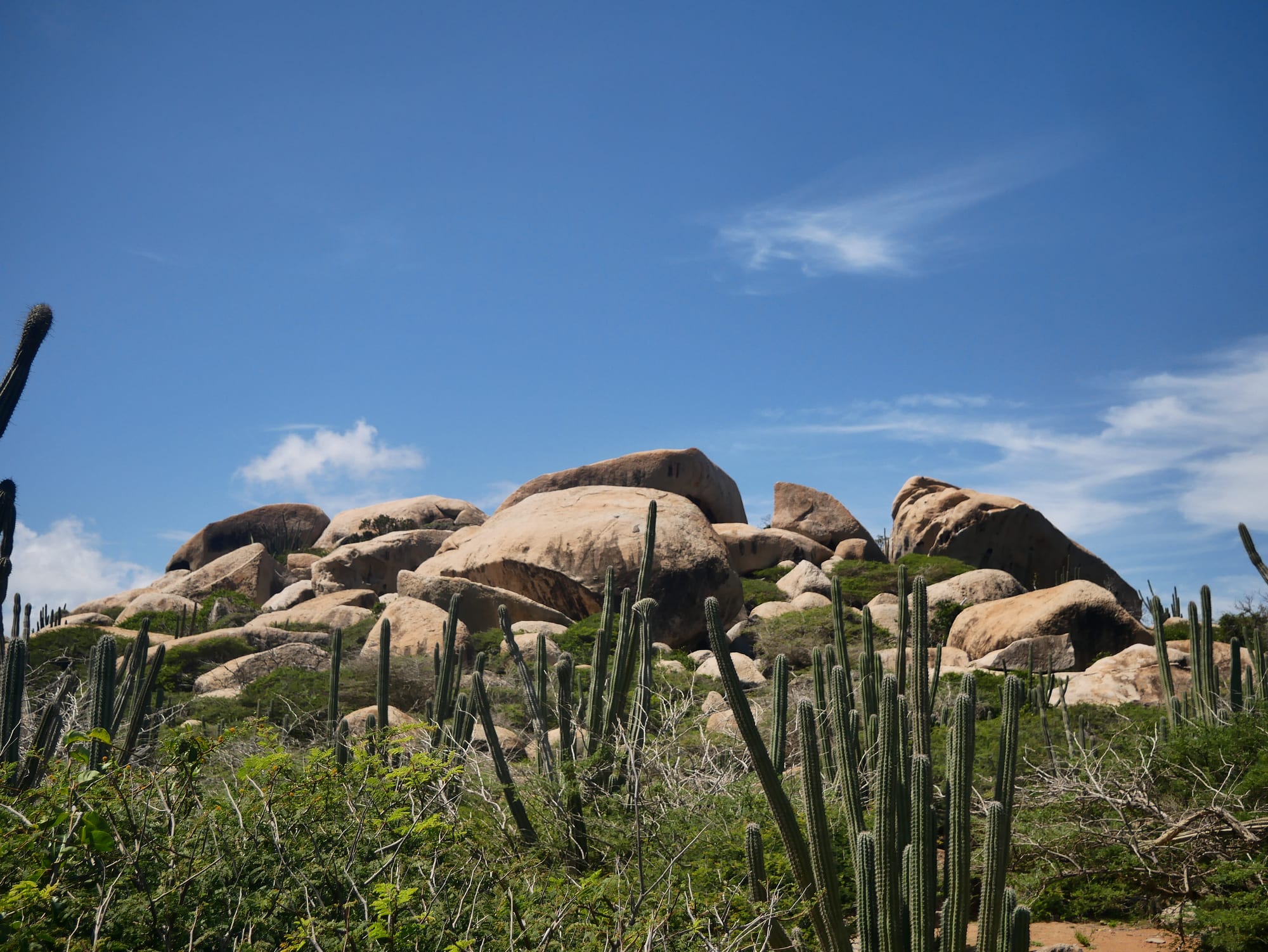
An island too dry to plant
Aruba lies about 29 kilometres off the coast of Venezuela, a low limestone-and-lava island of 180 square kilometres, covered in cactus and wind-bent divi-divi trees, with too little rain for farming and no natural fresh water to speak of. That dryness shaped everything. The sugar-and-slavery economy that defined the rest of the Caribbean never took hold here, so Aruba's history is not one of plantations but of a series of other uses outsiders found for a barren island: a cattle range, a gold field, and finally one of the largest oil refineries in the world.
A short history
- from c. 1000 CE
The Caquetío
Arawak people from the Venezuelan mainland settle Aruba and leave rock art in its caves.
- 1499
Spain
Aruba is claimed for Spain, which dismisses the region as the "useless islands".
- 1636
The Dutch
The Dutch West India Company takes Aruba and runs it mainly as a livestock ranch.
- 1824
Gold
A gold strike sets off decades of mining.
- 1924–1929
Oil
A giant refinery is built at San Nicolas to process Venezuelan crude.
- 1985
The refinery closes
Its shutdown throws the island into crisis; tourism takes over.
- 1 January 1986
Status Aparte
Aruba leaves the Netherlands Antilles as a separate country within the Kingdom.
- 1994
Independence cancelled
Aruba and the Netherlands agree that Aruba will stay in the Kingdom.
The Caquetío
Aruba was settled around a thousand years ago by the Caquetío, an Arawak-speaking people who crossed from what is now Venezuela and were part of a chiefdom based on the mainland. They farmed where they could, fished, and left paintings in ochre on the ceilings of caves such as Fontein and on rocks elsewhere on the island. Unlike most Caribbean islands, Aruba was not emptied of its first inhabitants: a Caquetío-descended population survived the colonial centuries, and many Arubans today trace their ancestry partly to it.
The useless islands
Spain claimed Aruba in 1499 and found nothing it wanted. With no gold and no water for cane, the Spanish crown wrote the region off as the islas inútiles, shipped some of the Caquetío to Hispaniola as forced labour, and otherwise left the island to a handful of settlers and their cattle. In 1636 the Dutch West India Company seized Aruba during its long war with Spain. The Company made nearby Curaçao its great slave-trading base, but it kept Aruba mainly as a ranch for horses and cattle. Slavery did exist on Aruba, but plantation slavery never developed on the scale of other Caribbean islands; much of its colonial society was made up of people of Caquetío, mixed and African descent, herding and smuggling on the margins of empire.
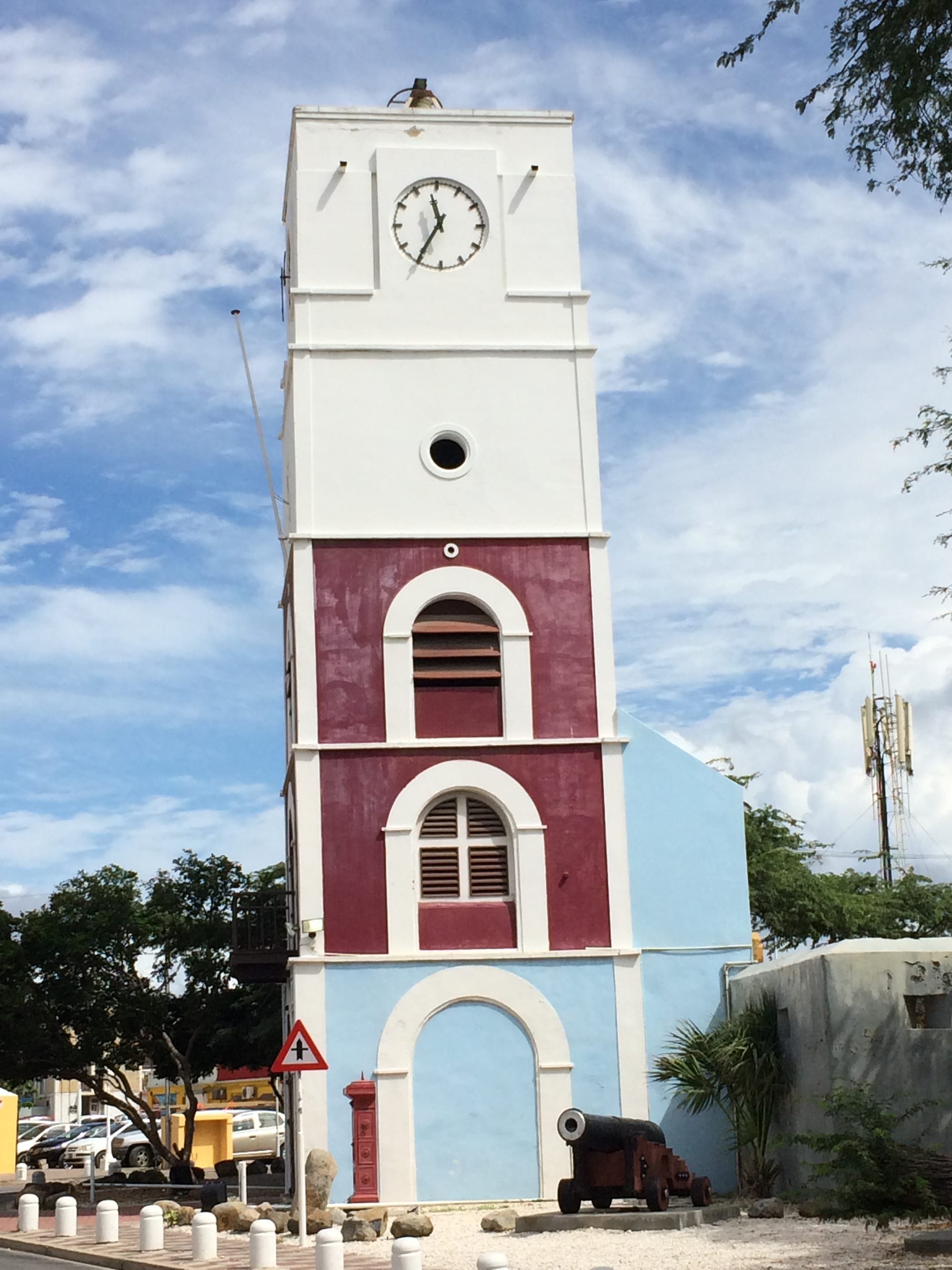
Britain held Aruba during the Napoleonic Wars, from 1806, before it returned to Dutch hands for good in 1816. The Dutch built Fort Zoutman to guard the harbour at Oranjestad, which grew into the island's capital.
Gold, then aloe
In 1824 gold was found in the hills of the north coast, and Aruba had its first boom. The colonial government mined and then leased the workings, and built smelting plants — at Bushiribana in the 1870s and Balashi around 1900 — whose ruins still stand. Aruba exported gold for most of the 19th century, until the ore ran too thin to be worth the cost around the time of the First World War. Alongside it, the island became one of the world's leading producers of aloe, grown for the sap used in medicines and cosmetics; phosphate was quarried too.
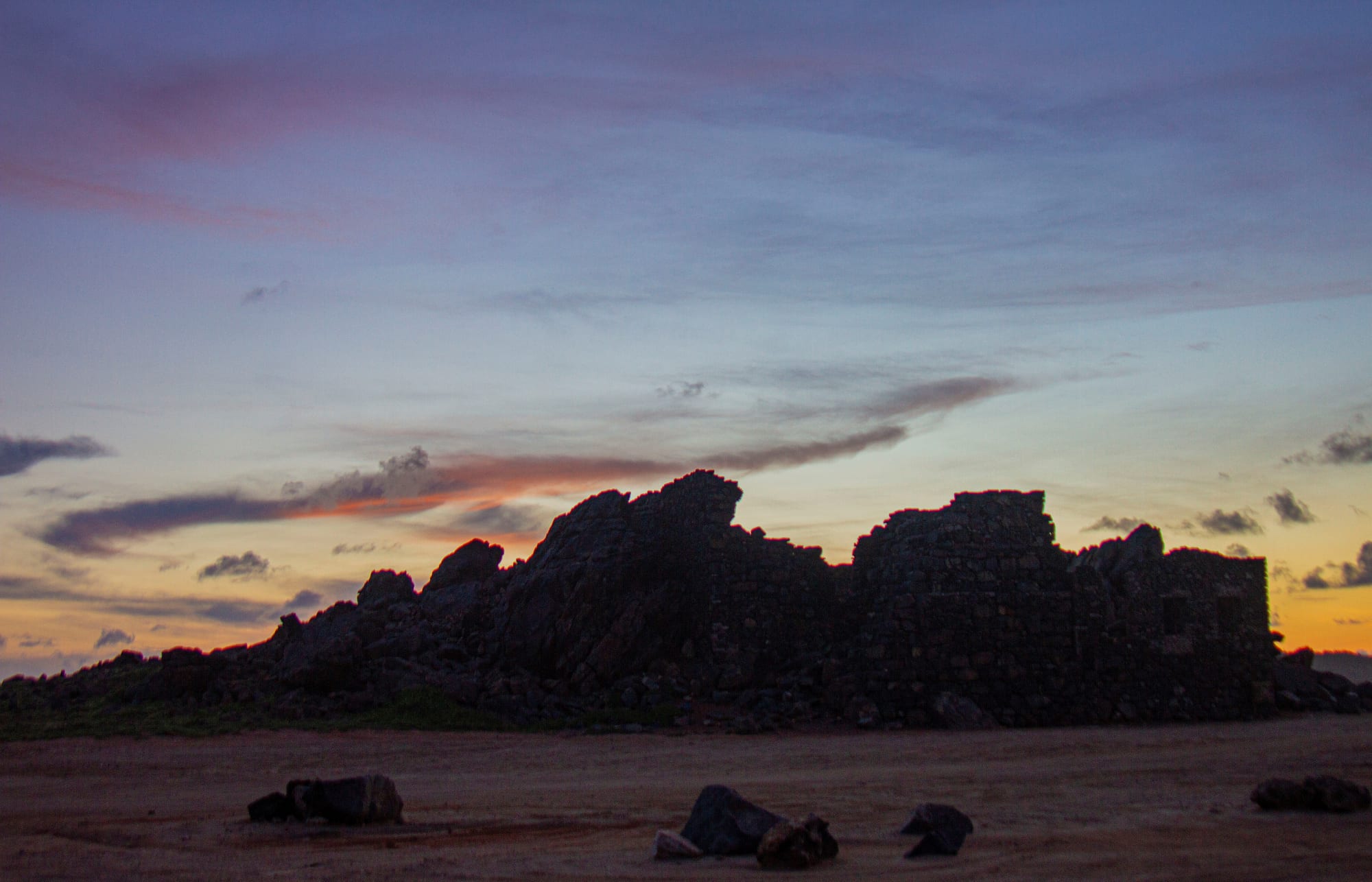
The gold-bearing quartz was hauled here by cart, crushed, and roasted in the furnaces whose stone shells still face the sea. When the mine at Balashi opened around 1900 the works moved there, and Bushiribana was left to the wind.
The oil island
Everything changed in the 1920s. The huge oilfields around Lake Maracaibo, in Venezuela, needed refineries somewhere stable, and Aruba — with a deep harbour at San Nicolas, Dutch rule, and a workforce close at hand — was chosen. The Lago refinery, later owned by Standard Oil of New Jersey, began operating in the late 1920s and grew into one of the largest in the world; a second, smaller refinery, Eagle Oil, operated near Oranjestad. During the Second World War the Lago plant was a vital supplier of Allied aviation fuel, and on 16 February 1942 the German submarine U-156 attacked it and the tankers offshore.
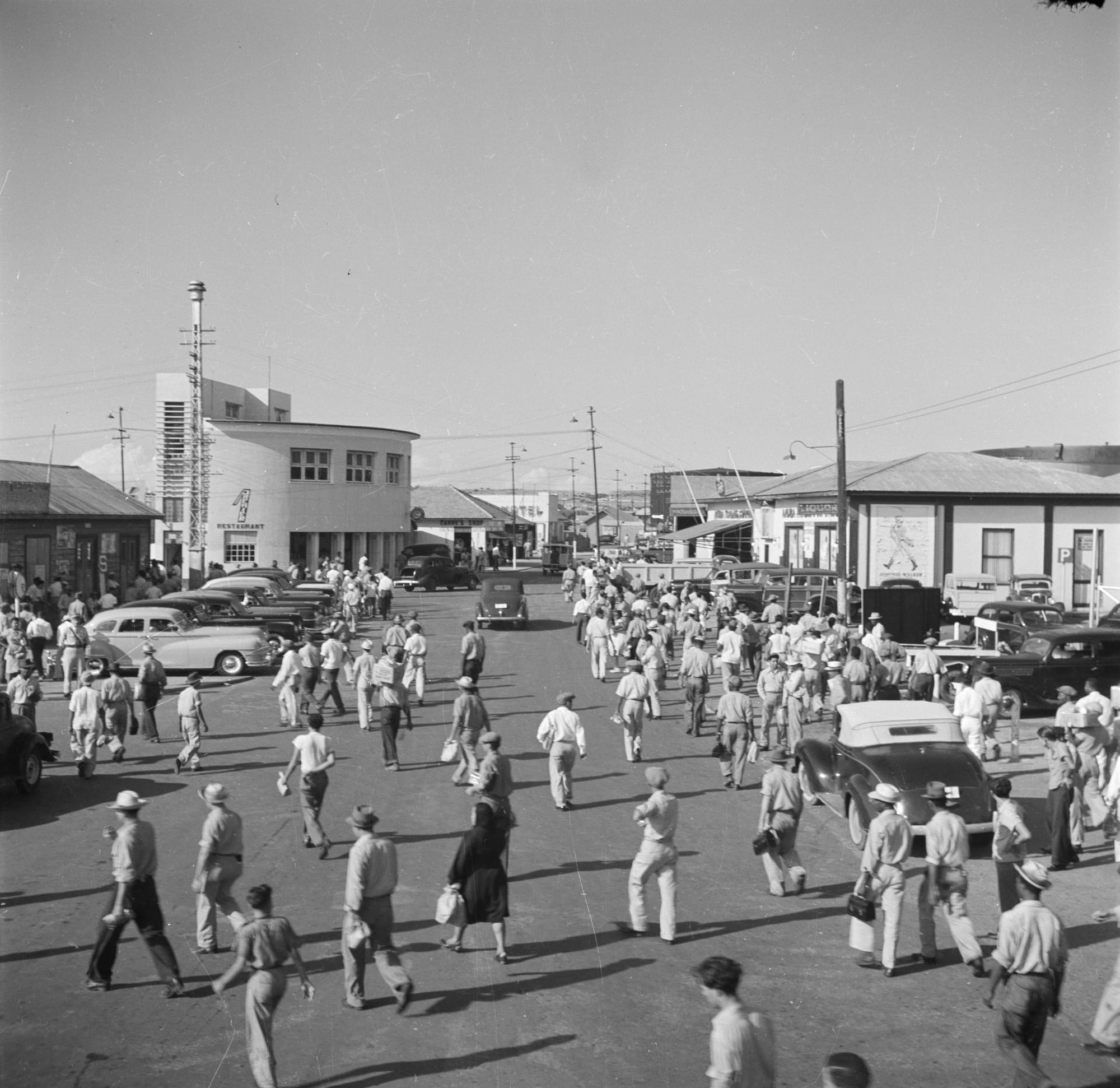
The refinery remade Aruba. It turned a poor herding-and-mining island into a wage economy with one of the highest standards of living in the Caribbean, and it made San Nicolas a cosmopolitan town of migrant labour. When the closure of the Lago plant by Exxon in 1985 removed that economy almost overnight, the island was left with mass unemployment and had to find something else fast. It found tourism.
Status Aparte
Politically, Aruba spent the mid-20th century chafing against Curaçao. The two islands, with Bonaire and the Dutch islands further north, had been joined in 1954 into a self-governing federation, the Netherlands Antilles, whose government sat in the Curaçao capital, Willemstad. Many Arubans felt ruled by a rival island, and an autonomy movement grew up around Gilberto François "Betico" Croes and his party, the MEP. After a referendum and years of talks, the Netherlands agreed in 1983 that Aruba could leave the federation.
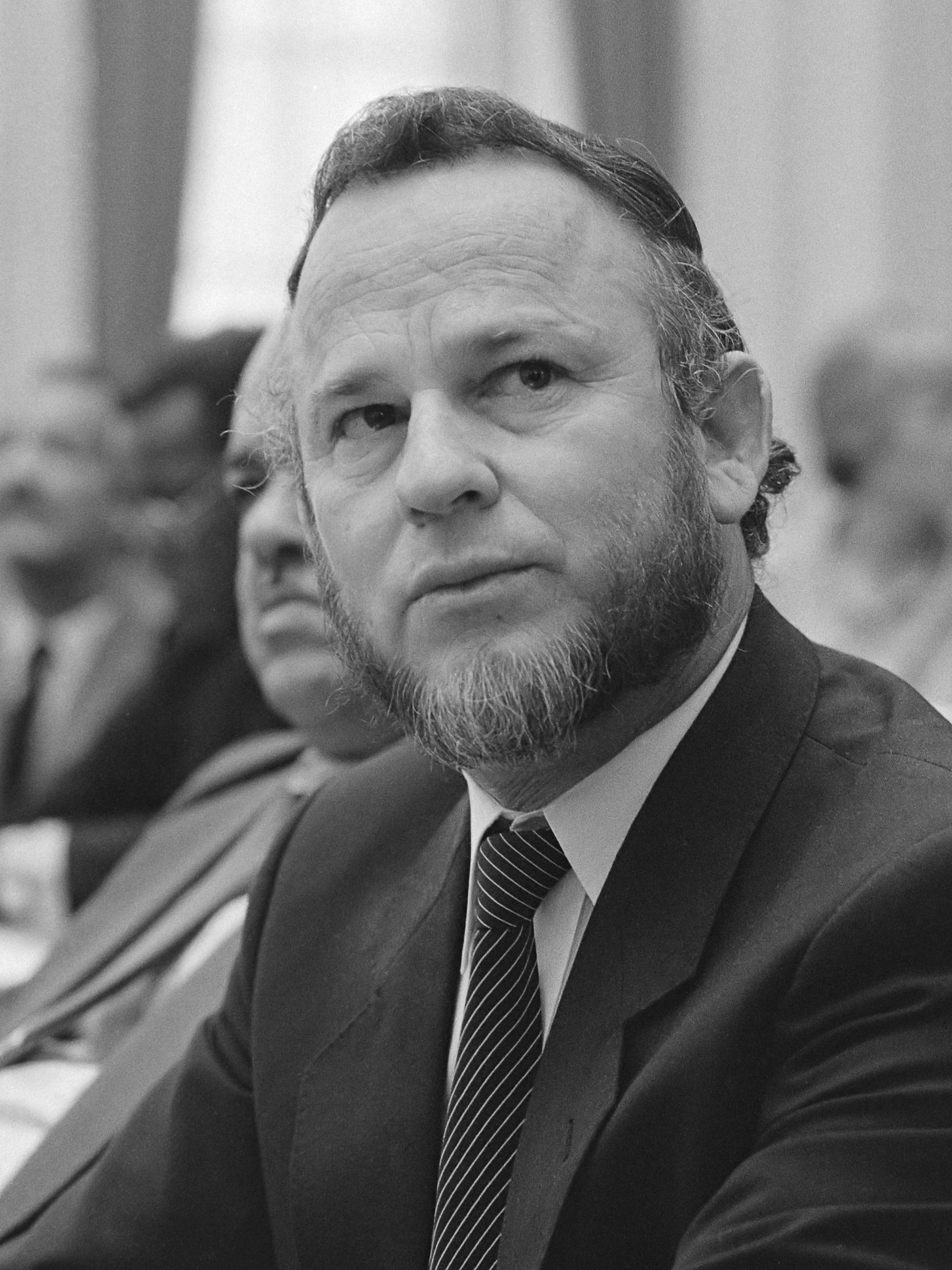
On 1 January 1986 Aruba became a separate country within the Kingdom of the Netherlands — its "Status Aparte" — with full independence scheduled for 1996. But by the early 1990s, with the oil economy gone and the risks of going it alone clear, opinion had shifted. In 1994 Aruba and the Netherlands agreed to drop the independence timetable. Aruba remains one of the four constituent countries of the Kingdom, self-governing in its own affairs, and shows no sign of wanting to leave.
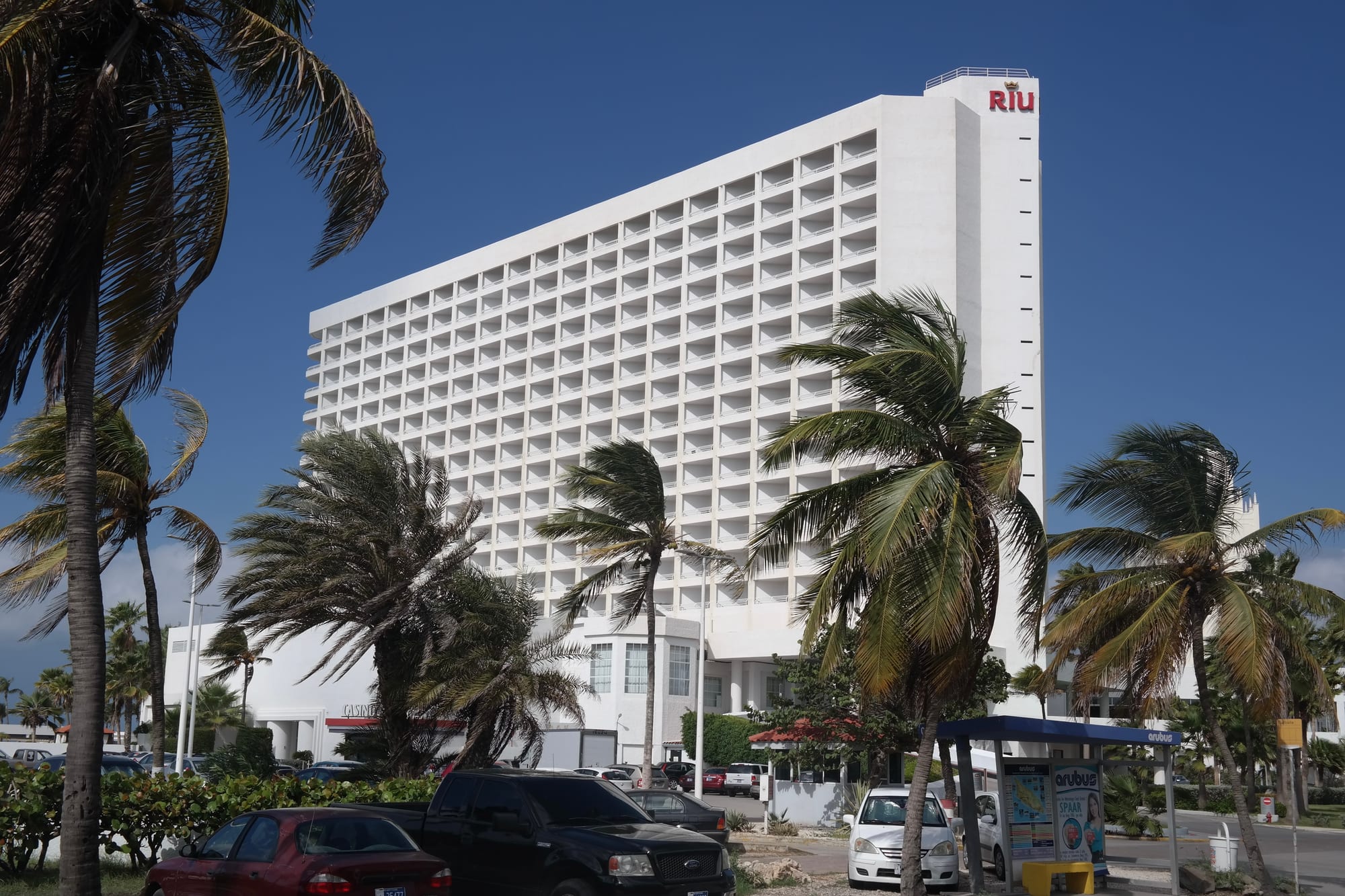
The high-rise strip on Palm Beach grew rapidly after 1985. Aruba now draws well over a million visitors a year, most of them American, on an island of about 110,000 people.
What Aruba keeps
Aruba's dryness spared it the plantation, and with it much of the demographic rupture the rest of the Caribbean went through — which is part of why Papiamento, the island's creole tongue, and a sense of Caquetío roots remain so central to Aruban identity. The island has lived off whatever the outside world found valuable in it: cattle, gold, aloe, refined oil, and now sunshine. When it finally had the chance to become a country in its own right, it chose instead to keep the Dutch connection and the security that came with it.