Attractions & Natural Wonders · Benin
Benin: Eight Attractions and Natural Wonders
The birthplace of Vodun, a lake city built entirely on stilts, the mud palaces of a warrior kingdom, and West Africa's best surviving savannah wildlife
By Worldlore Editorial · 30 September 2026
The home of Vodun
Benin is a narrow country running north from a short Atlantic coast, and it packs a lot of history into that strip. It was the seat of the kingdom of Dahomey, one of the most organised and militarised states in pre-colonial Africa; it was a major departure point of the transatlantic slave trade; and it is the birthplace of Vodun (voodoo), practised openly and honoured with a national holiday.
The eight below run from the coast to the far north. The south, around Cotonou, holds most of them and is easily toured; Pendjari, in the north, is a long drive or a domestic flight. November to February is the cool, dry season.
1. Ganvié
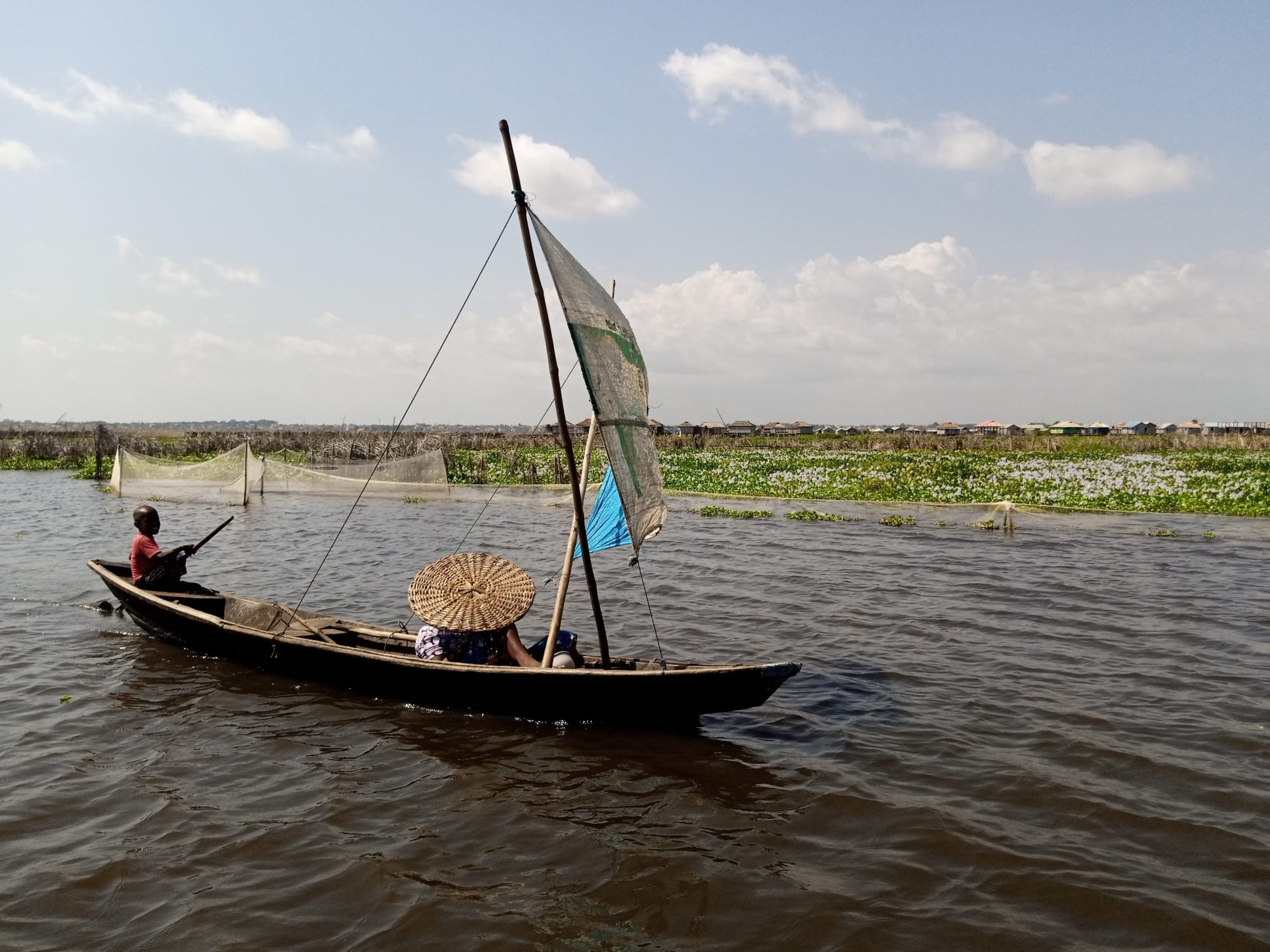
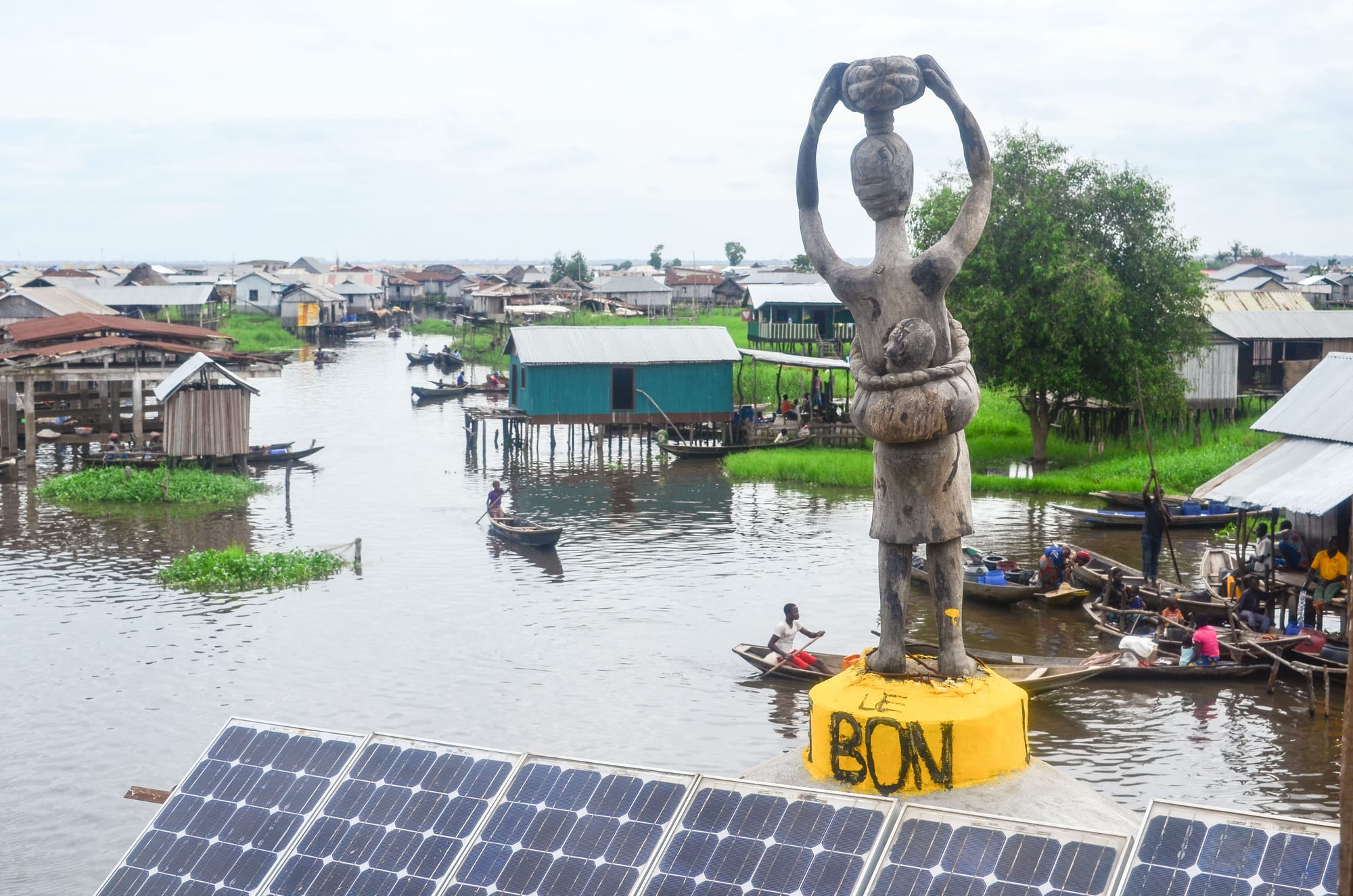
Ganvié sits out in the shallow, brackish Lake Nokoué, a full town of stilt houses and shops, reached only by boat. The founding story is grim: the Tofinu people built here in the 16th or 17th century to escape Fon warriors who were seizing people to sell to European slave traders.
Today around 20,000 people live here, farming fish in fenced enclosures. Visits are by motor pirogue from the jetty at Abomey-Calavi, half an hour from Cotonou — best in the early morning for the light and the floating market.
2. Ouidah and the Slave Route
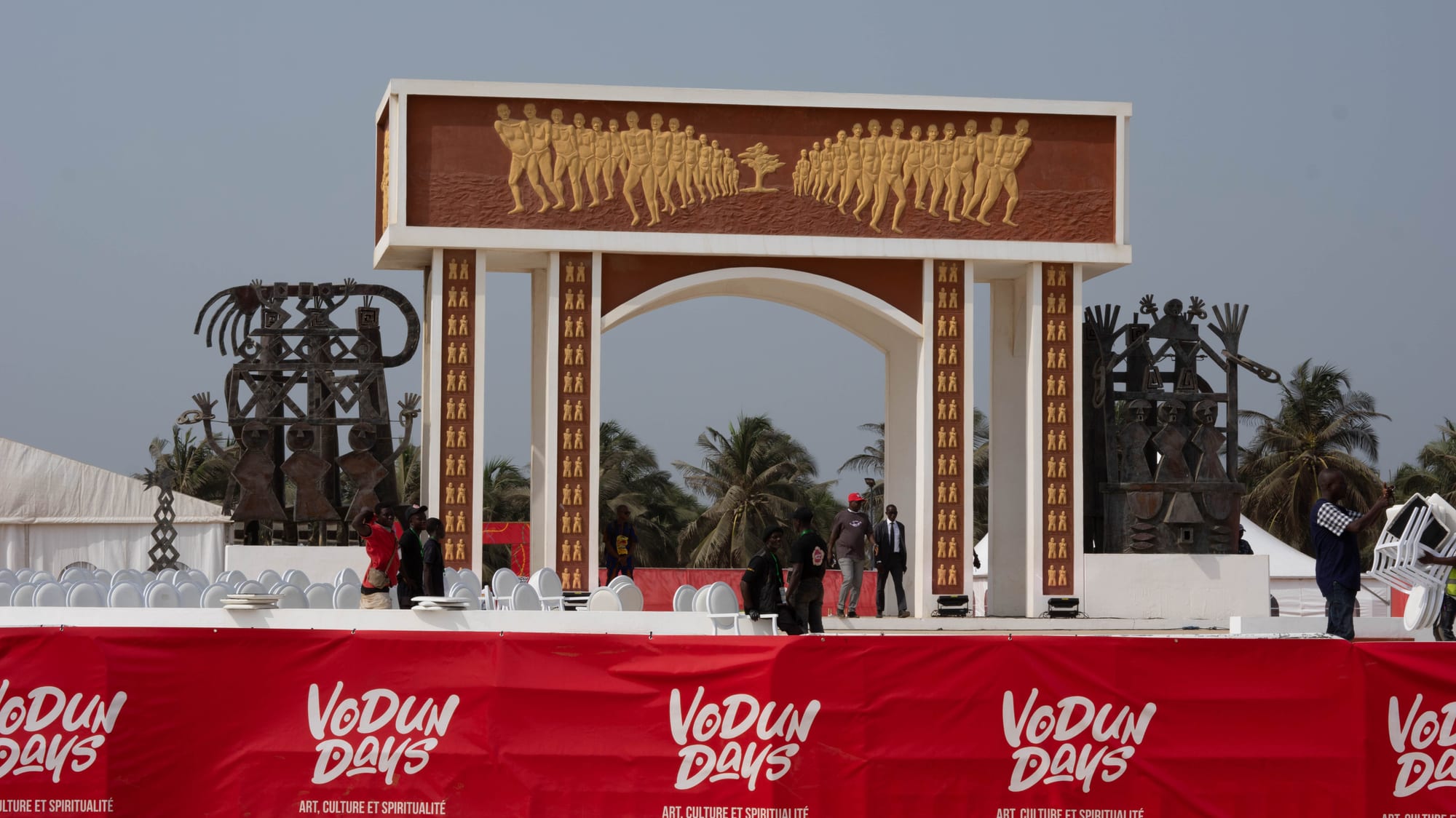
Ouidah was one of the busiest slaving ports on the West African coast. The "Route des Esclaves" traces the walk captives were forced to make from the town to the shore, past the Tree of Forgetting and other memorials, and finally the Door of No Return, a memorial arch on the beach. The town also has a Portuguese fort (now the history museum) and the Python Temple.
Ouidah is the spiritual centre of Vodun, and around National Vodun Day on 10 January each year it hosts large Vodun celebrations.
3. The Temple of Pythons, Ouidah
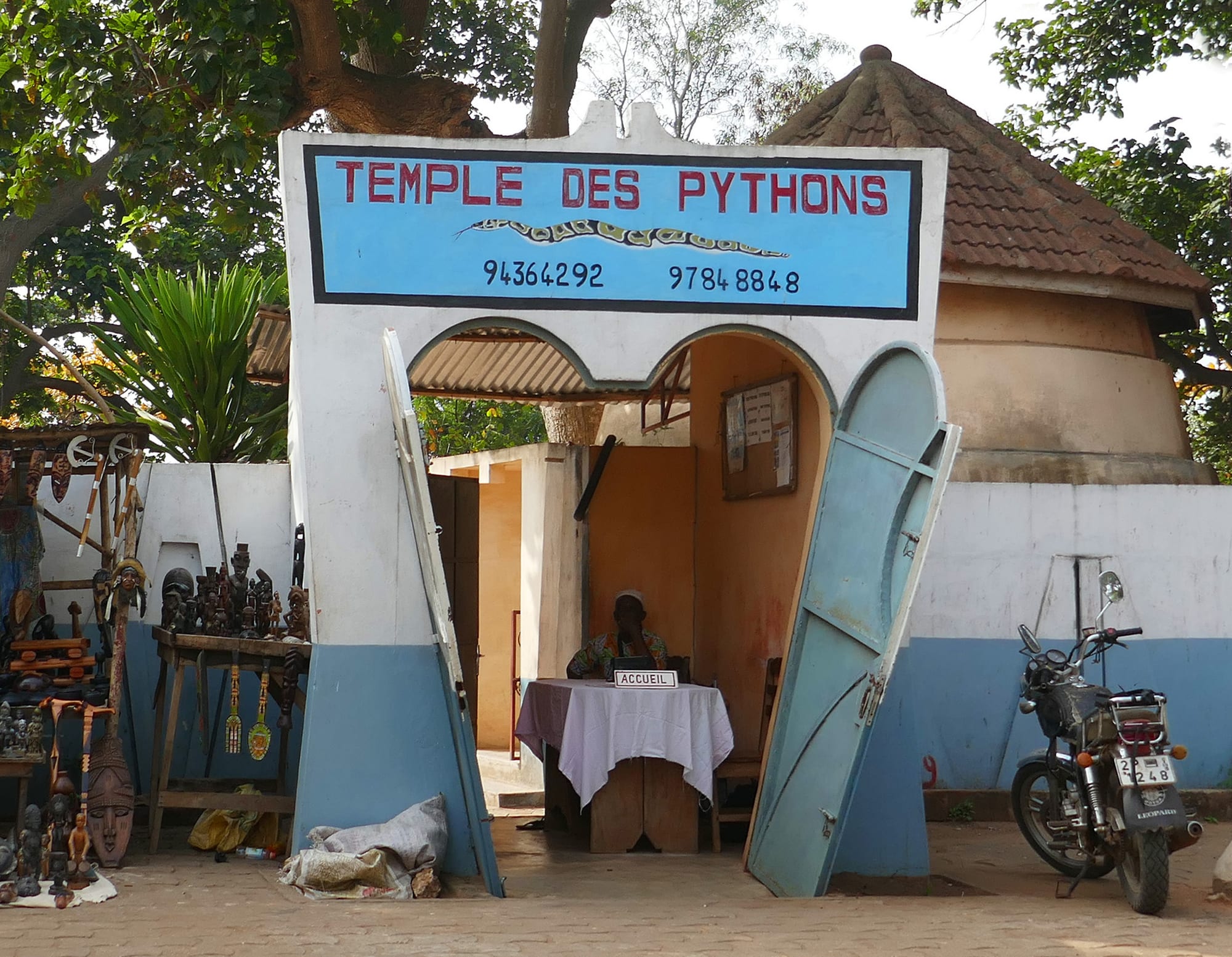
Close to Ouidah's early 20th-century Catholic basilica, this small compound houses a resident population of royal pythons, non-venomous snakes that are revered here as embodiments of a protective deity. Visitors can go in, hear about the beliefs around them, and, if they wish, hold a snake.
It is a short, low-key visit, and one of the clearest windows onto living Vodun practice.
4. The Royal Palaces of Abomey
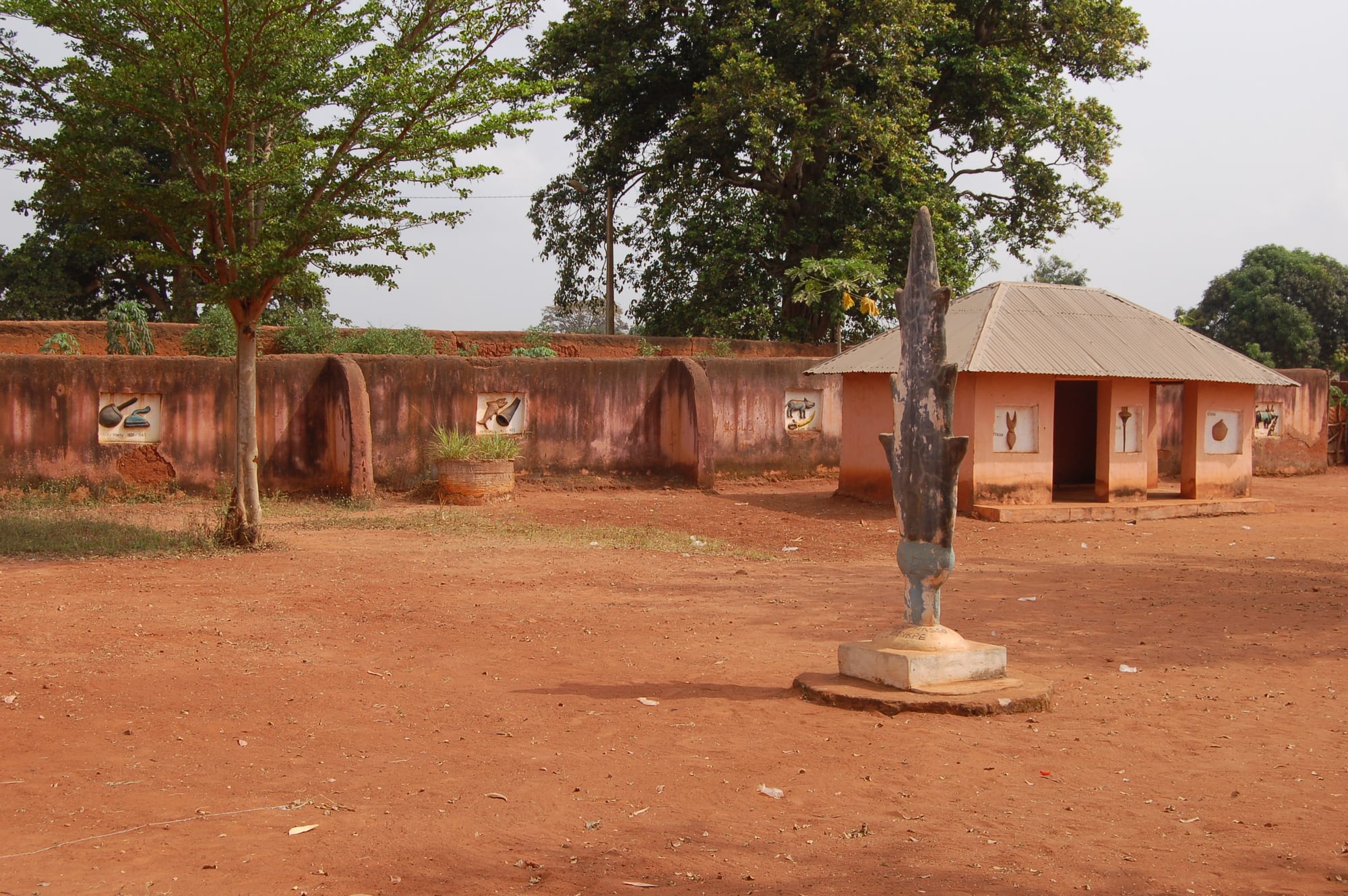
From the 17th century until 1900, twelve successive kings of Dahomey ruled from a single growing compound of earthen palaces at Abomey. Each king added his own quarter, and the walls were decorated with painted clay bas-reliefs recording victories and royal symbols. The kingdom's army famously included a corps of women soldiers, the "Dahomey Amazons".
The site is a UNESCO World Heritage Site (inscribed in 1985 and on the danger list until 2007 after a 1984 tornado). The Historical Museum inside tells the story of the kingdom through its royal objects and bas-reliefs; 26 treasures looted in 1892 were returned from France in 2021.
5. Pendjari National Park
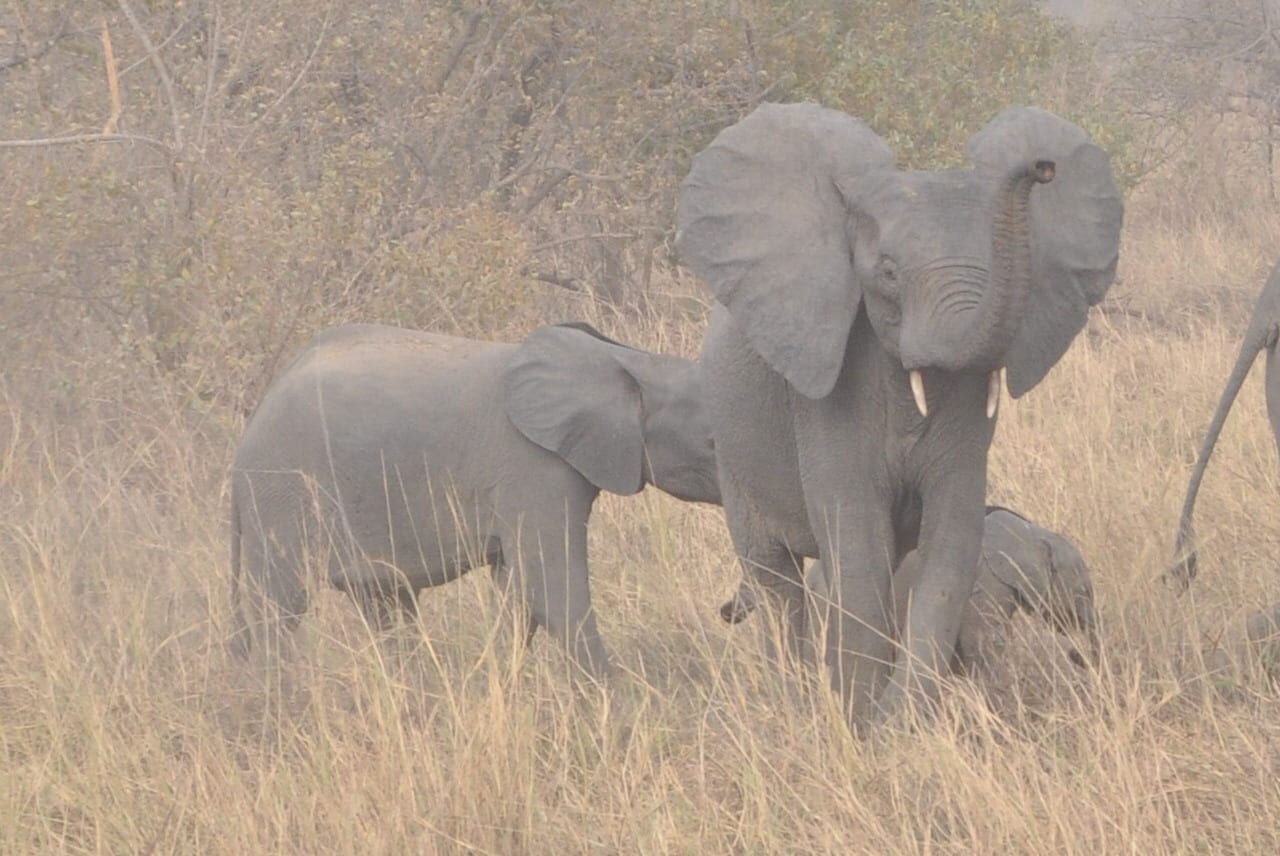
Pendjari, tucked against the Atacora hills on the Burkina Faso border, is often ranked among the best wildlife parks in West Africa — elephant, buffalo, hippo, roan and hartebeest, baboon, and one of the region's last populations of West African lion, plus cheetah and, rarely, leopard. It forms part of the huge WAP complex, a UNESCO World Heritage Site.
The NGO African Parks has helped manage the park since 2017, but since around 2021 jihadist groups from the Sahel have carried out attacks in the far north of Benin, and most governments advise against travel to the northern parks.
6. Porto-Novo
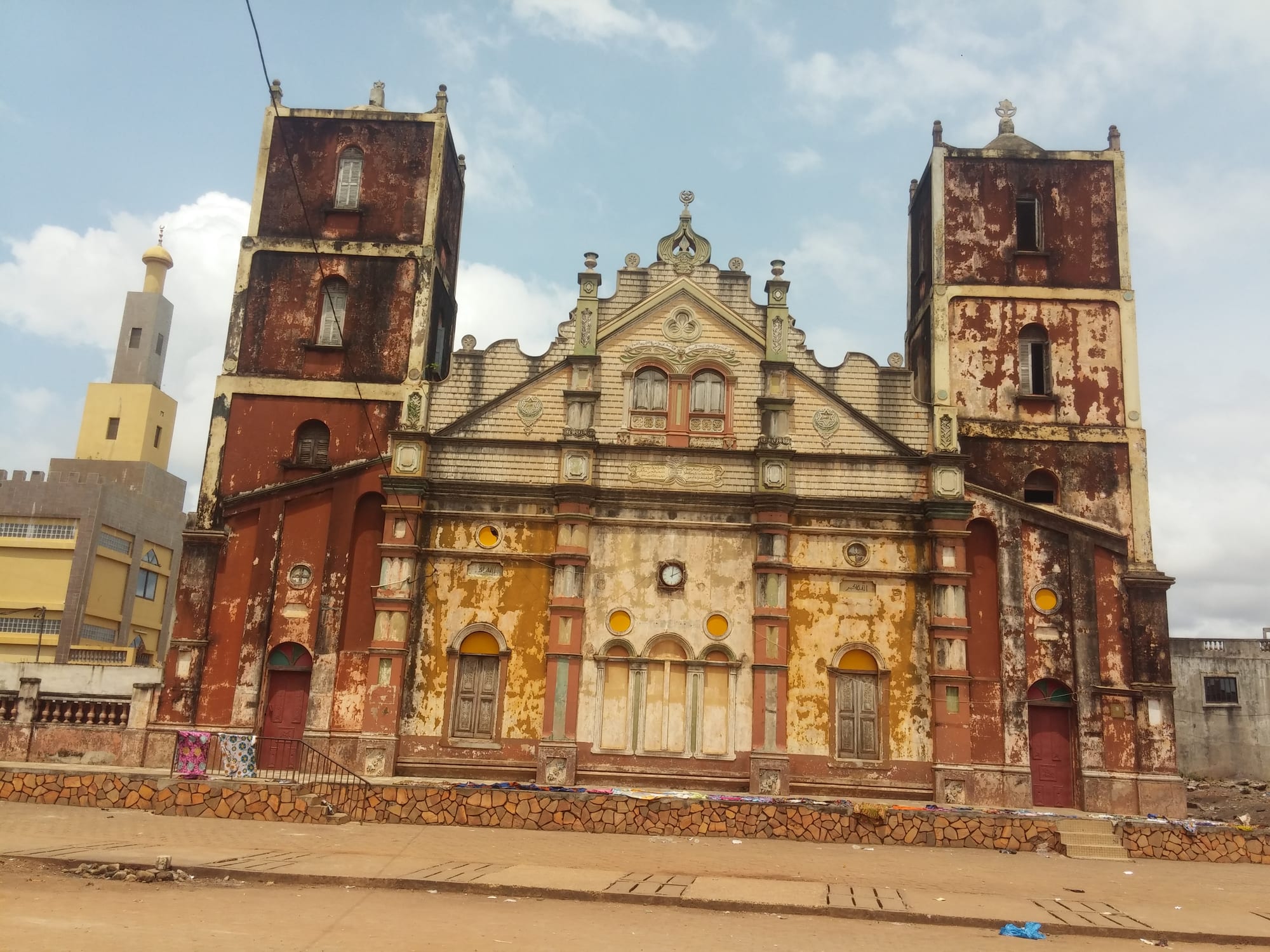
Porto-Novo is Benin's official capital (Cotonou is the bigger, working city), a quieter town of faded colonial and Afro-Brazilian architecture. Its landmark is the Grande Mosquée, a startling building modelled on the baroque churches of Salvador da Bahia — a style brought back by Afro-Brazilians, descendants of enslaved people, who returned to this coast in the 19th century.
The town also has the Da Silva museum of that Afro-Brazilian heritage, the ethnographic museum, and the King Toffa palace.
7. Cotonou and Dantokpa Market
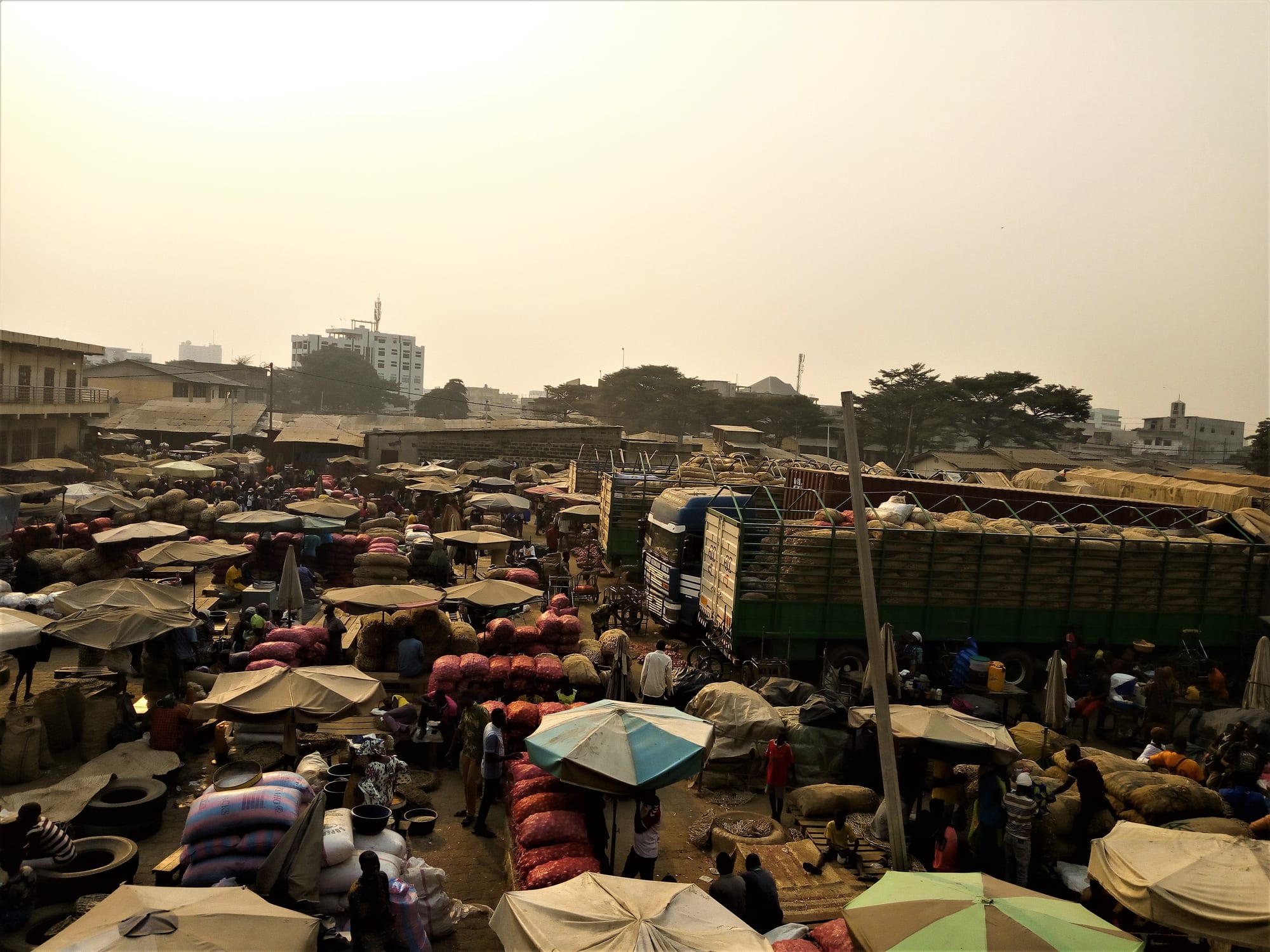
Cotonou is Benin's largest city and economic hub — a hot, busy, motorbike-taxi sprawl on the coast. Its centrepiece is Dantokpa, an enormous market covering around 20 hectares beside the lagoon, selling everything from fabric and food to the ingredients of the "fetish" section: animal remains and other materials for Vodun ritual.
The city also has the modern Amazon statue on the seafront, a monumental tribute to the women warriors of Dahomey, one of the tallest statues in Africa.
8. Grand-Popo and the coast
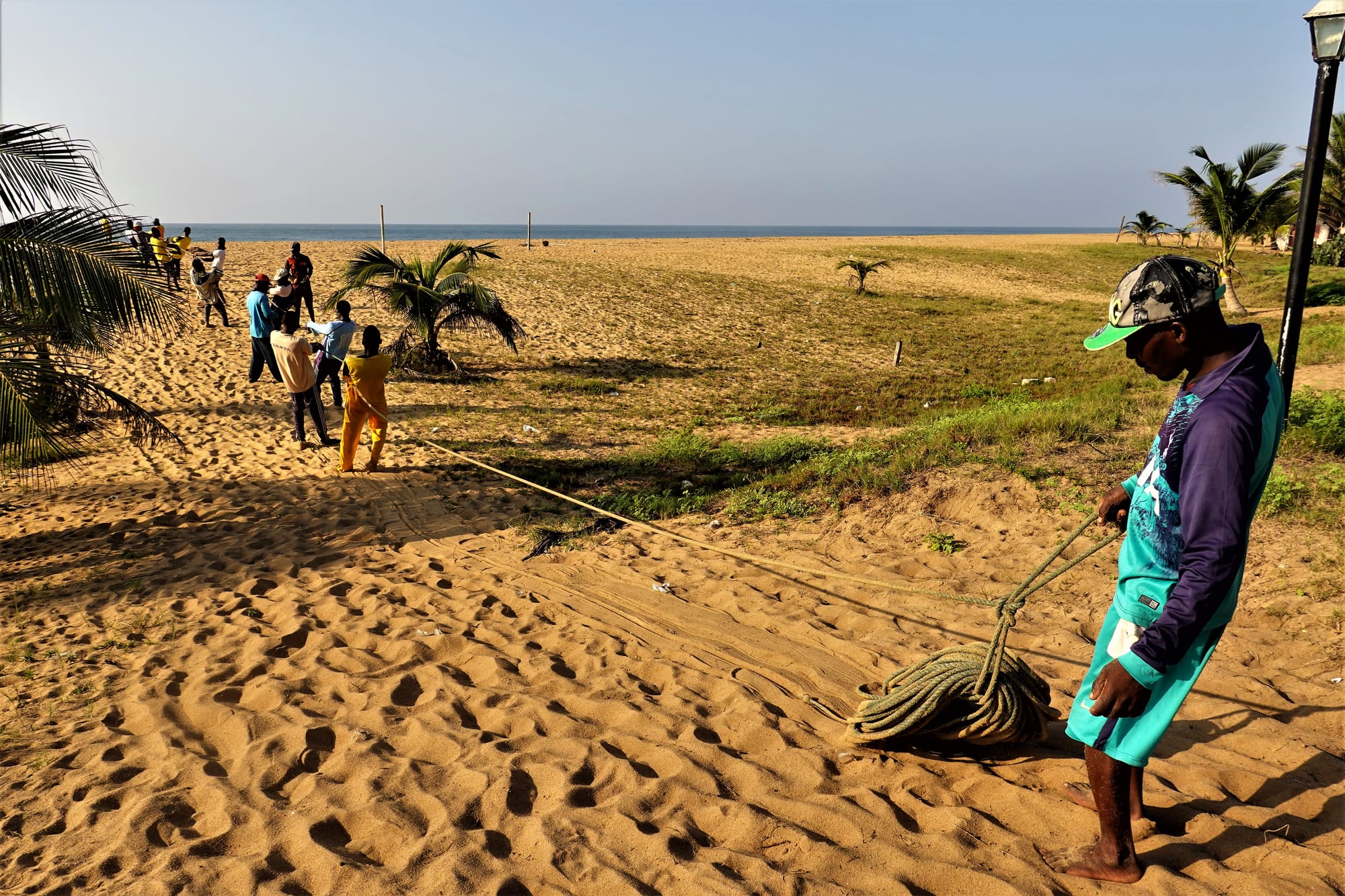
Grand-Popo, west of Ouidah near the Togo border, is Benin's low-key beach getaway: a long wild strand of grey-gold sand (with a strong current, so more for walking than swimming), fishing villages hauling seine nets, and a few small lodges. Boat trips run through the mangroves of the Mono river to the point where the river meets the sea.
It is an easy, restful stop at the end of a trip through the historic south.
Benin is a compact and rewarding introduction to West Africa: the southern circuit — Cotonou, Ouidah, Ganvié, Abomey, Porto-Novo — fits into four or five days on good roads, with the country's living Vodun tradition never far away.