Attractions & Natural Wonders · Bosnia and Herzegovina
Bosnia and Herzegovina: Ten Attractions and Natural Wonders
A rebuilt Ottoman bridge that men leap from for a living, a dervish house at the mouth of a river, waterfalls in the middle of a town, and Europe's last primeval forest
By Globeway Editorial · 30 September 2026
Between East and West
Bosnia and Herzegovina is a small, mountainous country where the Ottoman and the Austro-Hungarian worlds met and left their marks side by side — a minaret and a Habsburg façade on the same street. The 1992–95 war is still visible in shell scars and rebuilt monuments, but the country is safe, welcoming, and remarkably cheap, with dramatic karst scenery of rivers, gorges, and waterfalls.
The ten below run from Sarajevo in the centre down through Herzegovina to the Adriatic hinterland, with a couple in the north and east. Distances are short but the mountain roads are slow. Late spring and early autumn are ideal.
1. The Old Bridge of Mostar
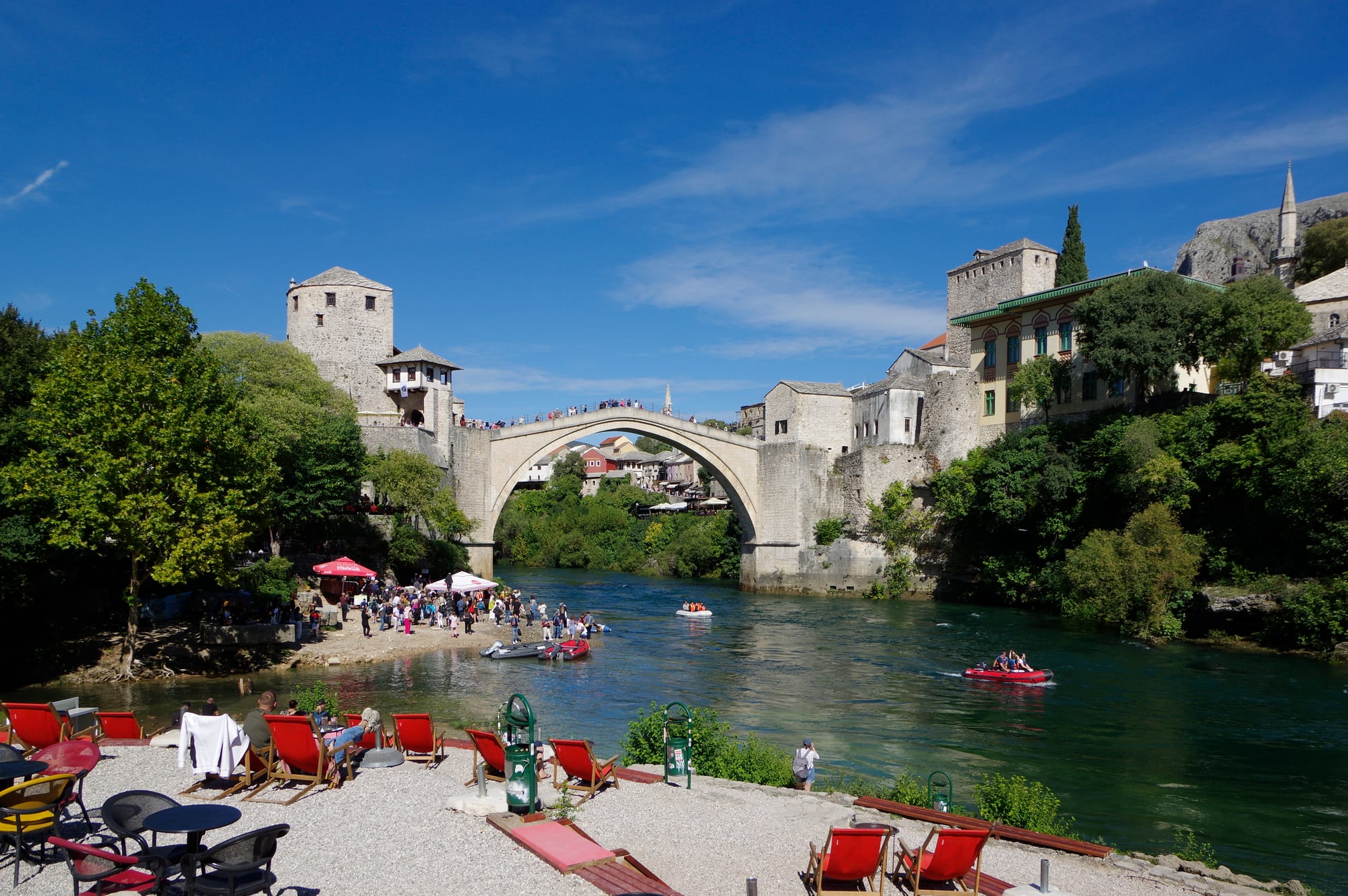
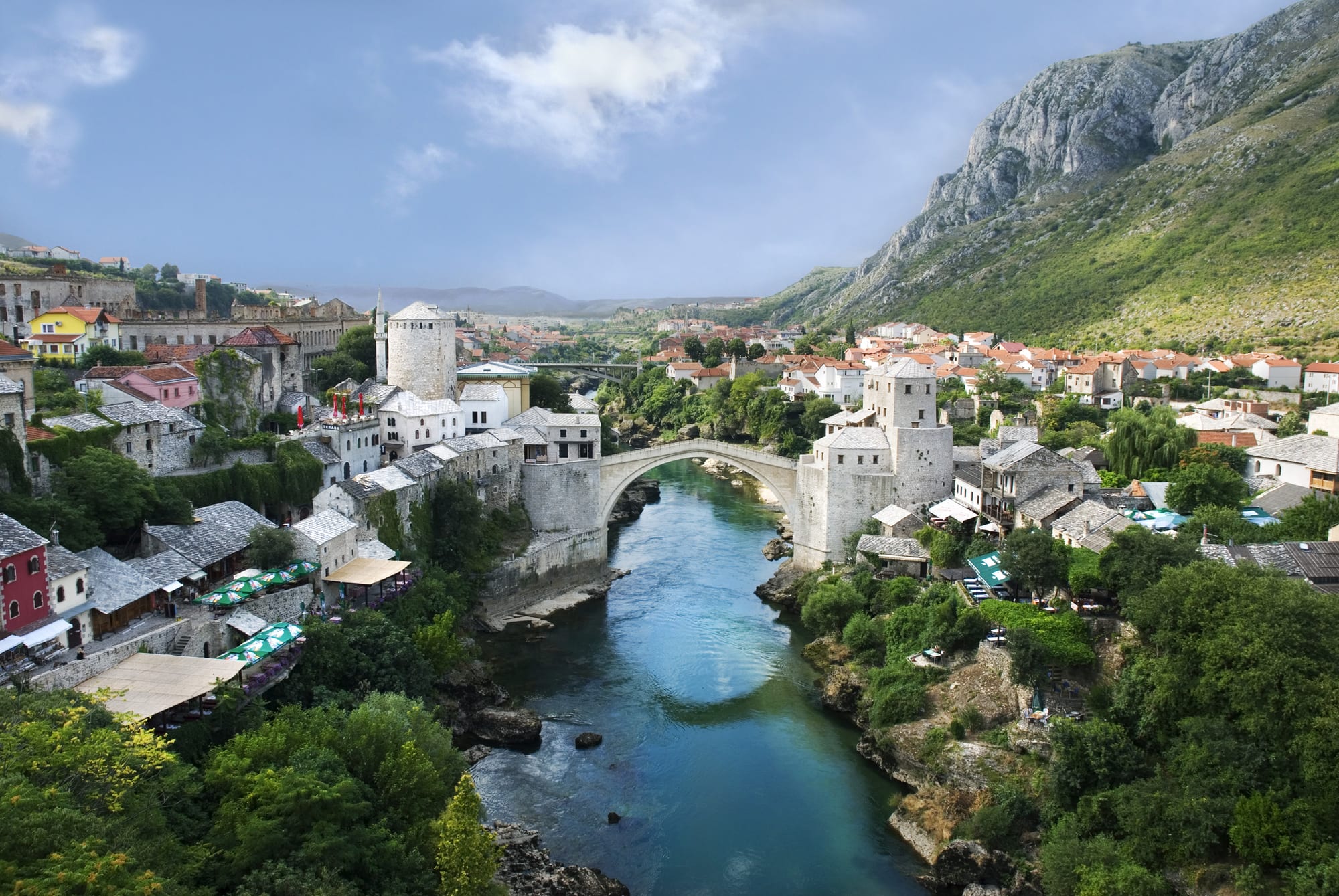
Mostar's Stari Most, built in 1566 by an Ottoman architect, stood for 427 years until it was shelled into the river in 1993. It was rebuilt from 2001–04 in local limestone (most stones recovered from the river were too damaged to reuse), and the Old Bridge Area was inscribed as a UNESCO World Heritage Site in 2005. The cobbled old town around it — the coppersmiths' street, the mosques, the Turkish houses — was reconstructed with it.
The bridge's other tradition is the dive: young men of the town leap from the parapet into the cold Neretva, usually only once tourists have paid enough into the hat.
2. Sarajevo's old bazaar
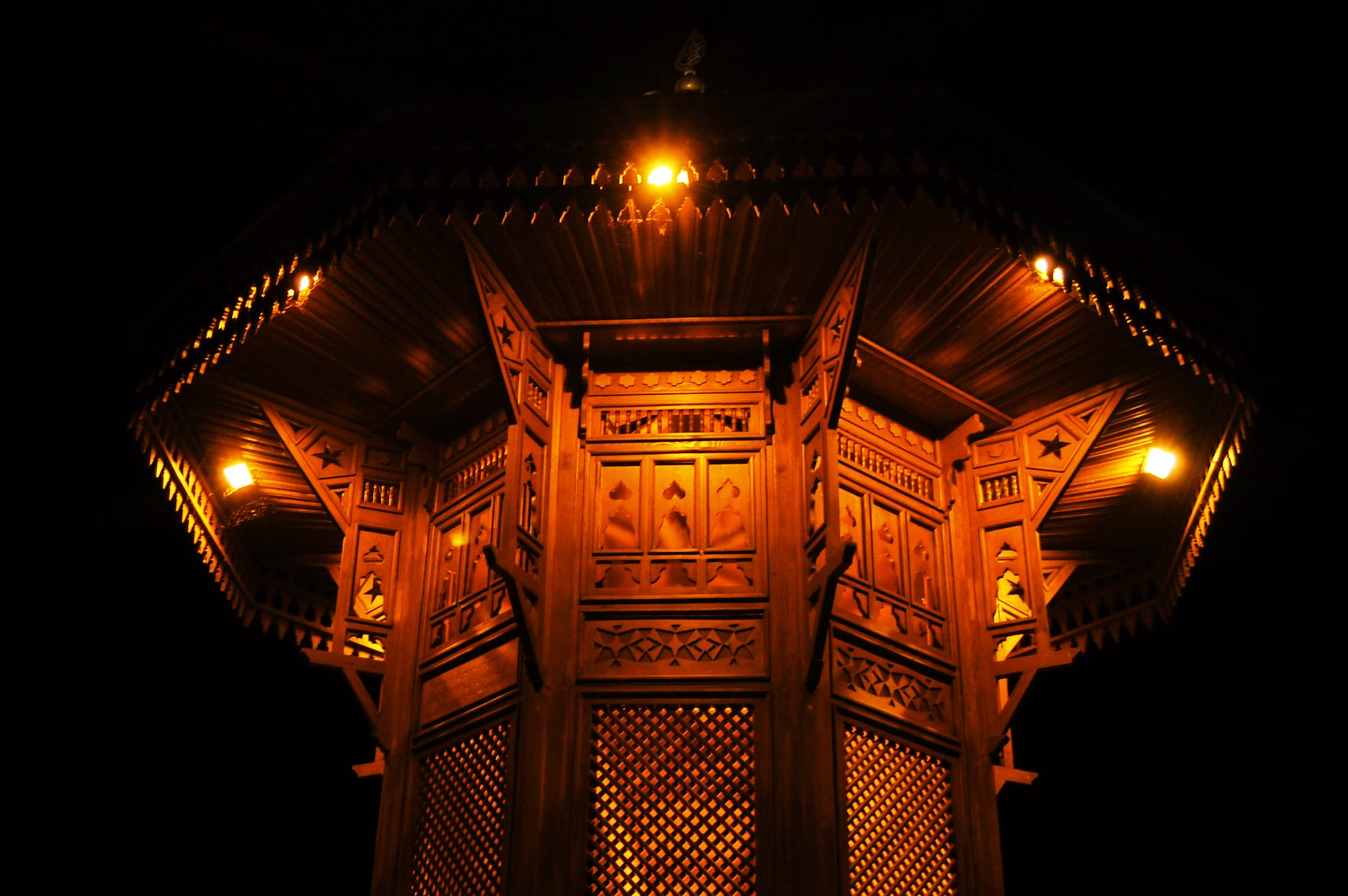
Sarajevo's Baščaršija is a compact grid of 15th–16th-century market lanes, each once dedicated to a single trade, still full of coppersmiths, cevapi grills, and tiny mosques and caravanserais. A short walk away, the point where Sarači street becomes Ferhadija, marked "Sarajevo, Meeting of Cultures", is where the Ottoman city meets the Austro-Hungarian one, the architecture changing abruptly at that line.
Nearby is the Latin Bridge, where the assassination of Archduke Franz Ferdinand in 1914 lit the fuse of the First World War.
3. The Vijećnica and wartime Sarajevo
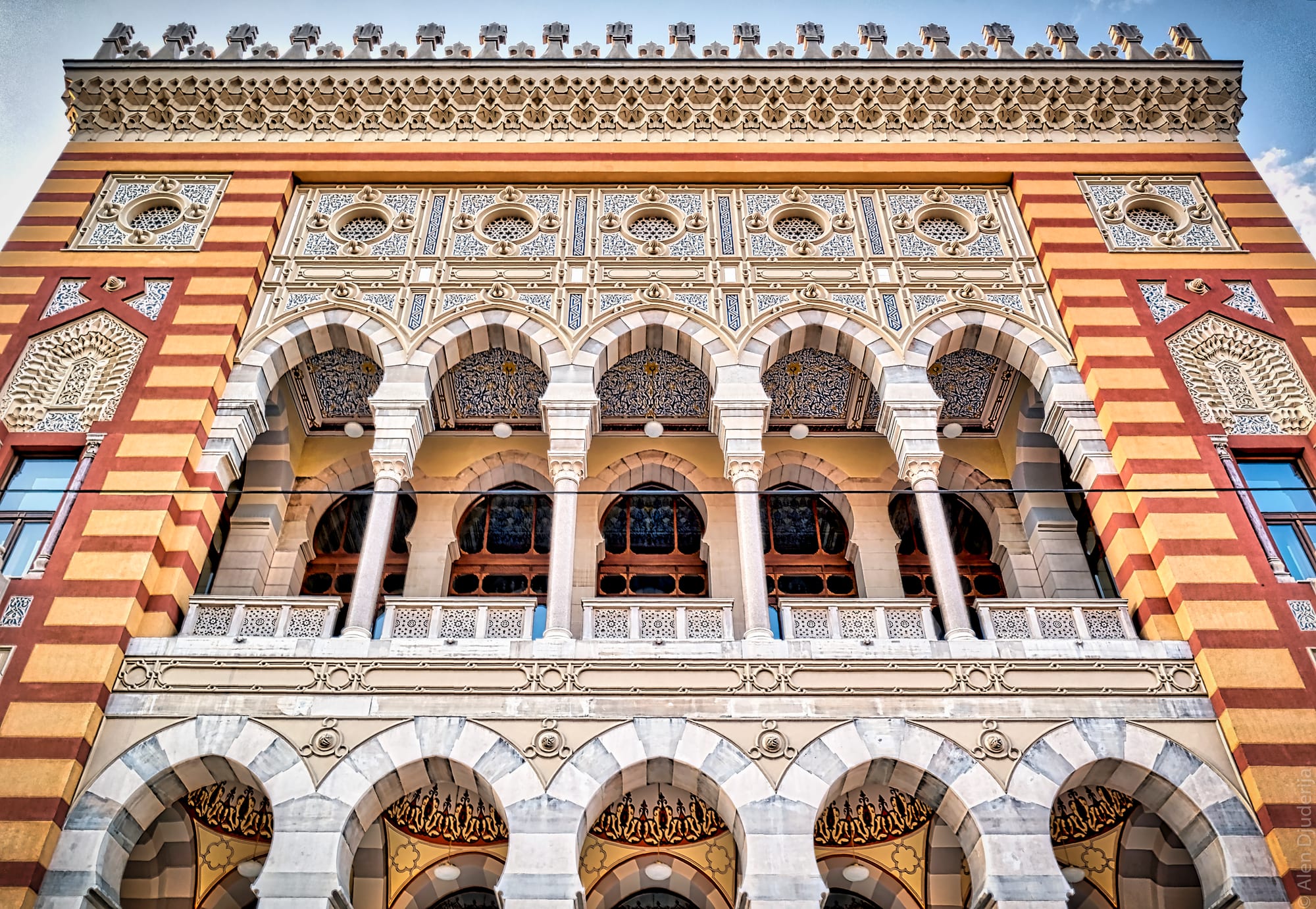
Built by Austria-Hungary in a pseudo-Moorish style and opened in 1896, the Vijećnica later housed the national and university library. On 25 August 1992 Serb shelling set it ablaze; most of its 1.5 million volumes, including rare manuscripts, were lost. A twenty-year international restoration returned it to use in 2014, and it now hosts official events, concerts and exhibitions.
The story of the 1992–96 siege — the longest of a capital city in modern warfare — is also told at the War Childhood Museum and the Tunnel of Hope, the hand-dug passage under the airport that was the city's lifeline.
4. Kravica Waterfall
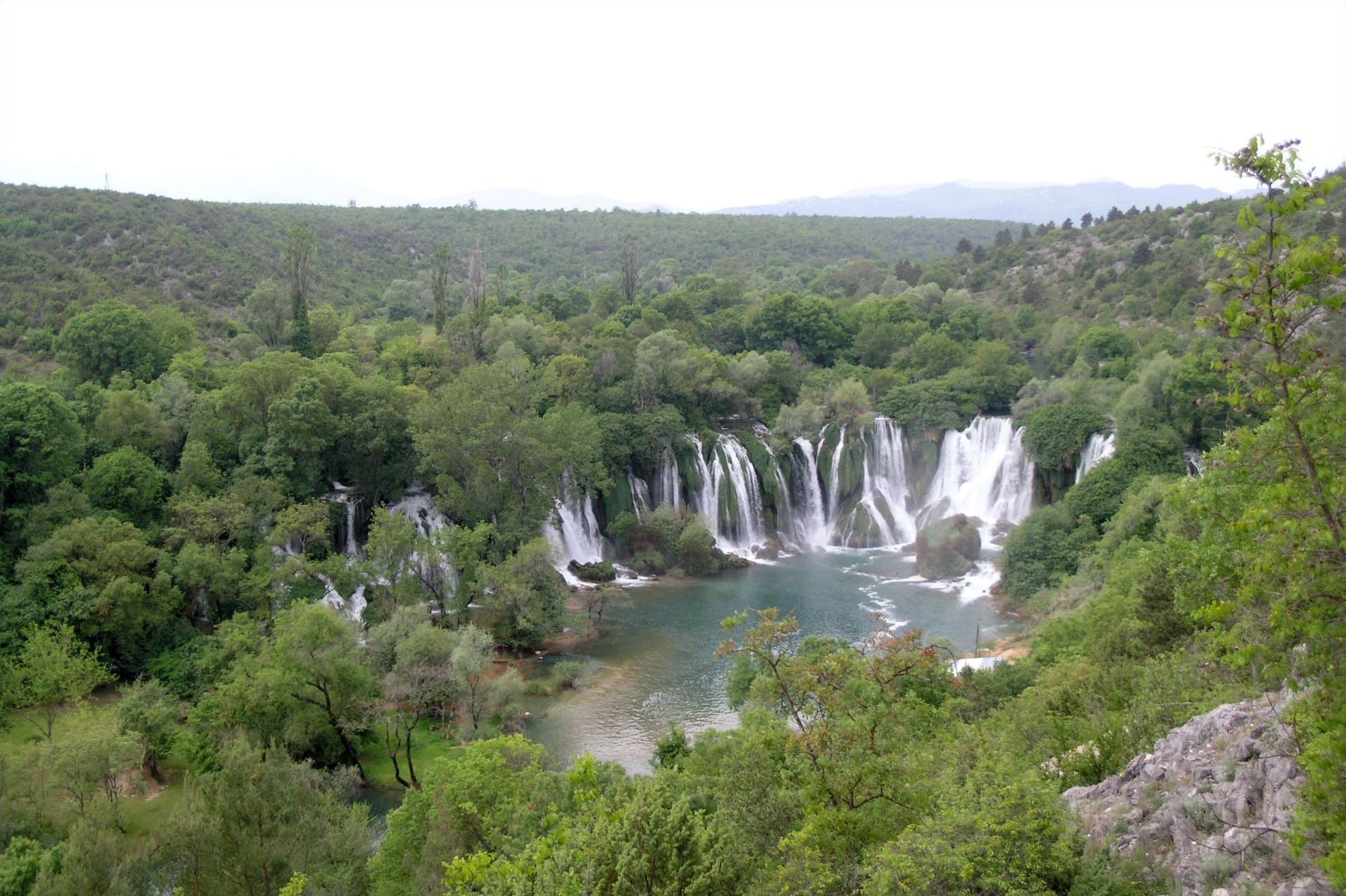
In the karst country of western Herzegovina, the Trebižat river spills over a broad amphitheatre of tufa ledges about 25 metres high into a wide pool — a scaled-down version of Croatia's Plitvice, and a popular swimming spot. It is busiest in summer weekends, quieter midweek and outside the summer.
It sits about 40 kilometres from Mostar and 10 from the town of Ljubuški, and pairs well with Blagaj and Počitelj on a Herzegovina day loop.
5. Blagaj and the Buna spring
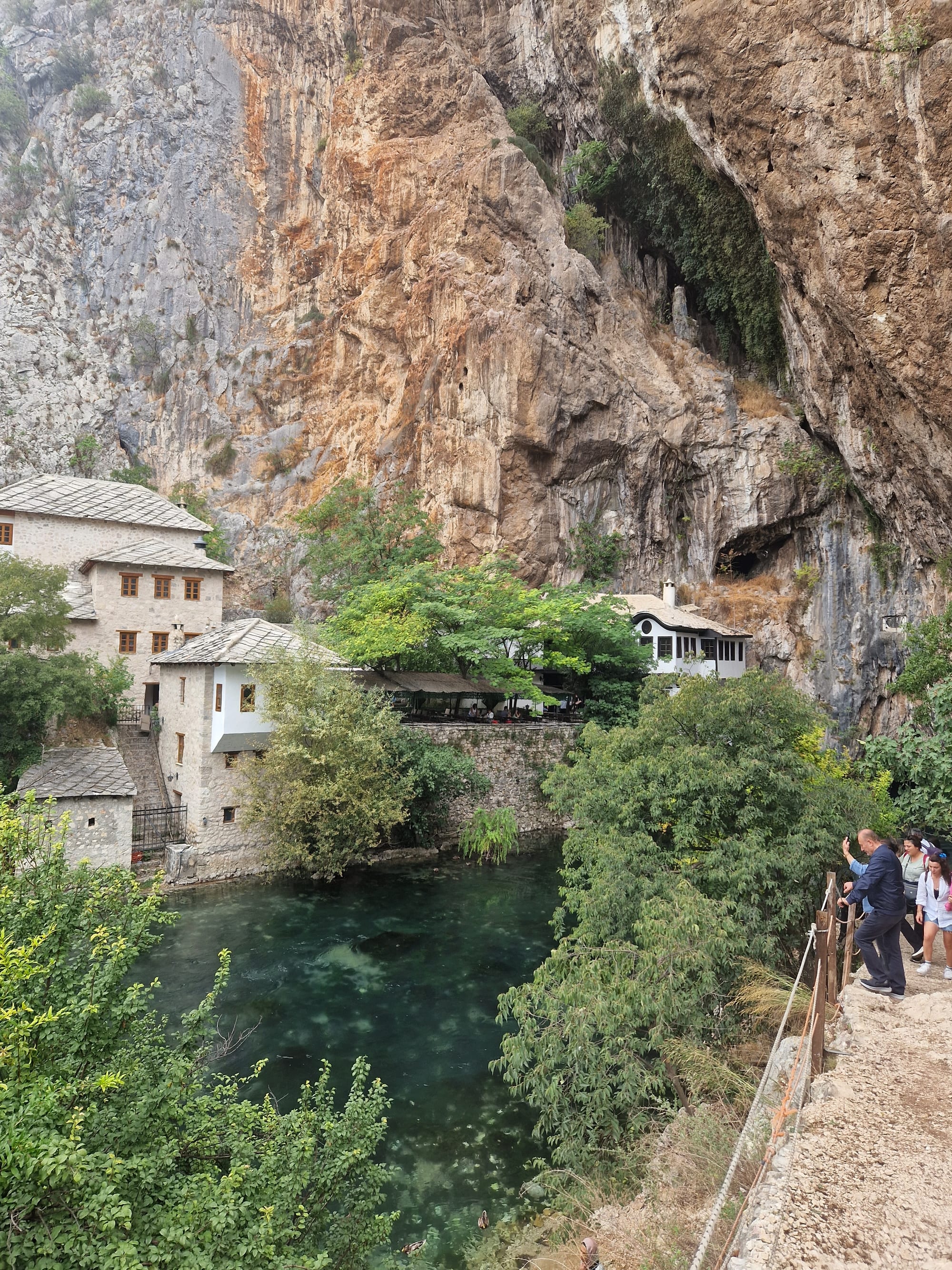
At Blagaj, just outside Mostar, the Buna river does not trickle from a hillside — it thunders out of a cave mouth at the foot of a towering cliff, one of the largest karst springs in Europe. Tucked against the rock beside it is a white tekke, a lodge built for a Sufi order around 1520 at the latest.
Riverside restaurants look straight at the water coming out of the mountain.
6. Počitelj
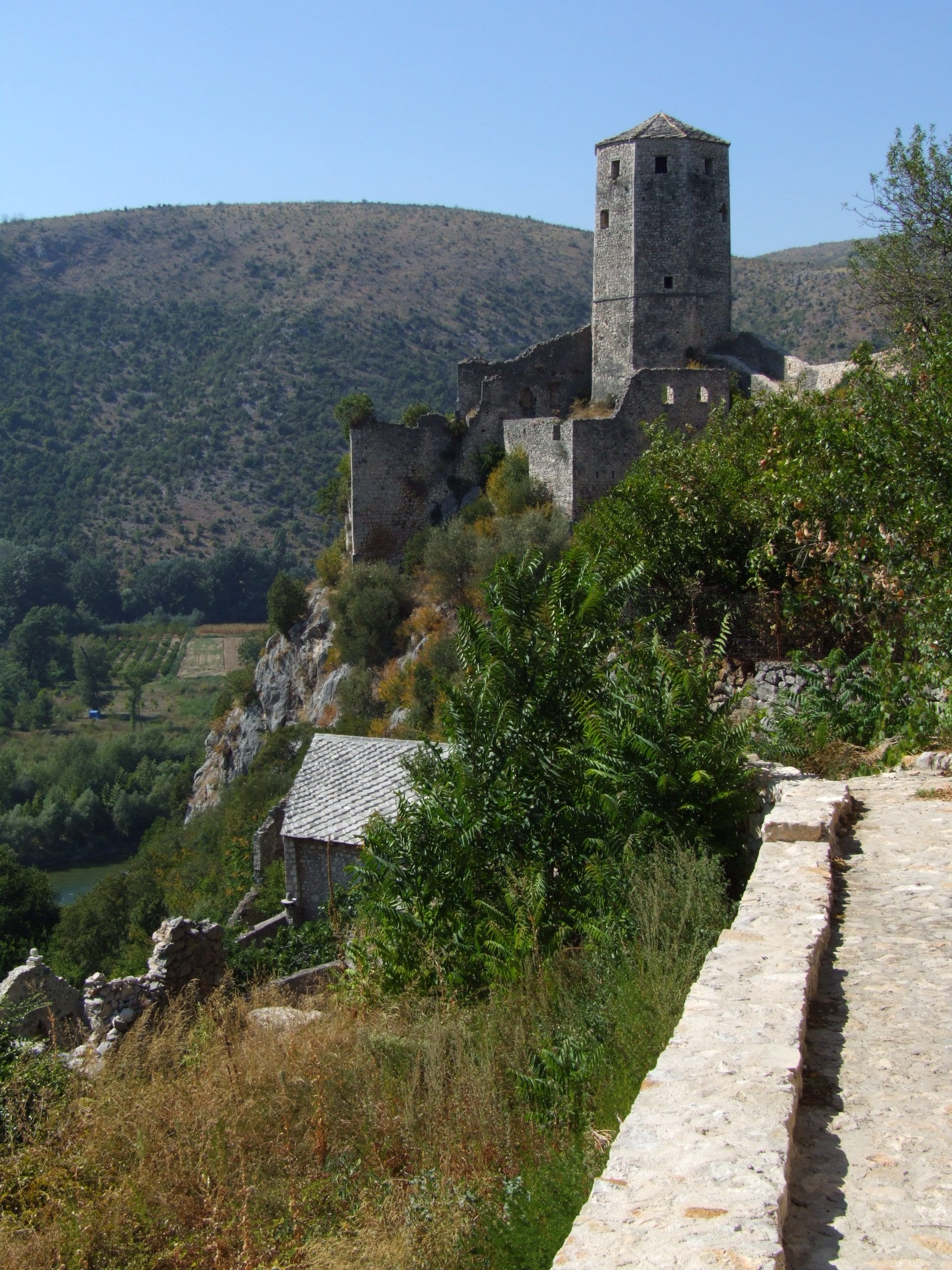
Počitelj is a stepped stone village on the left bank of the Neretva, built up the hillside inside medieval and Ottoman walls, with a domed mosque, a hammam, a madrasa, and the cylindrical Gavrankapetanović tower crowning the ridge. Heavily damaged in the 1992–95 war and since restored, it is on UNESCO's tentative list, and it was long home to one of Southeast Europe's longest-running artists' colonies.
It lies about 30 kilometres south of Mostar on the road to the Adriatic, and the climb to the tower gives the best view of the river.
7. The Višegrad Bridge
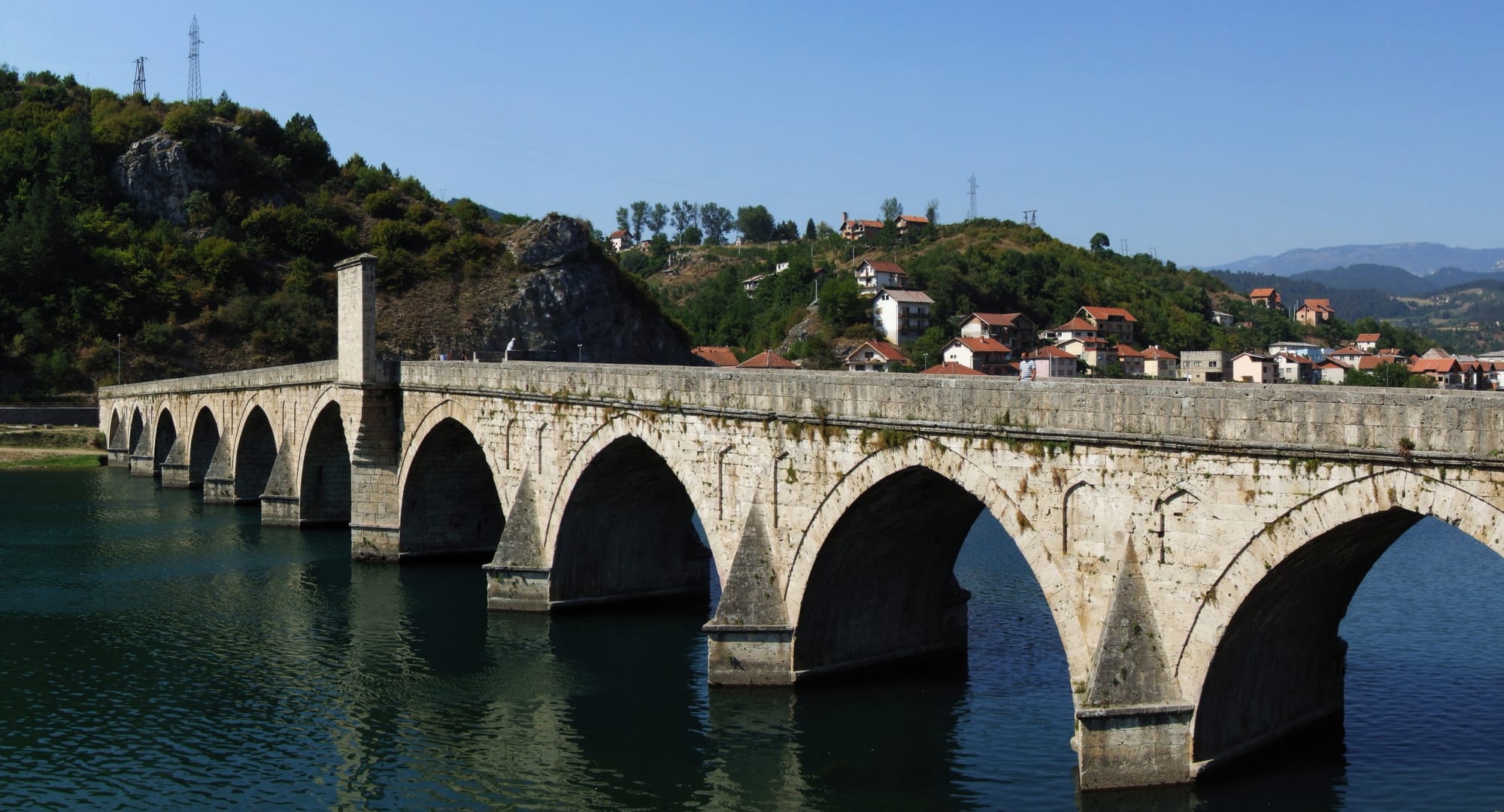
In the east of the country, this eleven-arch bridge over the Drina was built in 1577 by the architect Sinan for a grand vizier who had been taken from a Bosnian village as a boy in the Ottoman "blood tax". It is a UNESCO World Heritage Site, and the subject of the Nobel laureate Ivo Andrić's The Bridge on the Drina, which uses it to tell four centuries of Bosnian history.
Beside it, the film director Emir Kusturica has built "Andrićgrad", a purpose-made stone old town honouring the writer — a divisive project, but a striking one.
8. Jajce
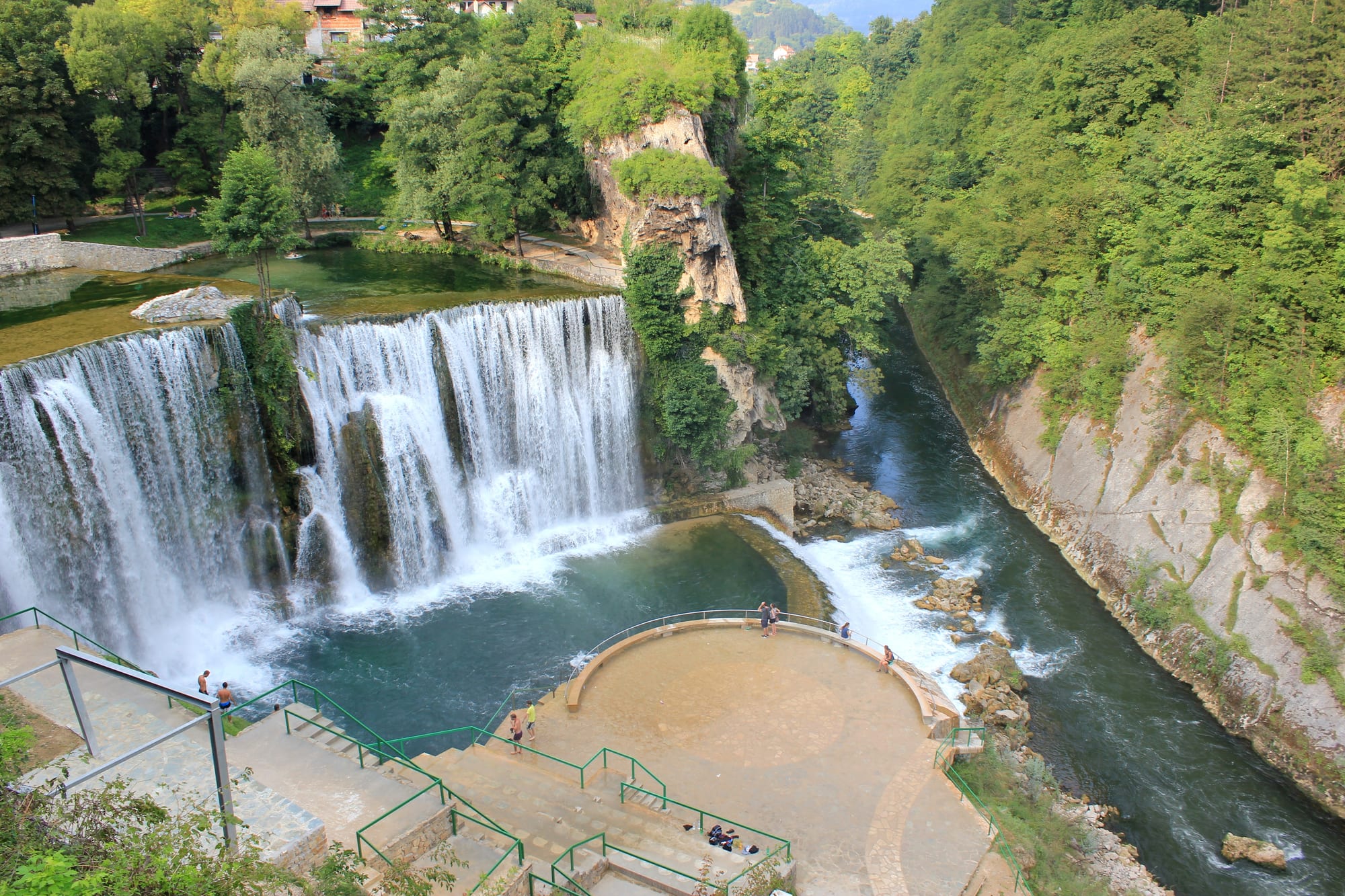
Jajce, in central Bosnia, has a 20-metre waterfall in the middle of it: the Pliva river drops into the Vrbas right below the old town walls (the falls were reshaped after 1990s flooding). Above stands a hilltop fortress, the last seat of the medieval Bosnian kingdom, and below is an underground temple to the god Mithras from Roman times.
Just upstream, the Pliva lakes are a quieter spot for a walk. Jajce was also where Yugoslavia was founded as a federal state in 1943.
9. Sutjeska National Park
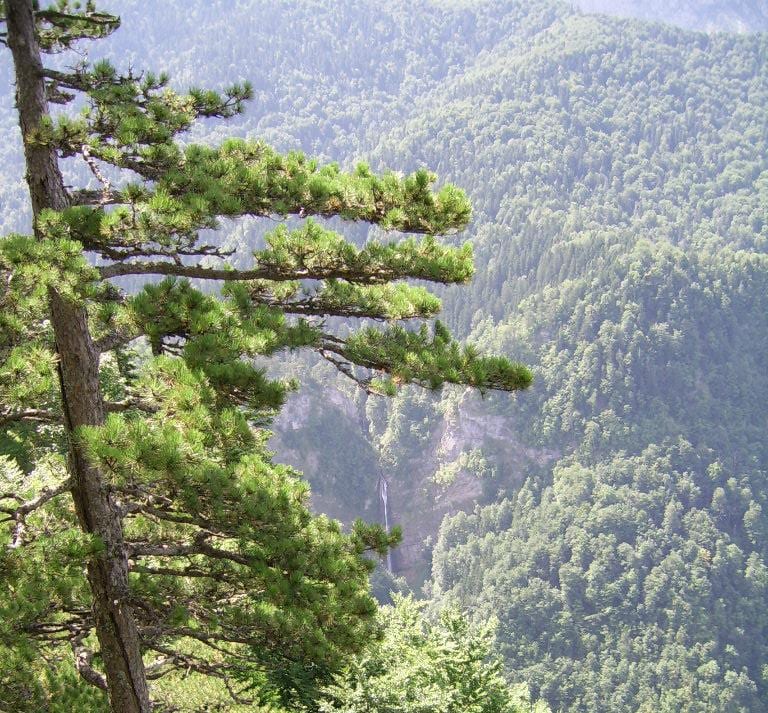
Bosnia's oldest national park, in the far southeast, protects the country's highest mountains — Maglić, on the Montenegrin border, tops 2,386 metres — and the Perućica reserve, a strictly protected primeval forest of beech and spruce with trees about 300 years old and the 75-metre Skakavac waterfall. The park also holds a huge modernist monument to a decisive 1943 partisan battle fought in the valley.
It is remote and best done with a local guide; the hike up Maglić is the classic outing.
10. Una National Park
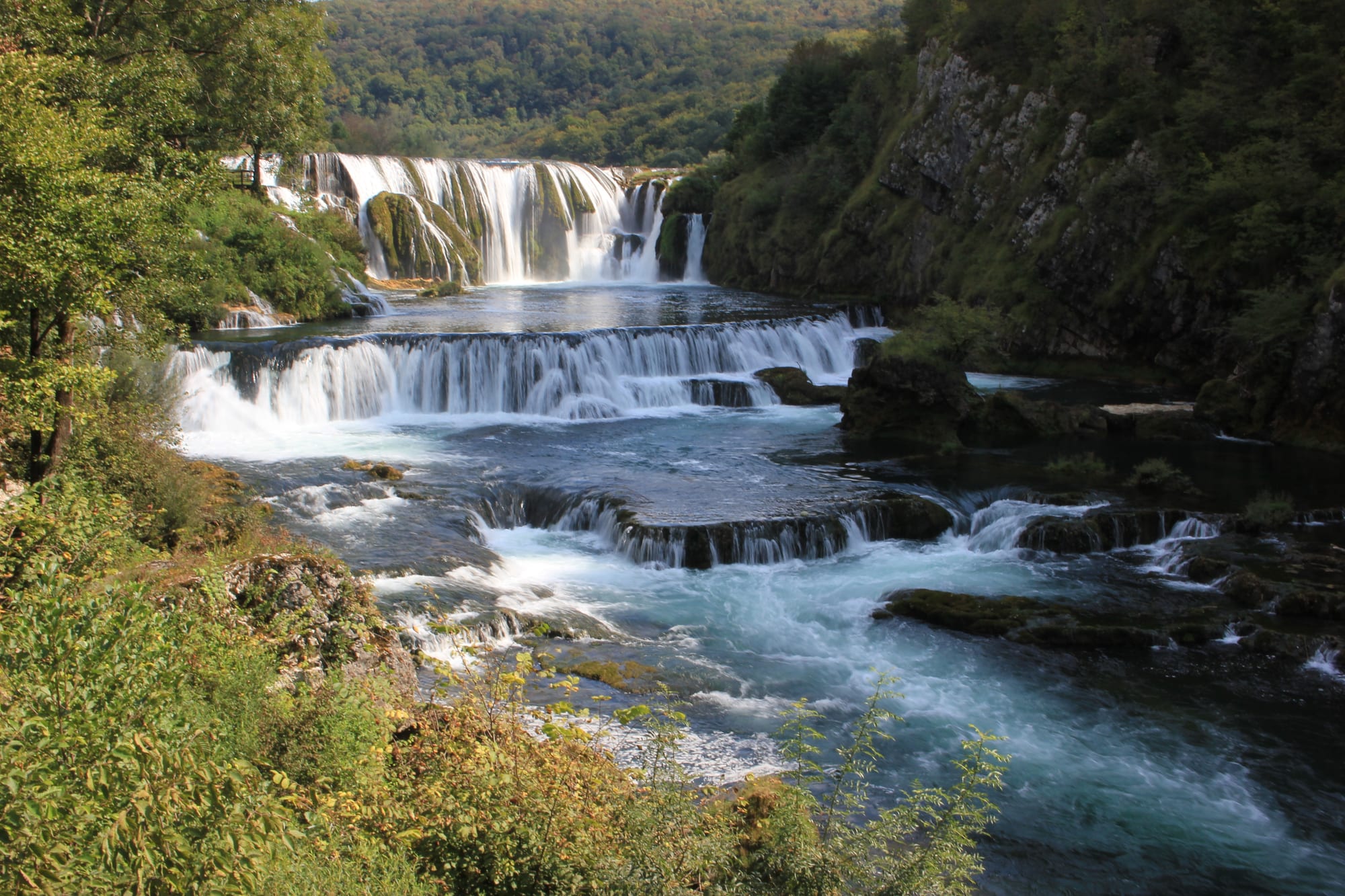
In the far northwest corner, the Una river runs bright turquoise over a series of travertine cascades, the biggest of them the 24-metre Štrbački buk. The surrounding national park, created in 2008, is Bosnia's rafting and kayaking centre, based on the town of Bihać, with the medieval Ostrovica fortress above Kulen Vakuf.
The area saw heavy fighting in the war; the river valley is now one of the greenest and most relaxed parts of the country.
Bosnia and Herzegovina is compact, inexpensive, and easy to travel by bus or car. A week links Sarajevo, the Herzegovina circuit around Mostar, and one of the national parks, with the eastern and northwestern corners for a longer trip.