History · Brazil
Brazil: From Pau-Brasil to the Republic
Indigenous nations, the largest slave society in the Americas, an empire ruled by a Portuguese prince, and a giant that keeps reinventing itself
By Worldlore Editorial · 30 September 2026
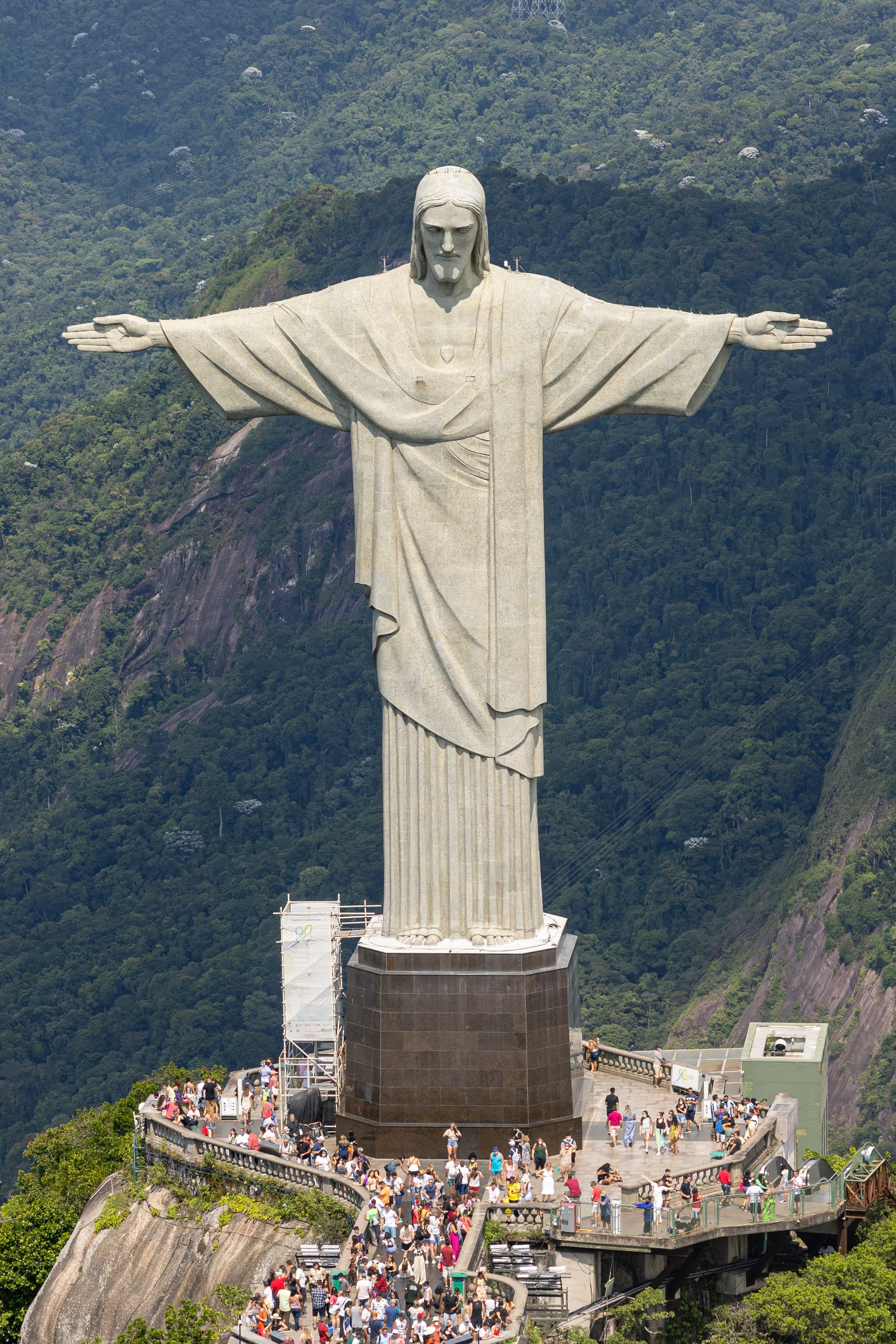
A continent-sized country
Brazil takes up nearly half of South America — the fifth-largest country in the world, with some 215 million people, and the only Portuguese-speaking nation in the Americas. Its population was built from Indigenous nations, Portuguese settlers, close to five million enslaved Africans — more than any other country received, by a wide margin — and later waves of Italian, German, Japanese, Middle Eastern and other immigrants. The through-lines of its history are the export commodity that happened to be booming at the time — dyewood, sugar, gold, coffee, rubber, and now soy and iron ore — and the long shadow of having been the largest and last-to-abolish slave society in the Western world.
A short history
- pre-1500
Indigenous Brazil
Millions of people in hundreds of nations along the coast and through the Amazon.
- 22 April 1500
The Portuguese landfall
Cabral's fleet reaches the coast of Bahia.
- 16th–17th c.
Sugar and slavery
The north-east becomes one of the world's great sugar producers, worked by enslaved Africans.
- 1690s onward
The gold rush
Strikes in Minas Gerais draw hundreds of thousands into the interior.
- 1808
The court moves
The Portuguese royal family flees Napoleon and rules the empire from Rio.
- 7 September 1822
Independence
Prince Pedro declares Brazil independent — as an empire.
- 13 May 1888
Abolition
The Lei Áurea frees the last enslaved people; Brazil is the last in the West to do so.
- 15 November 1889
The Republic
A military coup deposes the emperor.
- 1930–1945
The Vargas era
Getúlio Vargas centralises the state and builds an industrial nation.
- 1964–1985
The dictatorship
A military regime rules for 21 years.
Before and after 1500
The land the Portuguese reached in 1500 was not empty. Millions of people lived there — Tupi-speaking nations along much of the coast, and Jê, Arawak, Carib and many others inland — and recent archaeology has shown that parts of the Amazon held large, organised societies that shaped the forest itself. Pedro Álvares Cabral's fleet, bound for India, made landfall on the coast of Bahia on 22 April 1500 and claimed the territory for Portugal. The first export gave the country its name: pau-brasil, a red dyewood cut by Indigenous labour.
Portugal, absorbed in Asia, colonised slowly. A royal government was established at Salvador in 1549, and from the mid-16th century the north-eastern coast became one of the great sugar-producing regions of the world. The plantations ran first on enslaved Indigenous people and then, overwhelmingly, on enslaved Africans. The Dutch held part of the sugar coast from 1630 to 1654 before being driven out — and the fighting, with rising Caribbean competition, sent Brazil's sugar industry into decline.
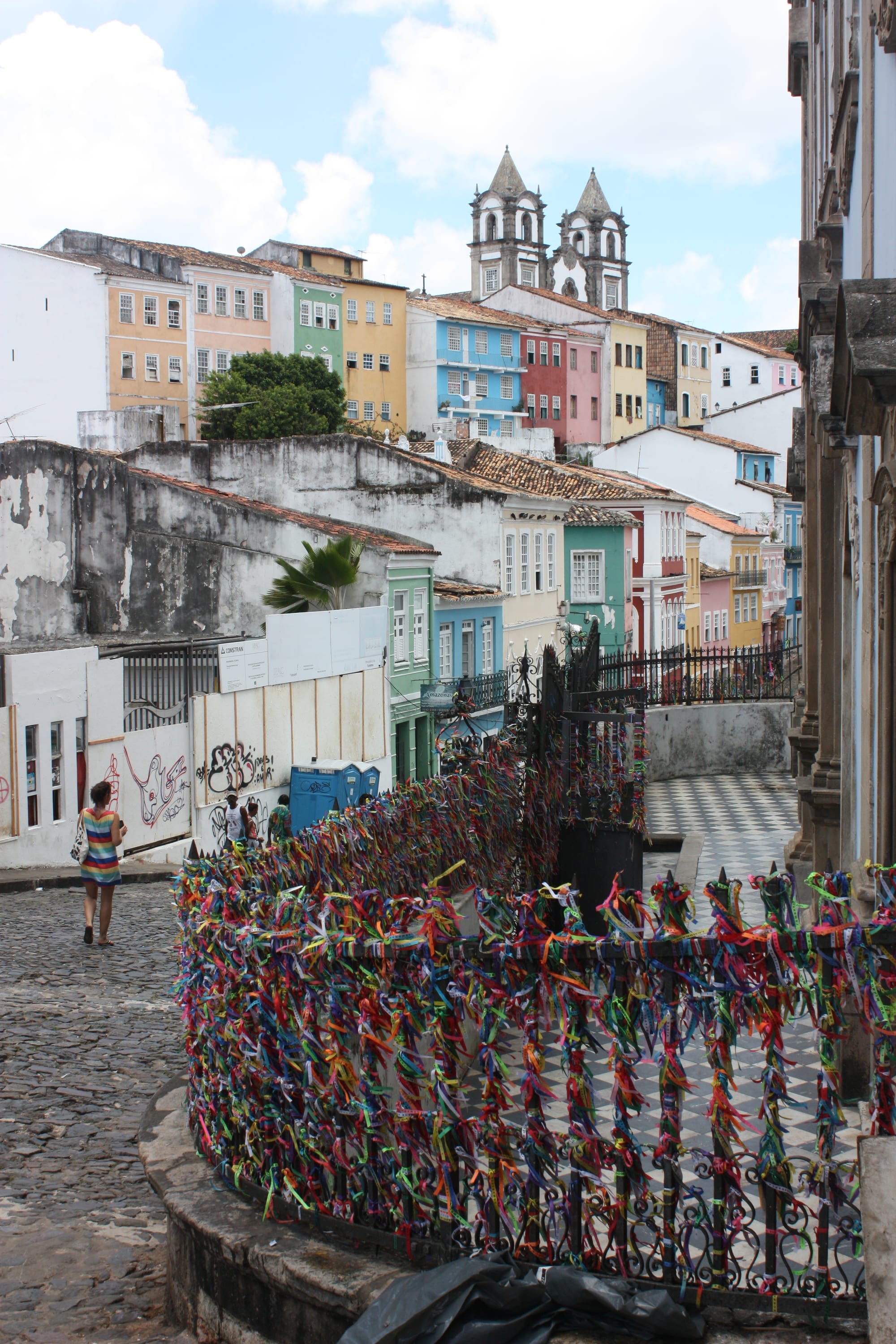
Enslaved people resisted by escaping and founding communities called quilombos. The largest, Palmares, in the north-eastern interior, held by one estimate around 20,000 people and survived most of the 17th century before it was destroyed; its last leader, Zumbi, is now honoured as a symbol of resistance.
Gold, and a court in exile
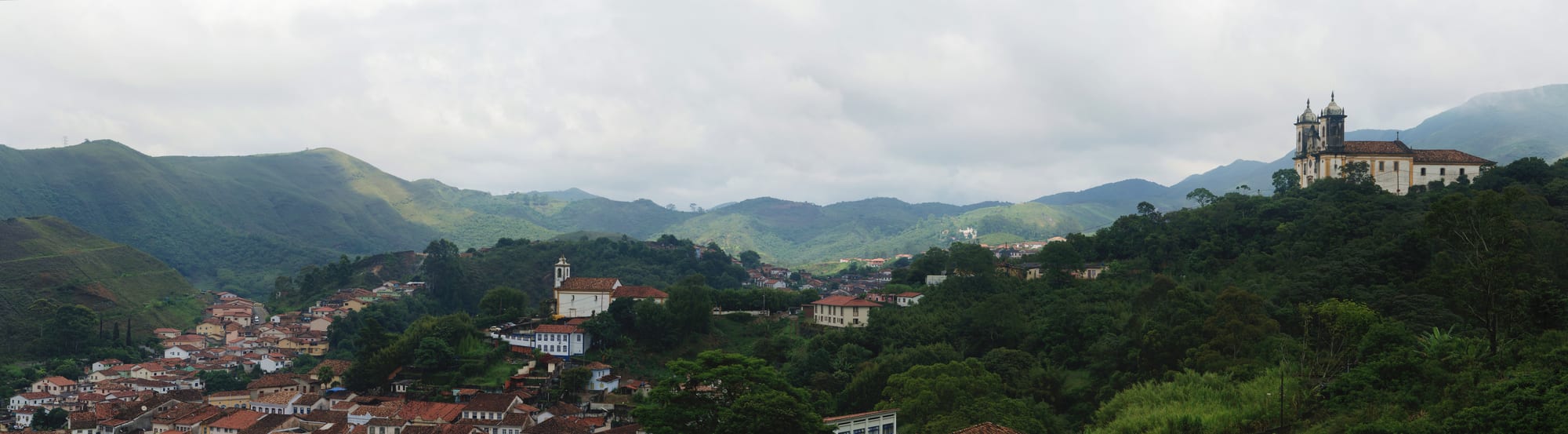
Huge gold strikes in Minas Gerais from the 1690s set off Brazil's first great inland rush. Towns like Ouro Preto were built almost overnight, the colonial capital shifted from Salvador to Rio de Janeiro, and a river of gold flowed to Portugal. A failed independence conspiracy in Minas in 1789 produced the country's proto-national martyr, Tiradentes, hanged in 1792.
In 1808, with Napoleon invading Portugal, the entire Portuguese royal court sailed to Brazil under British escort and set up in Rio — a rare case of a European monarchy running its empire from a colony. The prince regent opened Brazil's ports, founded a bank, a press and schools, and in 1815 raised Brazil to a kingdom equal with Portugal. When the king returned home in 1821 he left his son Pedro as regent.
An empire in the Americas
When the Portuguese parliament tried to pull Brazil back to colonial status and recall him, Pedro refused. On 7 September 1822, beside the Ipiranga stream near São Paulo, he declared independence, and was crowned Emperor Pedro I. Brazil became the Americas' only lasting monarchy, and largely escaped the fragmentation and civil wars that broke up Spanish America.
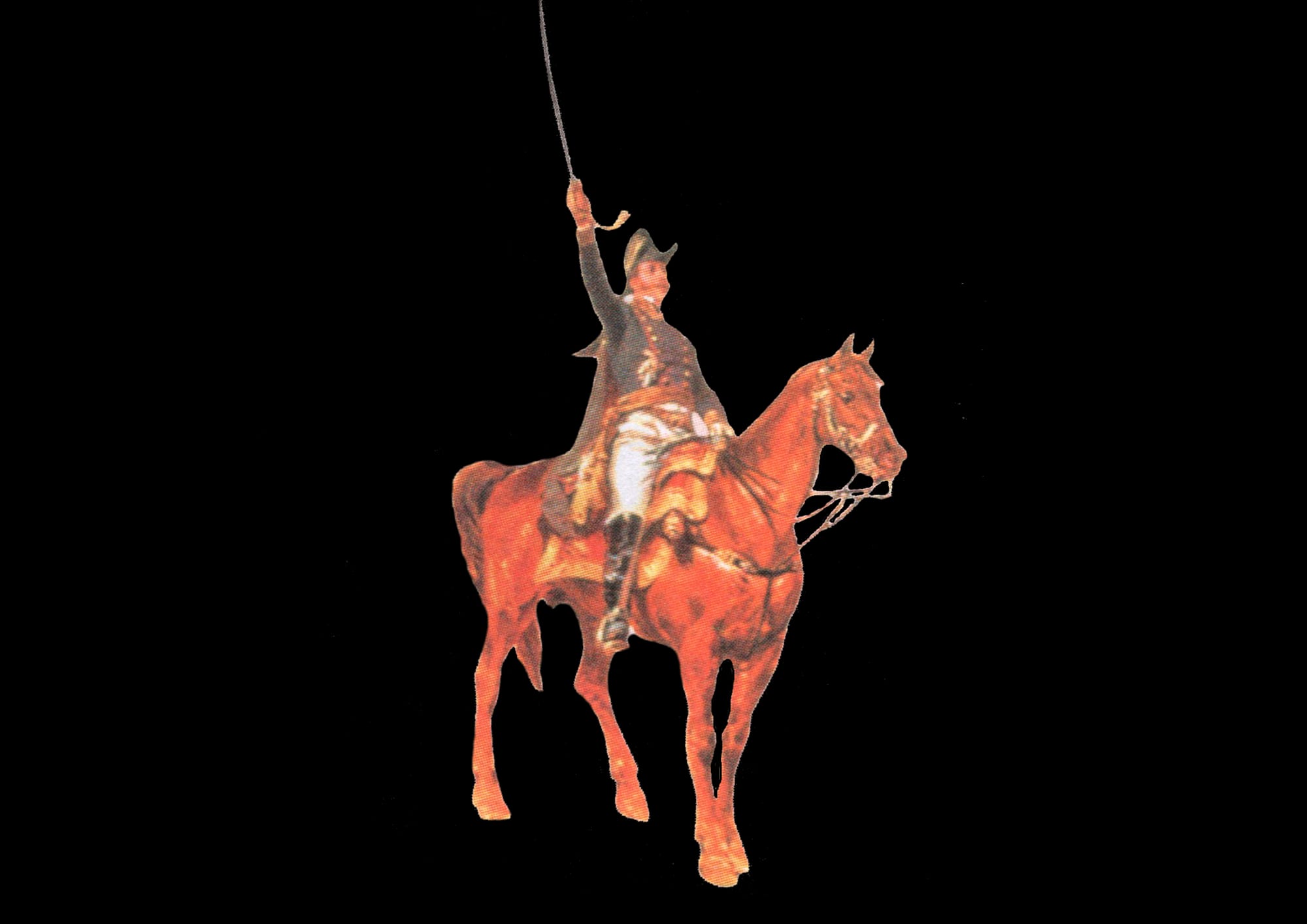
Pedro I abdicated in 1831, leaving his five-year-old son, who ruled as Pedro II for half a century — a long, comparatively stable parliamentary reign. Coffee, grown across the south-east, replaced sugar and gold as the country's engine and made Brazil the world's largest producer.
The end of slavery, and of the monarchy
Brazil was the last country in the Western world to abolish slavery, and it did so in slow stages under British and domestic pressure: the end of the Atlantic slave trade in 1850, a law freeing children born to enslaved mothers in 1871, and finally the Lei Áurea, or Golden Law, signed on 13 May 1888, which freed all the remaining enslaved people — with no compensation, no land, and no support.
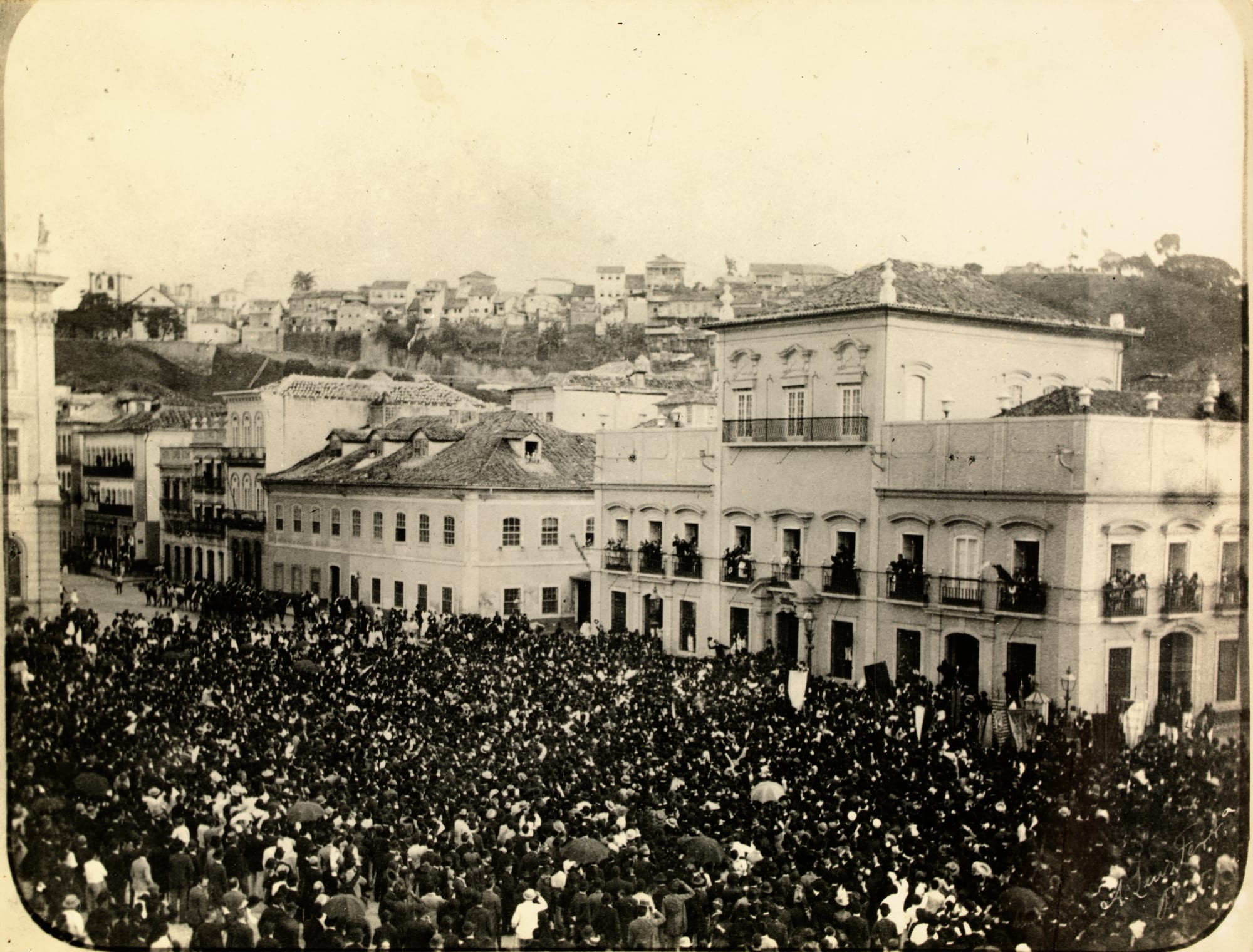
Eighteen months later, on 15 November 1889, a bloodless military coup backed by angry planters and republican officers deposed Pedro II and proclaimed a republic. The "Old Republic" that followed was an oligarchy run by the coffee barons of São Paulo and the ranchers of Minas Gerais, on a tiny franchise, while millions of European and Japanese immigrants arrived to work the plantations that slavery had once supplied.
Rubber, Vargas, and Brasília
Far to the north, the Amazon had its own boom. As the car and the bicycle created a world demand for rubber, Manaus and Belém grew fabulously rich between the 1880s and about 1912 — an opera house in the jungle, electric trams, imported luxury — on the backs of debt-bonded tappers in the forest. The boom collapsed when plantations in Southeast Asia, grown from smuggled Brazilian seeds, took over the market.
The coffee-oligarchy republic ended in 1930, when Getúlio Vargas seized power after a disputed election. Over 15 years, as elected president and then as dictator of a corporatist "New State", Vargas centralised the country, promoted industry, built a national identity, and gave urban workers labour laws — while censoring and jailing opponents. Pushed out in 1945 and elected again in 1950, he shot himself in the presidential palace in 1954, leaving a letter that made him a martyr. His successors continued the drive to develop: Juscelino Kubitschek promised "fifty years of progress in five" and built an entirely new capital, Brasília, on the empty central plateau, inaugurated in 1960.
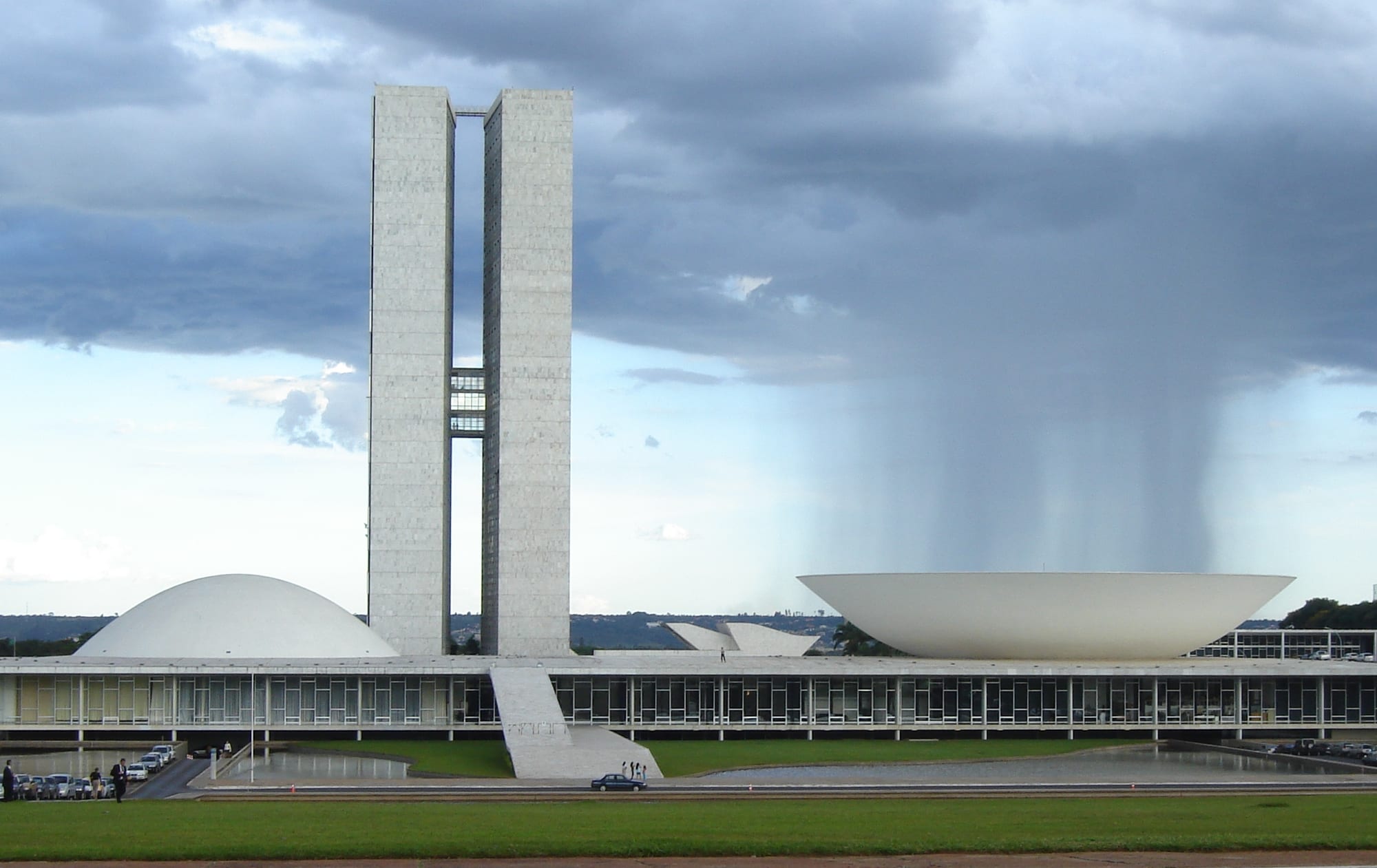
Brasília was built in 41 months, and satellite cities soon grew up around the planned core as internal migrants settled there.
Dictatorship and democracy
In 1964, amid Cold War fears and high inflation, the military overthrew the elected president João Goulart, with United States support, and held power for 21 years. The regime was at its worst after 1968: censorship, banned parties, and the torture and killing of hundreds of opponents. It also presided over an "economic miracle" of double-digit growth in the early 1970s and enormous infrastructure projects, financed by debt that became the crushing burden of the 1980s. A negotiated "opening" and the huge "Direct Elections Now" street movement of 1984 led to civilian rule in 1985 and a new democratic constitution in 1988.
Democratic Brazil tamed hyperinflation with the Plano Real in 1994, and under Luiz Inácio Lula da Silva, a former metalworker elected in 2002, rode a commodity boom and cash-transfer programmes to reduce poverty, briefly becoming a celebrated rising power. The years since have been turbulent: the impeachment of President Dilma Rousseff in 2016, the sprawling "Car Wash" corruption scandal, the far-right presidency of Jair Bolsonaro from 2019 with its surge in Amazon deforestation and a pandemic that killed more than 700,000 Brazilians, Lula's narrow return in 2022, and an attempted insurrection by Bolsonaro supporters who stormed the capital's government buildings in January 2023. In September 2025 the Supreme Federal Court convicted Bolsonaro of plotting a coup to stay in power and sentenced him to 27 years in prison.
What Brazil carries
Brazil's history is a sequence of booms — each one reorganising the country around a single export, each one leaving its towns, its migrations and its inequalities behind. Underneath them all is the fact that it was the largest destination of the Atlantic slave trade and the last society in the West to end slavery, and that it did so without giving the freed population anything. The country that resulted is enormous, culturally dominant across a hemisphere, and still working through both of those inheritances.