Attractions & Natural Wonders · Cabo Verde
Cabo Verde: Ten Attractions and Natural Wonders
An active volcano with a village inside its crater, ridge-walking trails above terraced valleys, a salt lake in an old crater, and the town that gave the world Cesária Évora
By Globeway Editorial · 30 September 2026
Ten volcanic islands in the Atlantic
Cabo Verde is an archipelago of ten islands and several islets some 600 to 850 kilometres west of the coast of Senegal — Portuguese until 1975, and uninhabited before European settlement, which makes its Creole culture entirely its own. The islands split into windward (Barlavento) and leeward (Sotavento) groups, and they vary enormously: flat, sandy, beach-resort islands in the east; steep, green, hiking islands in the west; a live volcano in the middle.
The ten below span the main islands. Getting between them is by short domestic flights or (fewer) ferries. It is dry and mild year-round, windiest December to April (good for kitesurfing), with a short, unreliable rainy season around August–October.
1. Pico do Fogo and Chã das Caldeiras
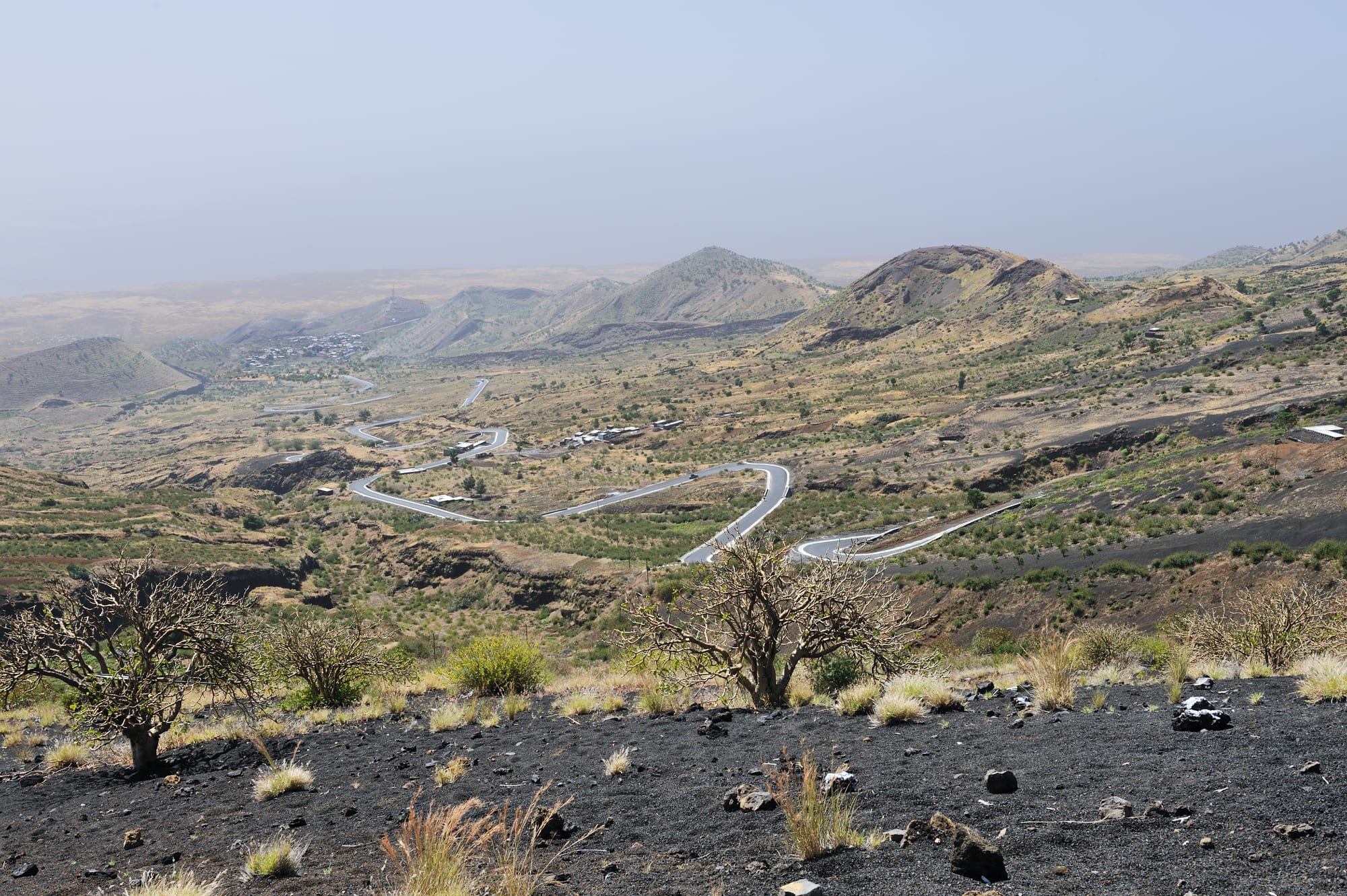
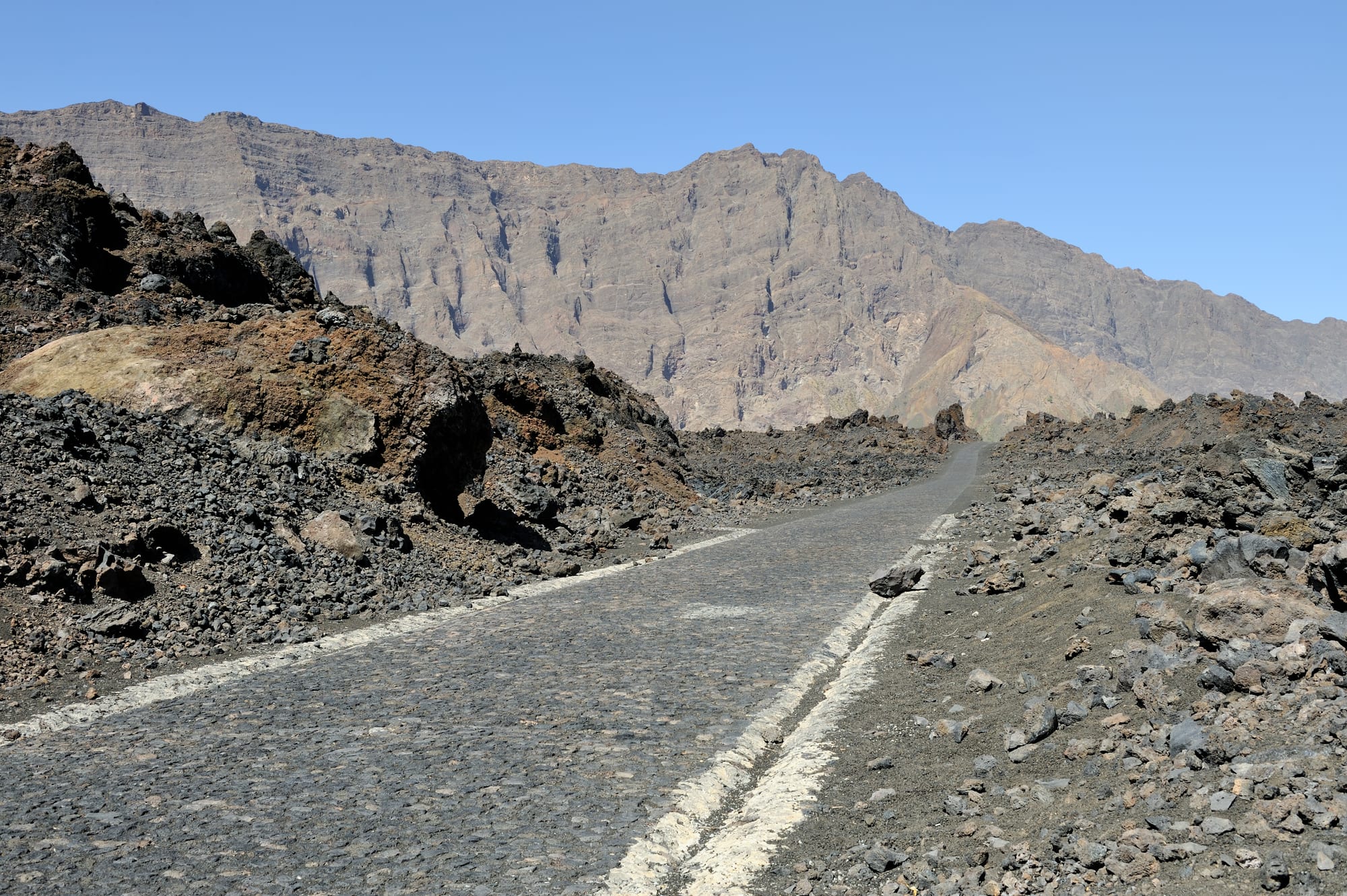
Fogo ("fire") is essentially one big volcano, and inside its breached caldera — a plain of black lava ringed by walls up to a kilometre high — a few hundred people live in the village of Chã das Caldeiras, growing grapes for a distinctive volcanic wine and coffee on the ash. The last eruption, in 2014–15, destroyed most of the buildings in its hamlets; many residents left, and some homes have since been rebuilt.
From here walkers climb the main cone, Pico do Fogo (2,829 m, Cabo Verde's high point) — a steep ascent of several hours on loose scree, with a fast scree-run descent — usually with a local guide.
2. Santo Antão
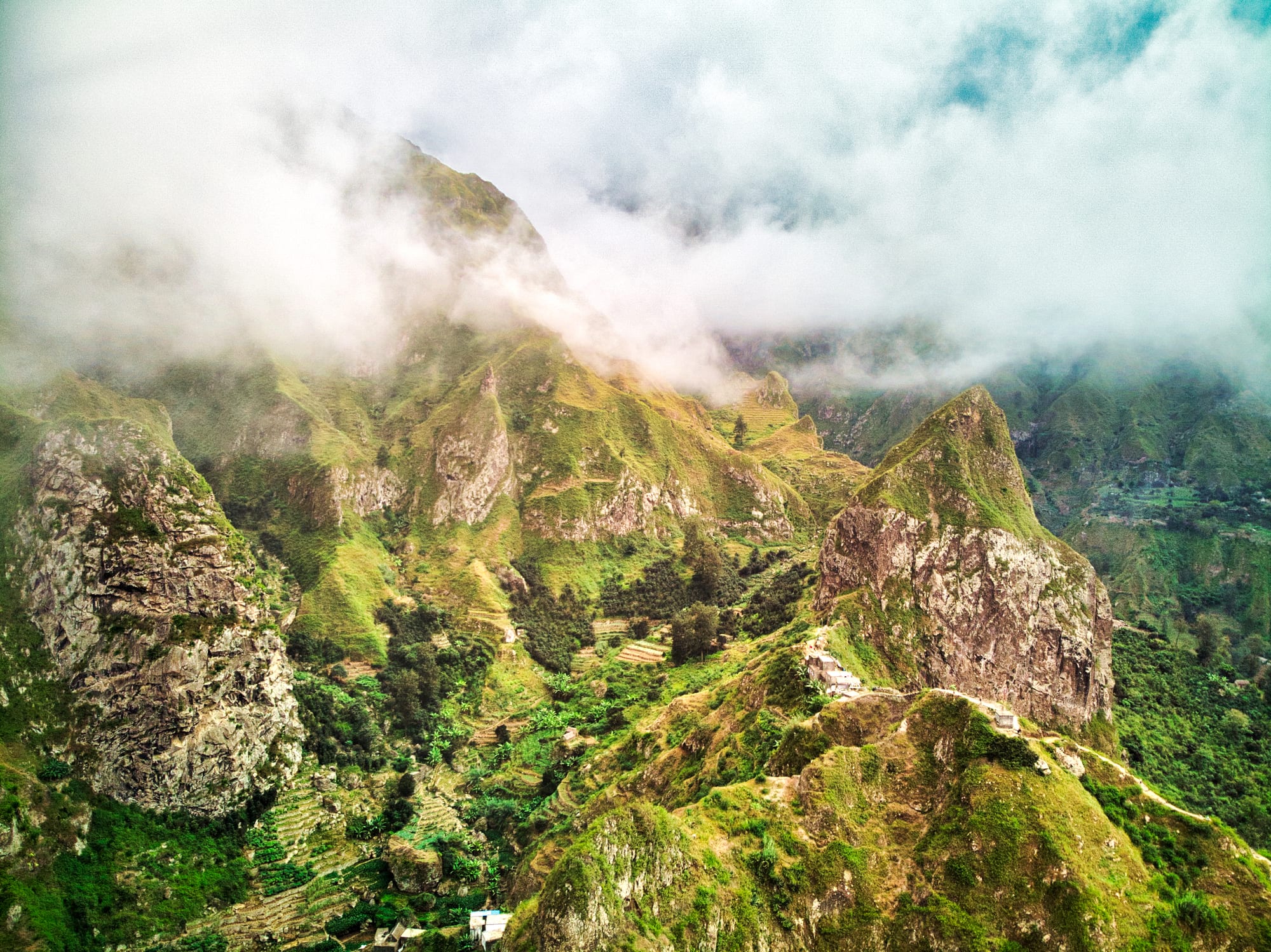
Santo Antão, the northwestern island, is Cabo Verde's hiking destination: a spine of jagged ridges dropping into deep, intensely cultivated valleys — sugarcane, yams, mango, terraced up impossible slopes. Cobbled mule paths link the villages, and the classic walks descend from the crater rim at Cova into the Paúl valley, or trace the coast from Ponta do Sol to Cruzinha.
The island has had no airport since the 1990s; it is reached by ferry from São Vicente. The main towns are Porto Novo (the port) and Ribeira Grande.
3. Mindelo, São Vicente
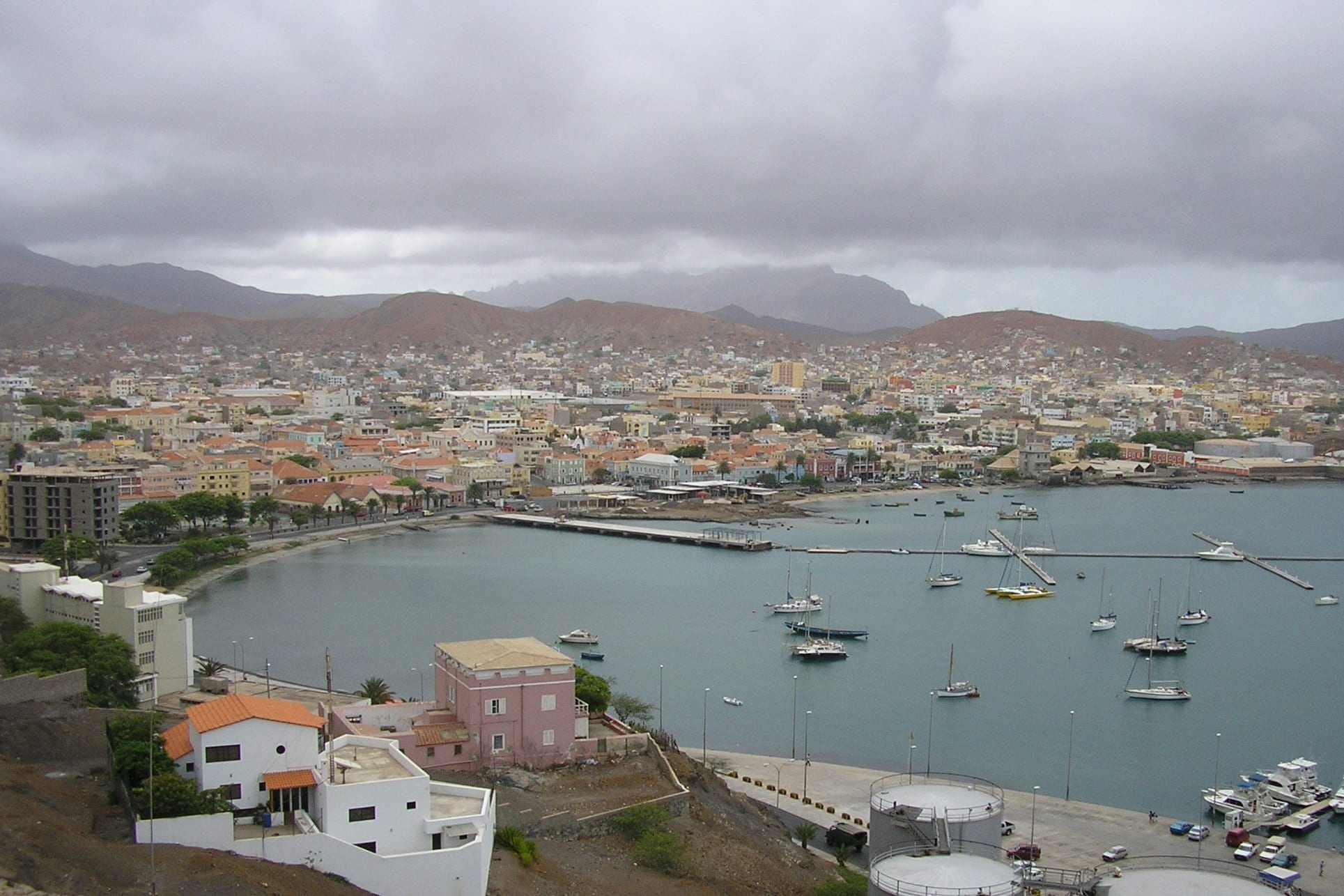
Mindelo, wrapped around a fine natural harbour, is the country's most sophisticated town — a former British coaling station with a colonial-era customs house and governor's palace, a lively music scene in its bars, and a famous, Brazilian-influenced Carnival. It was the home of Cesária Évora, the "barefoot diva" who took Cape Verdean morna to the world.
The town beach at Laginha is right in the centre; the windsurfing beach at São Pedro and the island's highest point, Monte Verde (744 m), are short drives.
4. Sal and Santa Maria
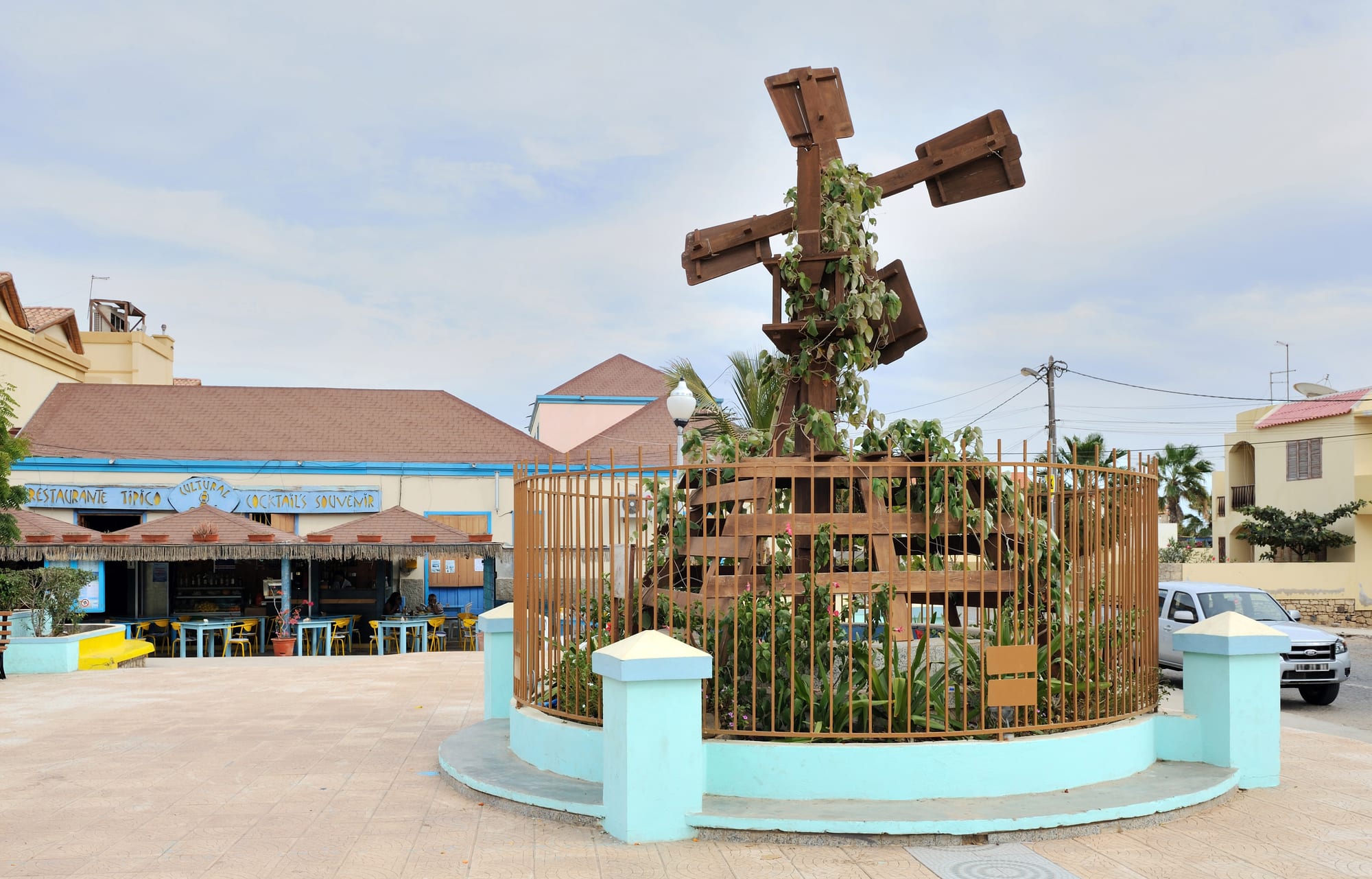
Sal is the package-holiday island: flat, brown, and dry, with one of the country's main international airports and a long white-sand beach at Santa Maria backed by resorts. The water is warm, clear, and windy — Sal is a leading kitesurfing and windsurfing centre — and lemon sharks can be seen in the shallows off the island's coast.
Beyond the beach: the salt pans and blue lagoon of Pedra de Lume, the "Blue Eye" sea cave at Buracona, and not much else.
5. Pedra de Lume salt crater
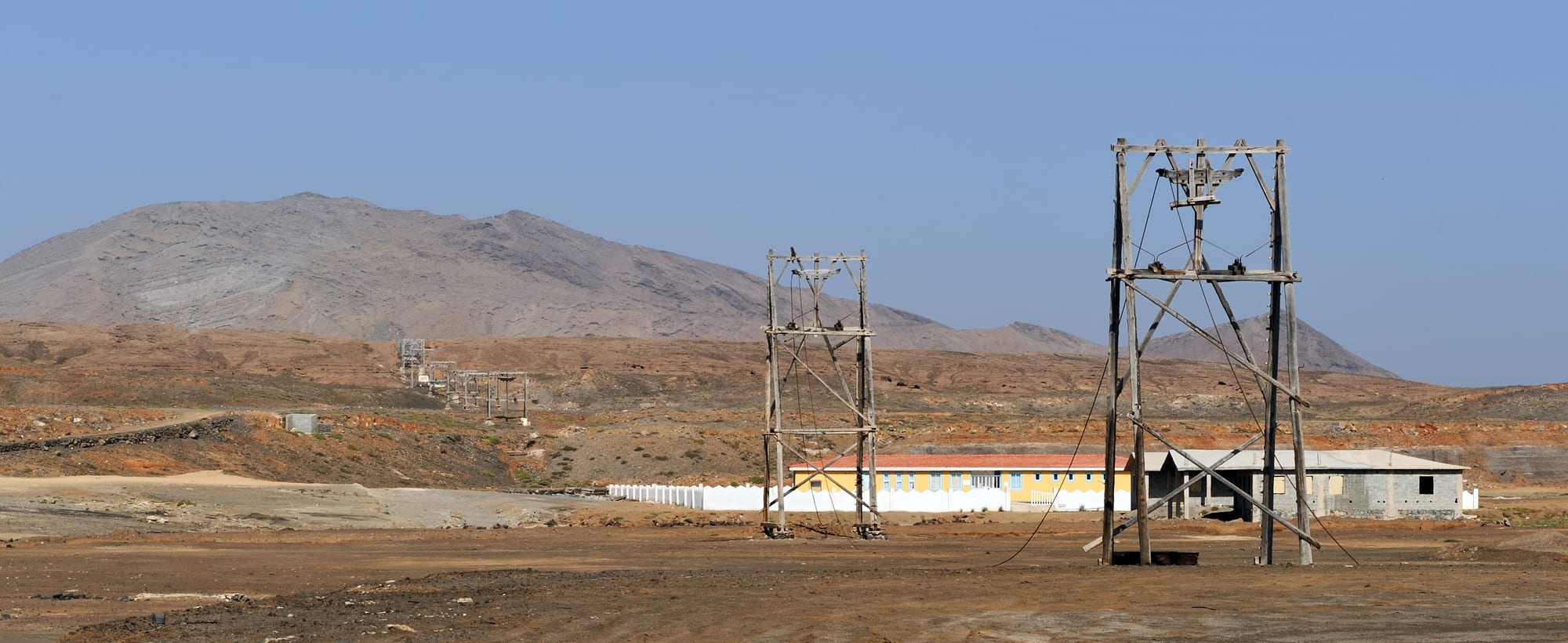
On the east side of Sal, seawater seeps into the floor of an old volcanic crater and evaporates into a patchwork of salt pans, worked commercially from the 18th century and served by a 1920s aerial cableway, now rusting picturesquely. The brine is dense enough to float in, much like the Dead Sea.
It is the most interesting sight on an otherwise low-relief island.
6. Boa Vista
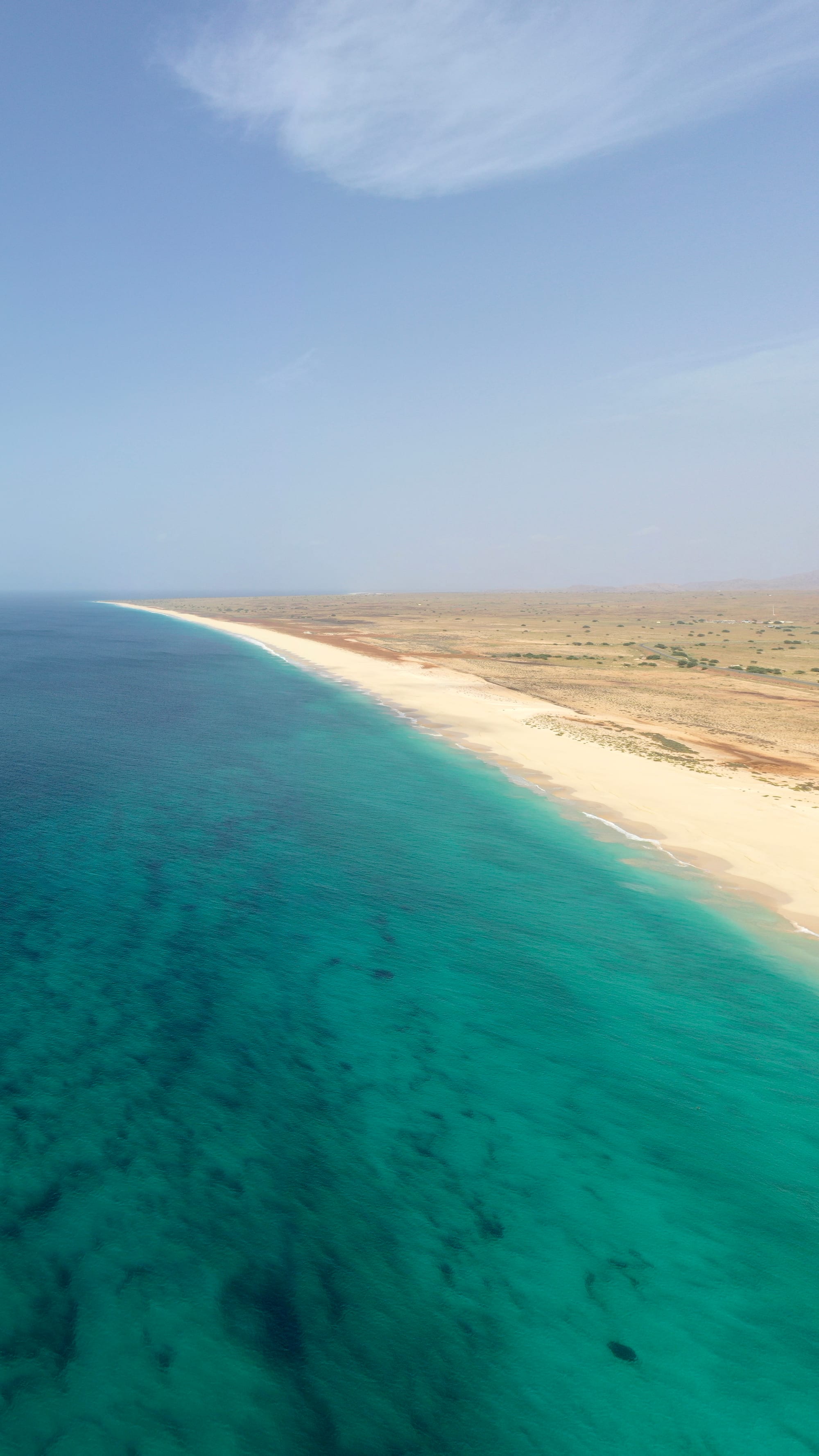
Boa Vista is another international-airport island, and the most thinly populated — a flat expanse of sand dunes (a small "Sahara" of them at Viana), long empty beaches, and warm water. Its beaches are the heart of Cabo Verde's globally important loggerhead turtle rookery, with guided night walks in season (roughly June–October), and the wreck of the Cabo Santa Maria (aground since 1968) rusting on the north shore.
The one town, Sal Rei, is small and slow. This is a place to do very little.
7. Cidade Velha, Santiago
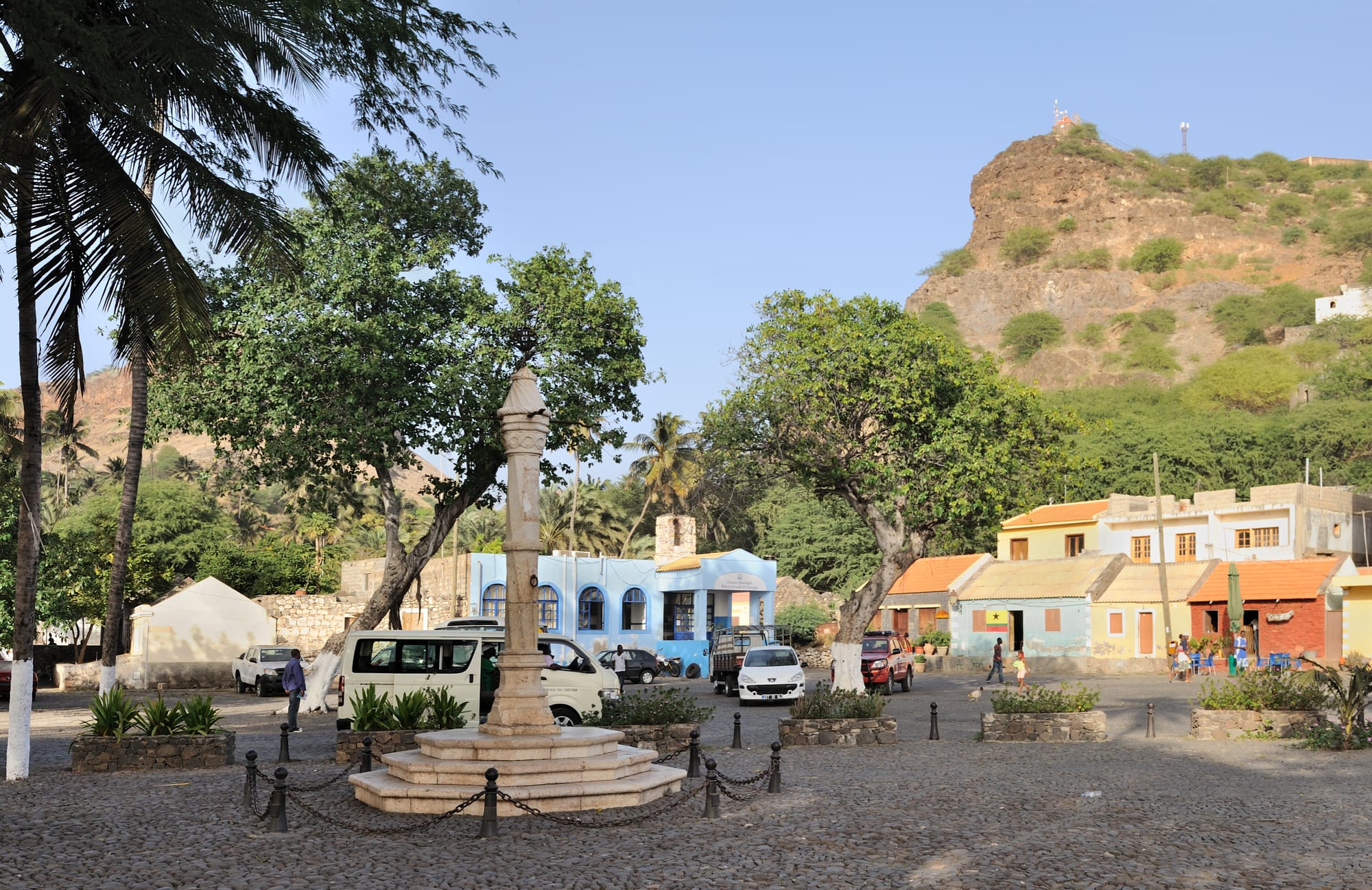
Cidade Velha ("old city"), just west of the capital Praia, was founded in 1462 as Ribeira Grande — the first permanent European settlement in the tropics, and a hub of the transatlantic slave trade. Its ruined cathedral, the hilltop Fort Real de São Filipe, the marble pillory in the square, and the old houses of Rua Banana are part of a UNESCO World Heritage Site, the Historic Centre of Ribeira Grande.
Santiago, the largest island, also has the mountain scenery of Serra Malagueta and the markets of the interior.
8. Tarrafal, Santiago
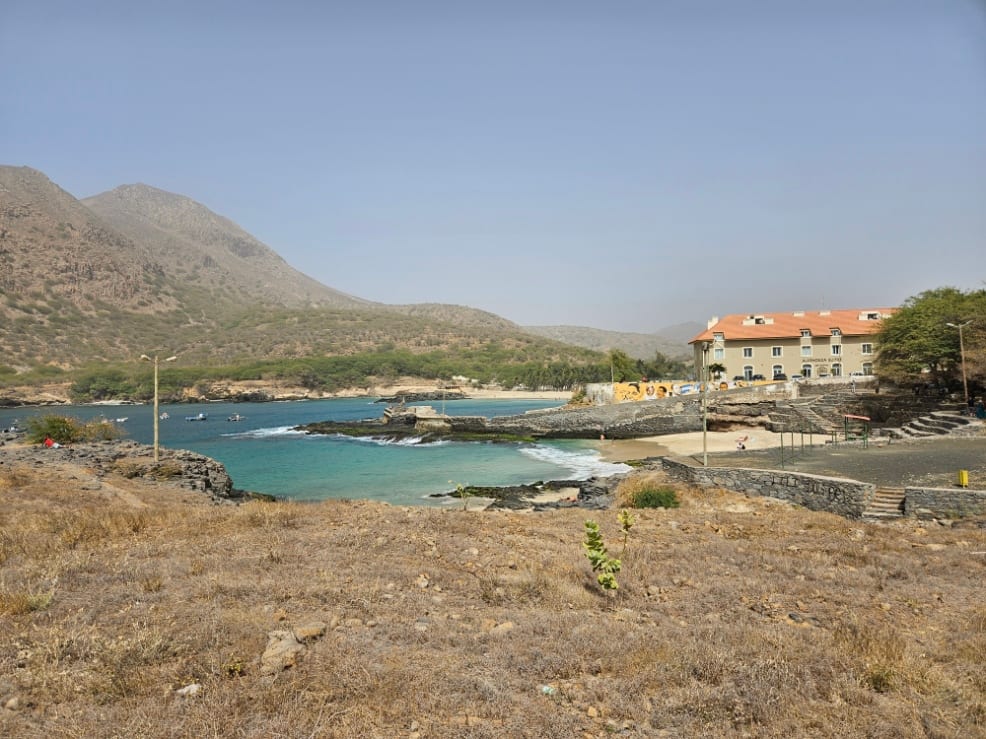
At the northern tip of Santiago, the fishing town of Tarrafal has a sheltered crescent of white sand and calm water — a rare thing on this often surf-battered island, and an easy day trip or overnight from Praia.
Tarrafal has a darker history too: the Portuguese dictatorship ran a concentration camp for political prisoners here from 1936 to 1974, now the Museum of Resistance.
9. Praia
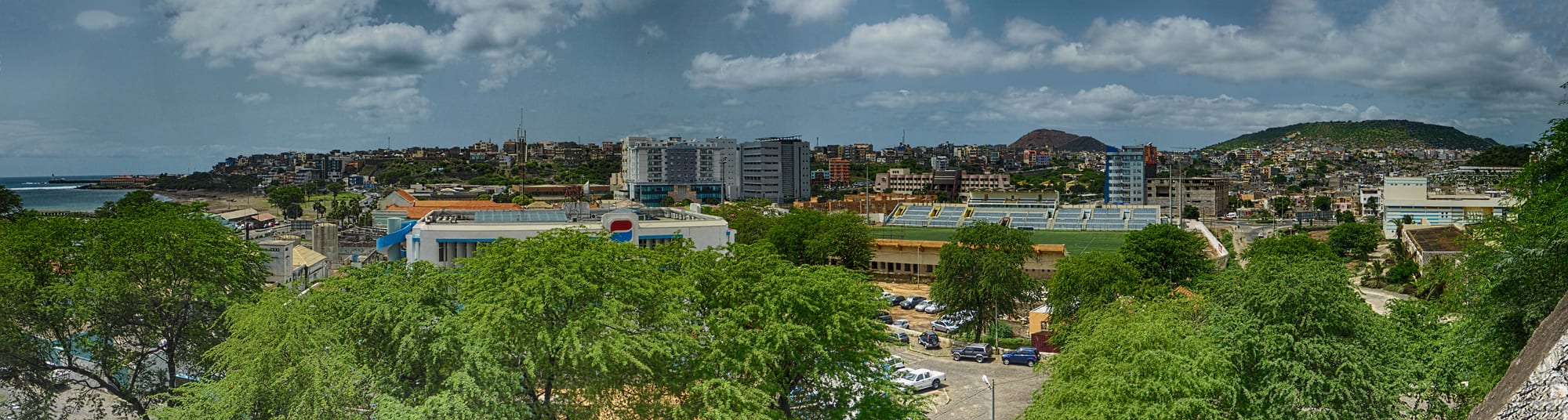
Praia, on Santiago, is the capital and largest city — a working African-Atlantic port rather than a resort. The old core, the Plateau, sits on a flat-topped bluff above the sea, with the ochre presidential palace, the main square (Praça Alexandre Albuquerque), the municipal market, and the ethnographic museum.
It is the transport hub for the Sotavento islands and the base for exploring Santiago's interior; city beaches are close.
10. Island hopping and the trails
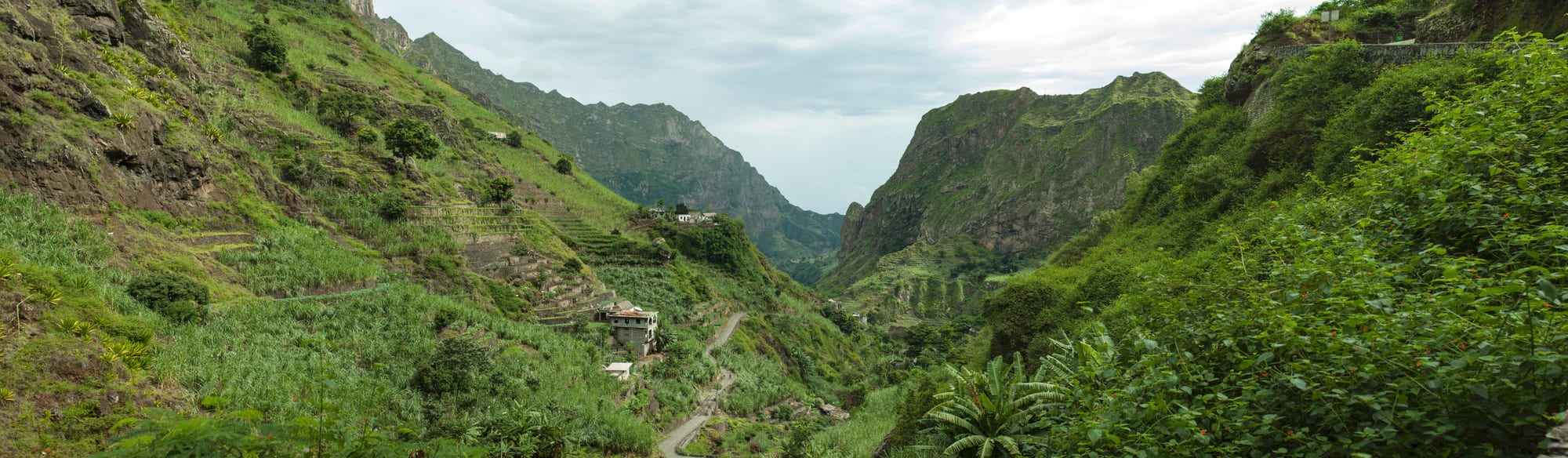
Beyond the individual sights, Cabo Verde is about combining islands of different character: a few days of hiking on Santo Antão, the music and Carnival of Mindelo, the volcano and wine of Fogo, and a beach island — Sal, Boa Vista, or the quieter Maio — to finish. The smaller islands (Brava, São Nicolau) reward travellers with more time.
The soundtrack is constant: morna, coladeira, funaná, played live in bars across the islands, and the reason many visitors keep coming back.
Cabo Verde works best as a two- or three-island trip over a week or ten days. Internal schedules are thin, so the plan works best kept flexible for weather and ferries.