Food · Canada
Canada: Food and the National Dish
A dish of fries, cheese curds and gravy that started as a Quebec diner order, a maple syrup industry serious enough to keep a strategic reserve, and a food culture built on immigration as much as geography
By Worldlore Editorial · 30 September 2026
A cuisine built by geography and immigration in equal measure
Canada is too large and too regionally varied to have one single dominant food tradition — Atlantic seafood, prairie beef and grain, British Columbia salmon, and a genuinely distinct Quebec food culture with its own French roots all sit under one flag. Layered on top of that geography is one of the most multicultural food scenes in the world, particularly in cities like Toronto and Vancouver, alongside a growing recognition of Indigenous foodways that predate all of it.
The national dish: poutine
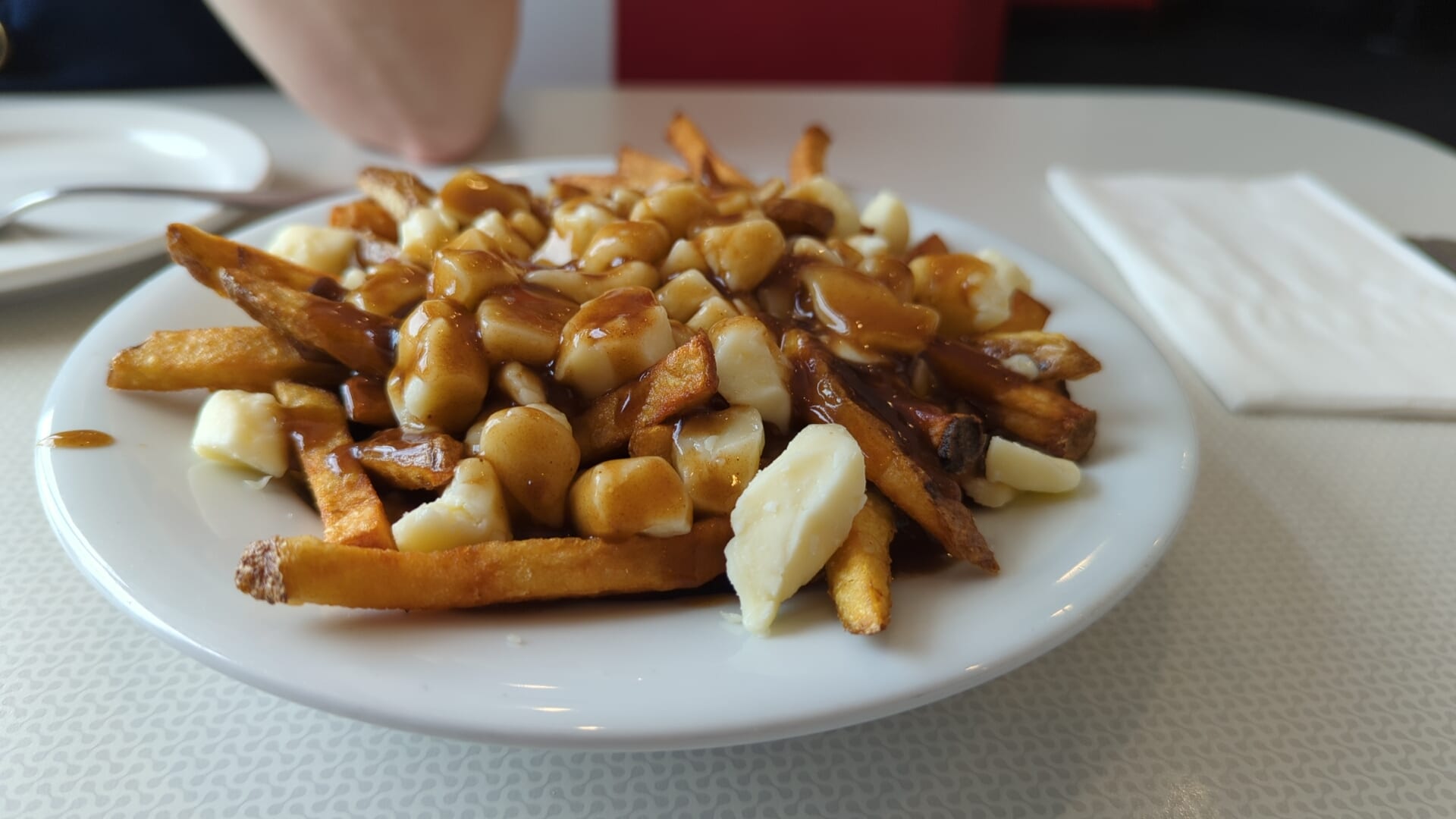
Poutine — fries topped with cheese curds and hot gravy, the gravy melting the curds just enough to leave them soft outside and squeaky inside — has been called Canada's national dish, though some critics see that label as appropriating a Québécois dish; it started in the Centre-du-Québec region in the late 1950s. Several Quebec towns, Warwick and Drummondville among them, claim to be its true birthplace, and the argument has never really been settled. What began as a regional curiosity is now sold, with endless variations, from coast to coast.
Butter tarts, Nanaimo bars and Canadian baking
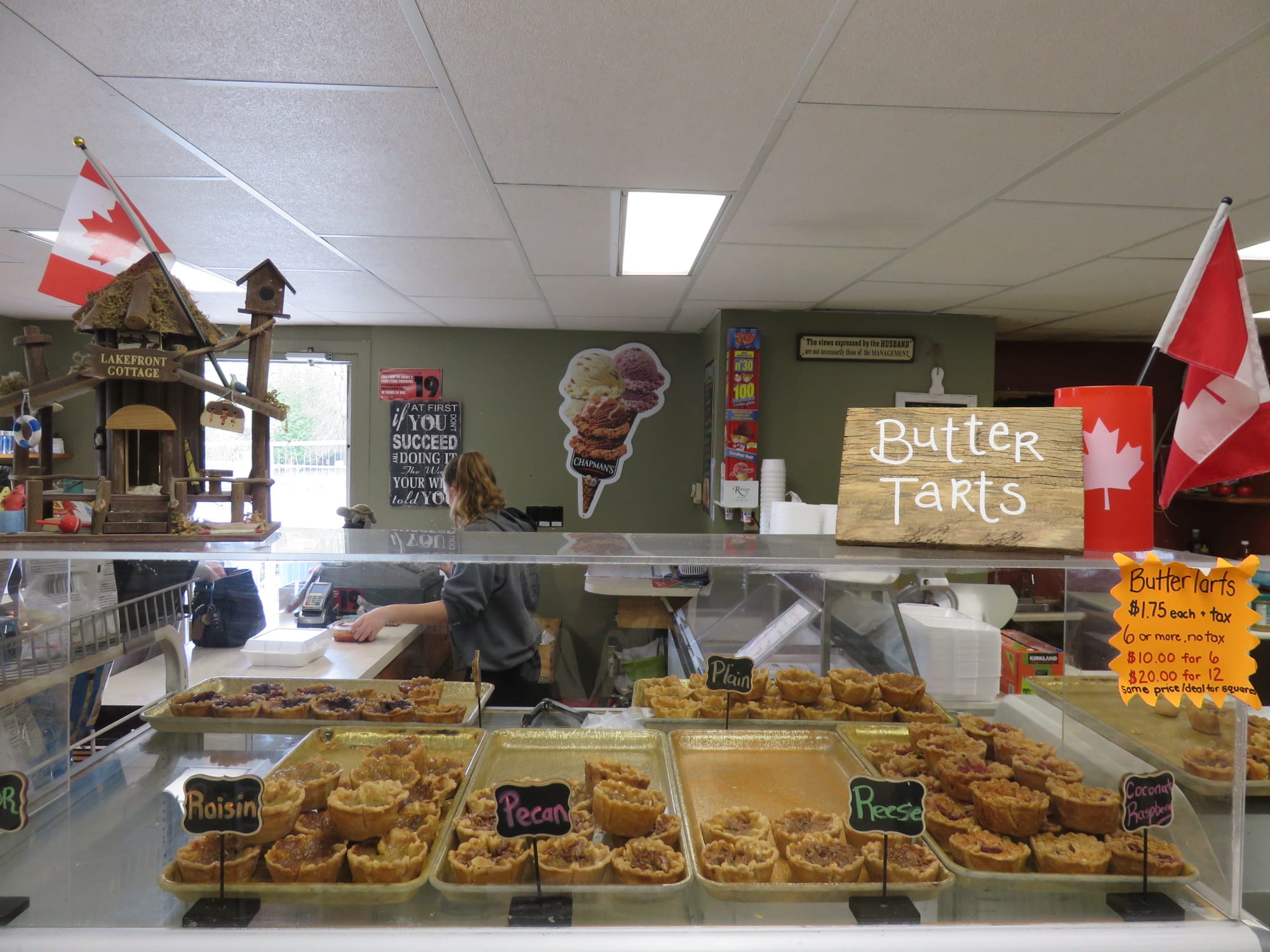
Butter tarts — a flaky pastry shell filled with a filling of butter, sugar and egg, baked until just set, sometimes with raisins or pecans — are a characteristic pastry of Canada, and Canadians argue about the "correct" filling (runny or firm, raisins or plain) with real passion.
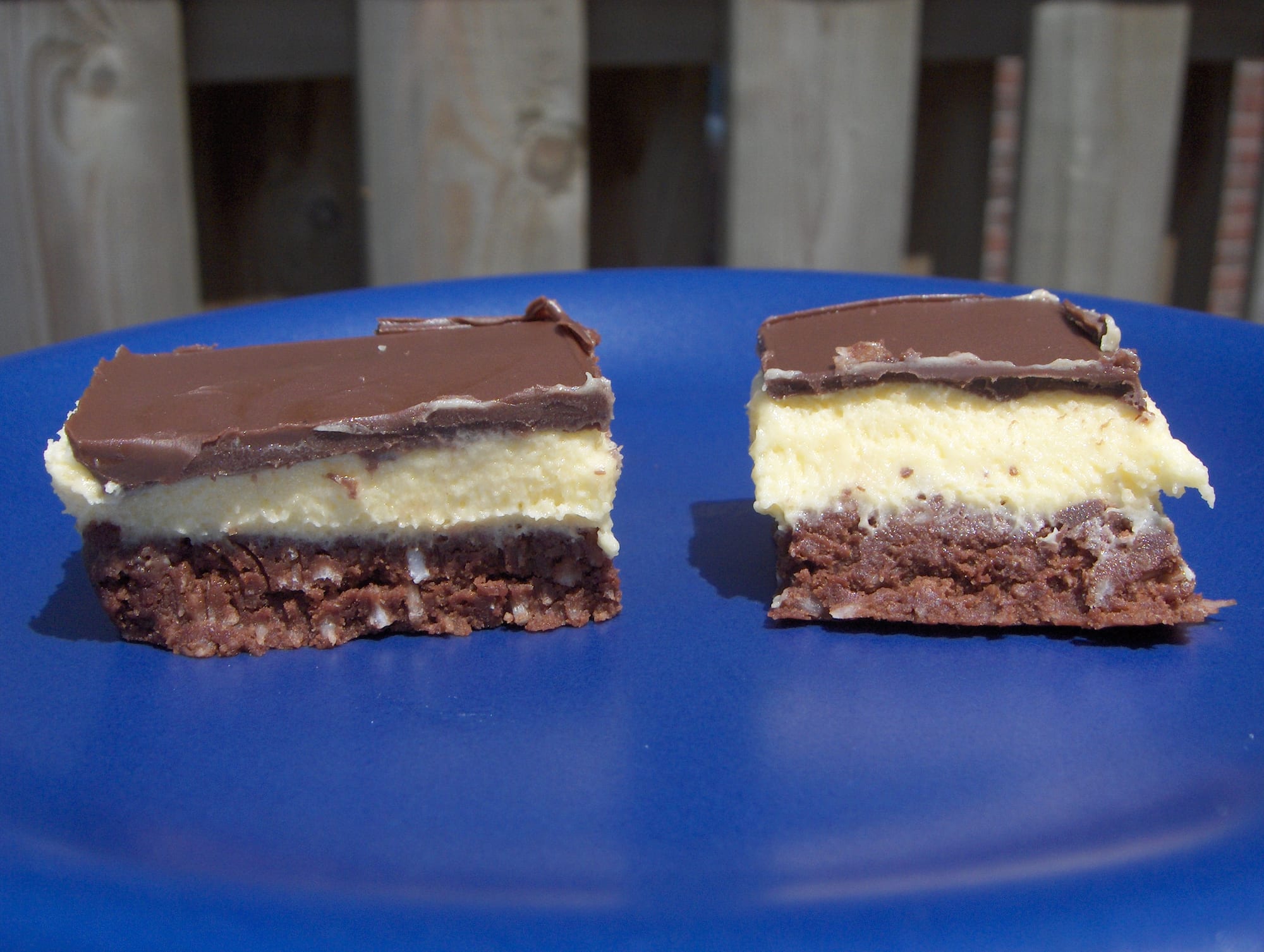
Nanaimo bars, a no-bake dessert of a wafer, nut and coconut crumb base, custard icing and chocolate ganache on top, take their name from Nanaimo, British Columbia, and are found in bakeries across the country regardless of the distance from their namesake city.
Dishes to know
Five more to recognise across Canada:
- Tourtière — a spiced pie of minced pork, veal or beef, a French-Canadian Christmas and New
Year's Eve tradition centred on Quebec.
- Nanaimo bars — a layered, no-bake coconut-crumb, custard-icing and
chocolate dessert bar named for the British Columbia city.
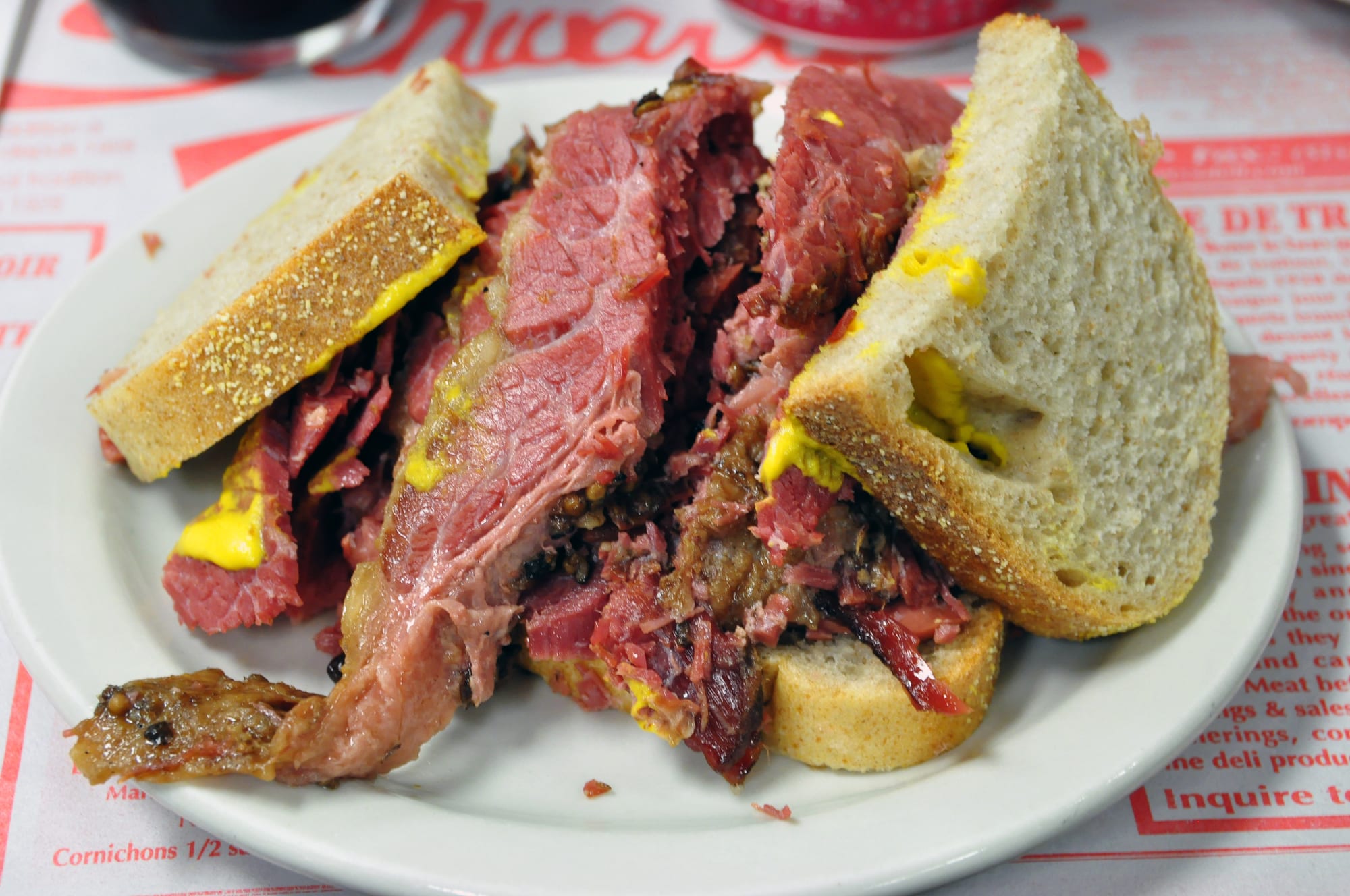
- Montreal smoked meat — beef brisket cured, smoked and steamed, piled high
on rye bread, most famously at Montreal delis like Schwartz's.
- Montreal-style bagels — boiled in honey-sweetened water and baked in a
wood-fired oven, denser and sweeter than New York-style bagels.
- Donair — a Halifax take on the döner kebab, created in the 1970s by Greek
immigrant Peter Gamoulakos with beef and a sweet sauce of condensed milk, vinegar and garlic.
Drinks
The Caesar — vodka, Clamato juice (a mix of tomato and clam broth), Worcestershire and hot sauce, served with a celery stalk — is a genuine Canadian invention, created by Walter Chell in Calgary in 1969 and now one of the country's most popular cocktails, distinct from the Bloody Mary it resembles. Tim Hortons coffee is a cultural institution in its own right, and Canadian whisky — often simply called rye, even though most of it is corn-based — has its own long history separate from American bourbon.
Eating as a traveller
Vegetarians and vegans are well catered for in most Canadian cities, which have some of the more developed plant-based dining scenes in North America. Tap water is safe to drink in Canadian towns and cities. Regional specialities are worth actively seeking out rather than assuming poutine is the whole story — a lobster roll in the Maritimes or a smoked meat sandwich in Montreal says more about a specific place than a national dish ever could.
What to take from the table
Poutine is the dish to try first, but Canada's food story really lives in its regions — Quebec's tourtière and smoked meat, the Maritimes' seafood, and a Nanaimo bar that has long since left Nanaimo behind.