Attractions & Natural Wonders · Colombia
Colombia: Ten Attractions and Natural Wonders
A walled Caribbean city, palm trees taller than any others on Earth, a river that runs five colours in one month, and a monolith climbed by more than 700 steps
By Worldlore Editorial · 30 September 2026
A country transformed
Colombia has three ranges of the Andes, a Caribbean coast, a Pacific coast, and a slice of Amazon and of the Orinoco plains — an exceptionally varied geography. For decades its reputation was defined by drug violence; since a 2016 peace deal with the FARC and years of falling crime, it has become an increasingly popular destination in South America. Some regions still have security issues and coca-related conflict, so it pays to check locally, but the main tourist areas are well established and welcoming.
The ten below run from the Caribbean coast to the Andes and the Amazon. Colombia is close to the equator, so "seasons" are mostly wet and dry, varying by region.
1. Cartagena de Indias
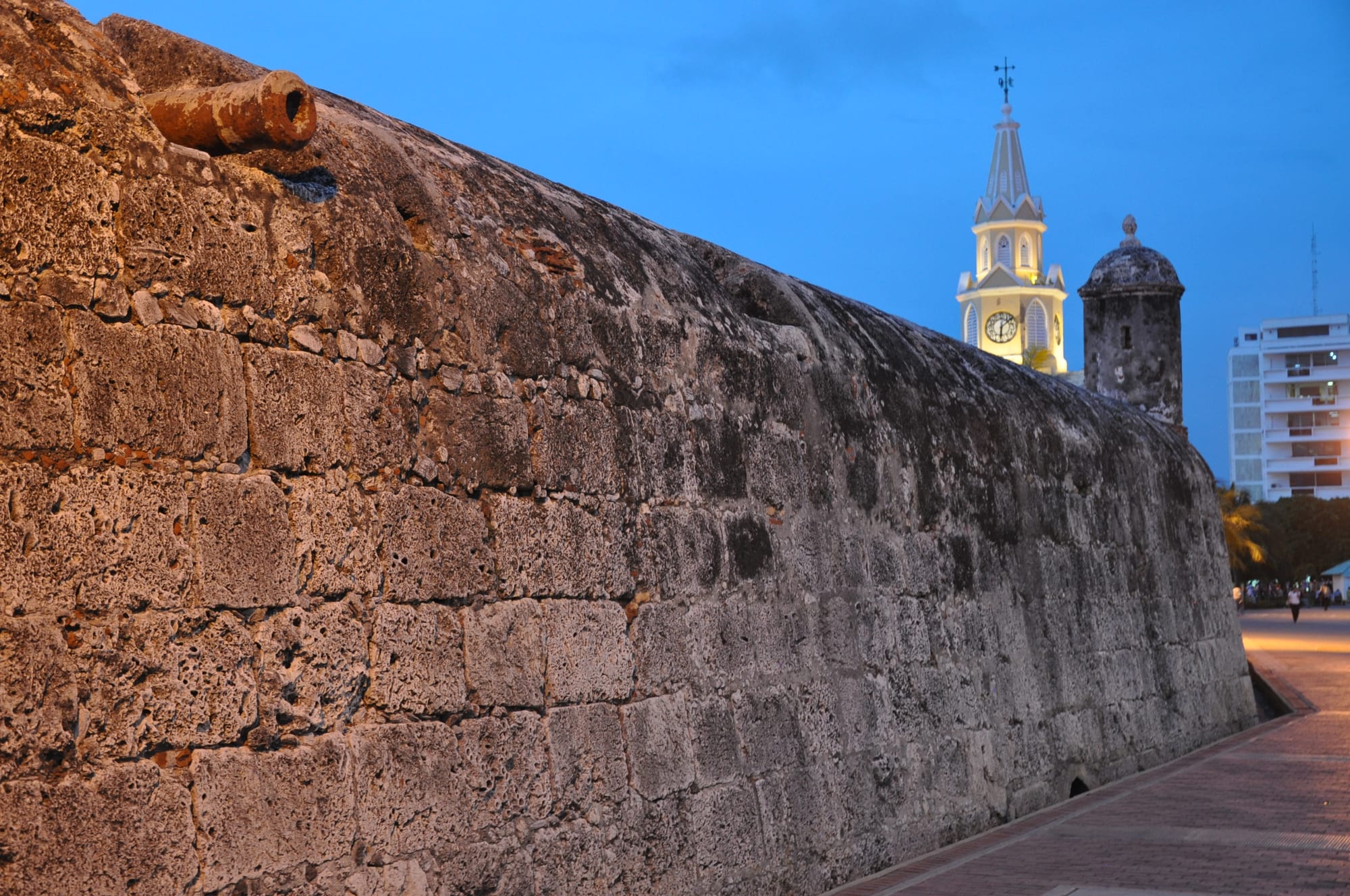
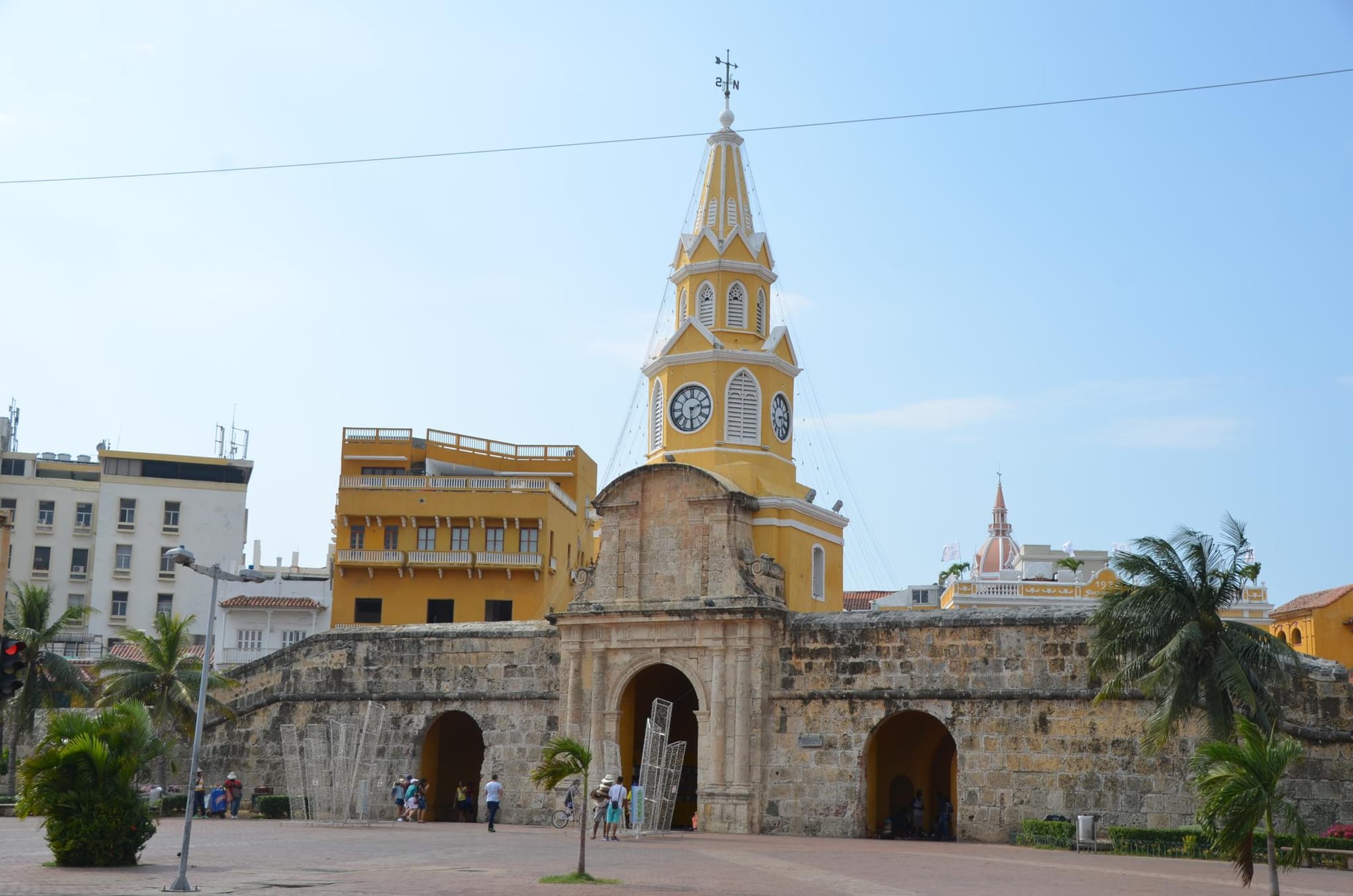
Cartagena was Spain's great fortified treasure port on the Caribbean, and its old town — a grid of balconied, bougainvillea-hung houses, plazas, and churches inside a ring of massive 16th–18th-century walls — is a UNESCO World Heritage Site, along with the huge San Felipe de Barajas castle on the hill above. The neighbouring Getsemaní district, once rough, is now the nightlife and street-art quarter.
From the port, boats run to the Rosario Islands and the beaches of Barú and Playa Blanca.
2. Tayrona National Park
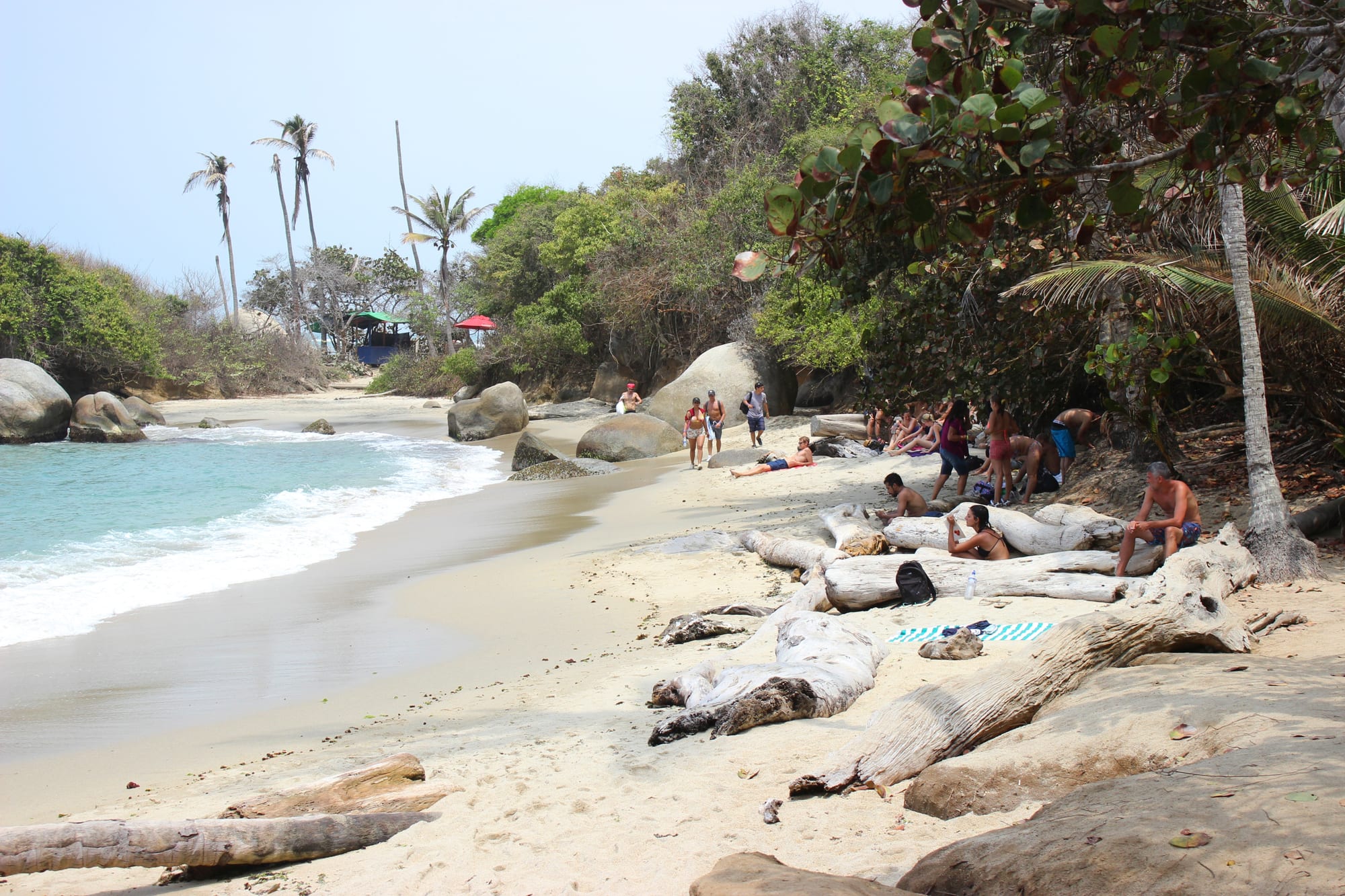
East of Santa Marta, Tayrona protects a stretch of coast where the jungle-covered foothills of the Sierra Nevada de Santa Marta — the highest coastal mountain range in the tropics — drop to a shoreline of boulder-strewn coves and palm-backed beaches. The beaches are reached on a hot forest walk; some have strong currents and are for looking at, not swimming.
The land is sacred to the Kogi and other Indigenous peoples descended from the Tairona, and the park closes for a few weeks each year for them.
3. The Coffee Region and the Cocora Valley
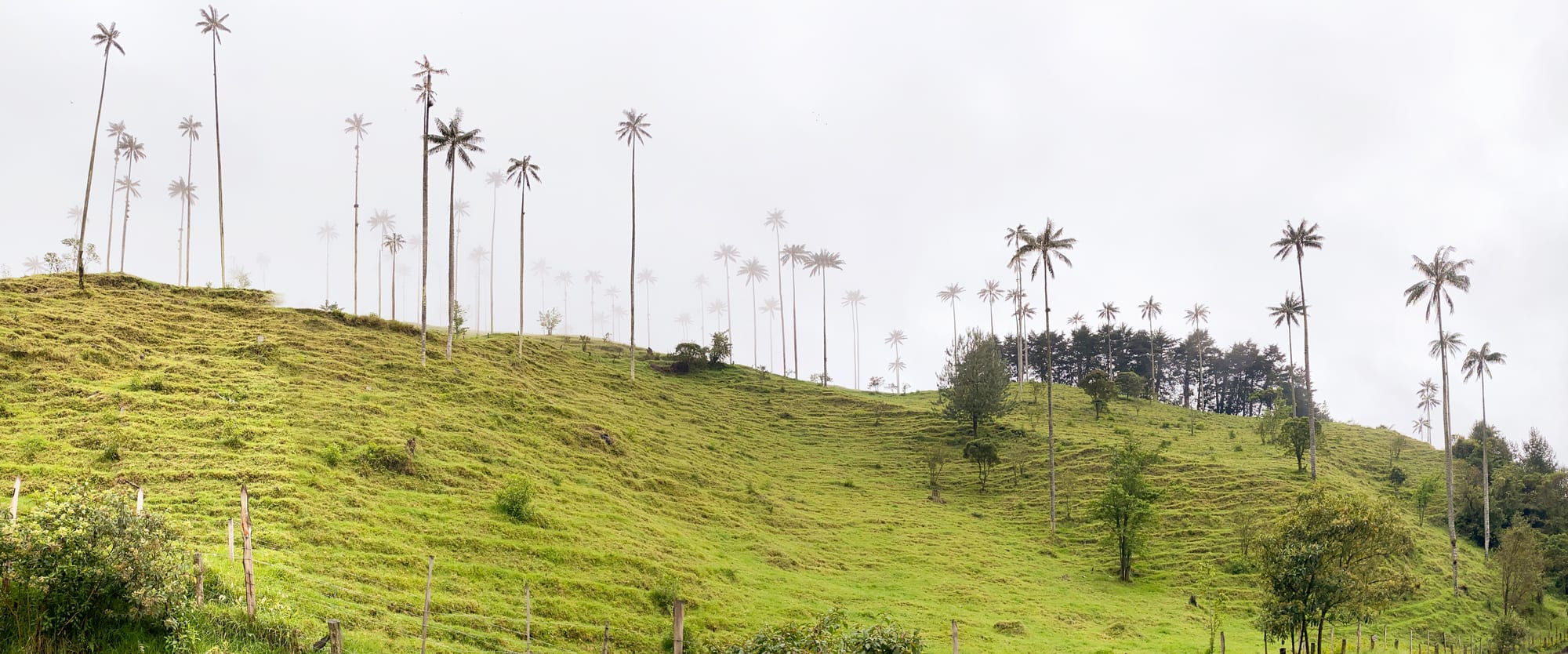
The "Eje Cafetero", in the central Andes around Armenia, Pereira, and Manizales, is a landscape of steep coffee farms, bamboo forest, and painted towns — a UNESCO Cultural Landscape. Its scenic set piece is the Cocora Valley near Salento, where the Ceroxylon quindiuense wax palm, Colombia's national tree, grows to extraordinary heights above cattle pasture, a strange sight against the green hills.
Farm stays let visitors pick and roast coffee; the towns of Salento and Filandia are the prettiest bases.
4. Guatapé and El Peñol
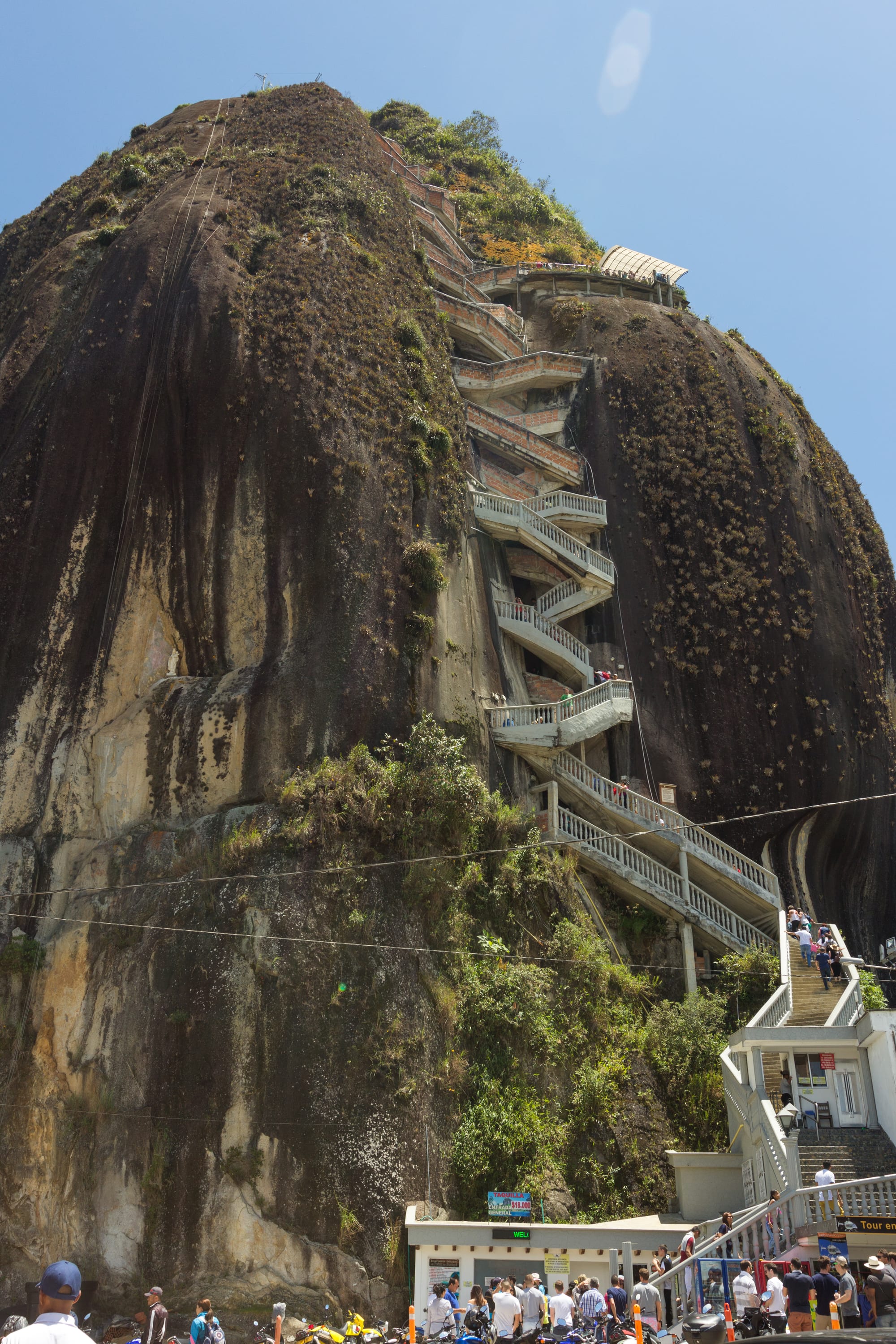
Two hours east of Medellín, a 200-metre granite monolith — El Peñol — rises from a landscape of interlocking reservoir fingers created by a 1970s hydroelectric dam. A zigzag concrete staircase of 708 steps, wedged into a crack in the rock, climbs to a viewing platform on top. The nearby town of Guatapé is famous for its zócalos, brightly painted moulded panels along the base of every building.
It is one of the most popular day trips in the country.
5. Medellín
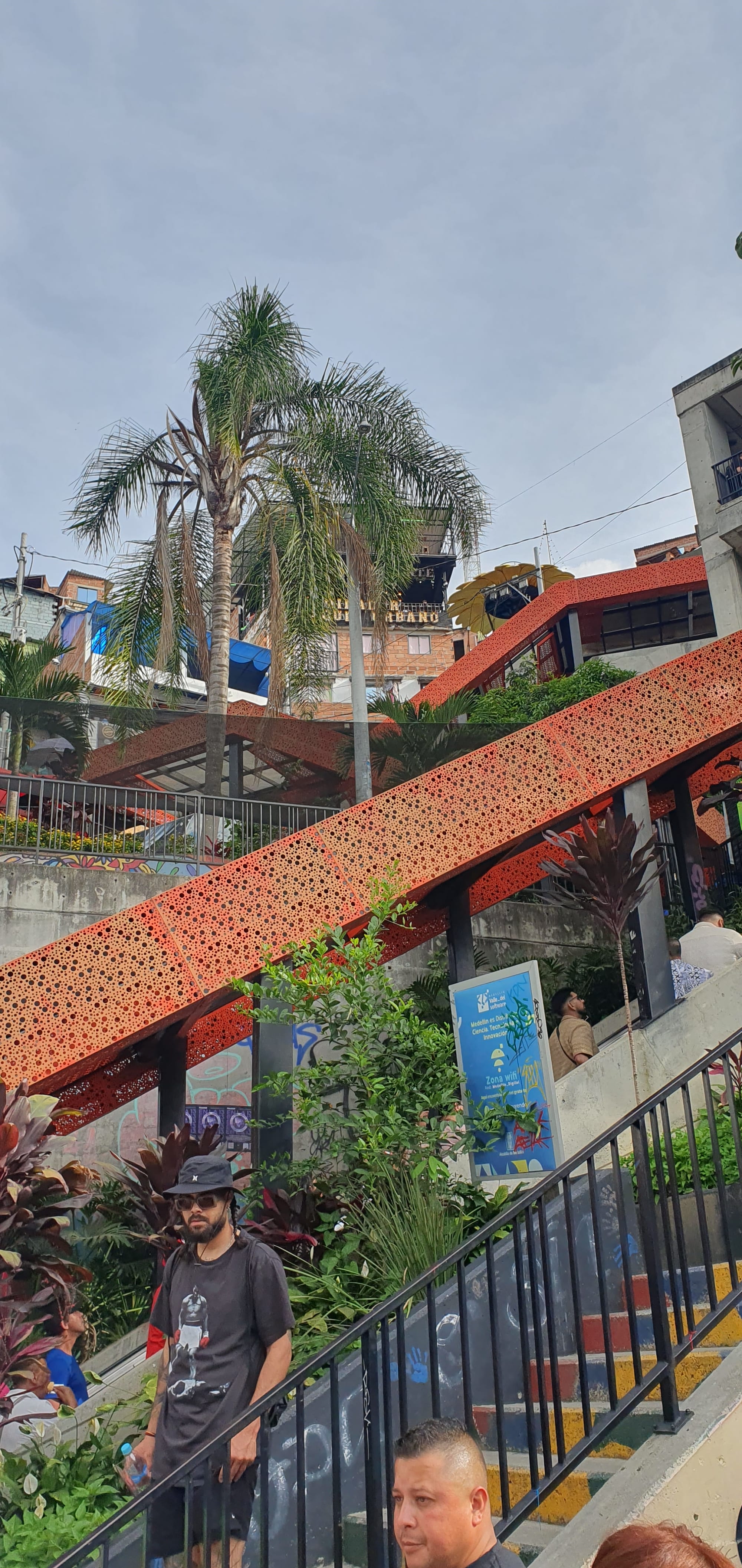
Medellín, once synonymous with Pablo Escobar's cartel and among the most violent cities on Earth, has become the poster child for Colombia's turnaround. The clearest symbol is Comuna 13: a hillside barrio reconnected to the city by cable cars and a set of outdoor escalators, now covered in murals and full of tours, music, and food stalls. The Metrocable lines, the botanical garden, the Botero sculpture plaza, and the spring-like climate make the city one of Colombia's most enjoyable.
Serious problems remain in parts of the city; the tourist areas are safe with normal care.
6. Bogotá
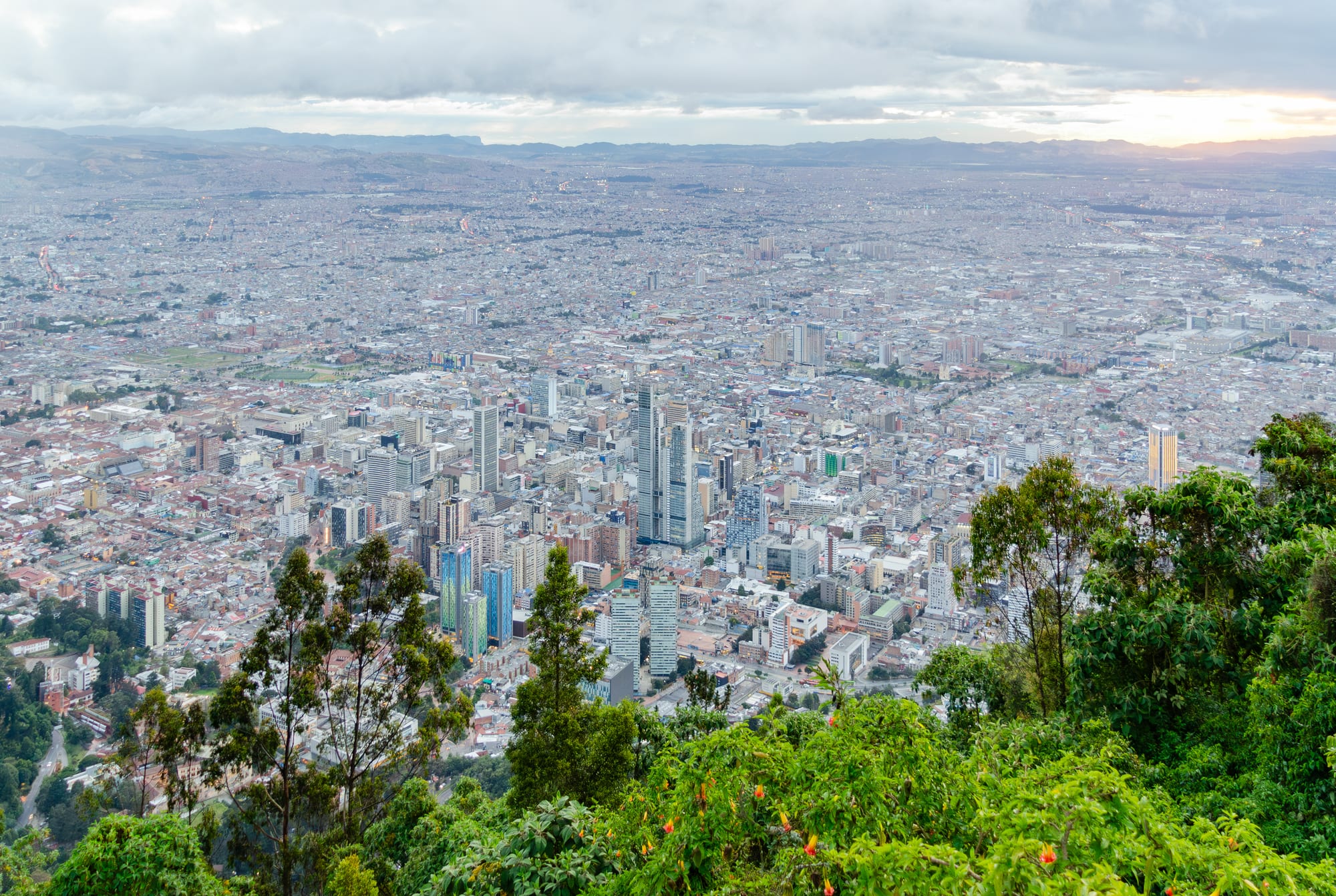
Colombia's capital sits at 2,640 metres on a high Andean plateau — cool, grey, and sprawling. The historic core, La Candelaria, has the main square, the Botero Museum, the extraordinary Gold Museum (the world's largest collection of pre-Columbian gold artefacts), and steep cobbled streets of universities and cafés. A funicular or cable car climbs the peak of Monserrate for the view over the city.
Day trips reach the underground Salt Cathedral of Zipaquirá, carved into the tunnels of a salt mine 200 metres underground.
7. Caño Cristales
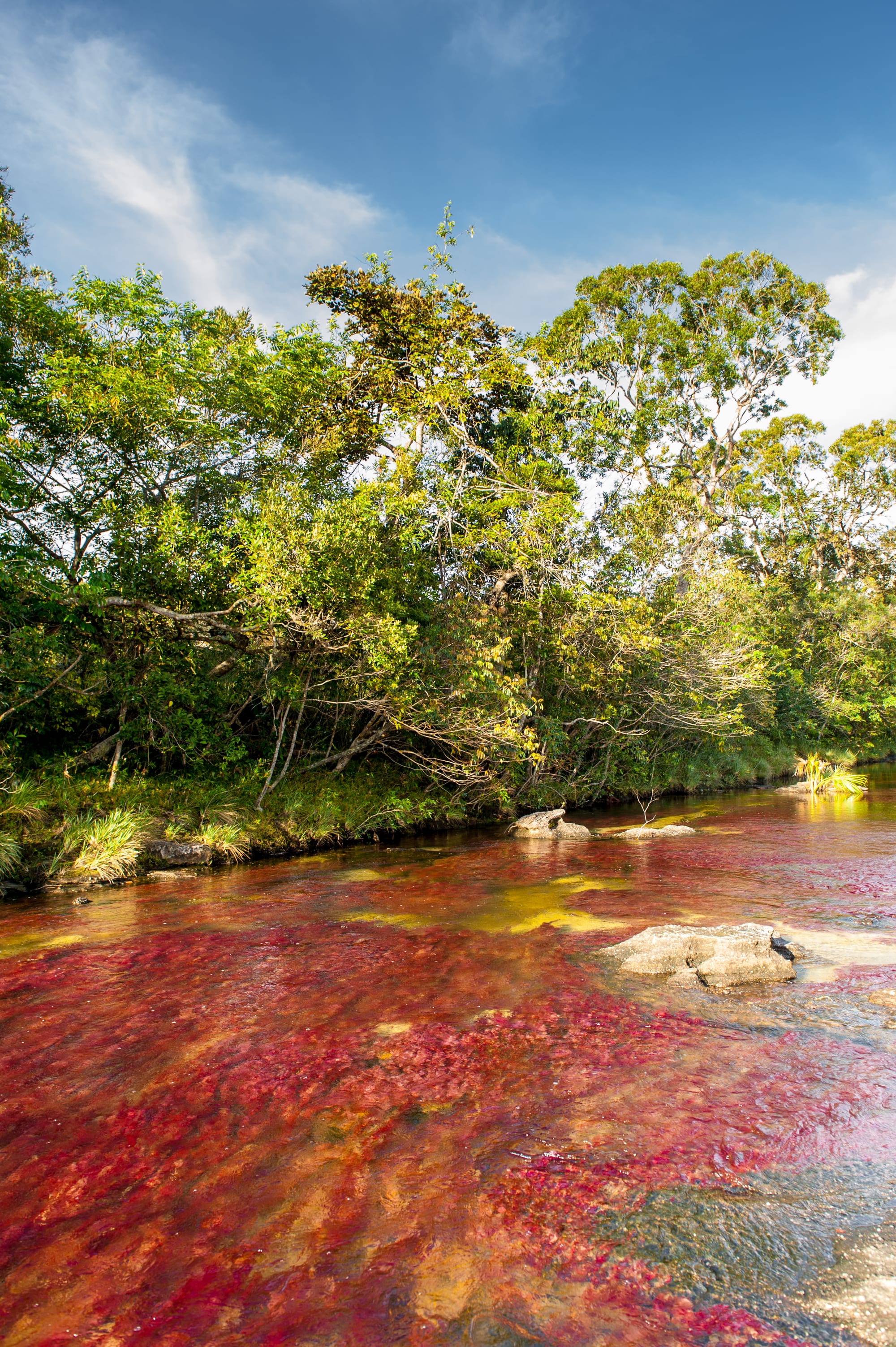
In the Serranía de la Macarena, where the Andes, the Amazon, and the Orinoco plains meet, an endemic aquatic plant called Macarenia clavigera turns a clear mountain stream brilliant red, pink, orange, and green for part of each year (roughly from late June or July to November), against yellow sand and black rock. It is often called "the most beautiful river in the world".
The river has become a tourist destination only in recent years; visits are usually on guided packages that fly in to the town of La Macarena.
8. The Lost City (Ciudad Perdida)
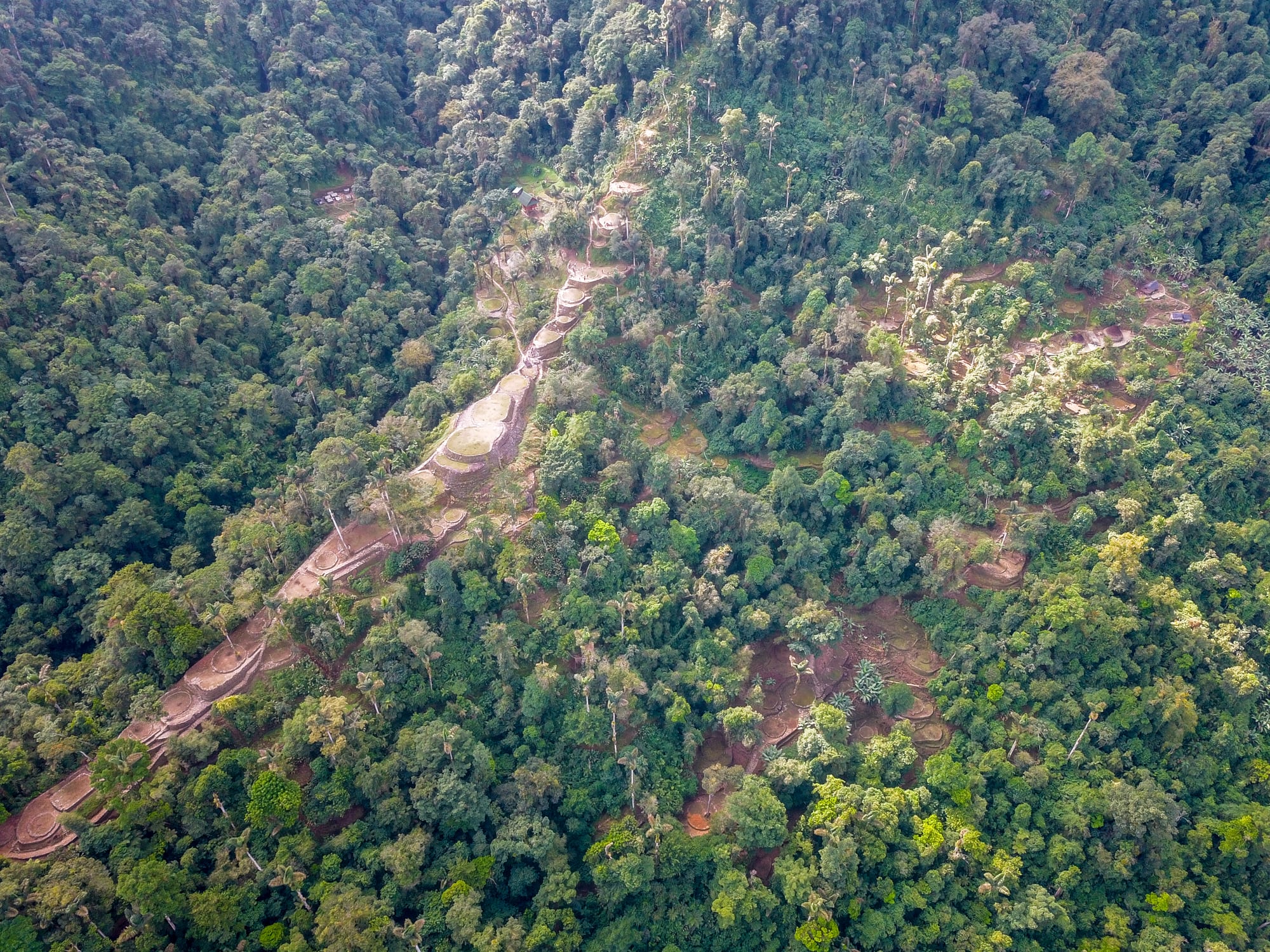
Deep in the Sierra Nevada de Santa Marta, the Ciudad Perdida — "Teyuna" to the Indigenous peoples who still hold it sacred — is a Tairona city of stone terraces, paths, and plazas built from around AD 800, abandoned after the Spanish conquest and rediscovered by looters in 1972. It is reached only on a guided trek of several days through jungle, river crossings, and Indigenous villages, ending with a climb of about 1,200 stone steps.
It is Colombia's answer to the Inca Trail, and much less crowded.
9. Villa de Leyva
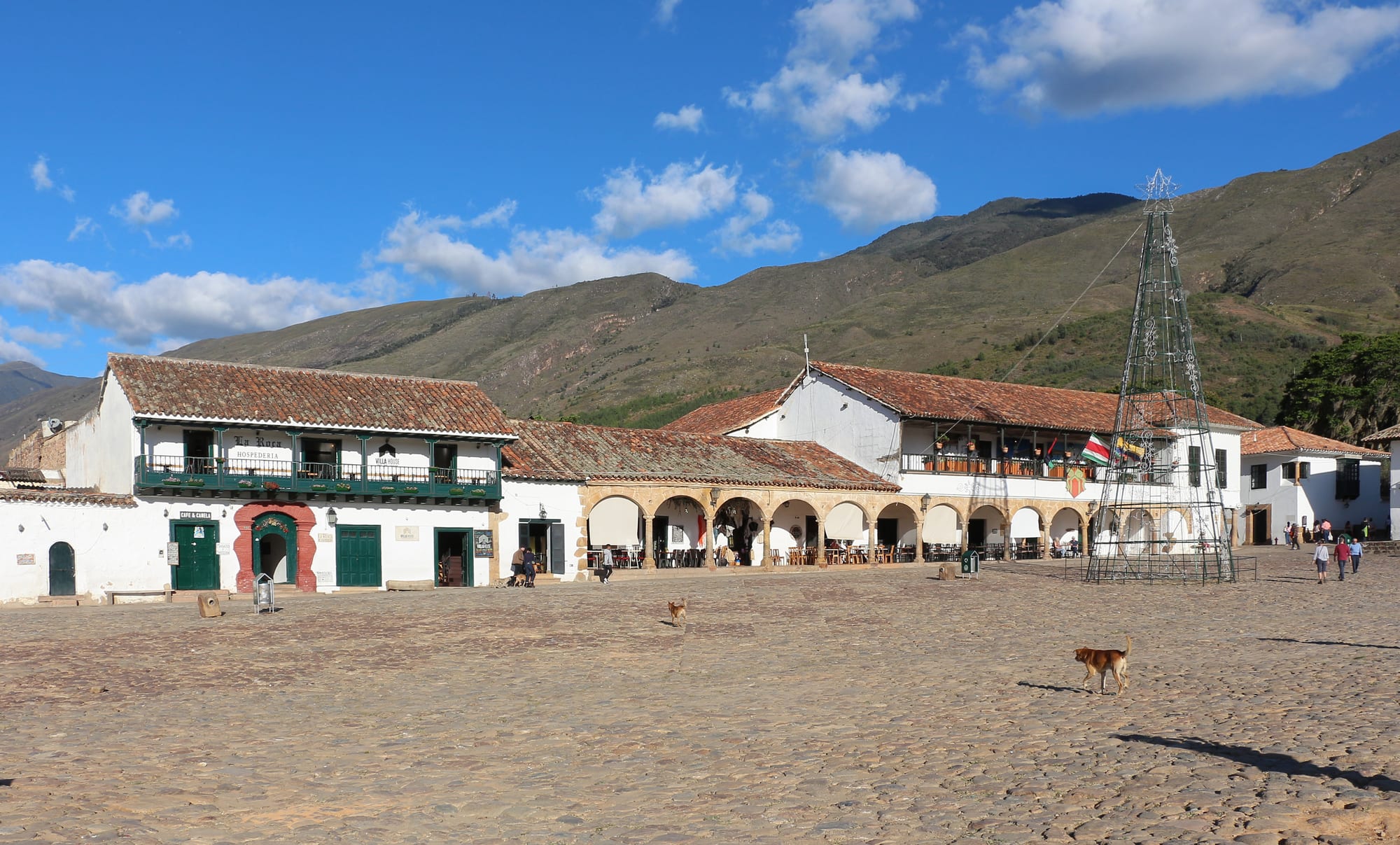
Three hours north of Bogotá, Villa de Leyva is a preserved 16th-century town — a huge cobbled central square, whitewashed adobe houses, and almost no modern building in the centre. The surrounding high desert has fossil beds (a near-complete Cretaceous marine reptile in situ at "El Fósil"), pre-Columbian astronomical stones at El Infiernito.
It is a favourite weekend escape from the capital, quietest midweek.
10. Birding, the Pacific, and the Amazon
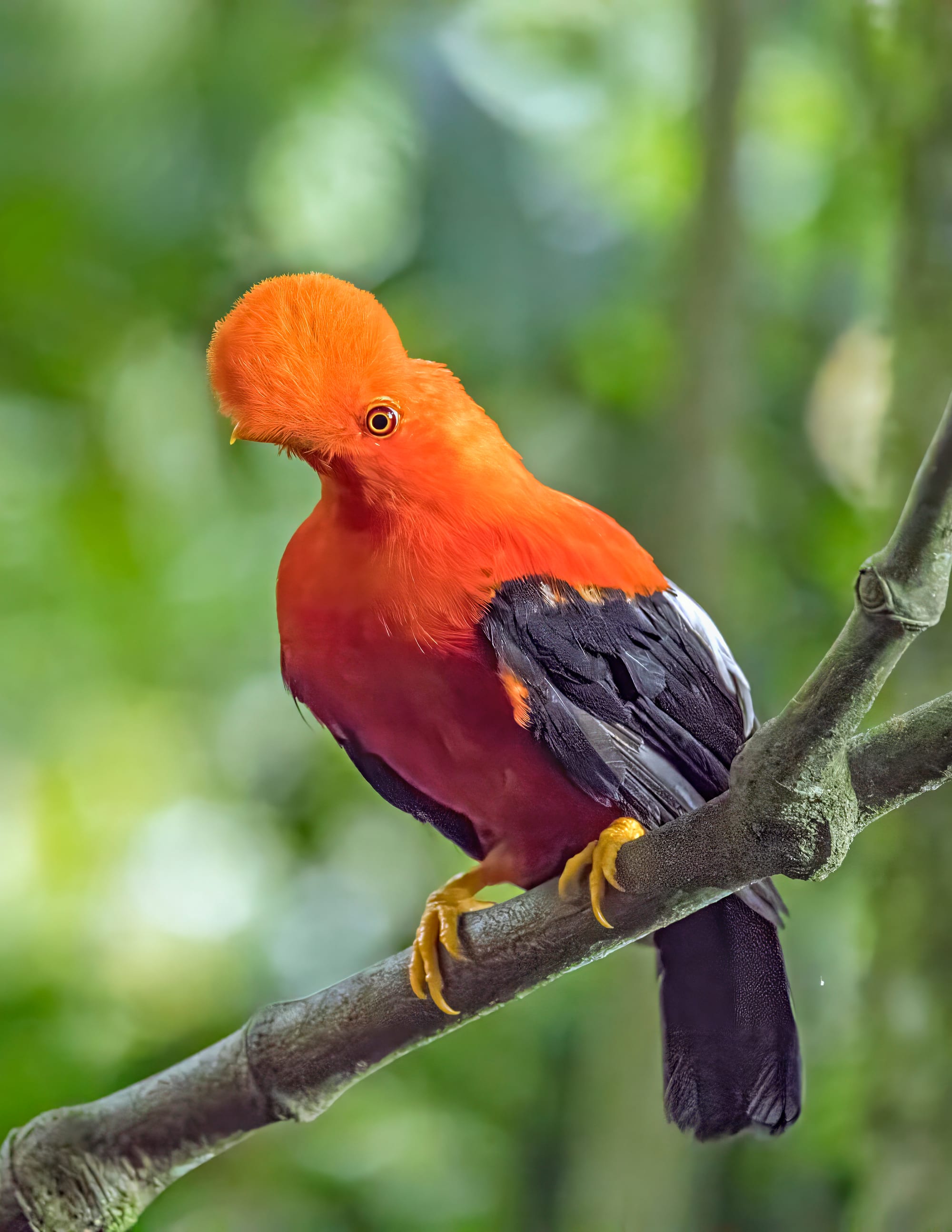
Colombia records more than 1,900 bird species, more than any other country, and birdwatching has become a major reason to visit — the Andes around Manizales, the Santa Marta mountains, and the Chocó rainforest all have dedicated lodges. On the Pacific coast, the village of Nuquí and Bahía Solano are bases for humpback whales (July–October), empty black-sand beaches, and rainforest that runs to the tideline.
In the far south, the river port of Leticia is Colombia's gateway to the Amazon, where the borders of Colombia, Peru, and Brazil meet.
Colombia divides neatly into trips: the Caribbean coast (Cartagena, Santa Marta, Tayrona, the Lost City); the coffee-and-Andes circuit (Medellín, the Eje Cafetero, Bogotá); and off-the-beaten-track add-ons like Caño Cristales or the Pacific. Two weeks covers one and a half of those comfortably.