Food · Djibouti
Djibouti: Food and the National Dish
Spiced rice with fish or meat on a Red Sea coast, camel meat and milk from a pastoralist heartland, and an afternoon ritual built around a mildly stimulating leaf
By Worldlore Editorial · 30 September 2026
A crossroads of the Horn of Africa and the Arabian coast
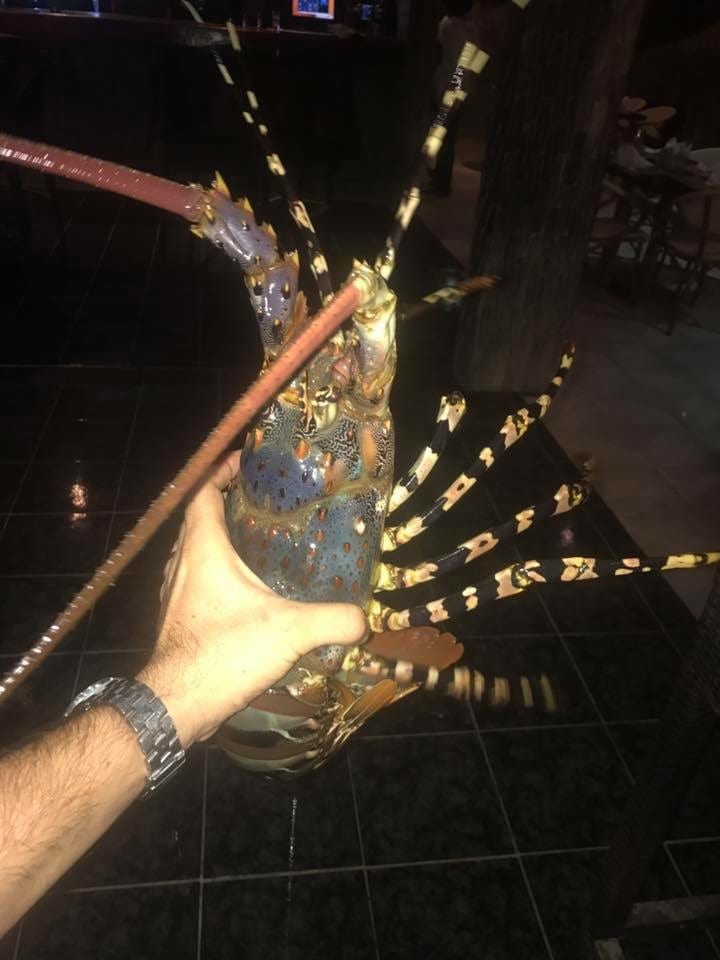
Djibouti sits at the mouth of the Red Sea, a short crossing from Yemen, and its food reflects that position: Somali and Afar pastoralist traditions, Arab and Yemeni trade influence, and a French colonial layer from its history as French Somaliland all meet in a small, dry country with a genuinely important port. Rice, fish, camel meat and milk, and flatbread carry most meals, seasoned with Middle Eastern spices ranging from saffron to cinnamon, with some Indian influence as well.
A rice-fish-and-meat table
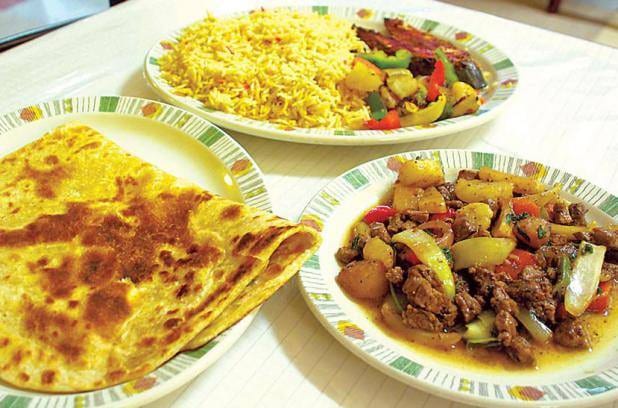
Spiced rice (bariis) served with fish or meat — in Djibouti City steak and fish are widely eaten, and grilled Yemeni-style fish is a local delicacy — is among the dishes most associated with Djiboutian cooking, served alongside sabaayad, a chewy, slightly flaky flatbread also eaten in Somalia, Kenya and Ethiopia.
Camel meat and a pastoralist inheritance
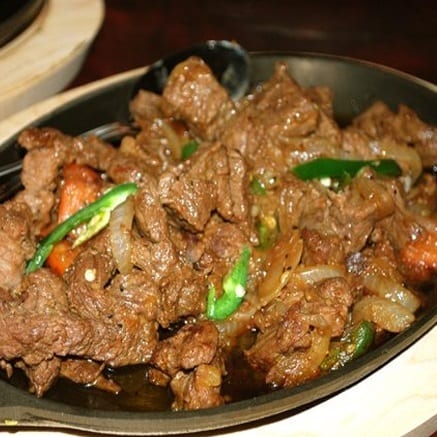
Camel meat and camel milk remain genuinely important in Djibouti, a legacy of the Somali and Afar cultures that traditionally lived as nomadic pastoralists in this arid region. Camel meat is grilled, stewed, or served as tibs — pieces sautéed with onion, pepper and spice, a style borrowed from Ethiopian cooking.
Qat and the afternoon ritual
Very sweet, spiced tea (shaah) and cardamom coffee (buna) are drunk throughout the day, and a day often starts with one or the other.
Eating as a traveller
Djibouti is a majority-Muslim country, and nearly all food is halal, with alcohol available mainly in hotels and a small number of restaurants. Vegetarians can rely on rice, vegetables and bread, though fish, meat and their stock appear in most main dishes. Tap water is not reliably safe to drink; stick to bottled water. Djibouti City's restaurant scene, serving its port city's mix of nationalities, offers a wider range of food than much of the rest of the country.
What to take from the table
Spiced rice with fresh Red Sea fish or camel meat, eaten with sabaayad, is the honest, everyday face of Djiboutian food — shaped as much by the pastoralist interior as by the busy port at its coast.