Food · Dominican Republic
Dominican Republic: Food and the National Dish
A daily plate named for the colours of the flag itself, a slow-cooked stew that can carry seven kinds of meat, and a mashed plantain breakfast eaten with three specific "hits"
By Worldlore Editorial · 30 September 2026
A Caribbean table built on rice, beans and plantain
Dominican food draws on Spanish, African, Taíno indigenous and Middle Eastern roots, and shares its basic building blocks — rice, beans, plantain, pork and tropical fruit — with much of the wider Caribbean. What sets Dominican cooking apart is less any single unusual ingredient than how consistently these staples show up, structured into named, almost ritual daily and weekly meals.
The national dish: la bandera dominicana
La bandera dominicana, "the Dominican flag", is white rice, red or pink beans and stewed meat (usually chicken or beef) served together — named because the colours of rice, beans and meat are said to echo the colours of the national flag. It is the standard lunch across the country, eaten most days rather than reserved for anything special, and often served with a side of fried plantain or salad.
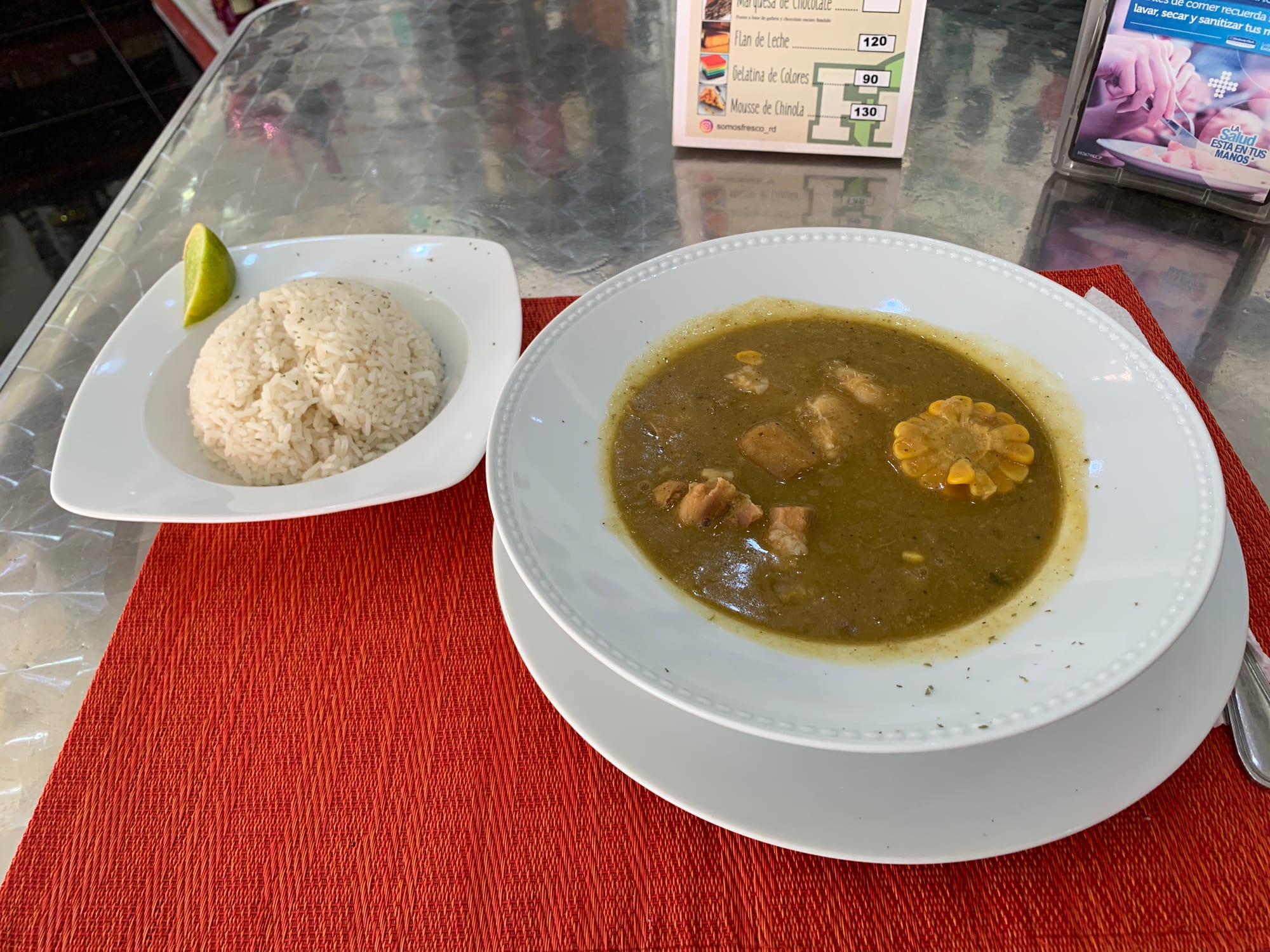
Sancocho, a much richer stew that can include up to seven different kinds of meat along with root vegetables, plays the opposite role: it is weekend and celebration food, cooked slowly in large batches for family gatherings, and sancocho de siete carnes (seven-meat sancocho) is often called the country's national soup.
Mangú and the "tres golpes" breakfast
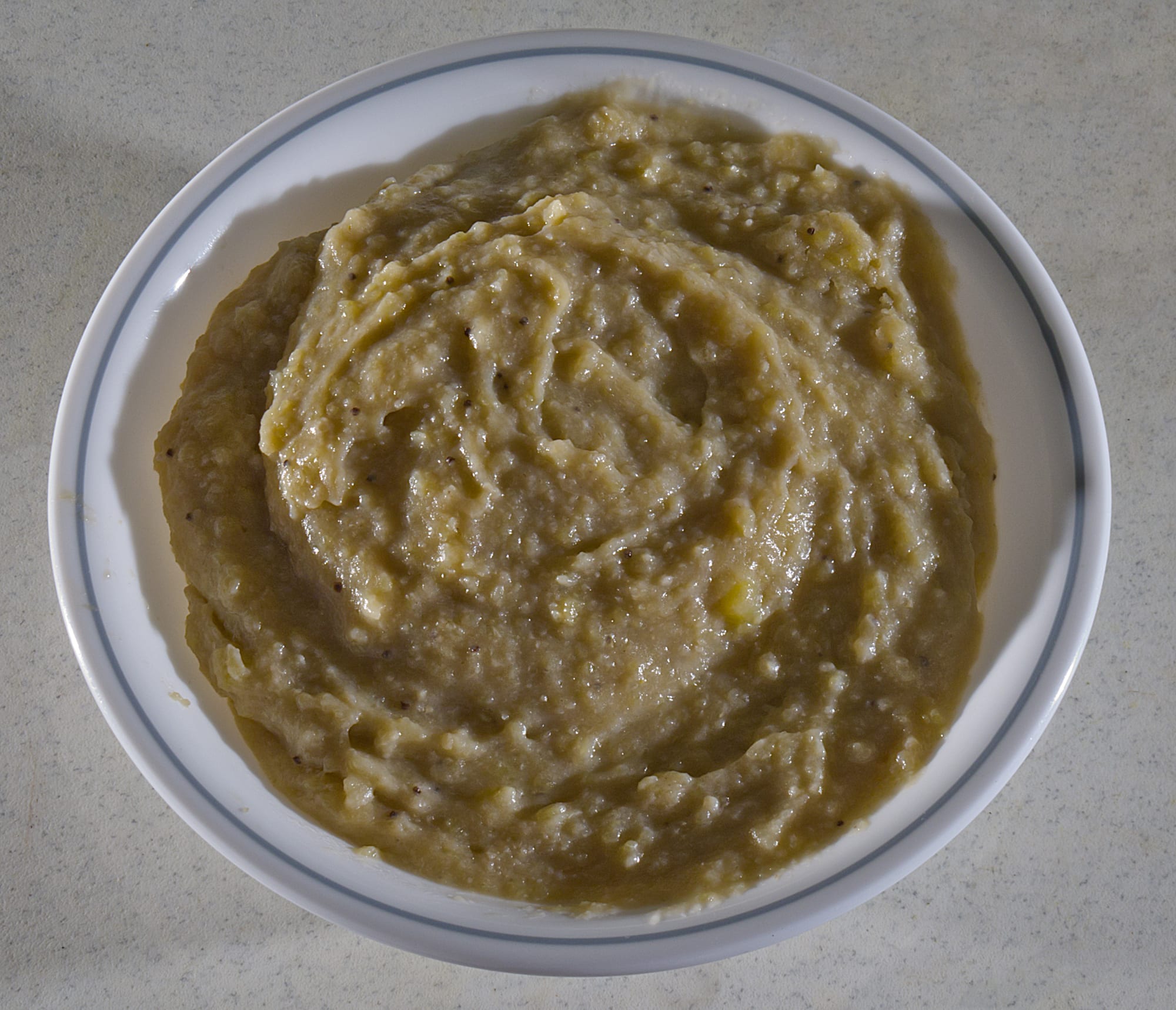
Mangú, boiled green plantain mashed with a little of its cooking water until smooth, is Dominican breakfast at its most iconic — especially as part of "los tres golpes" ("the three hits"), where mangú is served alongside fried salami, fried cheese and fried eggs.
Dishes to know
Five more to recognise across the Dominican Republic:
- Sancocho — a rich, slow-cooked multi-meat stew with root vegetables, for
weekends and celebrations.
- Mangú with los tres golpes — mashed plantain served with fried salami,
cheese and eggs for breakfast.
- Tostones — twice-fried green plantain, a standard side dish.
- Moro de guandules — rice and pigeon peas cooked together, especially at
Christmas.
- Chimi (chimichurri) — a Dominican street-food burger of seasoned meat
topped with slaw in a bun, said to have been started by Argentine street vendors in Santo Domingo.
Rum, Mama Juana and drinks
Dominican rum is dominated by Brugal, Barceló and Bermúdez, known together as the "three Bs". Mama Juana, a distinctive local drink made by soaking rum, red wine and honey with tree bark and herbs, is treated as both a folk remedy and a genuine local specialty. Presidente is the most popular beer.
Eating as a traveller
Vegetarians can rely on rice, beans, plantain and mangú, though la bandera, sancocho and most everyday dishes are built around meat. Tap water is not generally safe to drink; stick to bottled water. Street food like chimi and fried snacks are cheap, widely available and a genuine part of everyday Dominican eating rather than only a tourist novelty.
What to take from the table
La bandera dominicana is the plate to eat as the Dominican Republic eats it — daily, without ceremony — while a proper sancocho, shared at a family gathering, shows the same cuisine at its most generous.