Food · Eritrea
Eritrea: Food and the National Dish
A spongy fermented flatbread shared closely with Ethiopia, and an Italian colonial layer that shows up as pasta on the same table
By Globeway Editorial · 30 September 2026
A Horn of Africa cuisine with an Italian layer
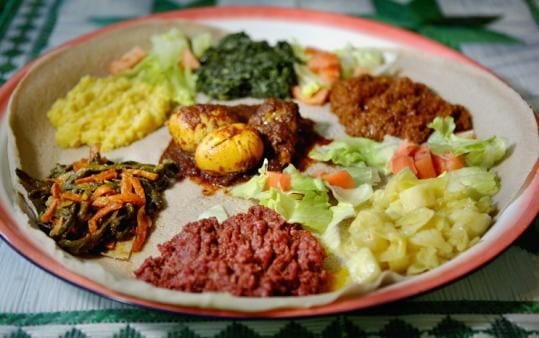
Eritrean food shares its foundation closely with Ethiopia's, a legacy of a shared history before Eritrea's 1993 independence: injera, a large, spongy, slightly sour fermented flatbread made from teff, wheat or sorghum, serves as both plate and utensil, topped with an array of spiced stews. What sets Eritrea apart is a genuine Italian colonial layer — Eritrea was an Italian colony from 1890 until the Second World War, and Asmara, the capital, once nicknamed "Piccola Roma", is a UNESCO World Heritage Site for its Italian colonial modernist architecture, with a café culture that would feel at home in Rome.
Injera and tsebhi
Tsebhi (also spelled zigni), a rich, spicy stew usually built on beef or lamb, tomato, red onion and the berbere spice blend, is the classic topping for injera and is considered Eritrea's national dish; the same stew is eaten in Ethiopia under the Amharic name kai wat. Shiro, a stew made from ground chickpea or broad bean flour, is the common vegetarian and fasting-season alternative, served the same way.
Where Italy meets the Horn of Africa
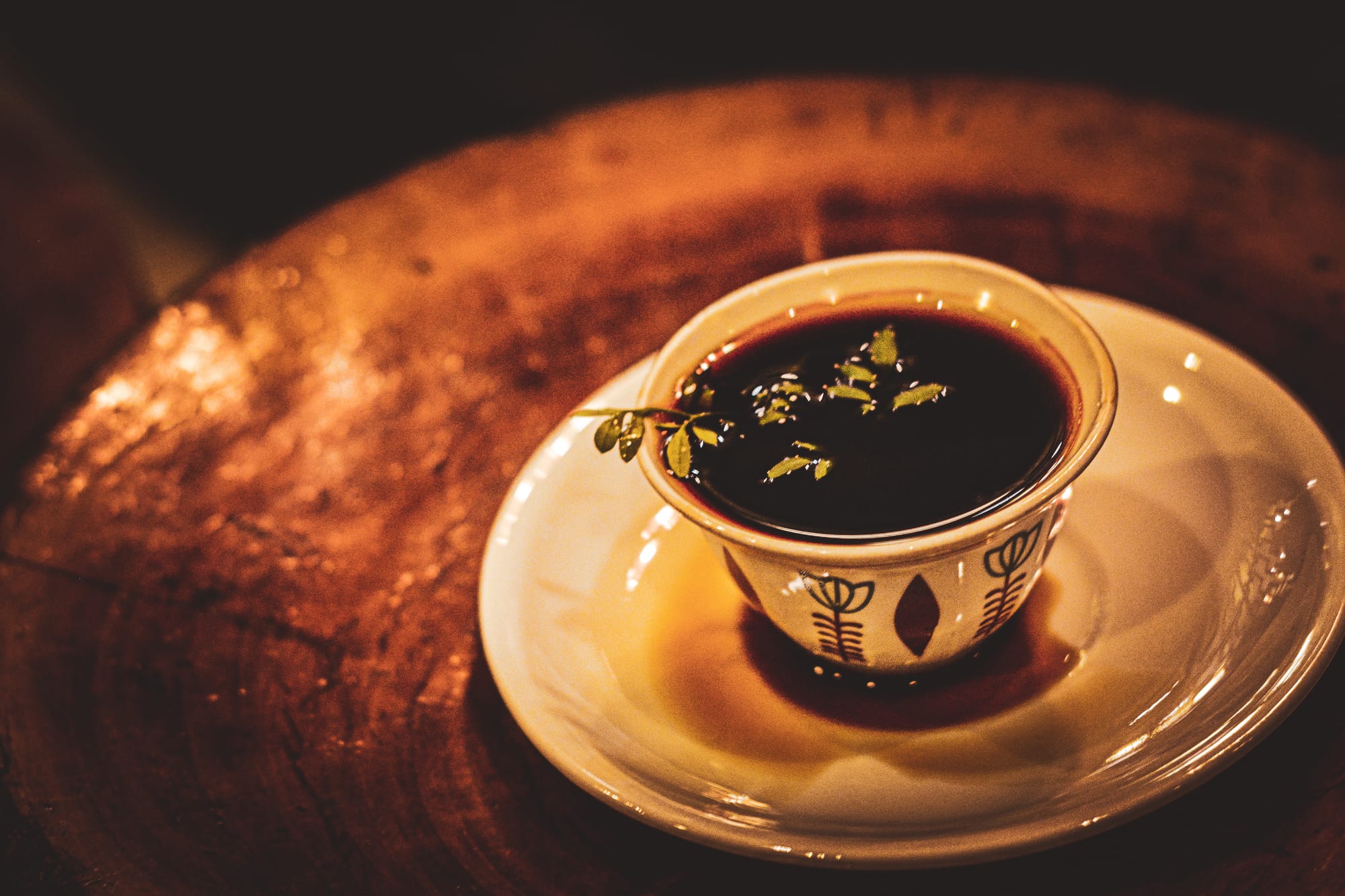
Pasta features more on the Eritrean table than in neighbouring Ethiopia — often with sauces spiced with berbere, and sitting alongside injera rather than replacing it, a direct legacy of Italian colonial rule; panettone is even served with tea or at the coffee ceremony. Coffee culture reflects the same mix: the elaborate coffee ceremony, shared with Ethiopia and involving roasting green beans over an open flame in front of guests, coexists with an Italian-style espresso and cappuccino scene in Asmara's cafés.
Eating as a traveller
Vegetarians and fasting-day eaters are well served, since shiro and a range of vegetable stews are standard and widely available, reflecting the fasting seasons, such as Orthodox Lent and Ramadan, when shiro is a favourite. Bottled or boiled water is the safer choice for visitors. Asmara's café scene, a genuine echo of its Italian colonial past, is worth building time into a visit around.
What to take from the table
A plate of injera with tsebhi is the dish that connects Eritrea to its Horn of Africa neighbours, and a plate of pasta afterward, or an espresso in an Asmara café, is what makes Eritrean food unmistakably its own.