Attractions & Natural Wonders · Estonia
Estonia: Ten Attractions and Natural Wonders
A Hanseatic old town of red spires and stone walls, raised bogs you cross on plank paths, a meteorite crater turned to a pond, and islands where windmills still turn
By Globeway Editorial · 30 September 2026
Small, forested, and digital
Estonia is the northernmost of the three Baltic states — flat, half-covered in forest and bog, dotted with lakes and more than 2,000 islands, and with a long Baltic coastline. Culturally it looks north to Finland (the languages are related) rather than to its Baltic neighbours, and since regaining independence in 1991 it has become one of the most digitally advanced societies in the world. It is compact and easy to travel.
The ten below run from Tallinn along the north coast and out to the western islands, with Tartu inland. Summer (June–August), with its very long days, is the season; the old town is atmospheric under snow, and Tallinn is a big Christmas- market destination.
1. Tallinn Old Town
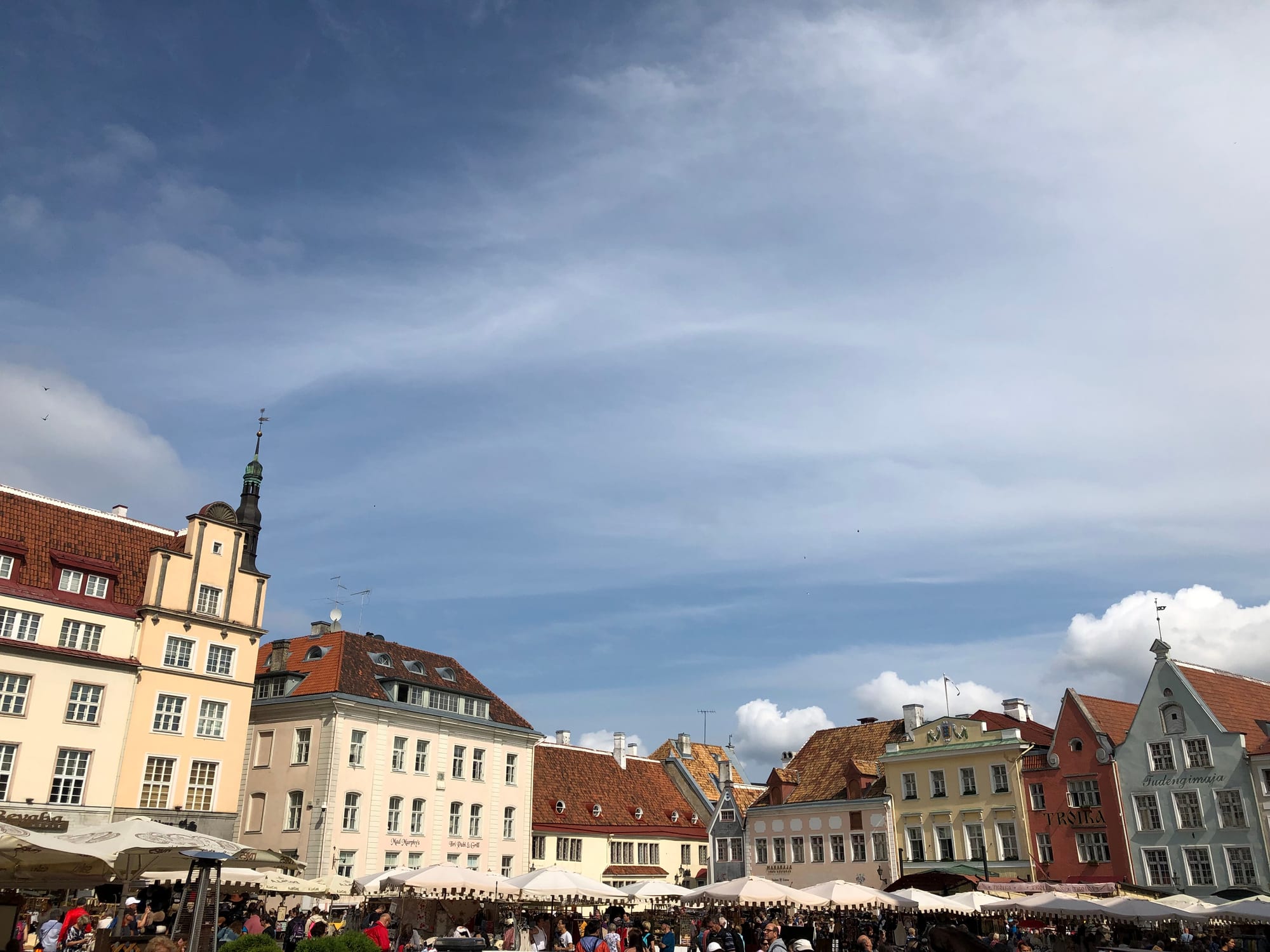
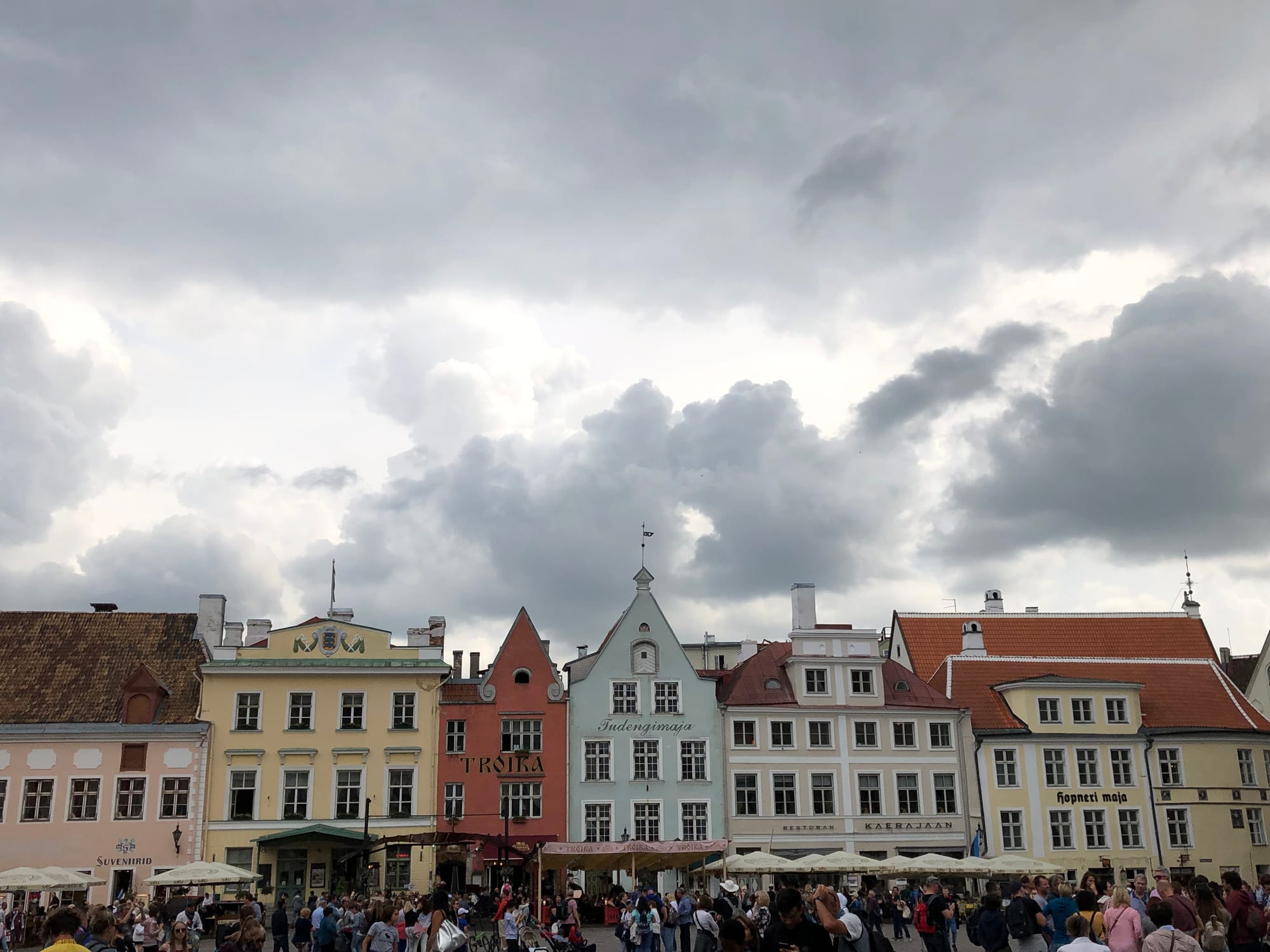
Tallinn's old town — a UNESCO World Heritage Site — was a prosperous Hanseatic port, and it kept its shape: a lower town of merchants' houses, guild halls, and churches around Town Hall Square, and an upper town, Toompea, on the hill of the nobles and the bishop. Between them wind cobbled lanes, medieval passages (Katariina käik), and the towered walls. St Olaf's church, 124 metres tall, is the tallest church in Estonia; its spire was once higher still, and by some estimates made it the tallest building in the world.
It is small enough to walk in a day, and busy with cruise passengers in summer.
2. The town walls and towers
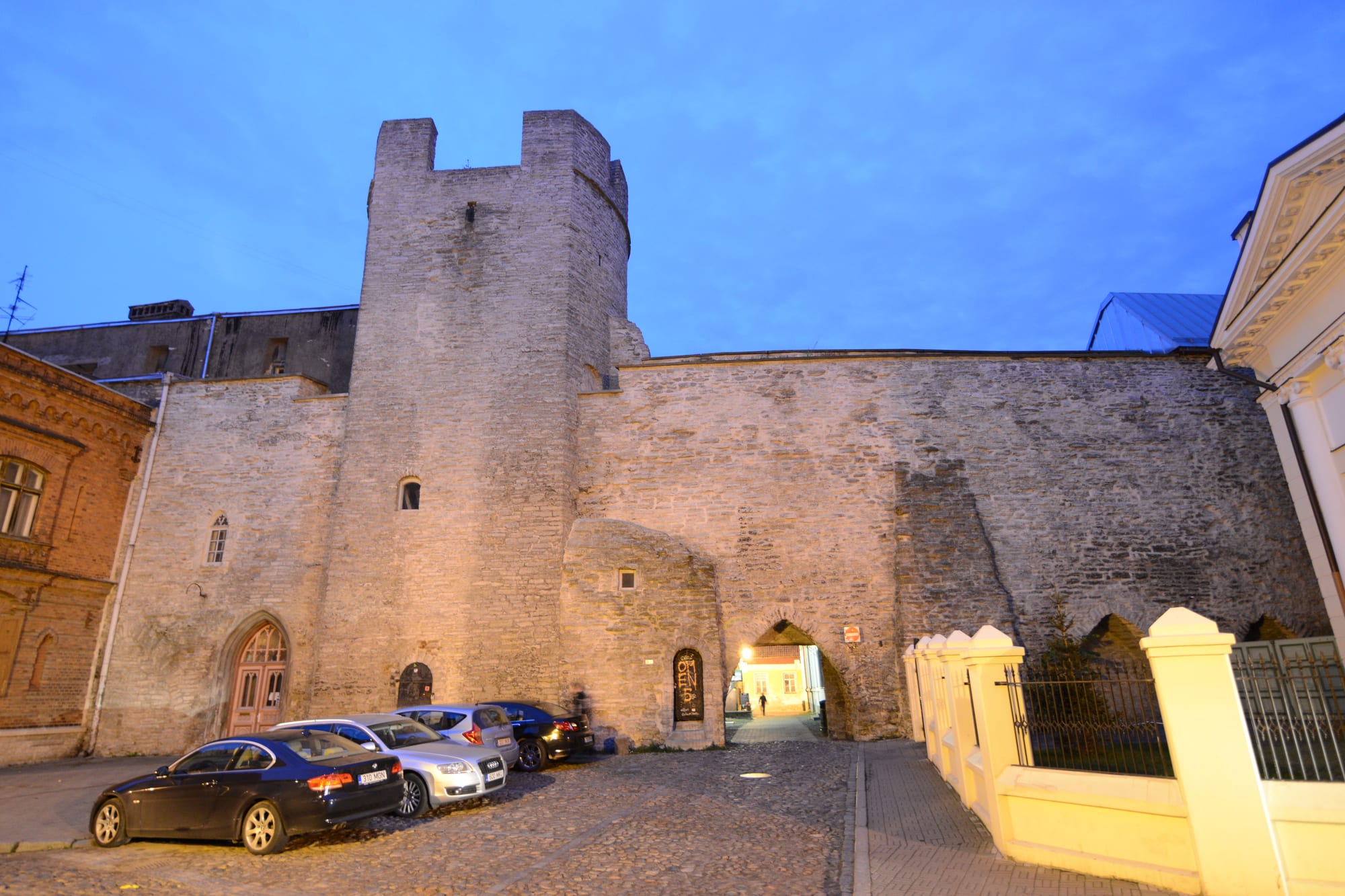
Tallinn has one of the most complete sets of medieval fortifications in Europe — about 1.85 kilometres of wall and 26 of its towers still standing, with the round "Fat Margaret" and the tall "Kiek in de Kök" ("peep into the kitchen", for the view it gave over townsfolk's homes) now museums. You can walk sections of the wall walkway and climb several towers.
The bastion tunnels dug beneath the ramparts by later powers are open on guided tours.
3. Toompea
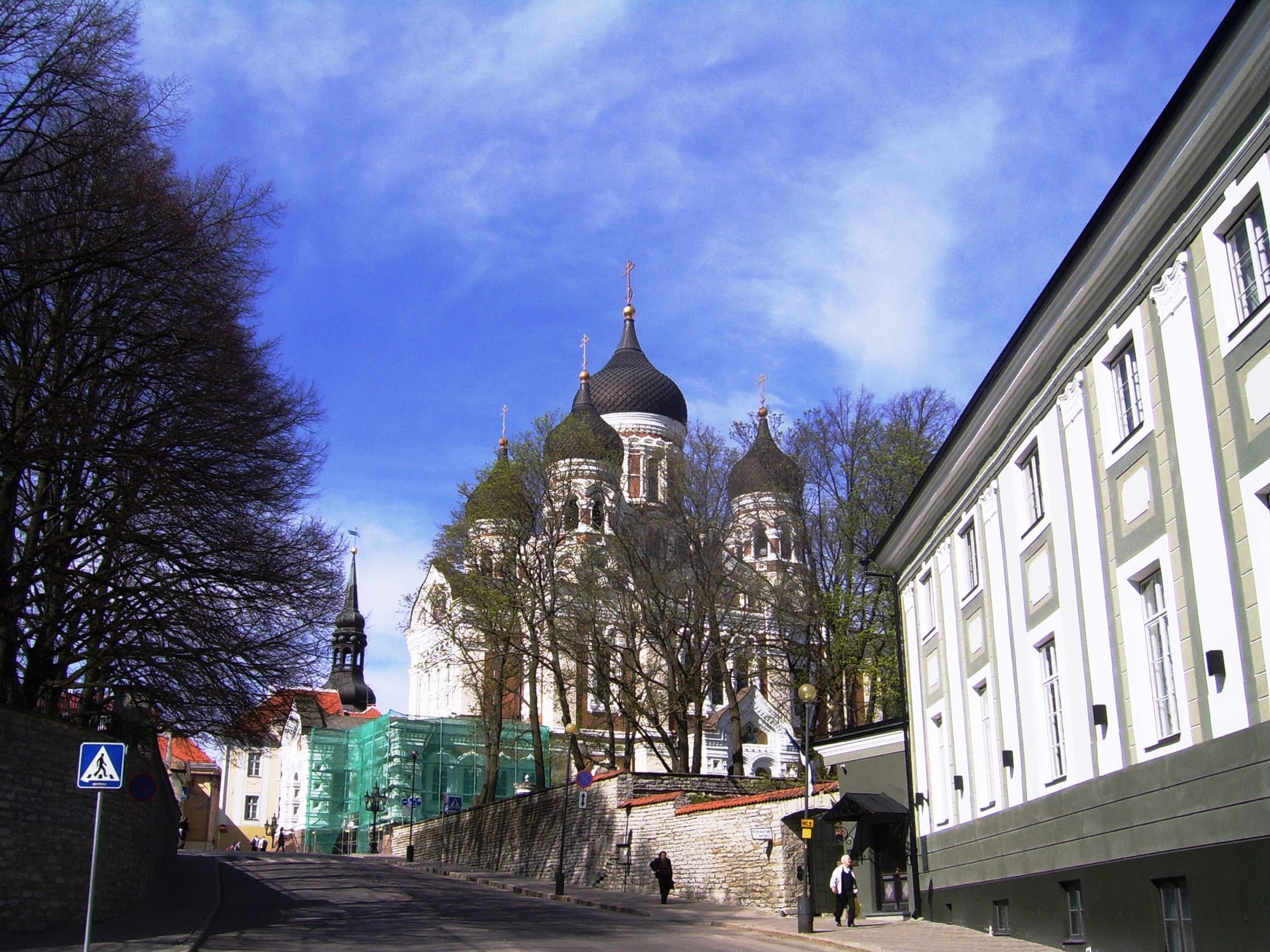
The upper town, Toompea, is the seat of power: the pink Toompea Castle, now the parliament (Riigikogu); the Lutheran Dome Church (Toomkirik), full of noble tombs and hatchments; and, facing them across the square, the Russian-built Alexander Nevsky Cathedral of 1894–1900, built during a period of Russification and long disliked by many Estonians; its demolition was debated in the 1920s and 1930s. Two viewing terraces on the hill's edge give the classic postcard views over the lower town's spires to the sea.
4. Kadriorg and the museums
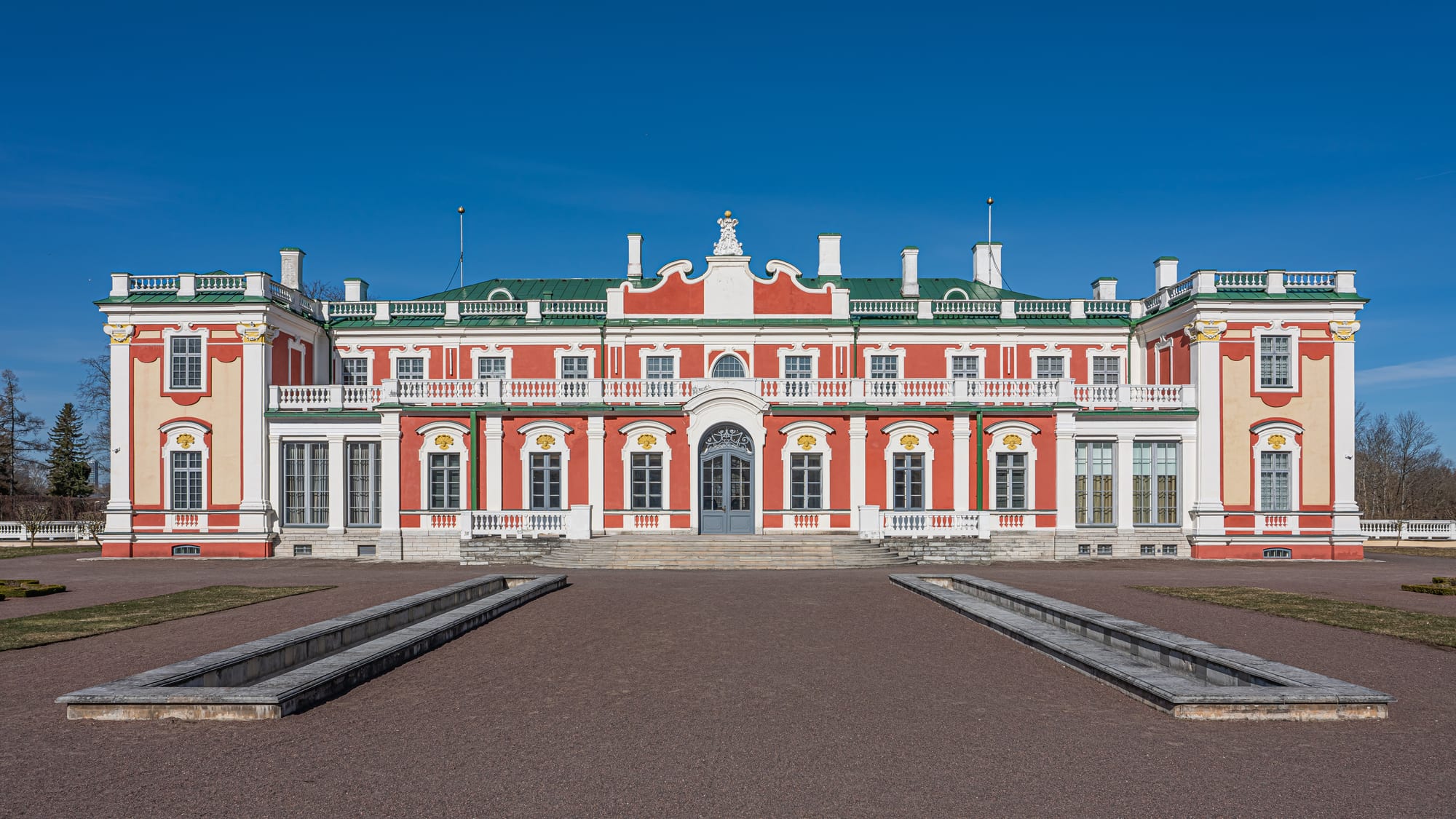
East of the centre, Kadriorg is a wooded park laid out around a Baroque palace that Peter the Great built for his wife Catherine after Russia took Tallinn in 1710. The palace holds an art museum; nearby are the strikingly modern KUMU, the national art museum, and the presidential palace. The park runs down to the seafront and the Russalka memorial.
Also worth the trip: the Estonian Open Air Museum, a reconstructed village of farmyards, mills and a church, and the Seaplane Harbour maritime museum in a First World War seaplane hangar.
5. Lahemaa National Park
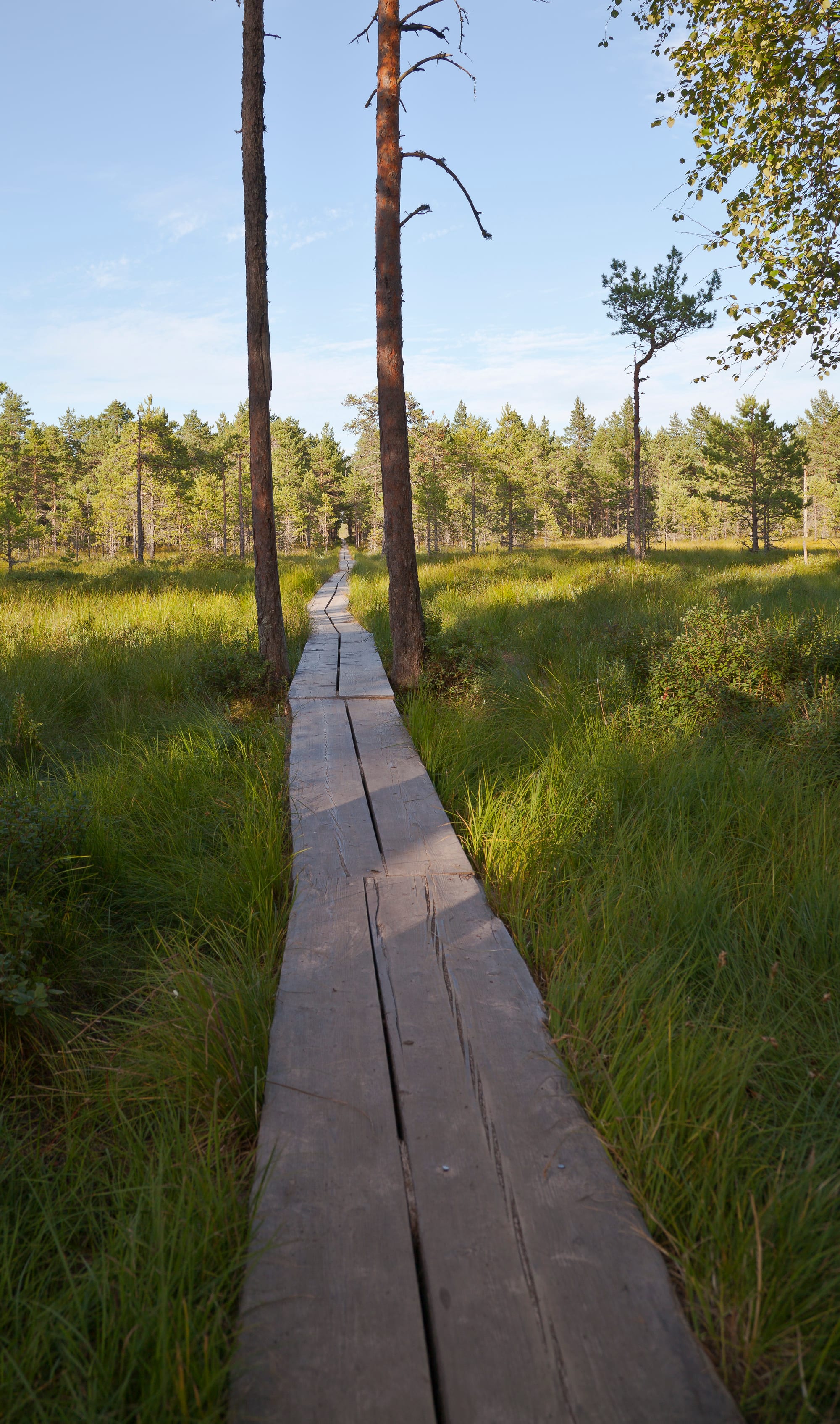
An hour east of Tallinn, Lahemaa was the Soviet Union's first national park, and it packs a lot of Estonia into one area: pine and spruce forest, glacial boulder fields, a crinkled coast of peninsulas and bays, restored manor houses (Palmse, Sagadi), fishing villages, and — the highlight for many — the Viru raised bog, an open expanse of heather, pools, and stunted pines crossed on a boardwalk loop.
Bogs are a national obsession here; guided "bog shoe" walks off the boardwalks are popular.
6. Soomaa National Park
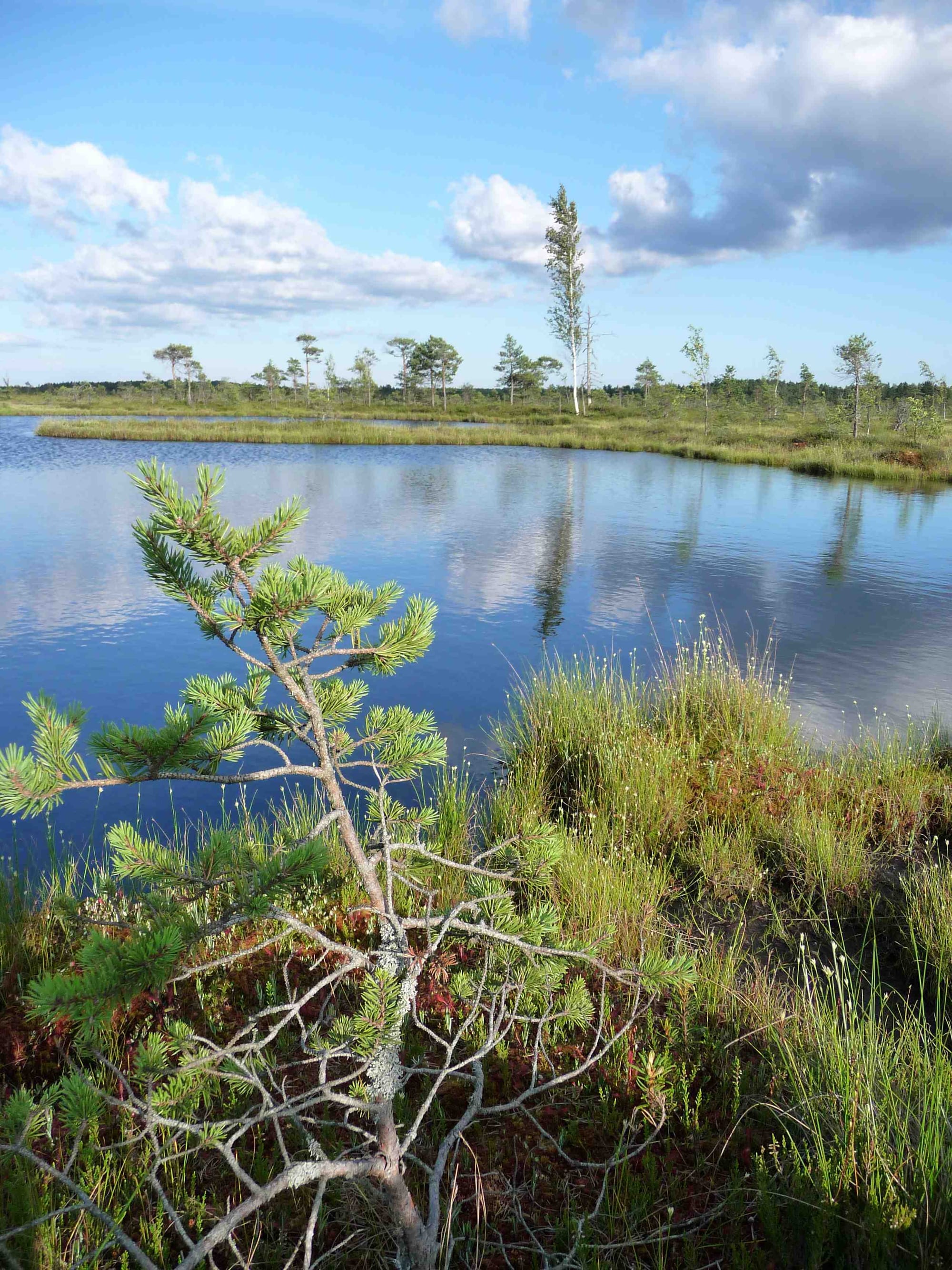
Soomaa, "the land of bogs", in the southwest, is a wilderness of raised bogs, flood-meadows, and slow rivers. Its speciality is the "fifth season": every spring the rivers burst their banks and flood the forest and roads for weeks, and locals get about by dugout canoe — a tradition kept alive with guided canoe trips. Year-round there are bog boardwalks, beaver-watching, and canoeing through half-drowned forest.
It is one of the quietest and wildest corners of the country.
7. Pärnu
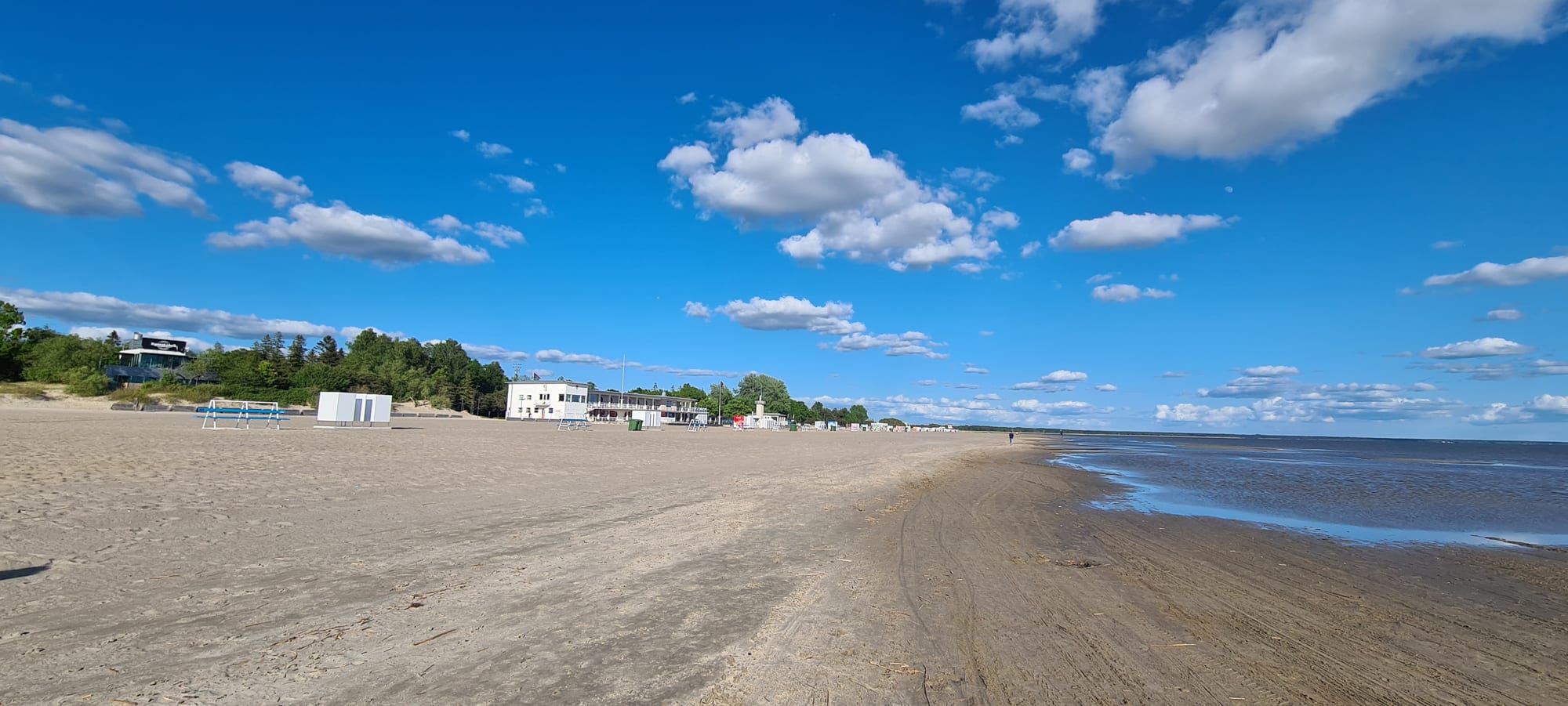
Pärnu, on a shallow bay in the southwest, has been Estonia's seaside resort since the 19th century — a long, gently shelving sand beach backed by a leafy park, a row of spa hotels and sanatoria, and a small old town. In July it fills up; the rest of the year it is sleepy.
The town also has a strong festival calendar and is a stop on the way to Latvia and Riga.
8. Saaremaa and Kuressaare Castle
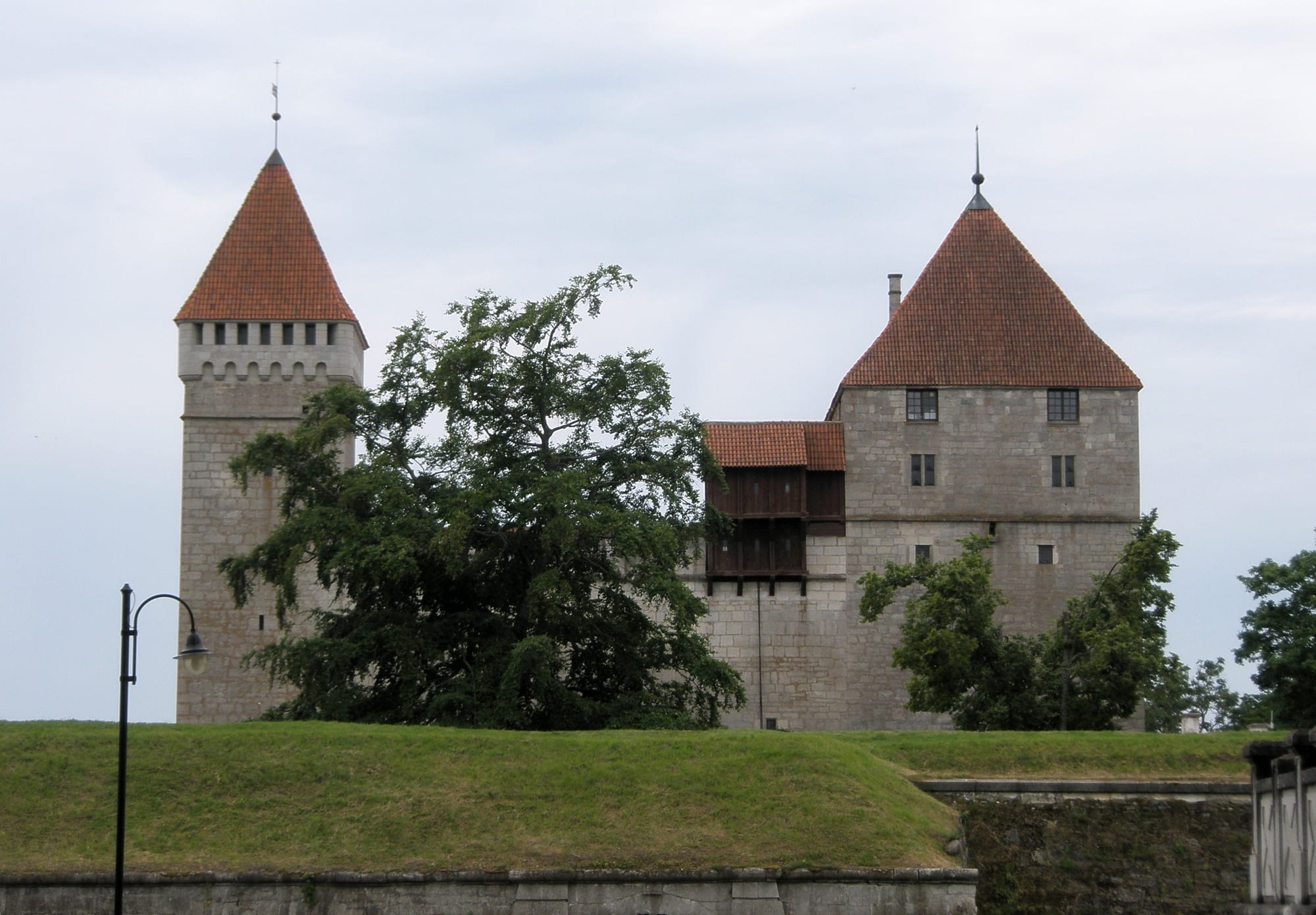
Saaremaa, Estonia's largest island, is reached by car ferry to Muhu island, which is joined to it by a causeway, and feels a step back in time — juniper heath, thatched farms, the preserved windmill hill at Angla, coastal cliffs at Panga, and a slower pace. Its capital, Kuressaare, is built around the moated Bishop's Castle, a squat 14th- century stronghold that is one of the best-preserved medieval fortifications in Estonia, now home to the Saaremaa Museum.
The island has a spa-resort tradition and good local food (beer, bread, smoked fish).
9. The Kaali crater
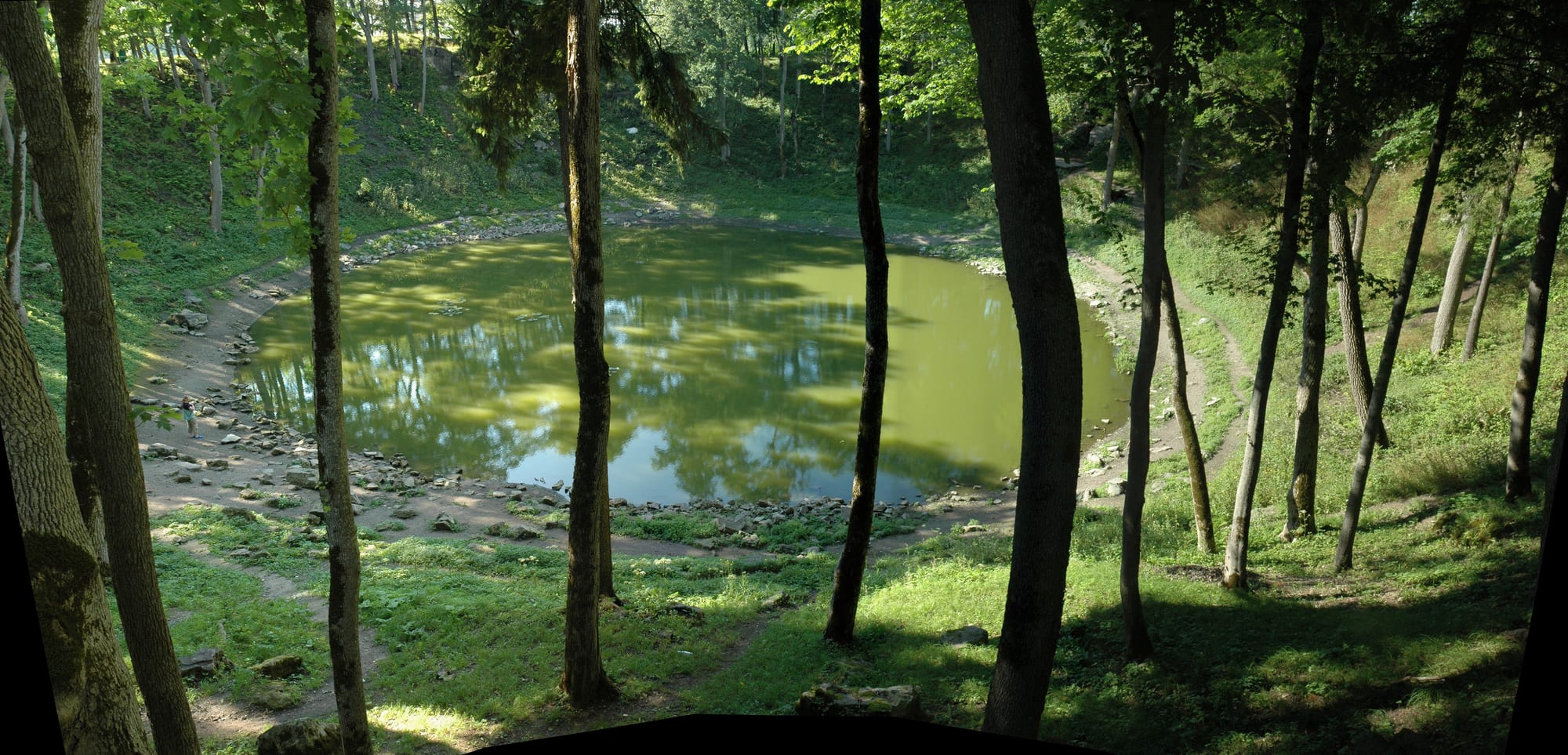
Also on Saaremaa, the Kaali crater field was made by a meteorite that broke up in the atmosphere and struck around 3,500 years ago — one of the few impact events known to have happened in a populated area. The main crater, 110 metres across, now holds a small green lake ringed by a raised rim, with eight smaller craters nearby.
Survivors may have seen the event as the death of the sun, and the lake later became a cult site.
10. Tartu
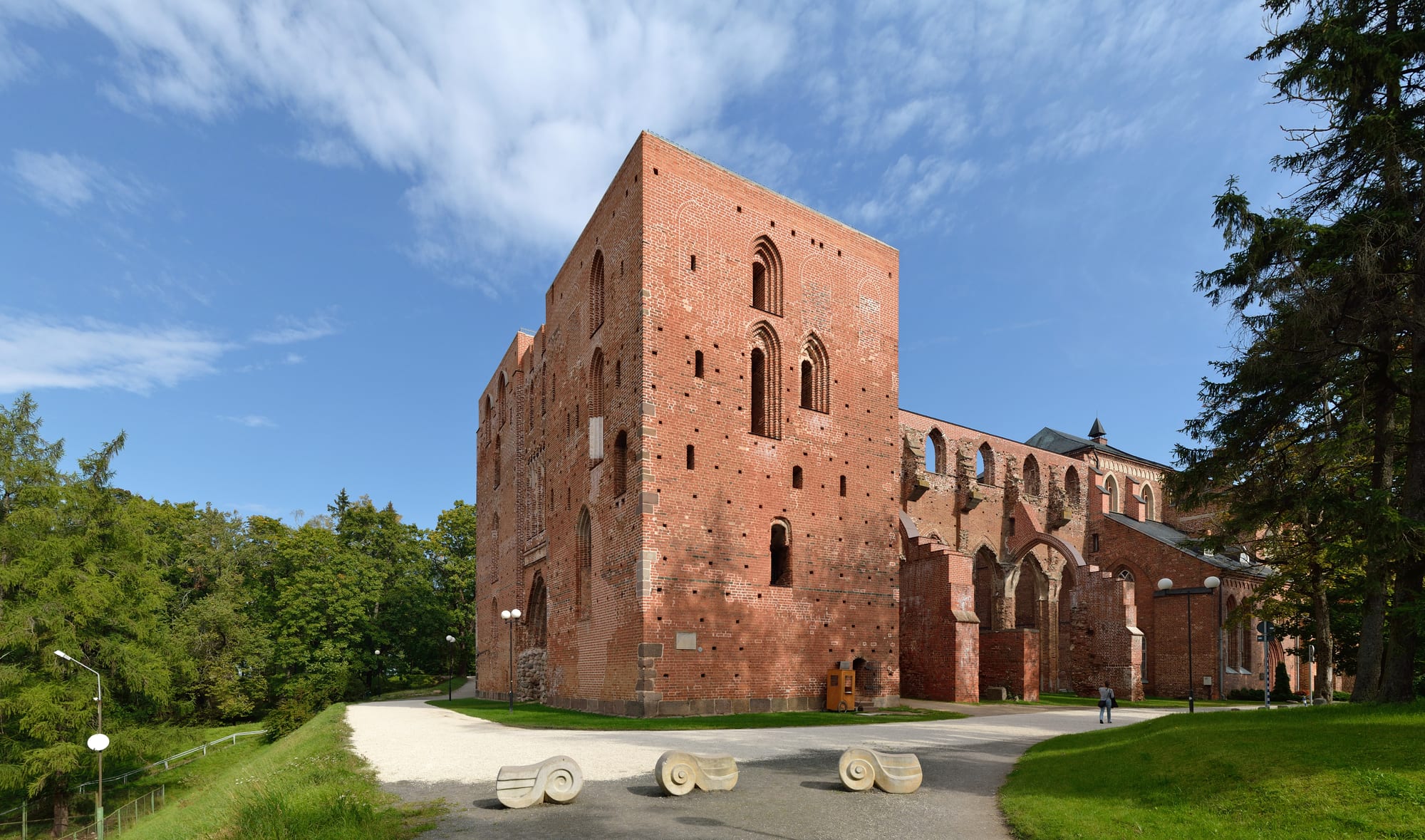
Tartu, in the southeast, is Estonia's second city and its intellectual heart, built around a university founded in 1632. The centre has a neoclassical town hall, a leaning house on the main square, the tree-covered Toome Hill with its cathedral ruins and old anatomy theatre, and a lively student café and bar scene. It was a European Capital of Culture in 2024.
Around Tartu: the Estonian National Museum in a bold modern building, the Setomaa region of the Orthodox Seto people on the Russian border, and the Old Believer villages along the shore of Lake Peipus.
Estonia is small and easy: Tallinn deserves two or three days, and a hire car adds Lahemaa, Saaremaa, Pärnu, and Tartu over a comfortable week to ten days.