Food · Ethiopia
Ethiopia: Food and the National Dish
A spiced chicken stew eaten from a shared plate of fermented flatbread, a raw beef delicacy for the adventurous, and the highlands where the coffee plant first grew wild
By Worldlore Editorial · 30 September 2026
A cuisine built around one remarkable flatbread
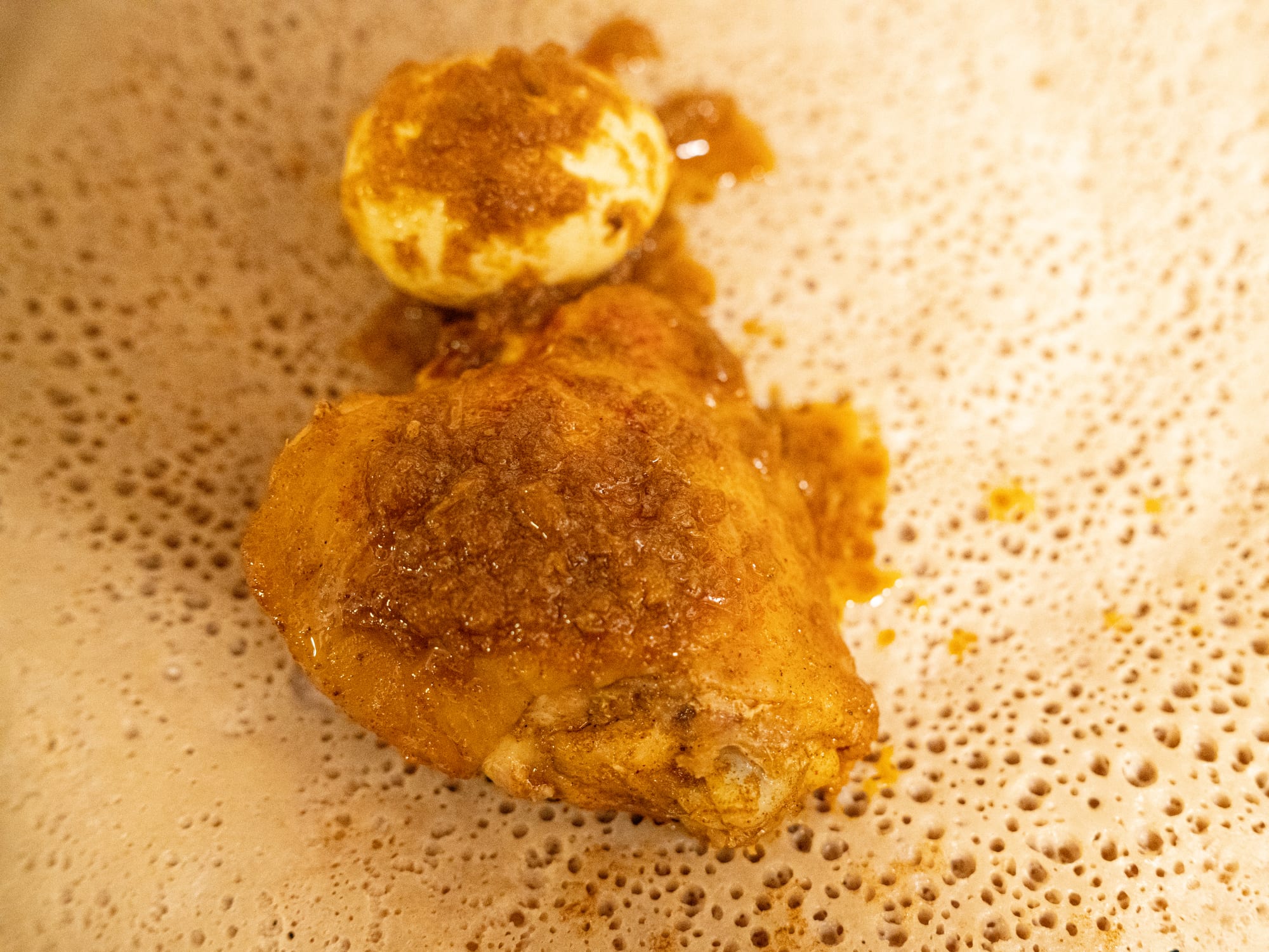
Ethiopian food centres on injera, a large, spongy, slightly sour flatbread fermented from teff — a tiny grain native to Ethiopia, where it has been cultivated for thousands of years. Injera serves as plate, utensil and starch all at once: stews are ladled directly onto it, and pieces are torn off by hand to scoop everything up. Around that foundation sits berbere, a complex chilli-and-spice blend that gives most Ethiopian stews, or wats, their depth and heat.
The national dish: doro wat
Doro wat, chicken simmered for hours in a thick, deeply spiced berbere-and-onion sauce and often finished with hard-boiled eggs, is considered Ethiopia's national dish and its most celebrated. It takes real time to make properly — the onions alone are cooked down slowly before anything else goes in — and is treated as the dish to serve when a meal really matters, at special occasions and holidays, shared from a communal bowl.
Kitfo and the raw-meat tradition
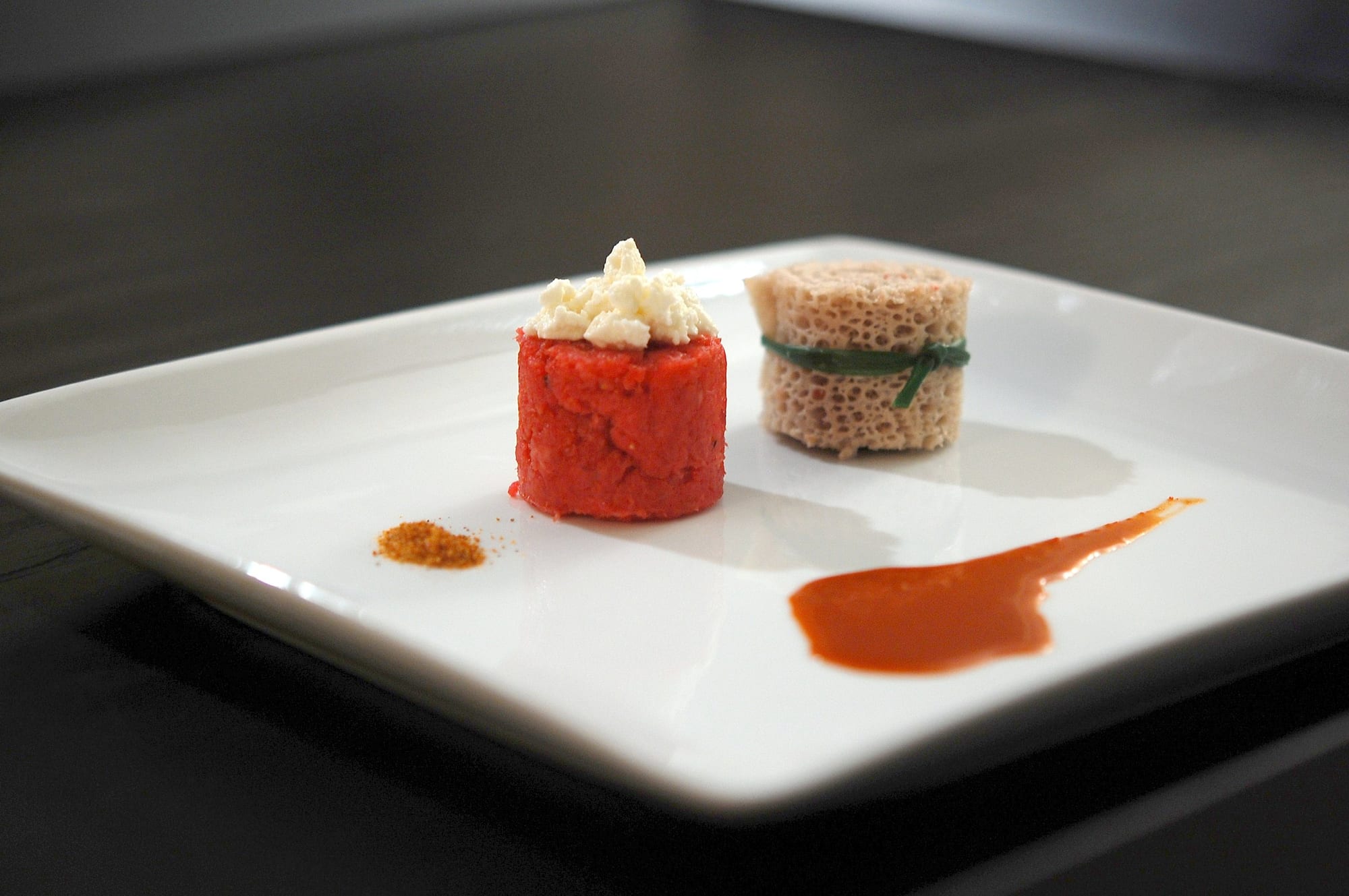
Kitfo, minced raw or lightly warmed beef seasoned with mitmita (a chilli spice powder) and niter kibbeh (spiced clarified butter), originated among the Gurage people and is held in high regard in Ethiopia, while being an adventurous order for first-time visitors, similar in spirit to steak tartare. It is often served with ayibe, a mild crumbly cheese, or cooked greens, and in many parts of the country with injera.
Fasting food and a genuinely large vegetarian tradition
The Ethiopian Orthodox Church observes fasting periods that add up to roughly half the calendar year, during which meat, dairy and eggs are set aside — a tradition that has produced a deep, well-developed vegetarian cooking style rather than a compromise. Misir wat, a spiced red lentil stew, and shiro, made from ground chickpea or broad bean flour, are two of the most common fasting dishes, and yetsom beyaynetu — a platter combining several small vegetable and legume dishes on one round of injera — is a genuine showcase of that tradition.
Dishes to know
Five to recognise across Ethiopia:
- Kitfo — minced raw or lightly warmed beef with mitmita spice and
spiced butter.
- Tibs — sautéed meat, usually beef, mutton or goat, cooked with onion,
tomato and spices.
- Misir wat — a spiced red lentil stew, the classic fasting-day dish.
- Shiro — a stew made from ground chickpea or broad bean flour.
- Yetsom beyaynetu — a mixed platter of several vegetable and legume
dishes served together on injera.
Coffee, and the country that gave it to the world
Tej, a traditional honey wine drunk at dedicated tej bets (honey wine houses), and tella, a home-brewed beer, are the traditional alcoholic options.
Eating as a traveller
Vegetarians and vegans eat extremely well in Ethiopia, thanks directly to the fasting-food tradition — yetsom beyaynetu alone can cover an entire meal without meat or dairy. Bottled or boiled water is the safer choice for visitors. Eating with the right hand, tearing injera to scoop up food, is the norm, and feeding another person directly by hand, a practice called gursha, is a gesture of respect and affection.
What to take from the table
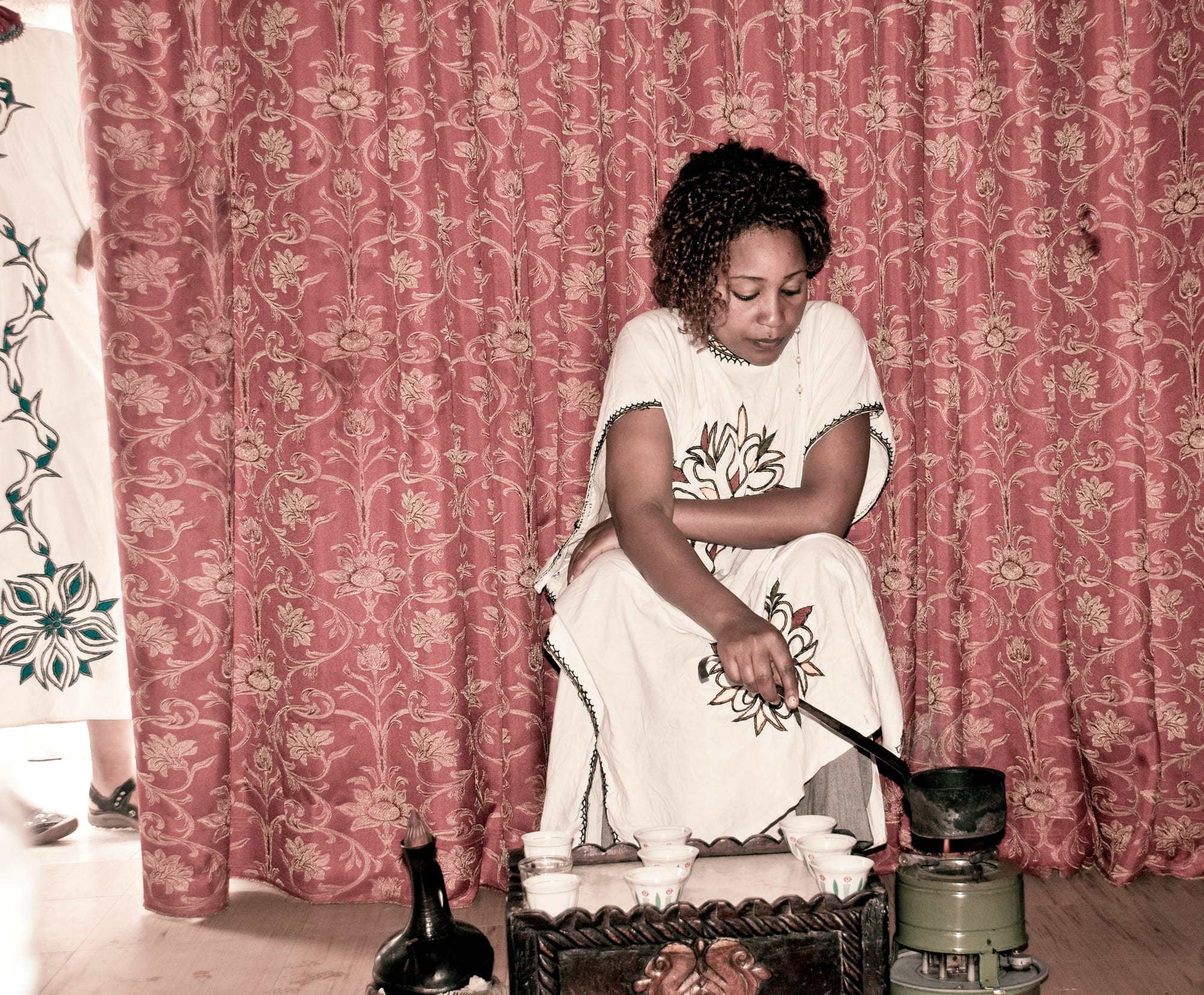
Doro wat on injera is the dish to try first, but a proper Ethiopian coffee ceremony, unhurried and genuinely ritualistic, may be the single best way to understand how central hospitality is to the country's food culture.