Attractions & Natural Wonders · French Guiana
French Guiana: Eight Attractions and Natural Wonders
A rocket launch site cut into the rainforest, the prison islands that held Dreyfus and Papillon, and a wall of Amazon forest running to the Brazilian border
By Globeway Editorial · 30 September 2026
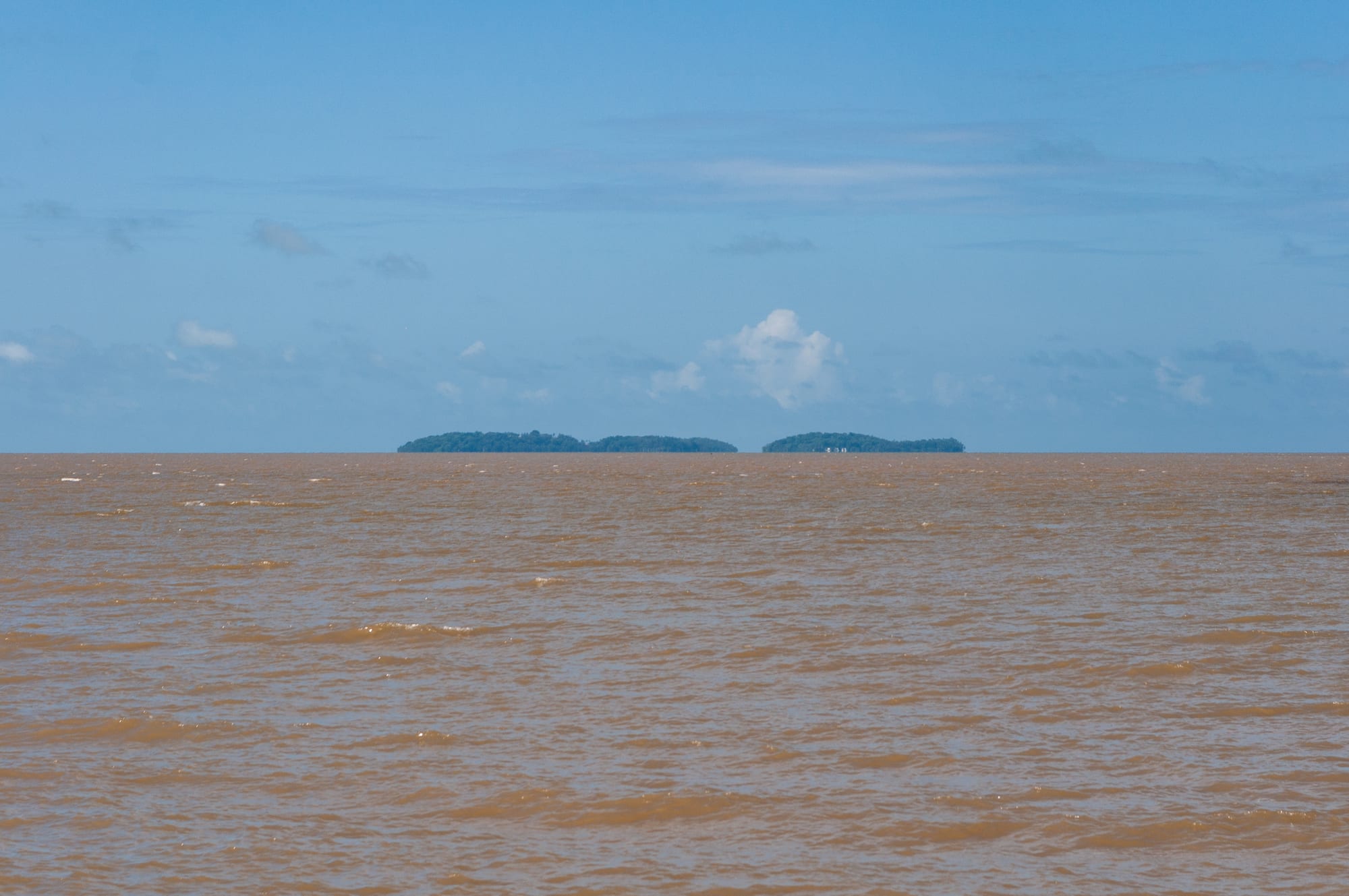
A piece of France on the shoulder of South America
French Guiana is not a country but an overseas region of France — and therefore of the European Union — on the northeast coast of South America, between Brazil and Suriname. It is about the size of Portugal but home to only around 300,000 people, almost all of them along the coast; nearly all of the land is Amazon rainforest, much of it in one of the largest national parks on earth. The population is a mix of Creole, Maroon, Hmong, Brazilian, Haitian, Amerindian, and metropolitan French, and the euro is the currency.
The eight below run along the narrow inhabited coast and up the rivers into the forest. It is hot and humid year-round; the drier months, roughly July to November, are the easiest for travel, and rocket launches can be watched at any time of year.
1. The Îles du Salut and Devil's Island
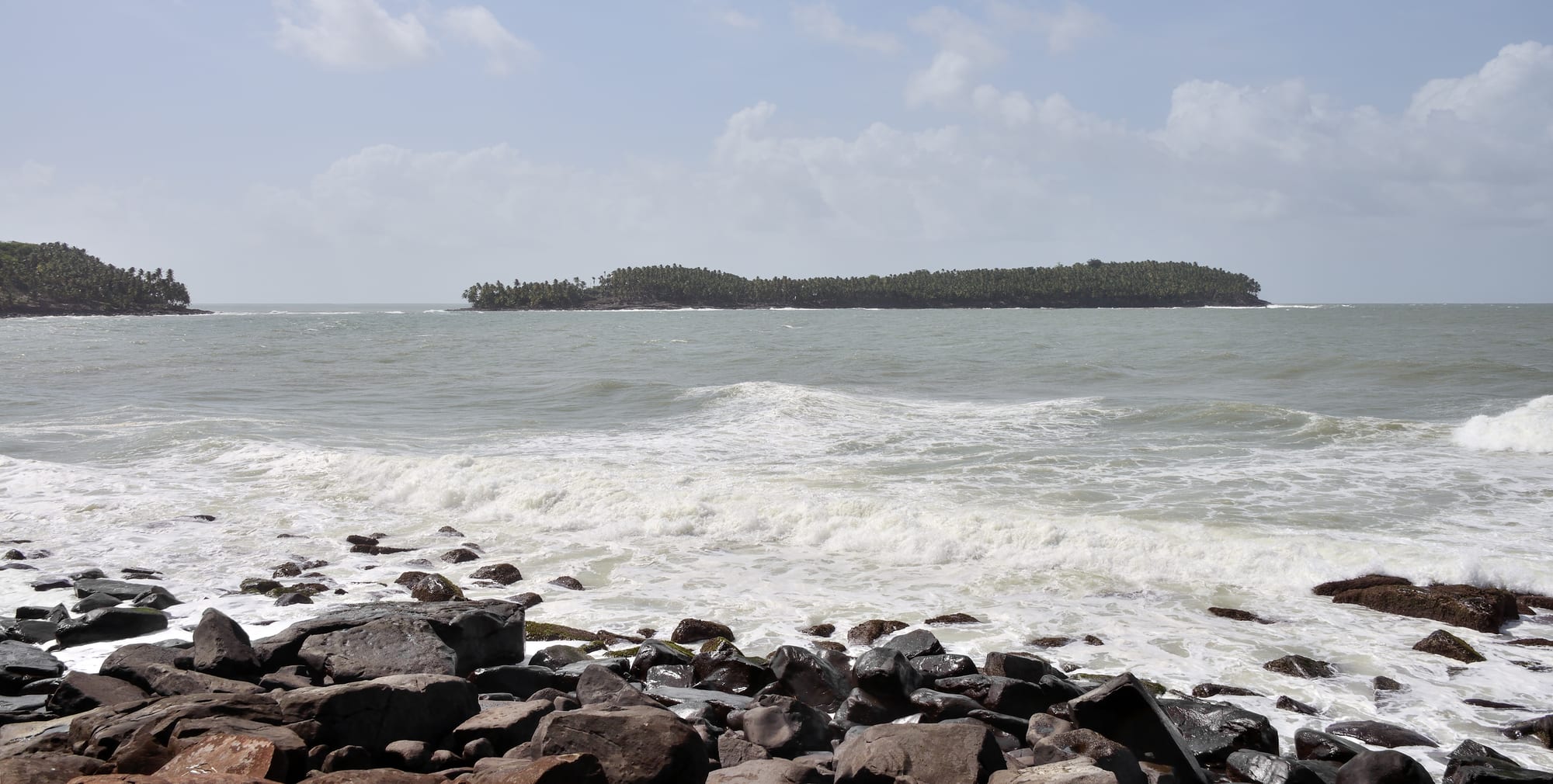
The "Islands of Salvation" — Royale, Saint-Joseph, and the tiny Île du Diable — lie about 14 kilometres north of Kourou. From 1852 to 1953 they held the worst-regarded prisoners of France's penal colony, including the wrongly convicted Alfred Dreyfus and, by his own account, the escapee Henri "Papillon" Charrière. The ruins — cell blocks, a hospital, a chapel, the solitary-confinement cells on Saint-Joseph — now sit among coconut palms, agoutis, and nesting seabirds.
Boats run from Kourou to Île Royale and Saint-Joseph; Devil's Island can be seen only from the water or the neighbouring shore.
2. The Guiana Space Centre, Kourou
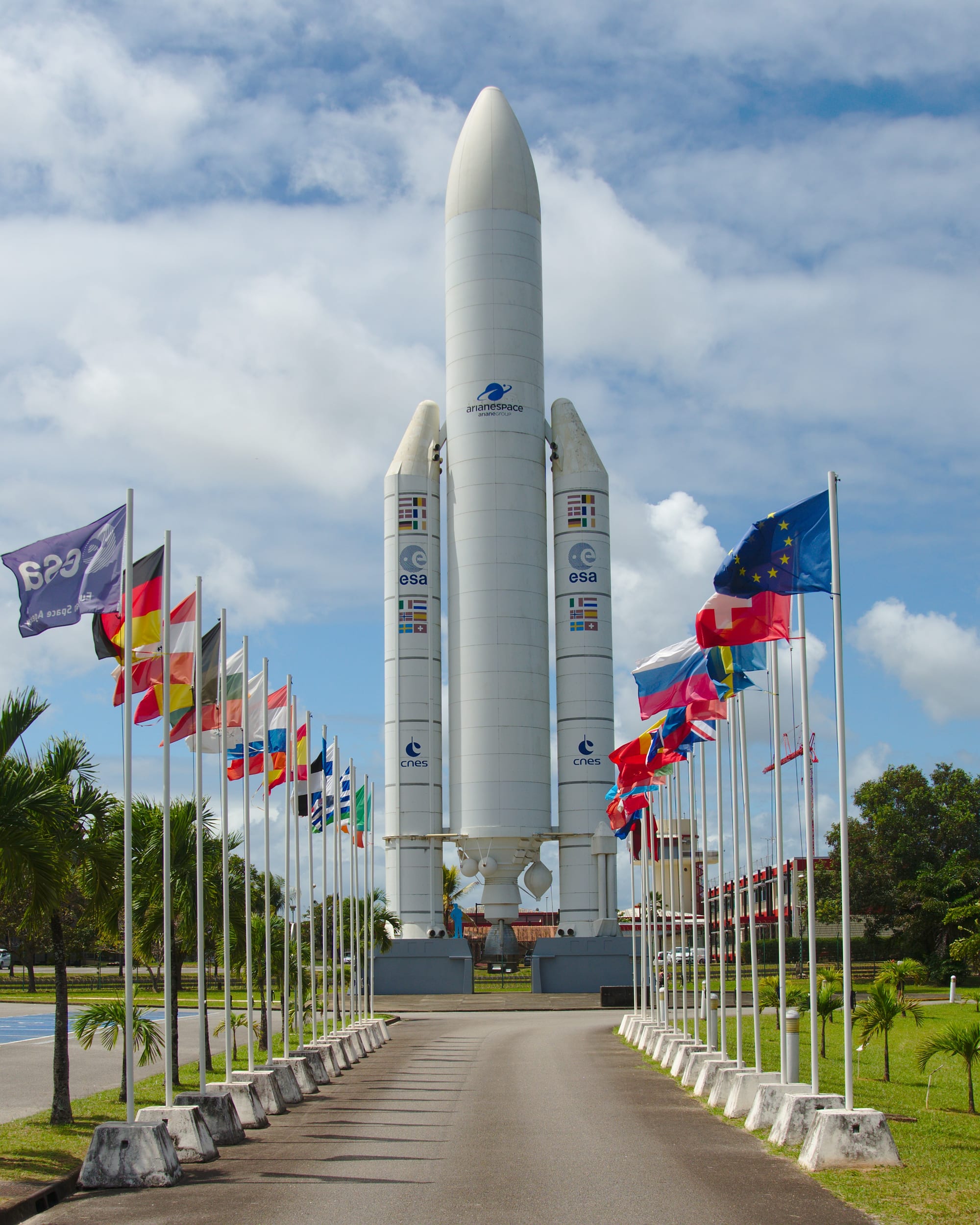
Kourou is home to Europe's spaceport, chosen for its position near the equator (which gives rockets a free speed boost) and its empty coast. Ariane 6 (since 2024) and Vega C rockets lift off here, as Ariane 5 and Soyuz once did; the site launched the James Webb Space Telescope in 2021. Guided tours of the site must be booked in advance, and a space museum in Kourou tells the story.
Launch days can be watched from public viewing sites a few kilometres away — dates are published in advance, and the town fills up.
3. Cayenne
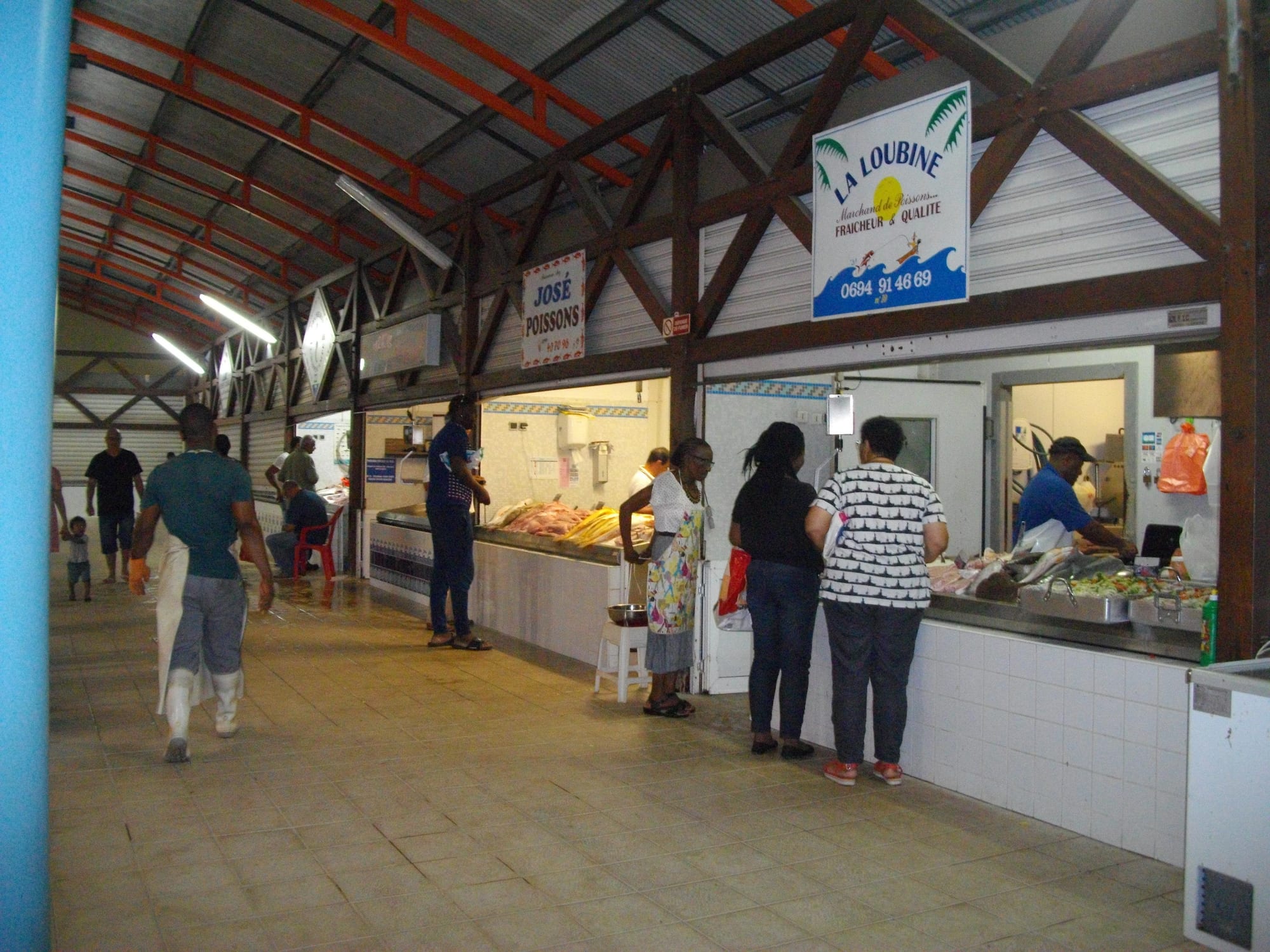
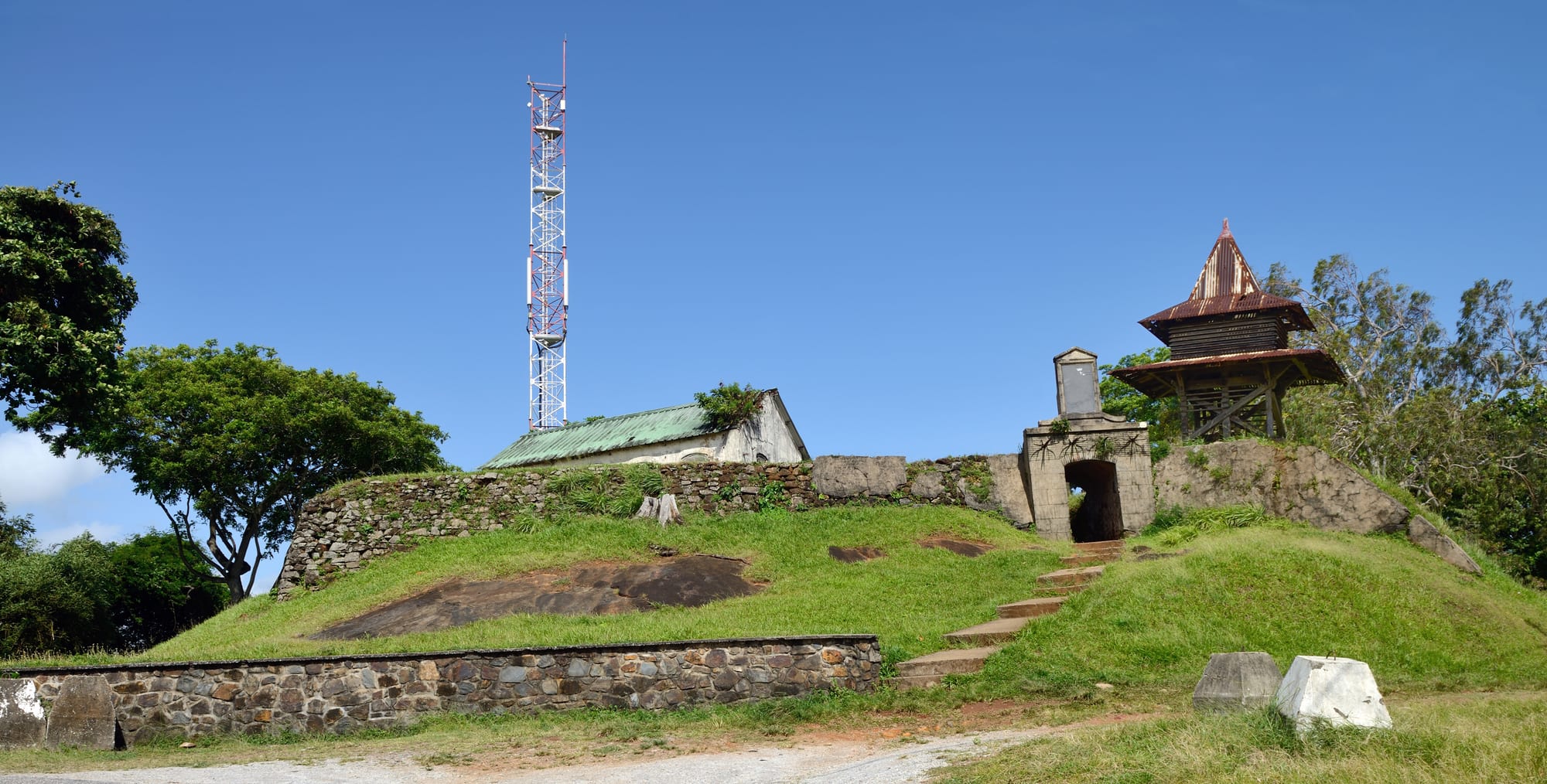
Cayenne, the capital, is a low-rise tropical town of shuttered Creole houses in faded pastels, a palm-lined main square (the Place des Palmistes), the hilltop ruins of Fort Cépérou, where French settlers founded the town in 1643, and a lively covered market where Hmong growers sell vegetables and food stalls serve local dishes.
It is the arrival point for almost every visitor and a base for the coast.
4. Saint-Laurent-du-Maroni
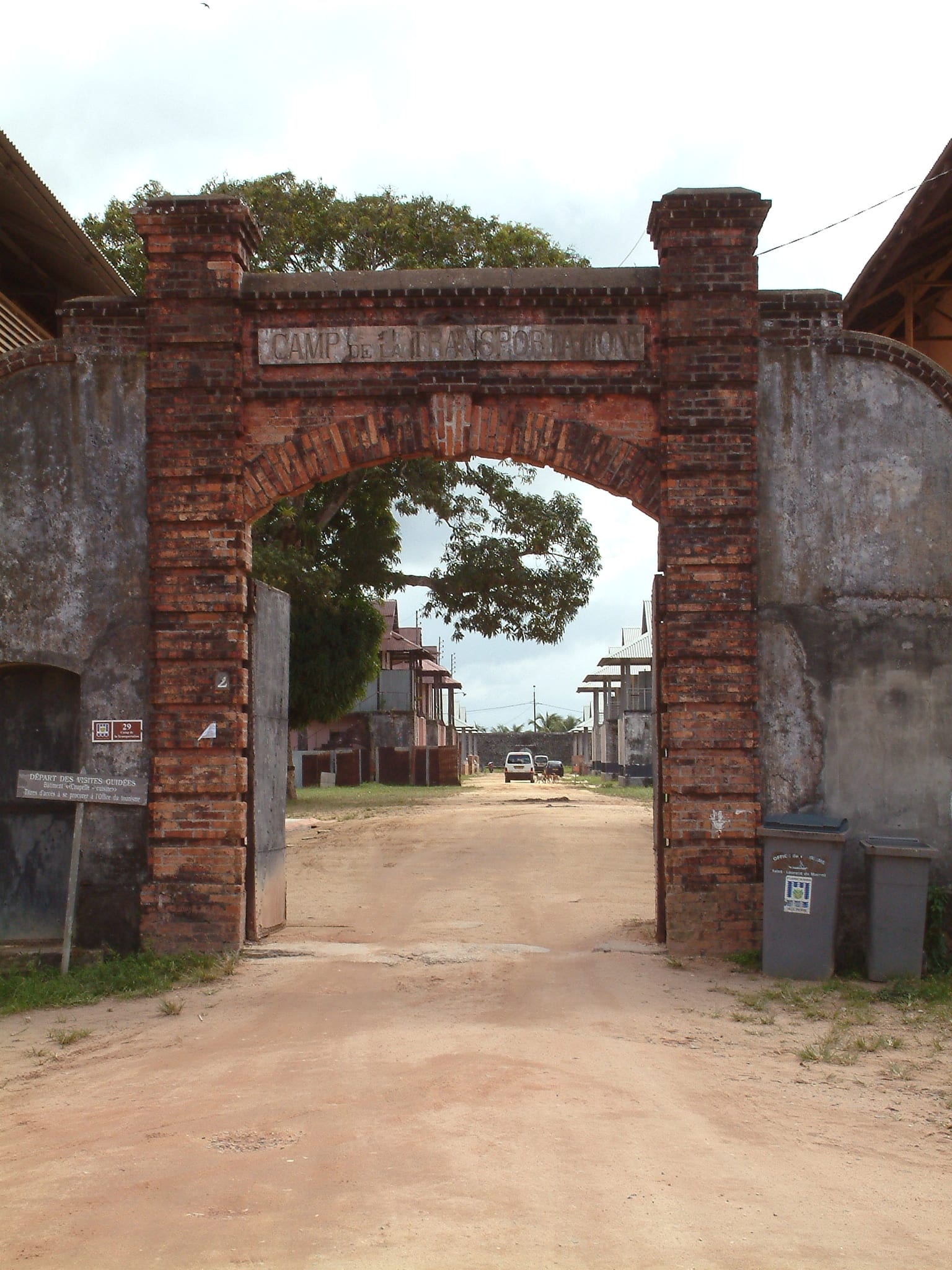
Saint-Laurent, on the Maroni river opposite Suriname, was the entry point of the penal colony: every convict transported from France was landed and sorted here. The Camp de la Transportation, with its cell blocks and the cell associated with Henri Charrière, can be visited on a guided tour, and the town keeps a leafy grid of colonial administration buildings.
Pirogues cross the river to the Surinamese side, and run upstream to Maroon and Amerindian villages.
5. The Kaw marshes
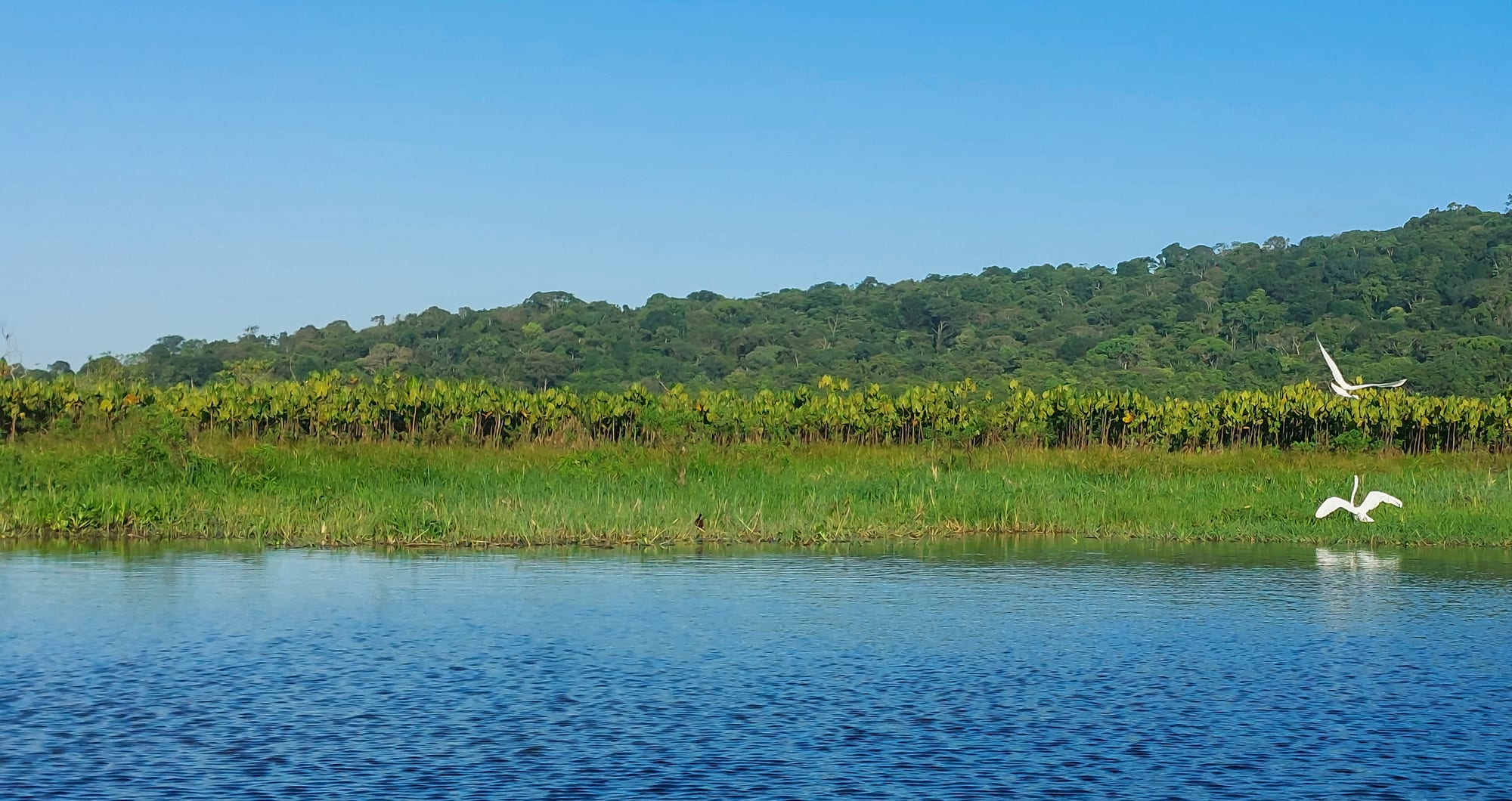
The Kaw–Roura marshes, a nature reserve of reed beds, floating meadows, and channels below Montagne de Kaw, is the largest wetland in France and a home of the black caiman — old males can exceed five metres — along with manatees, giant otters, and more than 500 bird species. The reserve can be reached only by boat; trips are by pirogue from the village of Kaw, often with a spotlight caiman-watching run after dark.
It makes a long day or an overnight trip from Cayenne.
6. Cacao
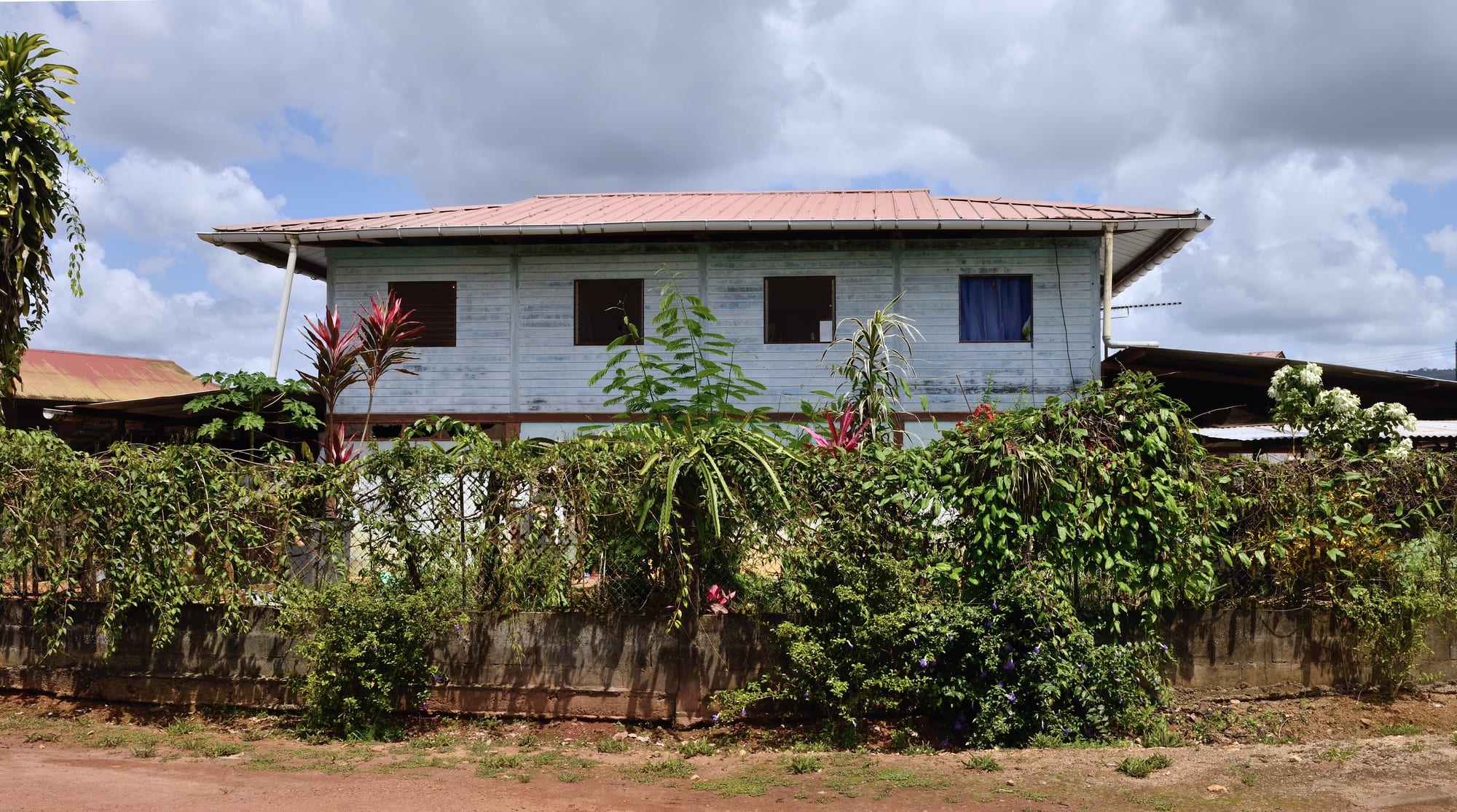
Cacao, on the Comté river in the hills south of Cayenne, was settled in 1977 by Hmong families who had fled Laos after the Vietnam War and now grow much of the territory's fruit and vegetables. Its Sunday morning market is a fixture — Hmong soup and spring rolls, embroidered textiles, and a small museum of insects. The setting, on a clear forest river, invites a swim.
The road there passes through good rainforest, and hiking trails start near the village.
7. The rainforest and the Guiana Amazonian Park
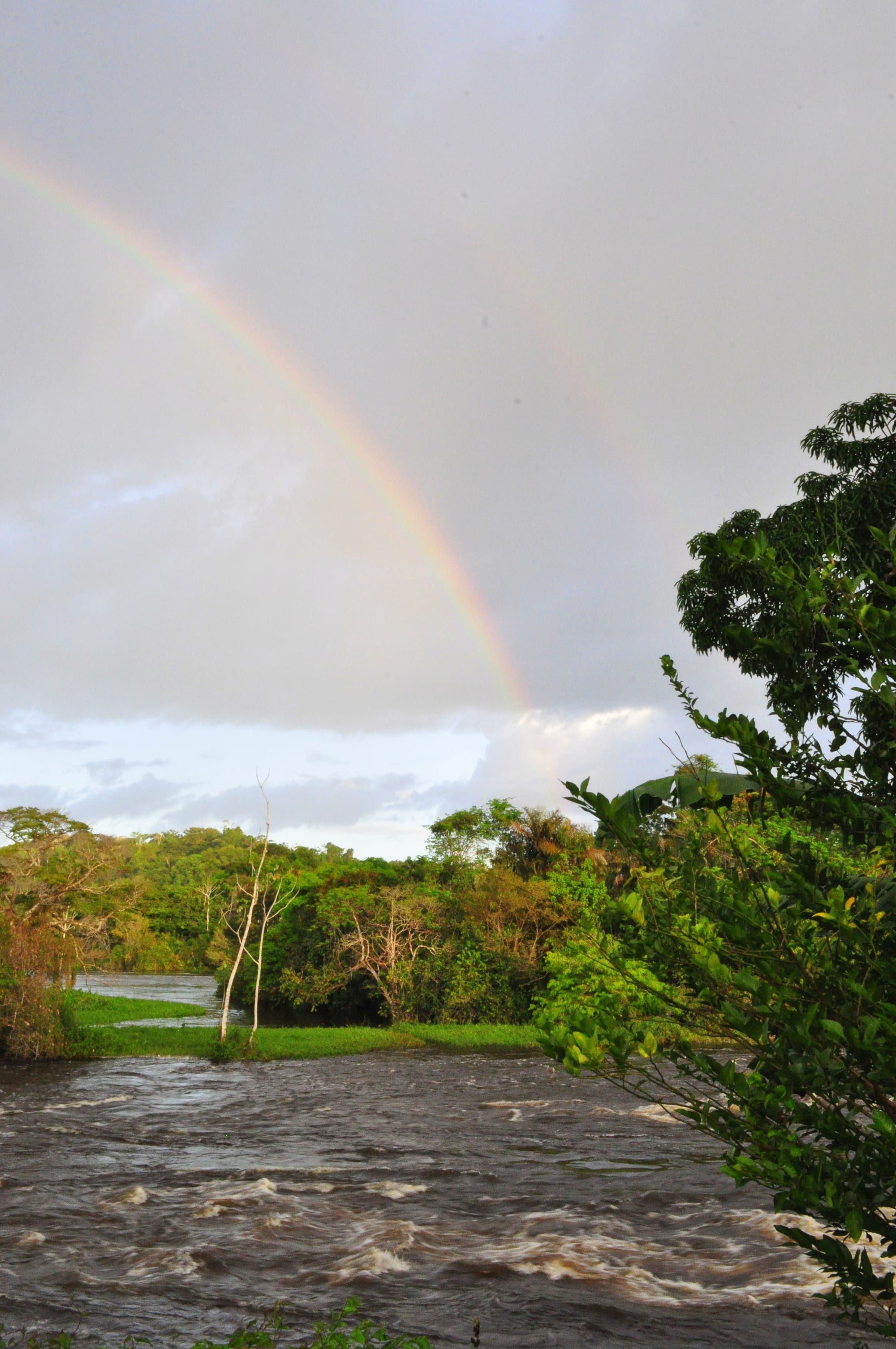
Inland French Guiana is nearly all forest, and the Guiana Amazonian Park — one of the largest protected areas anywhere — covers about two-fifths of the territory, in the south. Reached only by small plane and pirogue, it is home to Wayana, Teko, Wayampi, and Aluku communities and to jaguars, ocelots, and giant anteaters. Closer to the coast, the Trésor reserve on the Kaw mountain and forest lodges near Cayenne give an easier taste of it.
Rivers are the roads here; multi-day pirogue trips with local guides are the way in.
8. The turtle beaches
French Guiana's coast is one of the world's most important nesting grounds for marine turtles. From roughly March to July, leatherbacks — the largest of all turtles, up to 700 kilograms — as well as green and olive ridley turtles haul out at night to lay, above all on the beaches at Awala-Yalimapo near the Suriname border, among the world's largest leatherback nesting sites, and at Rémire-Montjoly just outside Cayenne. Guided night walks allow watching without disturbing them.
Hatchlings emerge a couple of months later, so the season runs long.
French Guiana is a rugged, relatively expensive trip with limited infrastructure outside the coast. A week covers Cayenne, the Îles du Salut, Kourou, and Kaw or Cacao; going deep into the forest needs more time, a guide, and a flexible budget.