Food · Gabon
Gabon: Food and the National Dish
Chicken simmered in a rich palm-nut sauce, cassava prepared a dozen different ways, and a Congo Basin rainforest cuisine layered with French colonial habits
By Globeway Editorial · 30 September 2026
A Congo Basin cuisine with a French layer
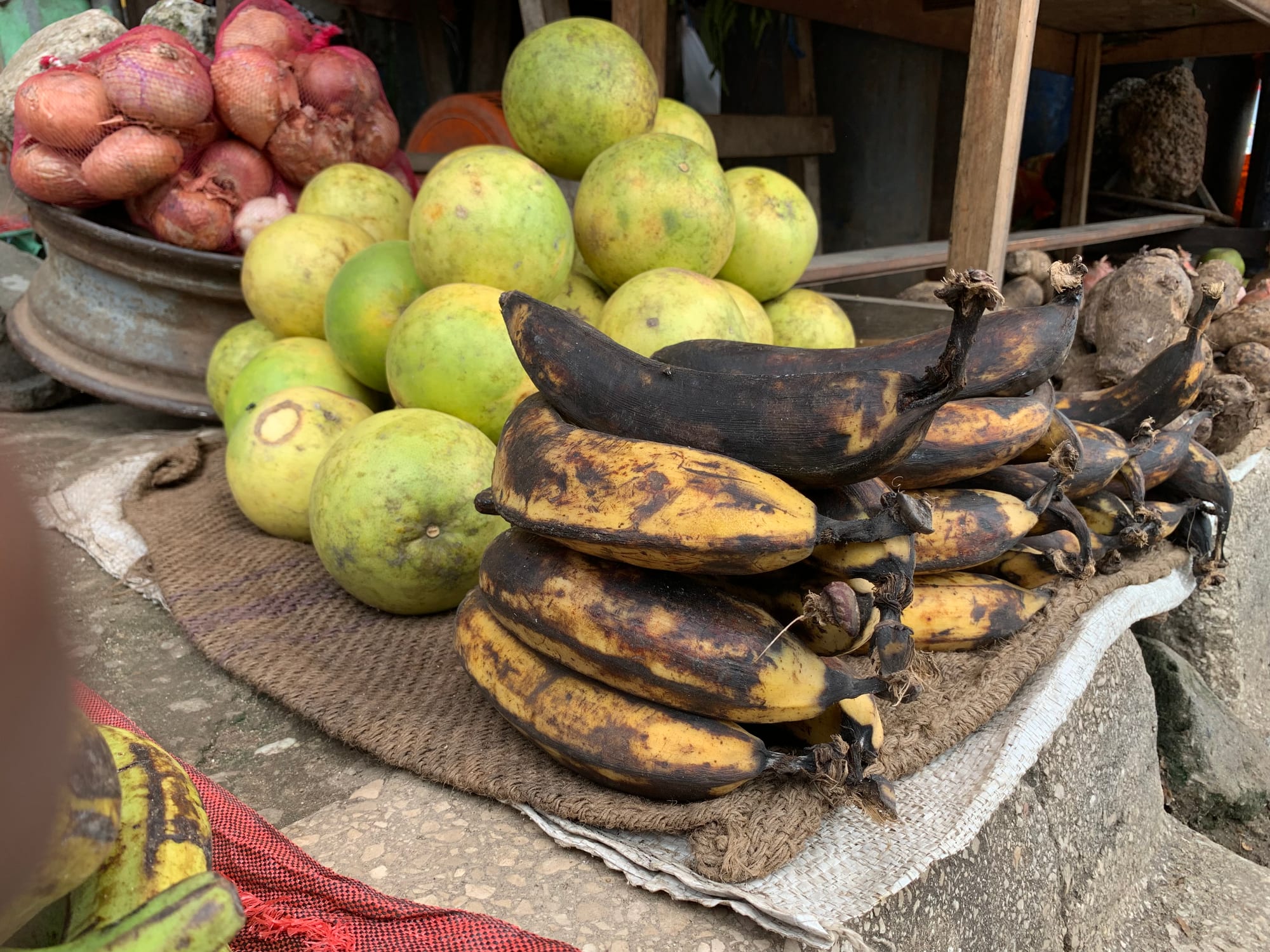
Gabon's food grows out of the equatorial rainforest that covers nearly 90 per cent of the country, built on cassava, plantain, palm oil and fish, and carried by Fang and other Bantu culinary traditions that predate colonial rule by centuries. French colonial influence, still visible in Libreville's bakeries and coffee culture, sits alongside that base rather than replacing it.
The national dish: poulet nyembwe
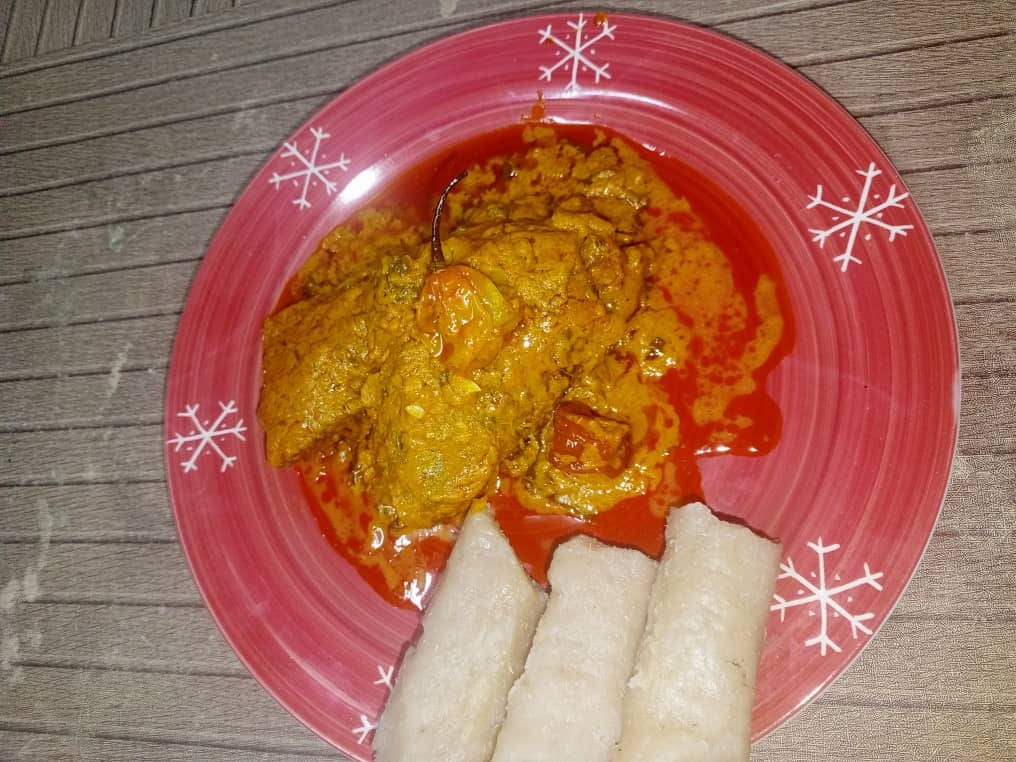
Poulet nyembwe, chicken slow-cooked in a thick, richly flavoured sauce made from the pulp of palm nuts, is widely regarded as Gabon's national dish; the name nyembwe comes from the Myene word for palm oil. The sauce, similar in spirit to the palm-nut stews found across Central Africa under names like moambe in the Congos and Angola, is usually served over rice or with bâton de manioc, and is common enough to appear at both everyday family meals and celebrations.
Cassava, palm oil and the rainforest pantry
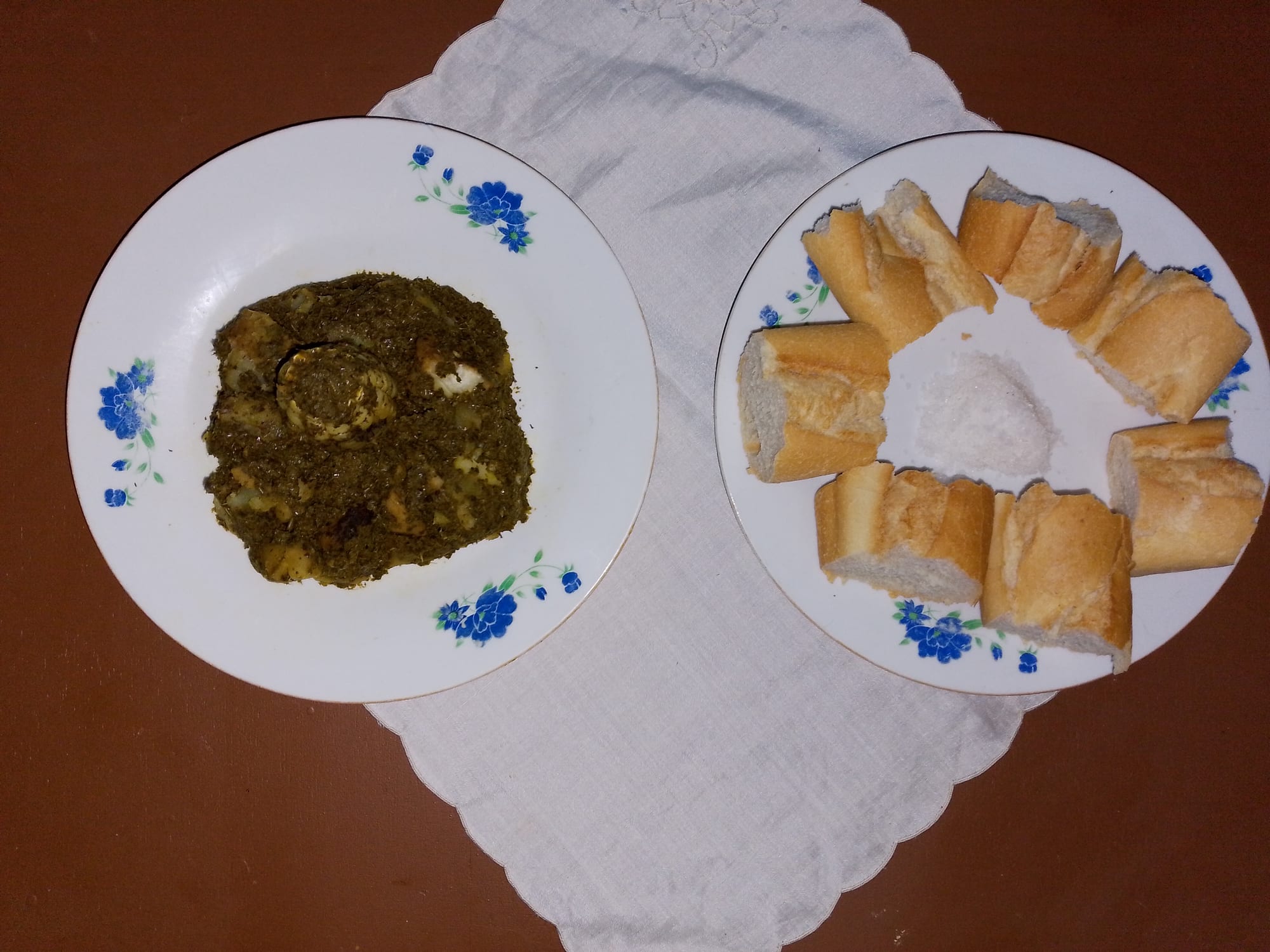
Cassava underpins the Gabonese diet in more forms than almost any other ingredient — as bâton de manioc, a fermented cassava paste wrapped in leaves and steamed, and as feuilles de manioc, the plant's leaves cooked down into a stew. Palm oil, plantain, peanuts and smoked or dried fish round out a pantry drawn directly from the rainforest and coast that Gabon straddles.
History and geography behind the plate
Gabon's food traditions trace to the Fang, Punu, Myene and other peoples who have long farmed and fished the country's coast and forest interior, a base that French colonial rule layered with bread, coffee and administrative ties to France rather than displacing outright. Gabon's oil-driven economy, wealthier by regional standards, has also made imported food more accessible in Libreville than in many neighbouring countries, even as traditional dishes remain the everyday standard.
Coast and rainforest
Libreville and the coast lean on fresh and smoked fish alongside cassava and plantain, while the forested interior draws more on bushmeat, fruit like atanga (the "bush butter" fruit, usually boiled and often spread on bread), and other forest-gathered ingredients passed down through Fang and other interior communities.
Dishes to know
Five more to recognise across Gabon:
- Bâton de manioc — fermented cassava paste wrapped in leaves and
steamed, a standard accompaniment to most main dishes.
- Feuilles de manioc — cassava leaves cooked down into a stew.
- Smoked fish — a staple of Gabonese markets and cooking, eaten on its
own or added to sauces.
- Sauce arachide — a peanut-based sauce served with meat or fish.
- Atanga — the "bush butter" fruit of the Dacryodes edulis tree, boiled
until soft and often spread on bread.
Drinks
Palm wine, tapped from palm trees and drunk both fresh and fermented, is a traditional Gabonese drink with deep roots in the region. Régab, brewed in Libreville, is the country's flagship beer, and French wine, reflecting Gabon's colonial and ongoing ties to France, is common in Libreville restaurants.
Eating as a traveller
Vegetarians will find cassava, plantain and peanut-based dishes manageable, though fish and meat are central to most traditional Gabonese cooking. Tap water is not reliably safe outside major hotels; stick to bottled or boiled water. Libreville's markets, especially for fresh produce and smoked fish, are a genuine and accessible way to see Gabonese food culture up close.
What to take from the table
Poulet nyembwe, rich with palm-nut sauce, is the dish that best represents Gabonese cooking — and a plate of feuilles de manioc alongside it shows just how many ways the country's cassava harvest ends up on the table.