History · Gibraltar
Gibraltar: The Rock at the Gate
A limestone monolith guarding the strait between two seas and two continents — the landing place of the Muslim conquest of Spain, British since 1704, and still claimed by Madrid
By Worldlore Editorial · 30 September 2026
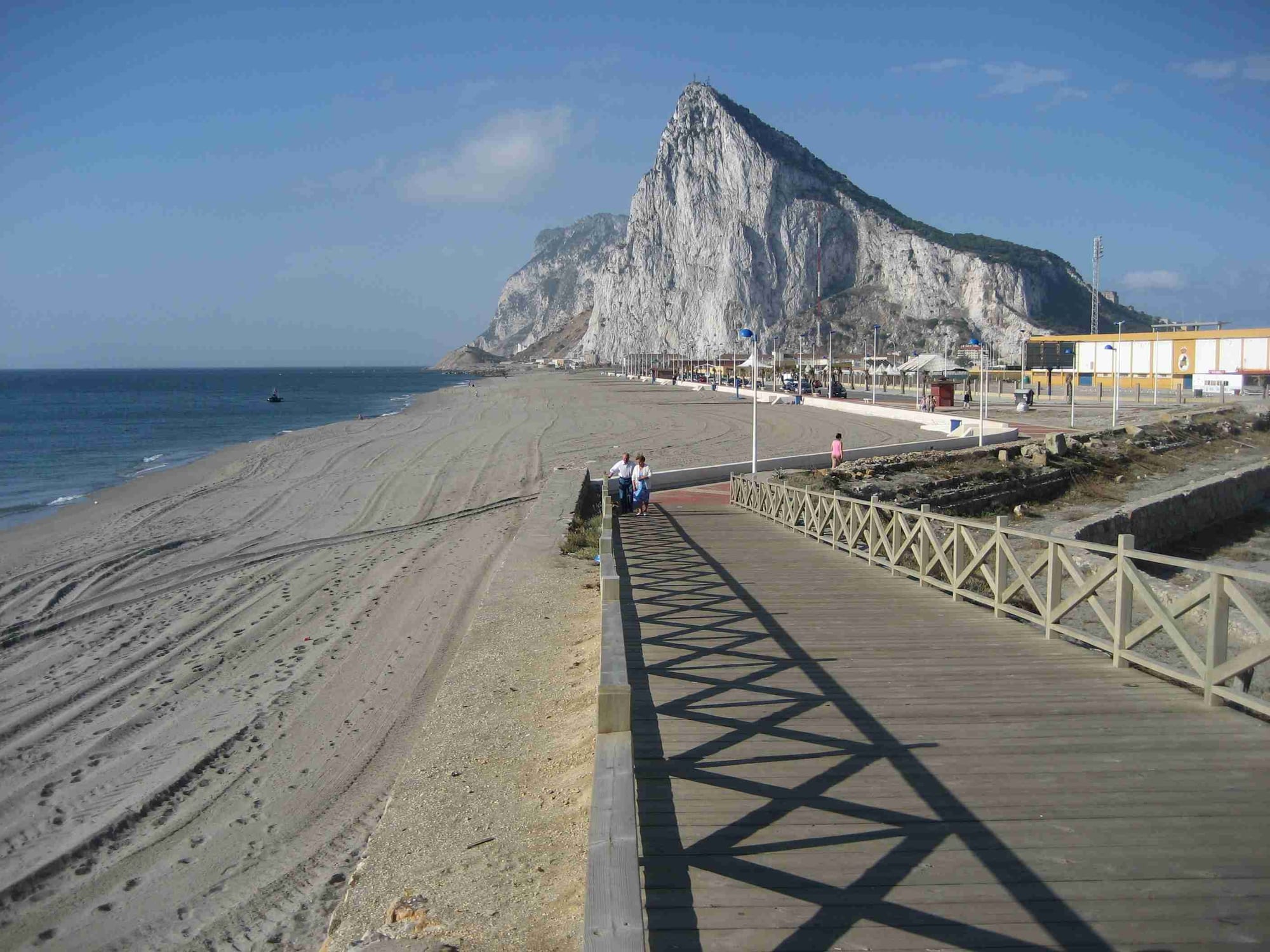
A landmark that became a fortress
Gibraltar is tiny — under seven square kilometres — and almost all of it is one enormous rock at the southern tip of the Iberian Peninsula. Its whole significance is position: it stands over the Strait of Gibraltar, the narrow gate between the Atlantic and the Mediterranean, and between Europe and Africa. To the ancients it was one of the Pillars of Hercules. For the last three centuries it has been a British fortress, and a point of dispute with Spain that has never gone away.
A short history
- c. 28,000 years ago
Gorham's Cave
One of the last known Neanderthal sites in Europe.
- 711 CE
Tariq's landing
A Muslim army lands to begin the conquest of Spain.
- 1462
Castile
Spanish forces take Gibraltar in the Reconquista.
- 1704
British capture
An Anglo-Dutch fleet seizes the Rock.
- 1713
Treaty of Utrecht
Spain cedes Gibraltar "in perpetuity" to Britain.
- 1779–1783
The Great Siege
A Franco-Spanish assault fails after nearly four years.
- 1942
Operation Torch
The Rock is the headquarters for the North Africa landings.
- 1967 / 2002
Referendums
Gibraltarians vote overwhelmingly to stay British.
Tariq's mountain
Neanderthals lived in the sea caves on the Rock's eastern face until at least 28,000 and possibly 24,000 years ago — Gorham's Cave is among the last places in Europe they are known to have survived. Phoenicians, Carthaginians and Romans used the bay, but the Rock itself was a marker, not a settlement.
That changed in 711, when a Berber commander in Umayyad service, Tariq ibn Ziyad, landed here with an army and began the Muslim conquest of the Iberian Peninsula. The place took his name: Jabal Tariq, Tariq's Mountain, worn down over centuries to "Gibraltar".
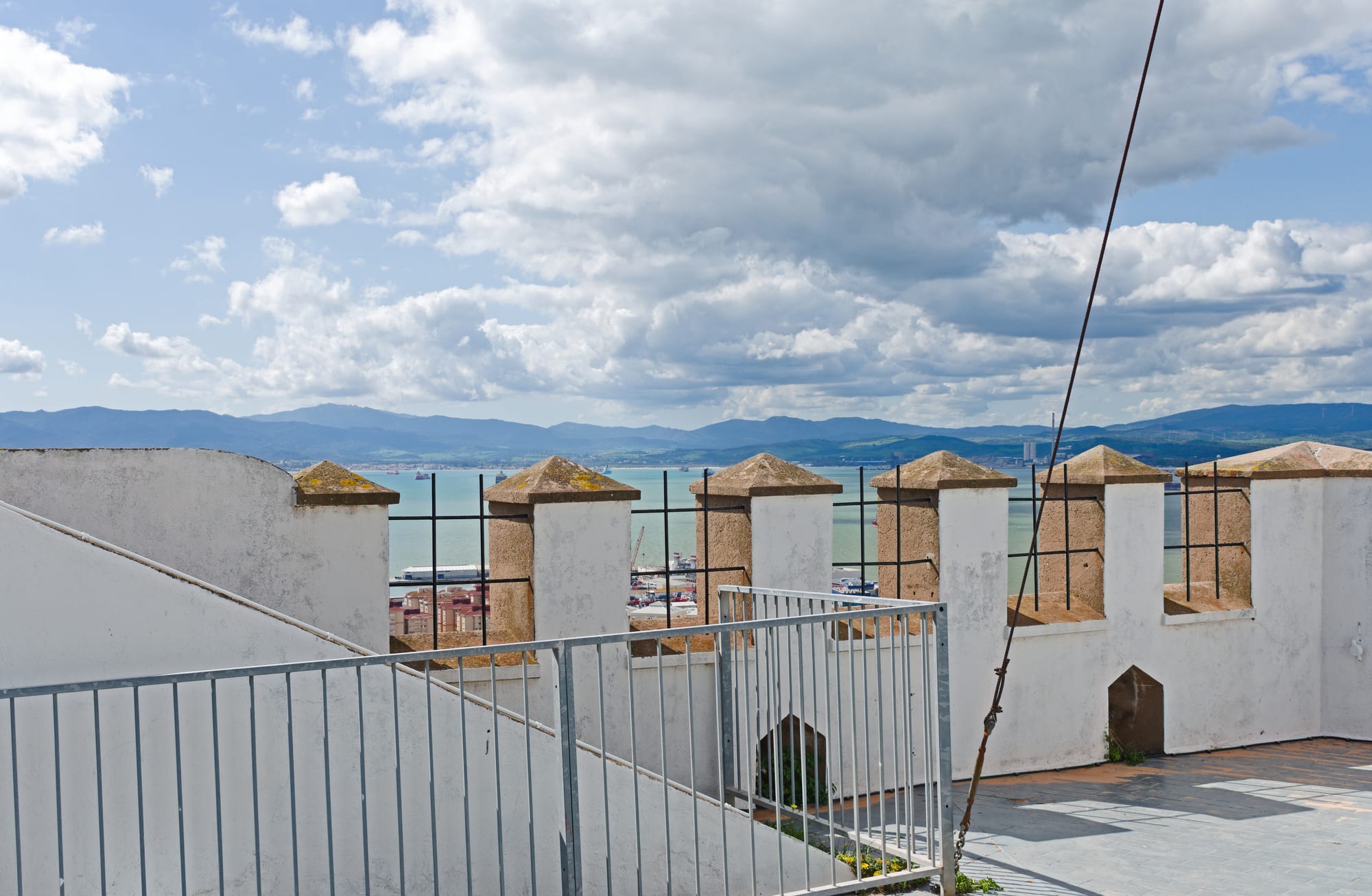
Gibraltar passed between Muslim rulers and, from 1462, to Castile, which held it through the rest of the Reconquista. Queen Isabella made it a Crown possession in 1501, and for two centuries it was a small, walled Spanish town.
The British capture, and the Great Siege
During the War of the Spanish Succession, an Anglo-Dutch fleet under Admiral Sir George Rooke captured Gibraltar in August 1704, nominally for the Habsburg claimant to the Spanish throne. Most of the Spanish inhabitants left. Britain kept the Rock, and by the Treaty of Utrecht in 1713 Spain formally ceded it "for ever" to the British Crown — with conditions that both sides have argued over ever since.
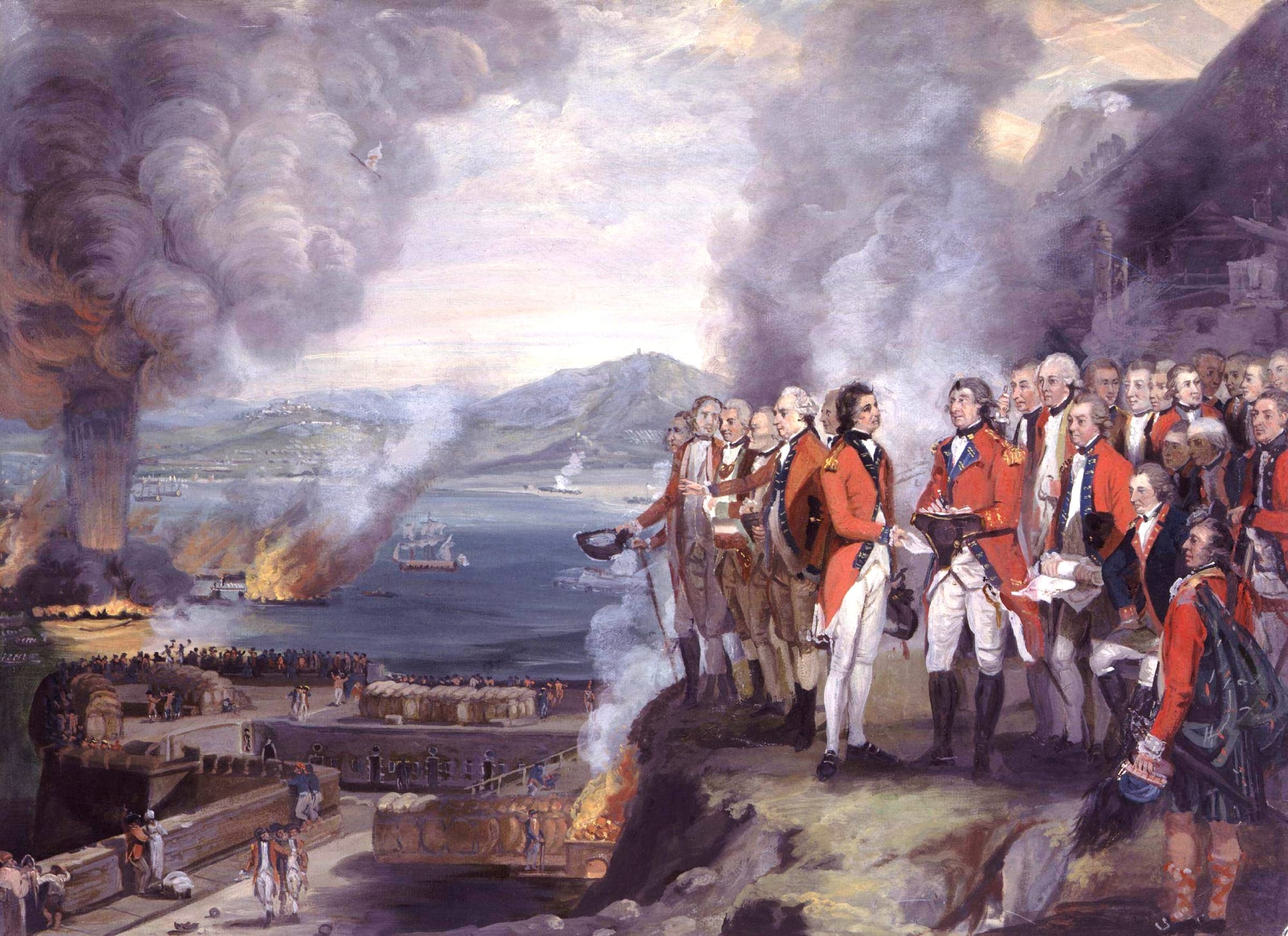
Spain besieged Gibraltar repeatedly. The last and greatest attempt, during the American Revolutionary War, was a Franco-Spanish blockade and assault that lasted from 1779 to 1783. The garrison held, and British possession was confirmed.
The fortress years
Through the 19th and 20th centuries Gibraltar was one of the Royal Navy's key bases, a coaling station and dockyard controlling the route to Suez and India. In the Second World War the civilian population was evacuated, wartime tunnelling extended the Rock's galleries to some forty kilometres, and it served as the headquarters — with Eisenhower installed inside it — for Operation Torch, the 1942 Allied landings in North Africa.
The dispute with Spain
Spain revived its claim under Franco. In a 1967 referendum, Gibraltarians voted 12,138 to 44 to stay British; Franco responded by closing the land border in 1969, and it was not fully reopened until 1985.
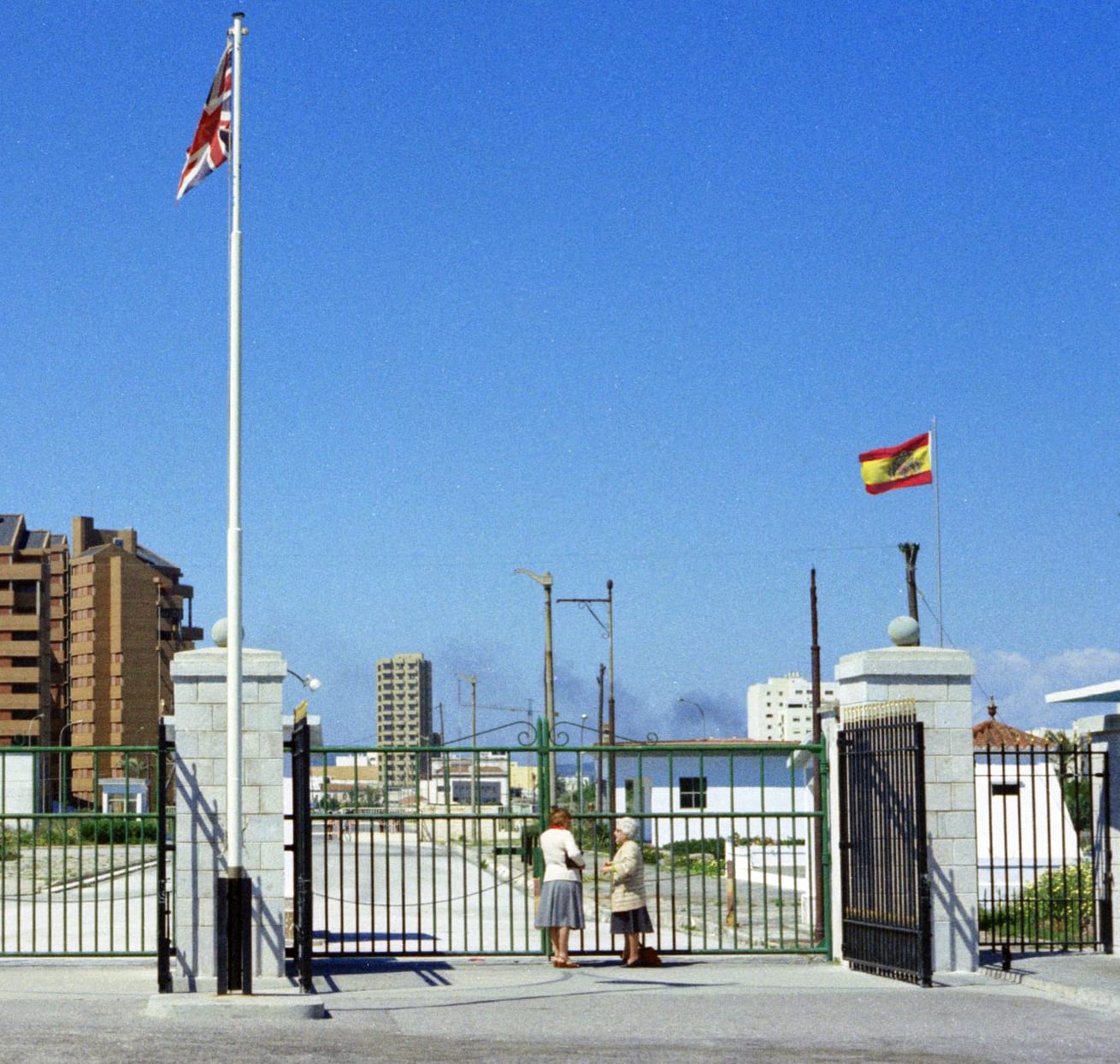
Britain and Spain have negotiated over Gibraltar's status for decades, including proposals for joint sovereignty that Gibraltarians rejected outright. The territory has meanwhile transformed its economy from a military garrison into a centre for financial services, online gaming and shipping. It voted 96 per cent to remain in the European Union in 2016. After Brexit, a UK–EU treaty in respect of Gibraltar was negotiated in 2025 and signed in July 2026; from 15 July 2026 routine controls on the land border with Spain were removed and Gibraltar joined the Schengen travel area and the EU customs union.
What Gibraltar carries
Gibraltar has never been valued for itself, only for where it sits. Every power that has held it — the Umayyads, Castile, Britain — held it to control the strait. The modern Gibraltarians, a mixed community of Genoese, Maltese, Portuguese, Spanish, Jewish, Moroccan and British descent, have added a further claim: that after three centuries, the Rock is simply their home, and its future is theirs to decide.