History · Haiti
Haiti: The First Free Black Republic
One of the world's richest slave colonies became, through the only slave revolt in history to found a nation, the first independent nation in Latin America — then paid for it for two centuries
By Worldlore Editorial · 30 September 2026
A revolution, and its bill
Haiti occupies the western third of the island of Hispaniola, which it shares with the Dominican Republic. It was the first country in Latin America and the Caribbean to become independent, in 1804, and the only nation in history created by a successful revolt of the enslaved. That achievement was extraordinary — and the world made Haiti pay for it, through isolation, embargo, and a crushing "indemnity" to France that drained the country for more than a century. Historians and economists link much of Haiti's later poverty to how its freedom was punished.
A short history
- 1492
Columbus
Lands on Hispaniola; the Taíno are destroyed within decades.
- 1697
Saint-Domingue
France gains the western third of the island.
- 1780s
The richest colony
Half a million enslaved people produce world-leading sugar and coffee.
- 1791–1804
The Revolution
The enslaved defeat France, Spain and Britain.
- 1804
Independence
Dessalines proclaims Haiti.
- 1825
The indemnity
Haiti agrees to pay France for its own freedom.
- 1915–1934
US occupation
The Marines run Haiti for 19 years.
- 1957–1986
The Duvaliers
Father-and-son dictatorship.
- 2010
Earthquake
Estimates of the dead range from 100,000 to over 300,000.
- 2021–present
Collapse
A president is assassinated; gangs seize most of the capital.
Saint-Domingue
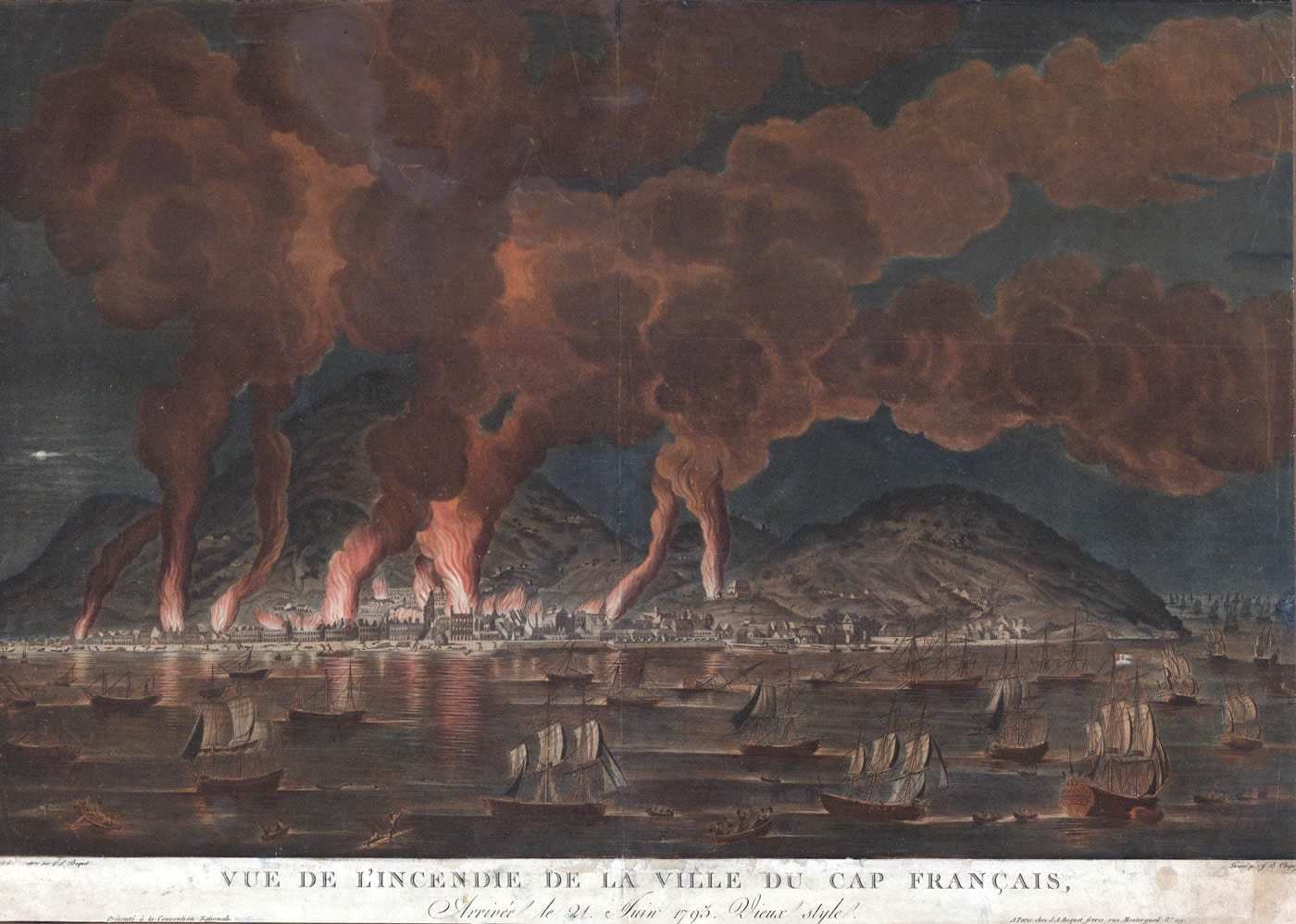
The Taíno of Hispaniola were all but annihilated within fifty years of Columbus by disease and forced labour. Spain concentrated on the mainland, and France took the western third of the island in 1697, naming it Saint-Domingue. It became one of the richest colonies in the world: by the 1780s it produced about 40 per cent of the sugar and 60 per cent of the coffee consumed in Europe, worked by roughly half a million enslaved Africans on some 8,000 plantations, under conditions so lethal that the population had to be constantly replenished by new shipments.
The Haitian Revolution
A mass uprising began in the northern plain in August 1791. Out of it rose Toussaint Louverture, a formerly enslaved man of exceptional political and military skill, who played France, Spain and Britain against one another; France abolished slavery in 1794. By 1801 Toussaint governed the whole island.
The founders
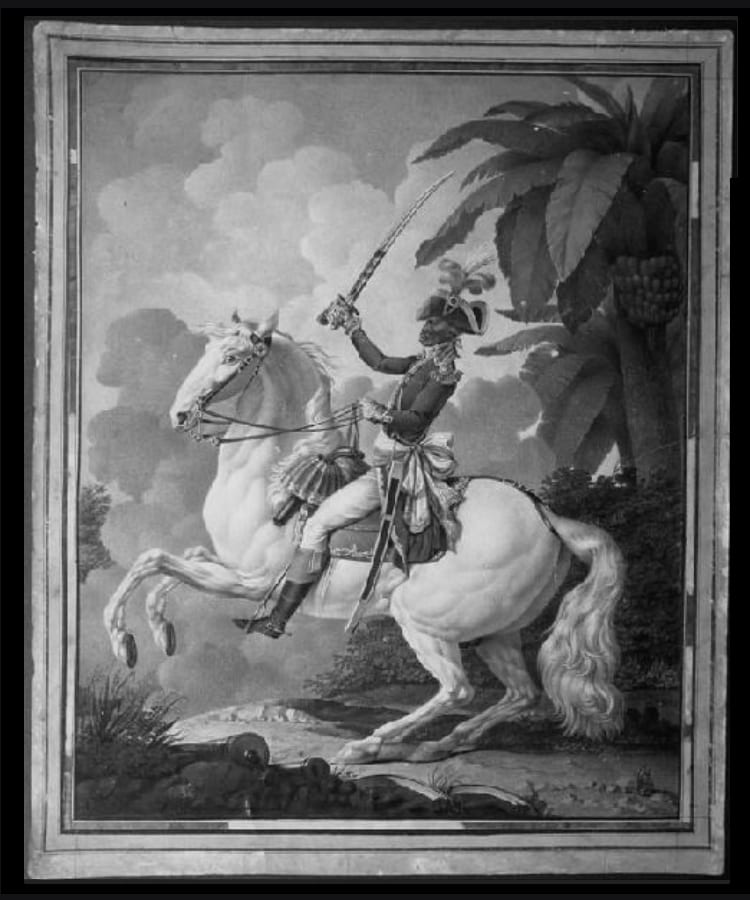
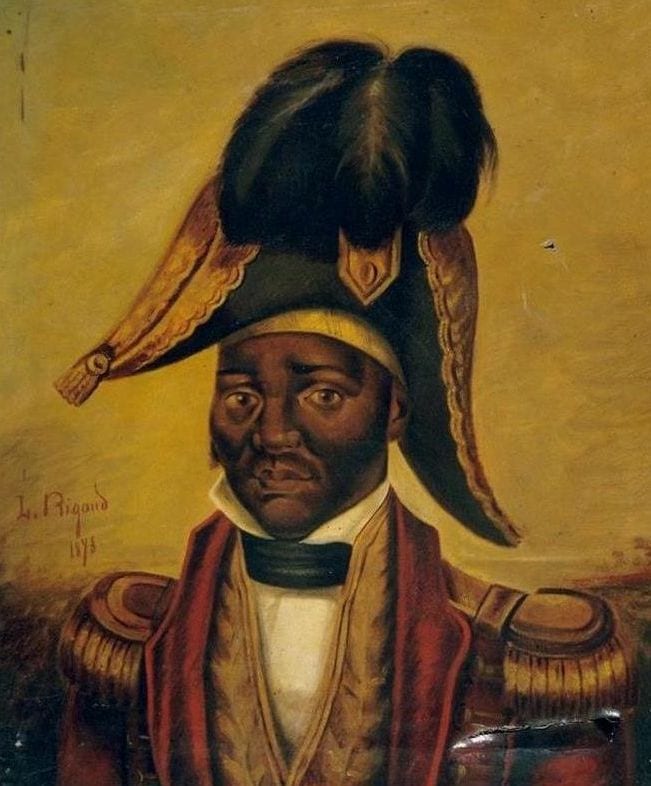
Napoleon sent a huge expedition in 1802 to restore slavery. Yellow fever destroyed it, and the knowledge that France meant to re-enslave them united Haiti's forces under Dessalines. On 1 January 1804 he proclaimed independence.
The price of freedom
Haiti was treated as a threat by every slaveholding power. The United States did not recognise it until 1862. In 1825, with a French fleet offshore, Haiti agreed to pay France an "indemnity" — originally 150 million francs — to compensate former slaveholders for the loss of their plantations and the people they had enslaved. Haiti took high-interest loans to pay it, and did not finish repaying the debt until 1947. A 2022 New York Times analysis estimated that it cost Haiti between $21 billion and $115 billion in lost growth over two centuries.
The 19th century brought coups, a split between the Black and mixed-race elites, a brief northern kingdom that built the Citadelle, and a peasant economy of small coffee farms in place of the plantations.
The occupation
After decades of instability — a president was torn apart by a mob in 1915 — the US Marines invaded, citing strategic concerns and American financial interests, and ran Haiti for 19 years.
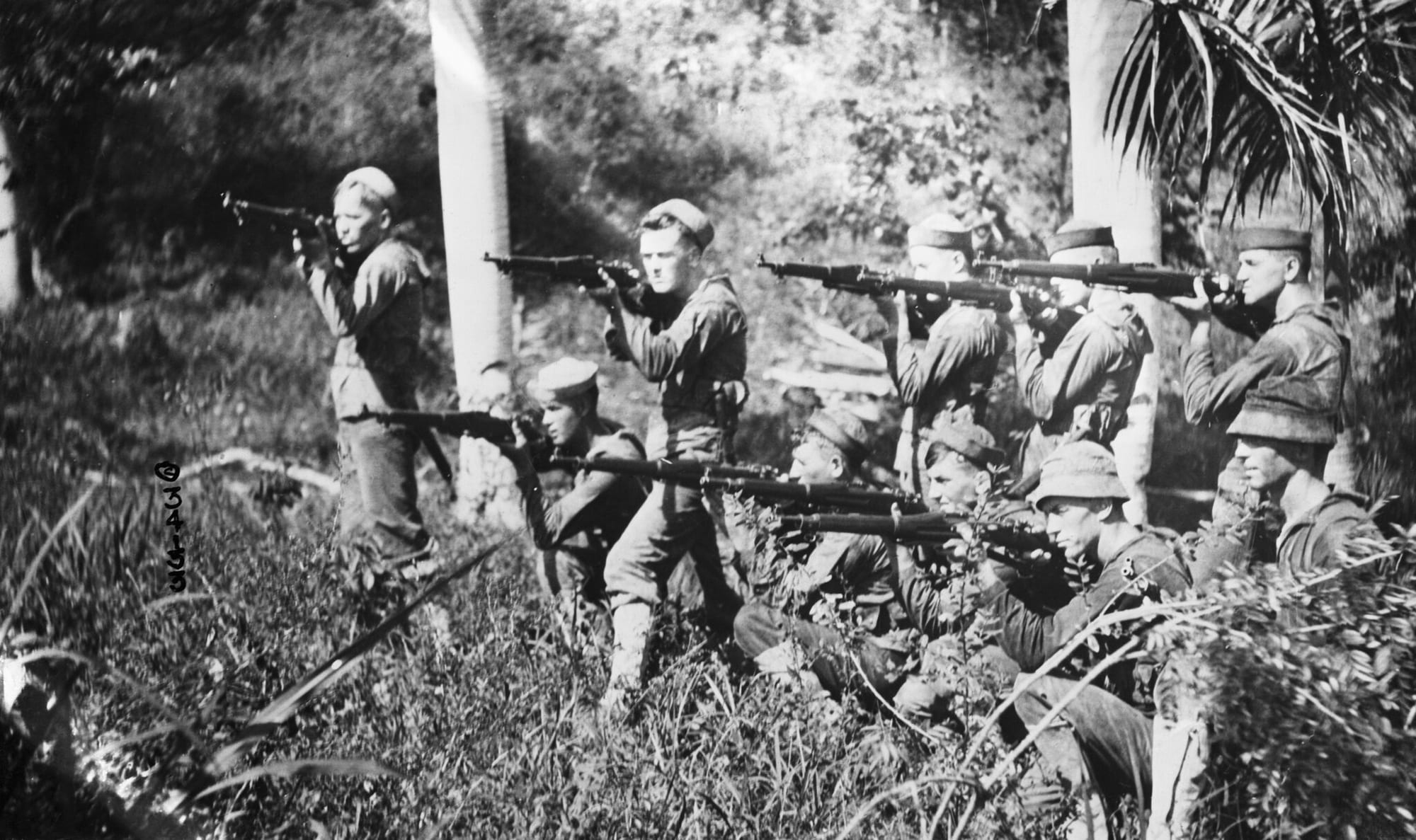
The occupation built roads and a centralised army, but through corvée labour and with heavy violence, and it left deep resentment and a strengthened mixed-race elite.
The Duvaliers, and after
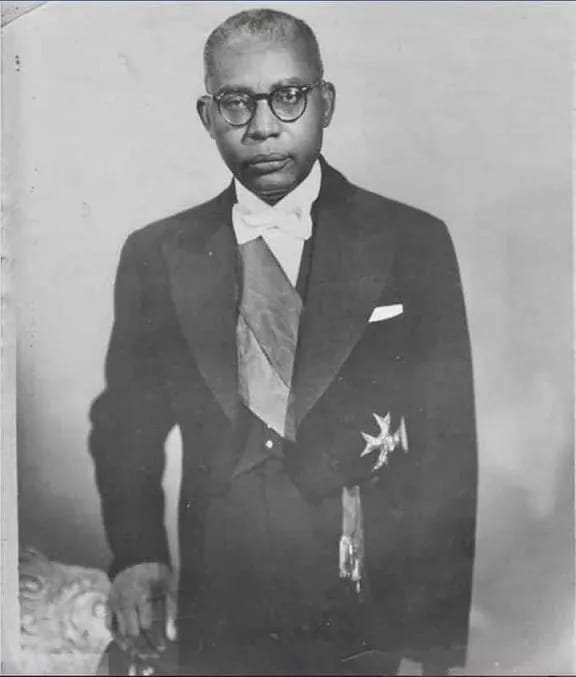
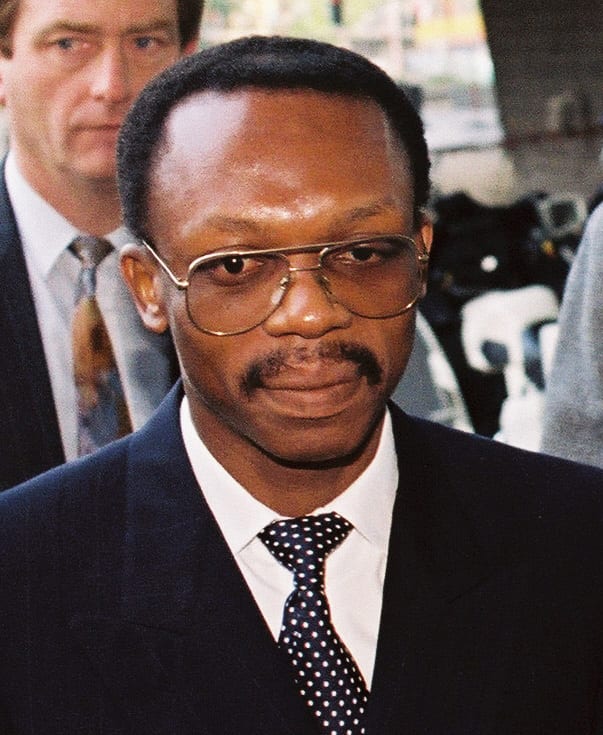
In 1957 François "Papa Doc" Duvalier won the presidency and turned Haiti into a totalitarian state, ruling through the Tontons Macoutes militia and Vodou imagery, declaring himself president for life, and killing tens of thousands. His son Jean-Claude "Baby Doc" inherited power at 19 in 1971 and looted the treasury until a popular uprising drove him into exile in 1986.
Earthquake and collapse
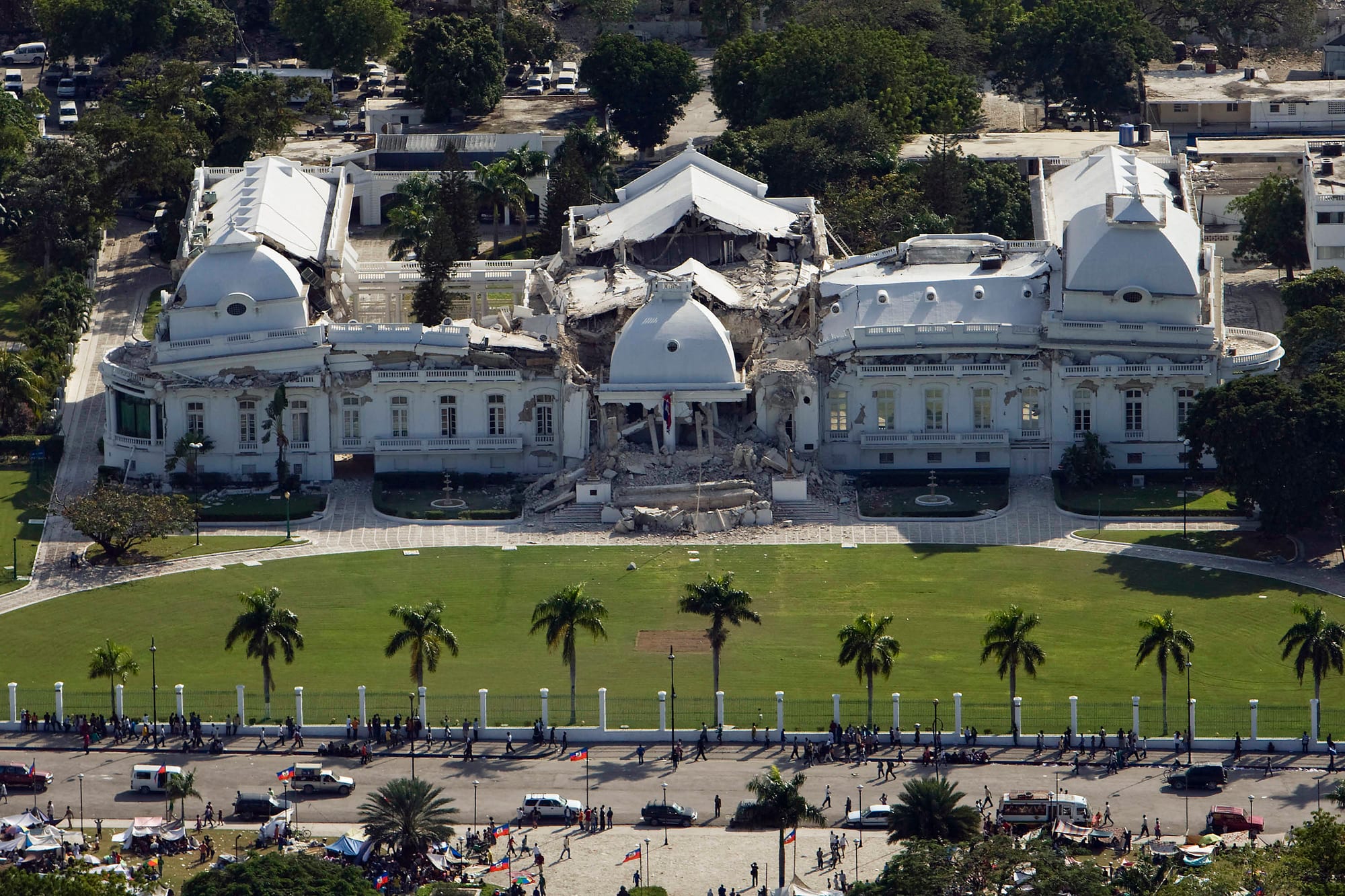
On 12 January 2010 a magnitude 7.0 earthquake struck near Port-au-Prince, killing somewhere between 100,000 and more than 300,000 people, depending on the estimate, and devastating the capital.
UN peacekeepers were later found to have introduced cholera, which killed nearly 10,000 people. President Jovenel Moïse, governing by decree, was assassinated at his residence in July 2021; a group of foreign mercenaries, mostly Colombian, is alleged to have carried out the killing. The last elected officials left office in 2023, and armed gangs have taken control of most of Port-au-Prince, displacing over a million people and cutting off food and fuel. A Kenya-led security mission began deploying in 2024 and in October 2025 was turned by the UN Security Council into a larger Gang Suppression Force. The Transitional Presidential Council that held the presidency's powers from April 2024 dissolved on 7 February 2026 without an election, leaving the acting prime minister, Alix Didier Fils-Aimé, as the sole executive, with general elections set for December 2026.
What Haiti carries
Haiti's founding act — enslaved people defeating Napoleon's army and abolishing their own bondage — is one of the most radical events in world history. The response of the slaveholding powers was to isolate the new republic and make it pay, in cash, for the property it had liberated: itself. Two centuries of debt, intervention, dictatorship and disaster have followed, and Haiti has never been allowed, or able, to build on 1804.