Food · Iran
Iran: Food and the National Dish
Saffron-scented rice with a prized crisp golden crust, grilled meat skewers eaten alongside it, and a country that grows nearly all the world's saffron
By Globeway Editorial · 30 September 2026
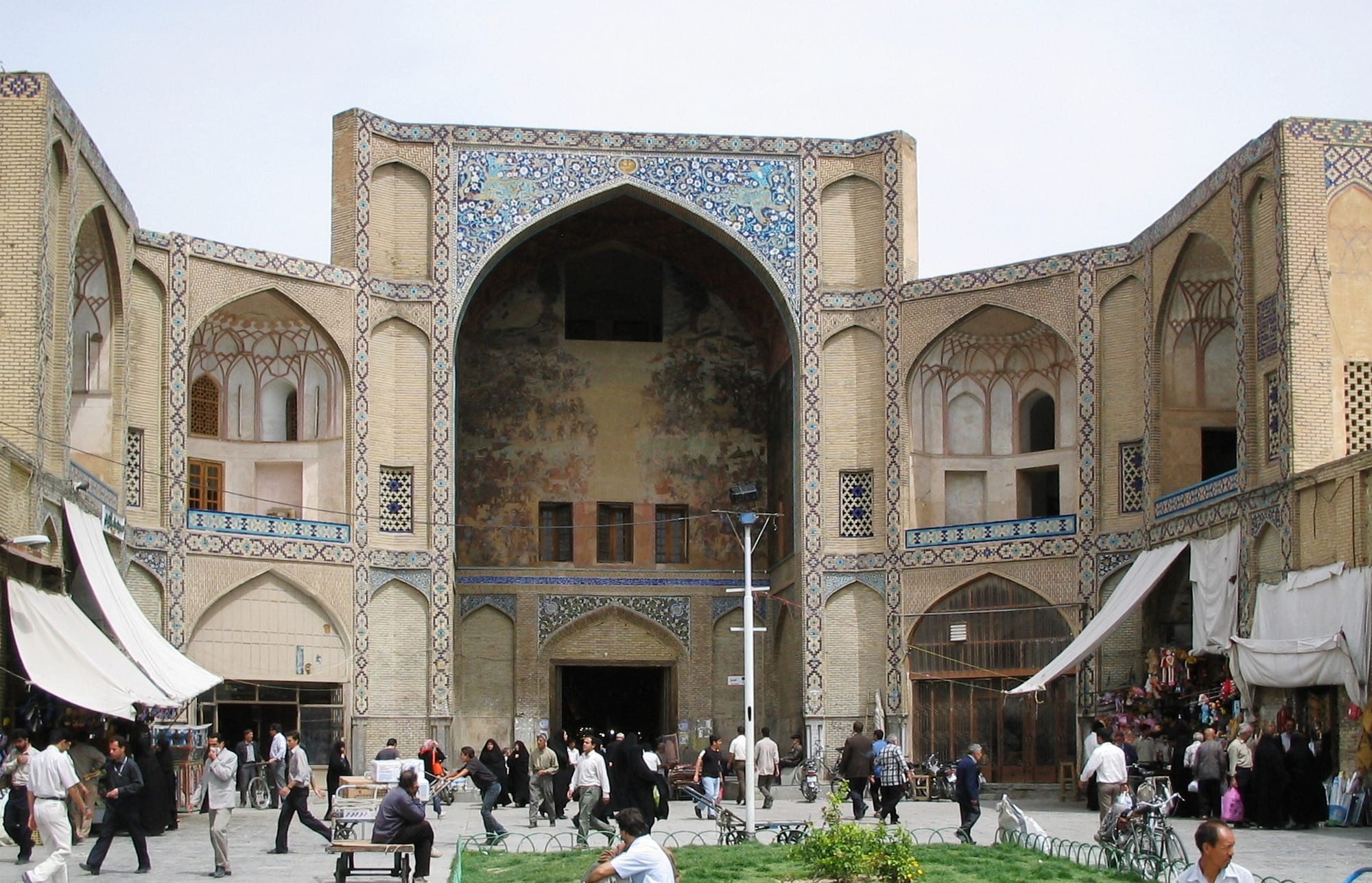
Rice treated as an art form
Persian cooking treats rice with a level of technique found in few other cuisines: soaked, parboiled, then steamed a second time to produce fluffy, separate grains crowned with tahdig, a prized golden, crisp crust formed at the bottom of the pot. That rice technique, alongside saffron, fresh herbs and slow-cooked stews, defines Iranian food more than any single ingredient or spice level.
The national dish: chelow kabab
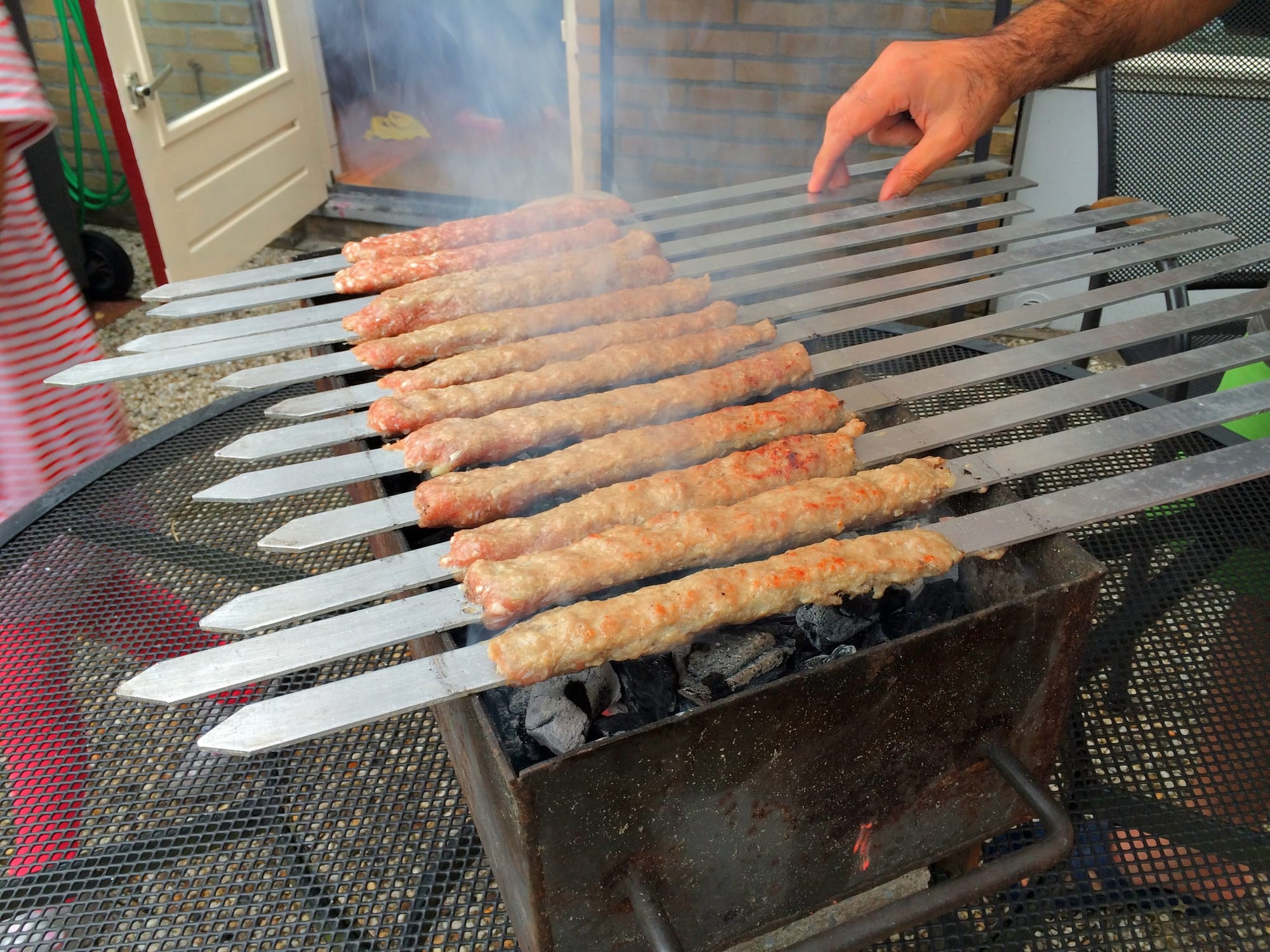
Chelow kabab, saffron-scented steamed rice served alongside grilled skewers of marinated meat, usually lamb or beef, is widely considered Iran's national dish. The two most common kebab styles are koobideh, ground and seasoned meat formed onto flat skewers, and barg, thin marinated fillets grilled whole, both traditionally served with grilled tomato and a pat of butter melted over the hot rice.
Saffron, herbs and a genuinely ancient pantry
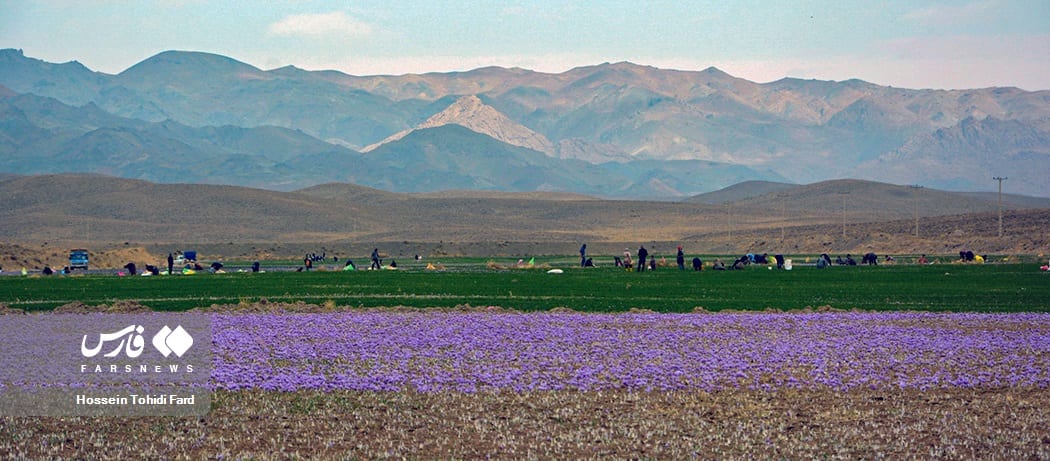
Iran produces around 90 per cent of the world's saffron, grown notably in the eastern Khorasan provinces, and the spice appears throughout Persian cooking, in rice, stews and even desserts. Fresh herbs, in generous, herb-forward dishes like ghormeh sabzi, and pomegranate, walnuts and dried limes, give Persian food a distinctive sweet-sour-herbal balance with deep roots in older Persian cooking traditions.
History and region on the plate
Persian cuisine's techniques, particularly its rice cookery, developed over centuries of imperial courts and trade along routes connecting Persia to Central Asia, the Caucasus and the wider Middle East, leaving a culinary influence still visible in the cooking of many neighbouring countries today. The Caspian north, with its own rice paddies, fish and herb-forward dishes, differs noticeably from the drier central plateau and south, where kebabs and dates play a larger role.
Dishes to know
Five more to recognise across Iran:
- Tahdig — the crisp, golden rice crust formed at the bottom of the
pot, considered a prized part of the meal rather than a byproduct.
- Ghormeh sabzi — a slow-cooked herb stew with kidney beans and dried
lime, often called Iran's most beloved khoresh (stew).
- Fesenjan — a rich stew of walnuts and pomegranate molasses, usually
with chicken or duck.
- Ash reshteh — a thick noodle soup with herbs, beans and a garnish of
fried mint and kashk (a fermented whey product).
- Abgoosht (dizi) — a slow-cooked lamb and chickpea stew, traditionally
mashed and eaten in two stages, broth first, then the solids.
Drinks
Chai, black tea served in small glasses, often with a sugar cube placed in the mouth rather than stirred in, is a central part of Iranian daily life and hospitality. Doogh, a savoury, salted yoghurt drink, is a traditional accompaniment to meals. Alcohol has been prohibited since the 1979 revolution, with limited exceptions for recognised non-Muslim minorities.
Eating as a traveller
Vegetarians will find rice, herb stews and dairy-based dishes manageable, though meat is central to many classic Persian dishes. Since 28 February 2026 Iran has been at war with the United States and Israel, and foreign governments advise against all travel; these notes describe the cuisine rather than encourage a visit. Bottled water is the safer choice. Guests being offered tea and urged to eat more is a genuine part of Iranian hospitality (taarof), in which an offer is customarily declined politely, often more than once, before it is accepted.
What to take from the table
Chelow kabab, rice and grilled meat served together with real technique behind both, is the dish that best represents Iranian food — and a well-made tahdig, golden and crisp, is often the part of the meal Iranians themselves look forward to most.