Food · Israel
Israel: Food and the National Dish
Eggs gently poached in a spiced tomato sauce, a market culture built on fresh produce, and a table shaped by Jewish immigrants from dozens of different countries
By Globeway Editorial · 30 September 2026
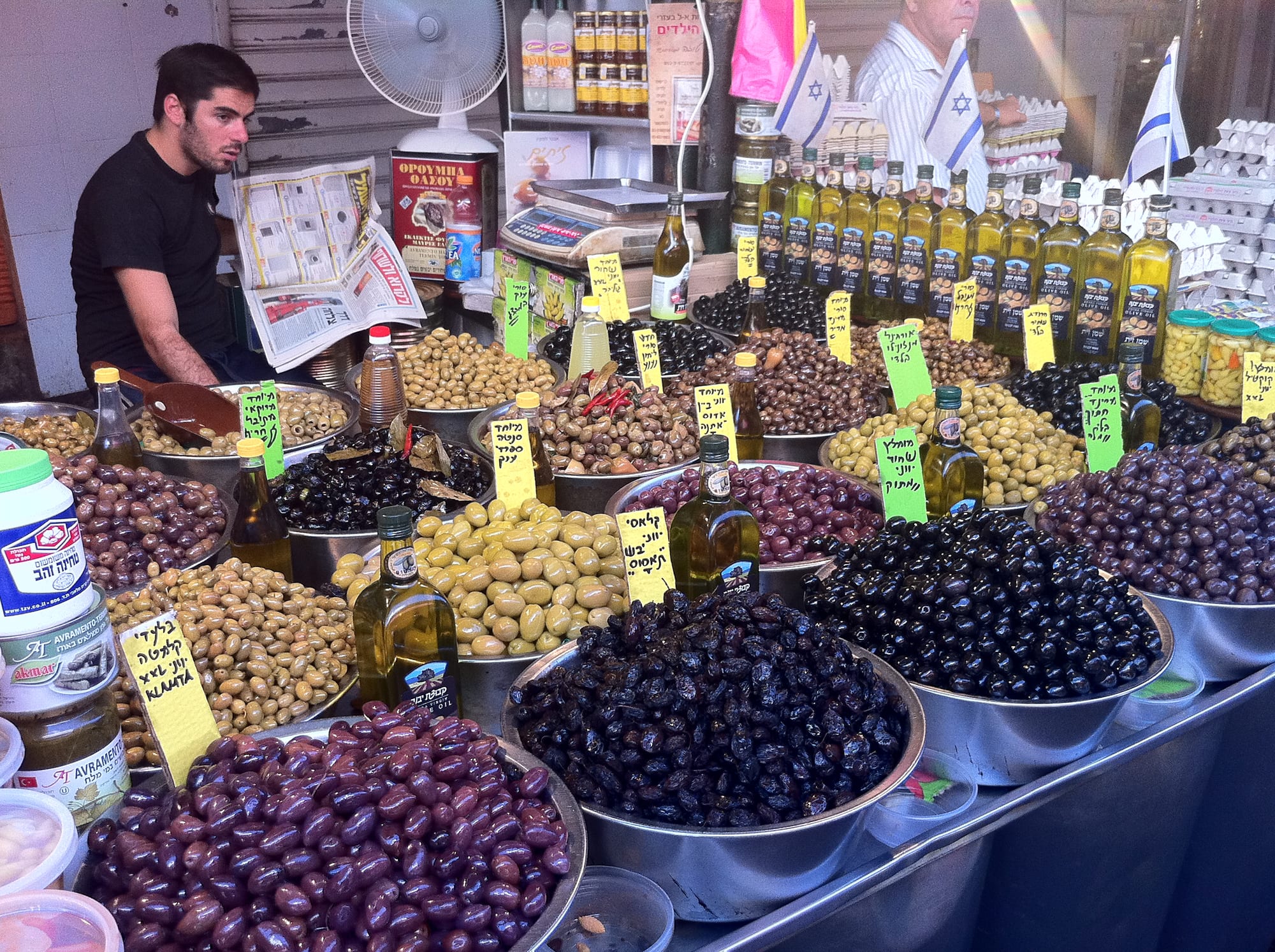
A table built from many diasporas at once
Israeli food reflects the country's modern settlement by Jewish immigrants from dozens of different countries, each bringing their own culinary tradition: Mizrahi and Sephardi cooking from the Middle East and North Africa, Ashkenazi cooking from Eastern Europe, and more besides. Layered onto that is the broader Levantine food culture of the wider region, shared with neighbouring countries and Palestinian communities rather than unique to any one of them.
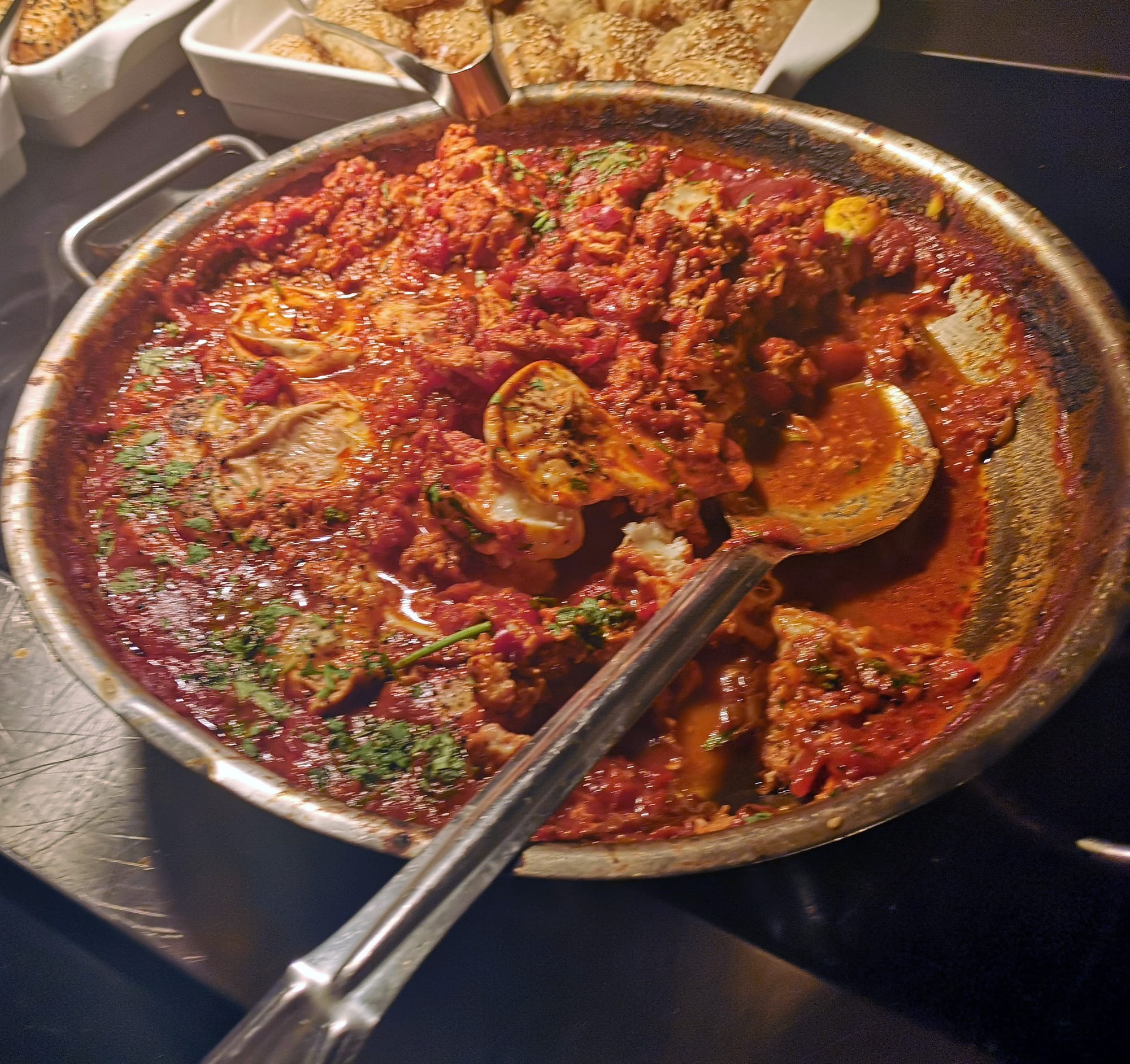
Widely eaten: shakshuka
Shakshuka, eggs gently poached in a spiced tomato and pepper sauce, is one of the most commonly cited everyday Israeli dishes, eaten for breakfast, lunch or dinner alike. A Maghrebi dish, it was brought to Israel by North African Jewish immigrants in the 1950s and has since become a genuine national comfort food, appearing on café menus and home tables across the country. Israel has no universally recognised national dish; falafel and hummus are often described as such in Israel, a designation Palestinians and other Arabs have criticised.
Hummus, falafel and a shared regional pantry
Hummus, chickpeas blended with tahini, lemon and garlic, and falafel, deep-fried chickpea or fava bean patties, are eaten constantly across Israel, though both are shared Middle Eastern foods with roots across the wider Arab world (falafel most likely originated in Egypt), not dishes unique to Israel alone. Fresh vegetables, olive oil, tahini, and a genuinely wide range of Middle Eastern spices anchor most everyday Israeli cooking regardless of which diaspora tradition a particular dish comes from.
History behind the table
Israeli cuisine's modern identity formed largely in the 20th century, as Jewish immigrants arrived from Europe, North Africa, the Middle East and elsewhere and brought their home cooking with them, gradually blending into a shared Israeli food culture built on local Levantine ingredients. That layered, immigrant-driven history is part of why Israeli food includes both Eastern European dishes like matzo ball soup and North African dishes like shakshuka side by side.
Dishes to know
Five more to recognise across Israel:
- Hummus — chickpeas blended with tahini, lemon and garlic, eaten
constantly as a spread, dip and meal base.
- Falafel — deep-fried chickpea or fava bean patties, a widely eaten
street food.
- Sabich — a pita sandwich of fried aubergine, boiled egg and salads,
associated with Iraqi Jewish cuisine.
- Israeli salad — finely chopped tomato, cucumber and onion, a simple
everyday side dish also known in Israel as salat aravi ("Arab salad").
- Matzo ball soup — a chicken broth with dumplings made from matzo
meal, an Ashkenazi Jewish dish.
Drinks
Coffee, particularly strong Turkish-style coffee, is a genuine daily habit, and Israeli wine, produced in growing regions across the country, has developed a real international reputation in recent decades. Fresh orange juice is a familiar part of the Israeli breakfast table.
Eating as a traveller
Vegetarians and vegans eat exceptionally well in Israel, thanks to the strong hummus, falafel and vegetable-forward Levantine cooking tradition. Tap water is generally safe to drink. Kosher dietary laws (kashrut) shape many restaurant menus, and Shabbat, from Friday evening to Saturday evening, affects which places are open. Since 28 February 2026 Israel has been at war with Iran, and fighting with Hezbollah resumed in March 2026; governments advise against all travel to Gaza and its surroundings and give specific warnings for other areas.
What to take from the table
Shakshuka, a Maghrebi dish that became an Israeli everyday favourite, is a good place to start — but hummus and falafel, eaten everywhere and shared honestly with the wider region, show how much Israeli food sits within a larger Levantine story.