Food · Jordan
Jordan: Food and the National Dish
Lamb simmered in a tangy dried yoghurt sauce, served over rice at gatherings large enough for the whole extended family, and eaten by hand according to genuine tradition
By Globeway Editorial · 30 September 2026
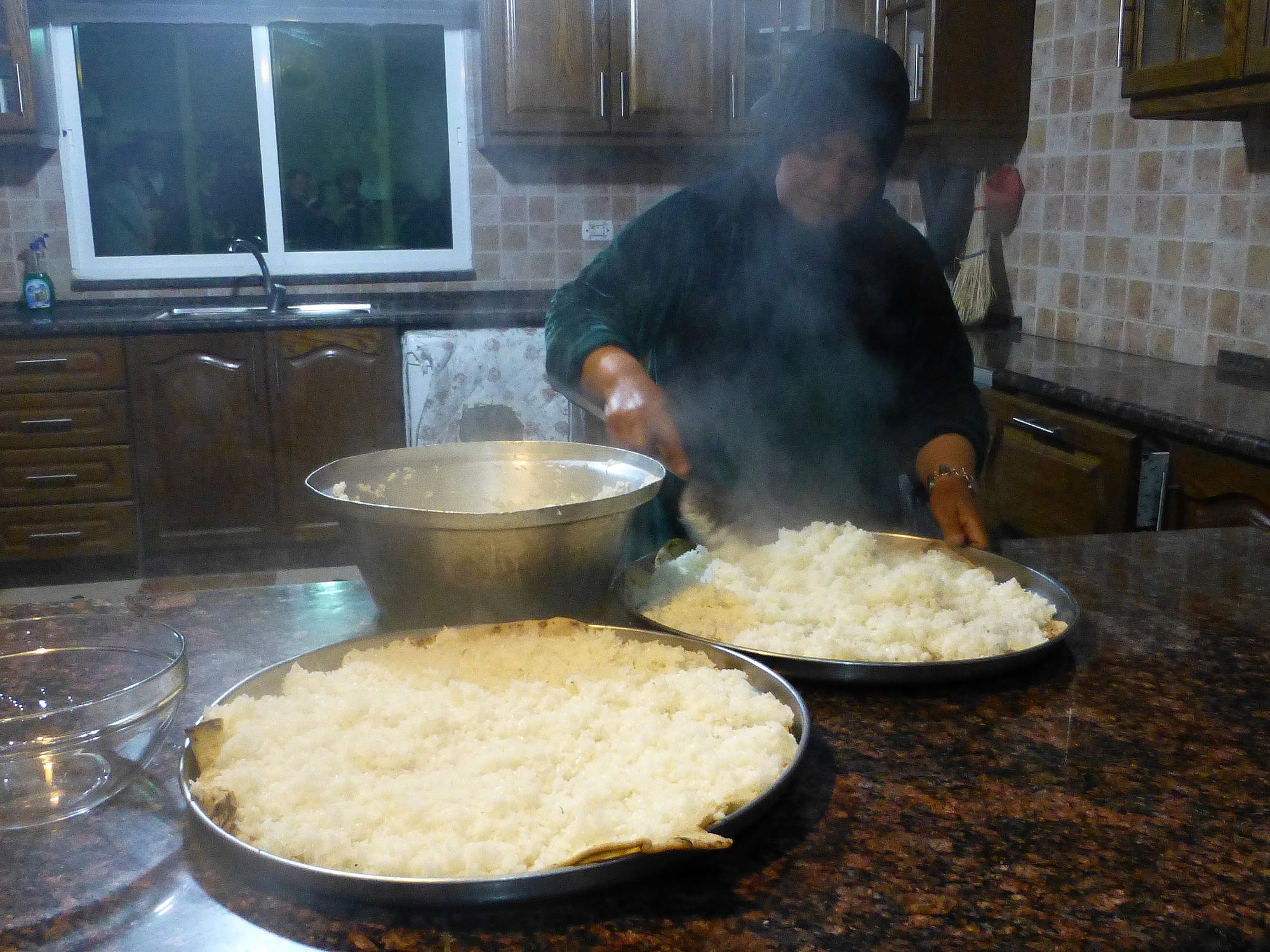
Hospitality built directly into the meal
Jordanian food carries Bedouin tradition at its core, shaped by desert and rural life where hospitality and generosity toward guests are treated as genuine moral obligations, not just social nicety. That value shows up directly on the table: meals are often communal, generously portioned, and built around sharing rather than individual plates.
The national dish: mansaf
Mansaf, lamb cooked in a tangy sauce made from jameed, dried and fermented yoghurt, served over a bed of rice and flatbread and garnished with toasted nuts, is Jordan's national dish and carries genuine cultural weight beyond just being a favourite meal. Traditionally eaten by hand, gathered around a large shared platter, mansaf is served at weddings, funerals, and family gatherings alike, treated as a dish that marks significant occasions rather than an everyday meal.
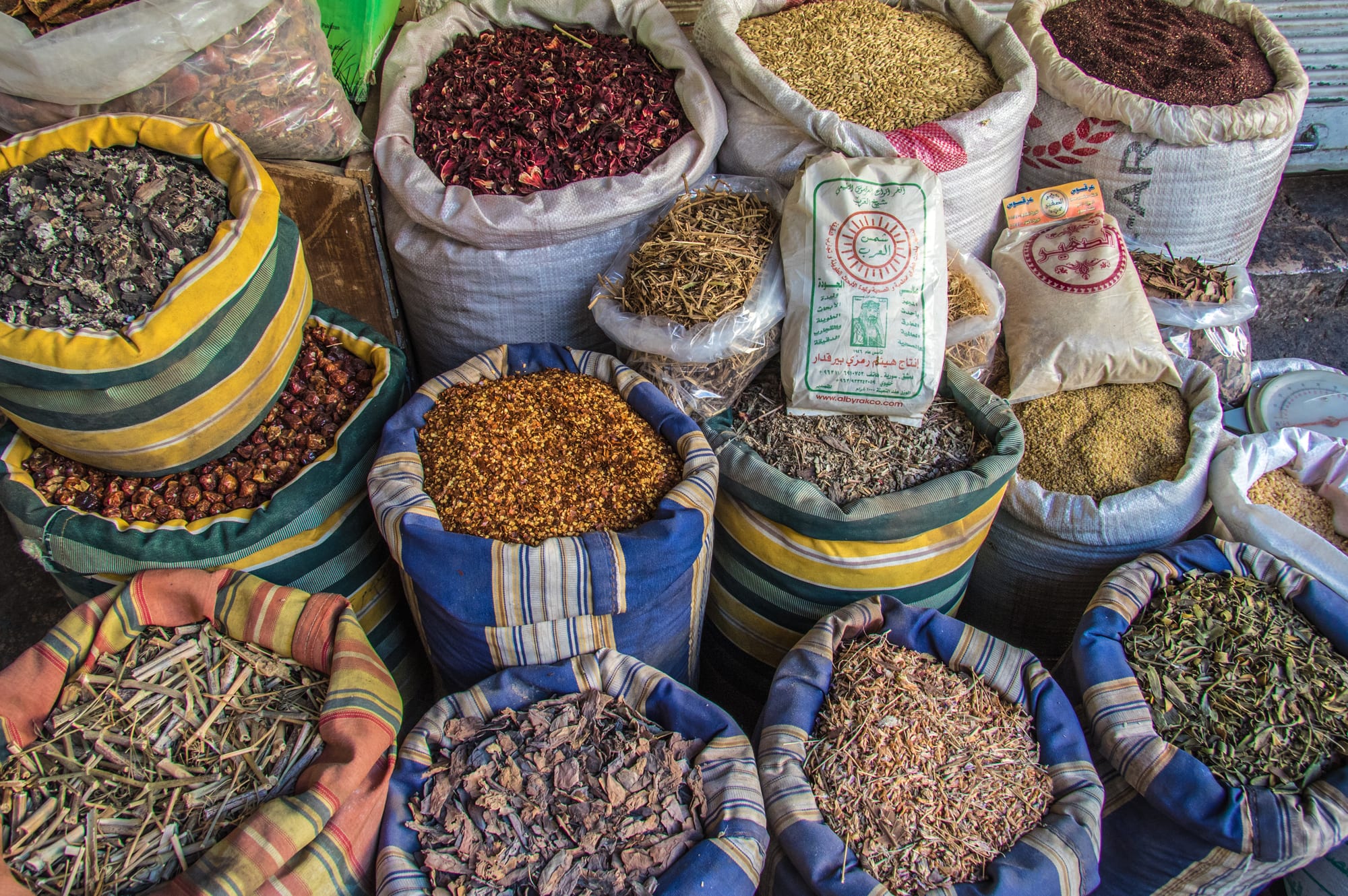
Jameed, olive oil and the Levantine pantry
Jameed, the dried, salted yoghurt ball that gives mansaf its distinctive tang, is made by fermenting and drying yoghurt until it can be stored for months, a preservation technique with deep roots in pastoral life across the region. Olive oil, fresh herbs, chickpeas and flatbread round out the everyday Jordanian table, shared closely with the wider Levantine food culture of neighbouring countries.
History behind the dish
Mansaf's roots trace to Bedouin communities in what is now Jordan, but the dish took its modern form only in the 20th century: bulgur and bread gave way to white rice from the 1920s onwards, and a cooked jameed sauce became standard as Bedouin communities settled. Today it is served at the most significant communal occasions. That Bedouin hospitality tradition remains genuinely central to how Jordanians think about food today, not a historical footnote.
Dishes to know
Five more to recognise across Jordan:
- Maqluba — a layered rice, meat and vegetable dish, flipped upside
down onto a platter before serving.
- Musakhan — roasted chicken with sumac, onions and pine nuts, served
over taboon flatbread; Palestinian in origin and popular in Jordan.
- Falafel — deep-fried chickpea patties, a widely eaten street food
shared across the Levant.
- Hummus — chickpeas blended with tahini, lemon and garlic, eaten as a
spread and dip nationwide.
- Knafeh — a sweet, cheese-filled pastry soaked in syrup, popular
across the Levant and often associated specifically with Nablus-style preparation.
Drinks
Arabic coffee, spiced with cardamom and served in small cups as a mark of hospitality, is central to Jordanian social life, often poured for guests as a first gesture of welcome. Mint tea and fresh fruit juices are common everyday drinks, and alcohol is less prevalent given the country's predominantly Muslim population, though available in parts of Amman and tourist areas.
Eating as a traveller
Vegetarians will find hummus, falafel and vegetable-based mezze manageable, though meat is central to most significant traditional dishes including mansaf itself. Jordan is among the most water-scarce countries in the world, and bottled water is the usual choice for visitors. If offered mansaf at a gathering, eating at least a little with the right hand, in the traditional style, is a genuine mark of respect for the hospitality being offered.
What to take from the table
Mansaf, built on jameed and shared from one large platter, is the dish that most directly carries Jordan's Bedouin hospitality tradition onto the table — proof that a national dish can be as much about how it's eaten as what's in it.