Food · Kuwait
Kuwait: Food and the National Dish
Spiced rice slow-cooked with meat or fish, a dish shared across the Gulf but claimed with real pride in Kuwait, built on a historic trading port's centuries of maritime connections
By Worldlore Editorial · 30 September 2026
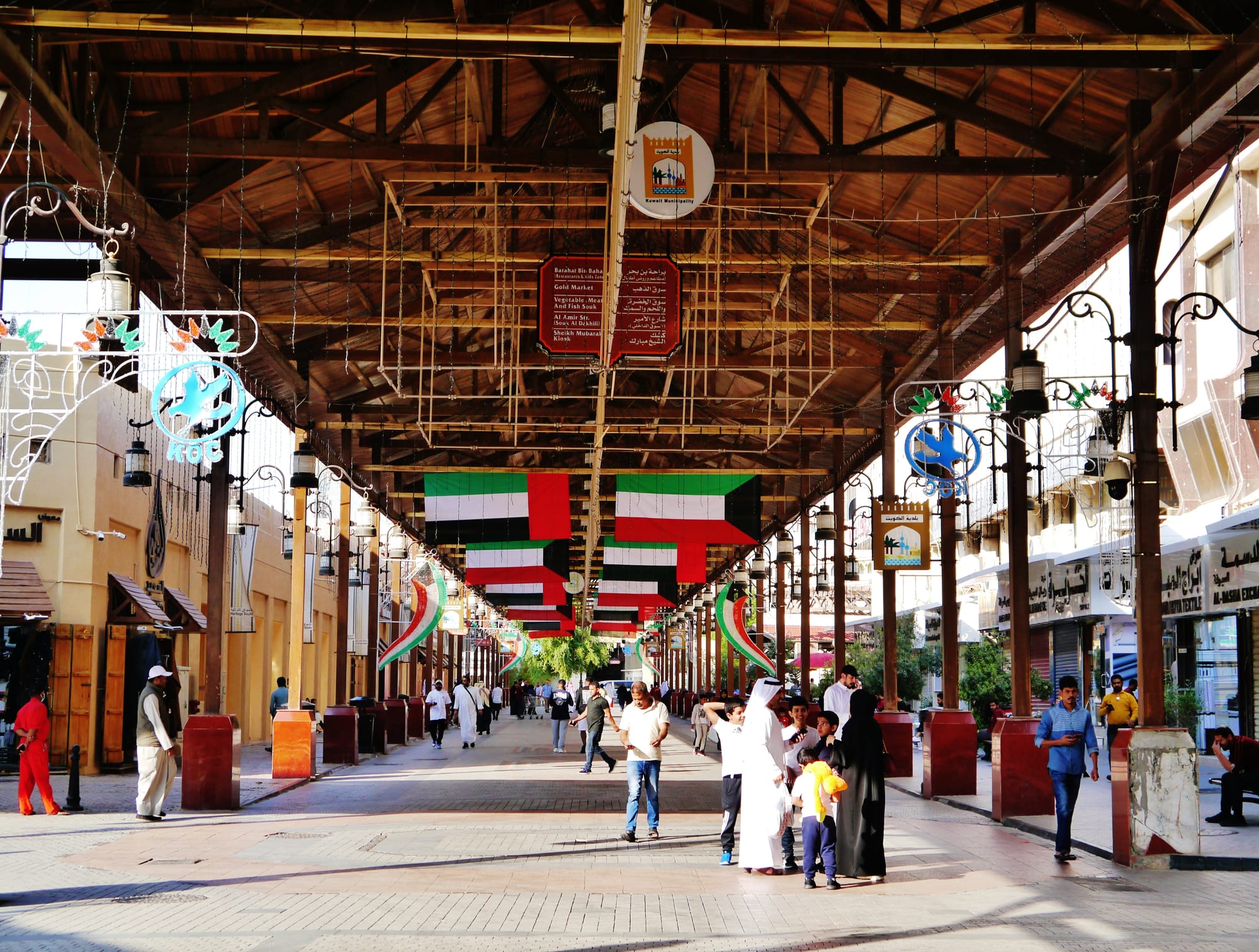
A trading port's cuisine, built on the sea
Kuwait's food reflects its history as a major Gulf trading port, with spices, rice and cooking techniques arriving over centuries via maritime trade routes connecting the Arabian Peninsula to India, Persia and East Africa. Seafood, dates and richly spiced rice dishes, shared closely with Kuwait's Gulf neighbours, form the backbone of the everyday table.
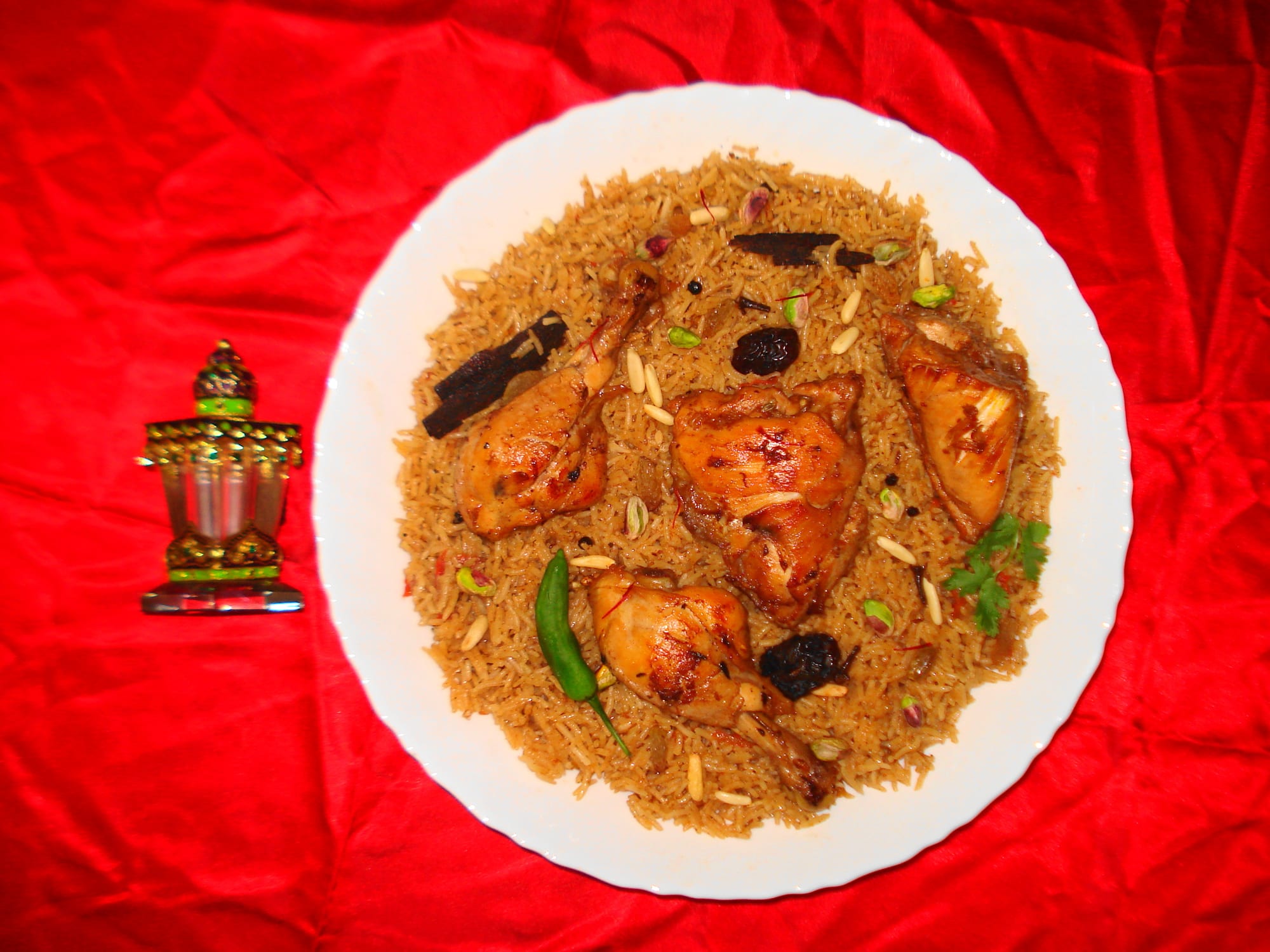
The national dish: machboos
Machboos, rice slow-cooked with meat, chicken or fish and a distinctive blend of warming spices, is widely regarded as Kuwait's national dish, though the same dish, sometimes called majboos, is claimed with equal pride across the Gulf states, where the same rice dish, known as kabsa in Saudi Arabia, is commonly regarded as a national dish. Kuwaiti machboos is usually made with basmati rice cooked in a well-spiced chicken or mutton broth, and mutabbaq samak, fish served over rice, is also often named as a Kuwaiti national dish.
Dates, seafood and the Gulf pantry
Dates, grown and traded across the Arabian Peninsula for millennia, remain a genuine daily staple in Kuwait, alongside fresh Gulf seafood and a spice cabinet that includes saffron, cardamom and dried lime. Kuwait's historic pearl-diving industry, once central to the country's economy before oil, also helped shape a maritime culture in which fish remain central to the table.
History behind the spice trade
From the late 18th century Kuwait grew into a major Gulf trading port and boat-building centre, its ships carrying goods between the Arabian Peninsula, Iraq, India, Persia and East Africa long before the discovery of oil in 1938 transformed the country's economy. That trading history is why Kuwaiti food carries flavours and techniques recognisable from across the wider Indian Ocean trading world, not just from within the Arabian Peninsula itself.
Dishes to know
Five more to recognise across Kuwait:
- Gabout — stuffed flour dumplings cooked in a thick meat stew.
- Mutabbaq samak — fish served over rice cooked in a well-spiced fish
stock, a Kuwaiti seafood speciality.
- Harees — wheat slow-cooked with meat and then mashed, especially eaten
during Ramadan.
- Murabyan — rice cooked with fresh or dried shrimp.
- Dates — eaten fresh or dried, a genuine daily staple rather than an
occasional treat.
Drinks
Arabic coffee, spiced with cardamom and served in small cups as a mark of hospitality, is central to Kuwaiti social life, traditionally poured for guests as a first welcoming gesture. Karak tea, strong and sweet with milk and spices, reflects South Asian influence carried by trade and remains a widely loved everyday drink. The production, sale and consumption of alcohol are banned in Kuwait.
Eating as a traveller
Vegetarians will find rice, vegetable and legume dishes manageable, though meat and fish are central to most traditional Kuwaiti cooking. Bottled water is the common local choice. Since February 2026 Kuwait has been drawn into the wider Iran war and its airspace has been closed, so current travel advice should be checked before any visit. Visiting Souq al-Mubarakeya, one of Kuwait's oldest markets, where dates, honey, spices, fish and sweets are still sold, is a good way to see the produce that shapes Kuwaiti cooking today.
What to take from the table
Machboos, rich with spice and shared proudly across the Gulf, is the dish that best represents Kuwaiti food — and the dates and spices sold in Kuwait's old souq are a direct, edible link to the trading history that built the country long before oil did.