Attractions & Natural Wonders · Malawi
Malawi: Seven Attractions and Natural Wonders
The 'Warm Heart of Africa' — a freshwater sea with more fish species than any lake on earth, a wildlife park restocked after years of poaching, and a jagged massif rising straight off the plain
By Worldlore Editorial · 30 September 2026
A lake shaped like a country
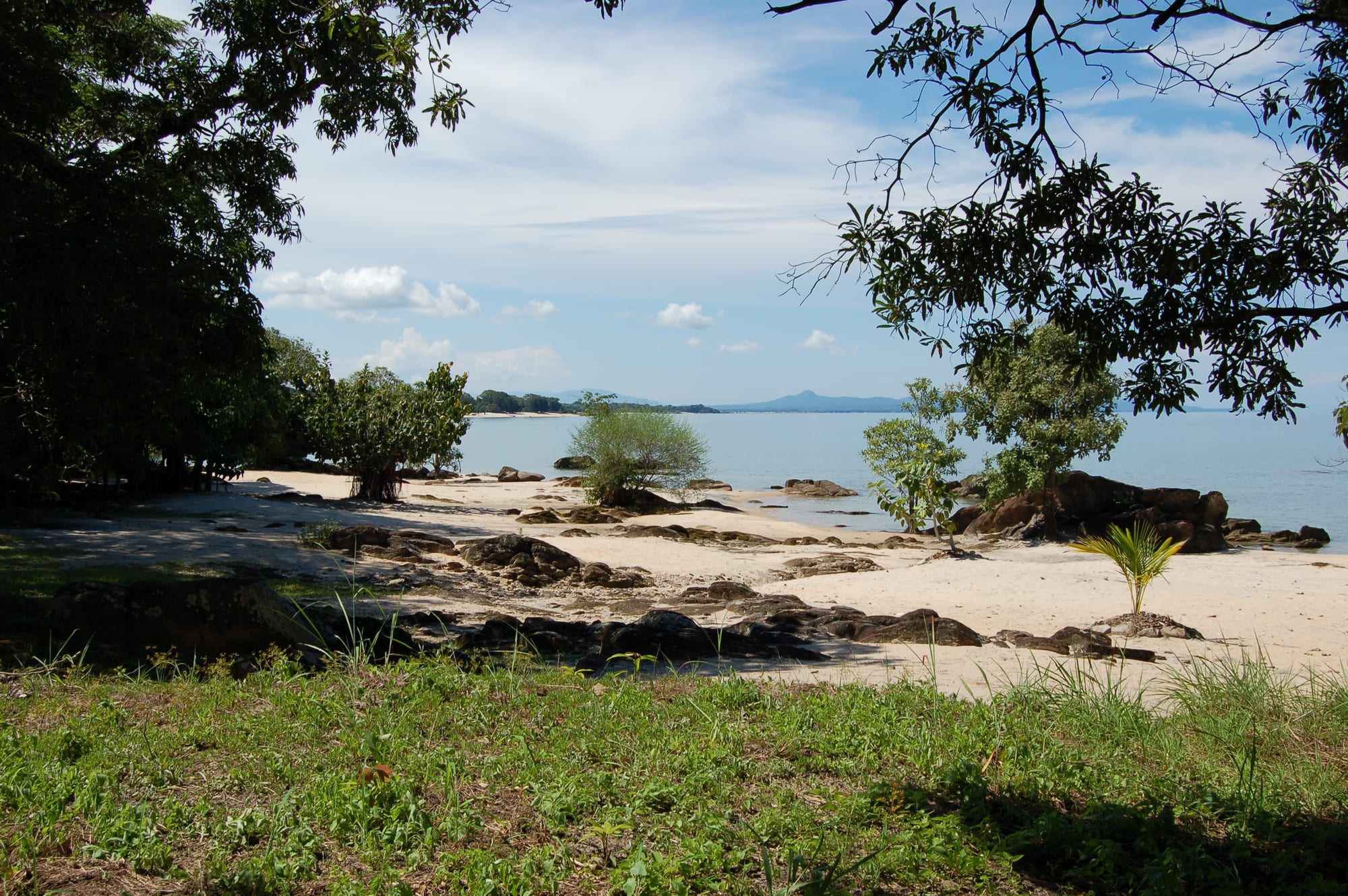
Malawi, a long, narrow country in southeastern Africa, is dominated by the lake that shares its name — one arm of the Great Rift Valley, stretching along much of the length of the country and covering a large share of its area. Landlocked, with about 22 million people and few mineral resources, it has long branded itself the "Warm Heart of Africa" for the welcome visitors receive, and it packs a lake, mountains, and wildlife parks into a country smaller than England.
The seven below run from the lake into the highlands and the capital. The dry season (May to October) is best for wildlife and hiking; the lake is swimmable and diveable year-round, its surface typically 24–29 °C.
1. Cape Maclear and Lake Malawi National Park
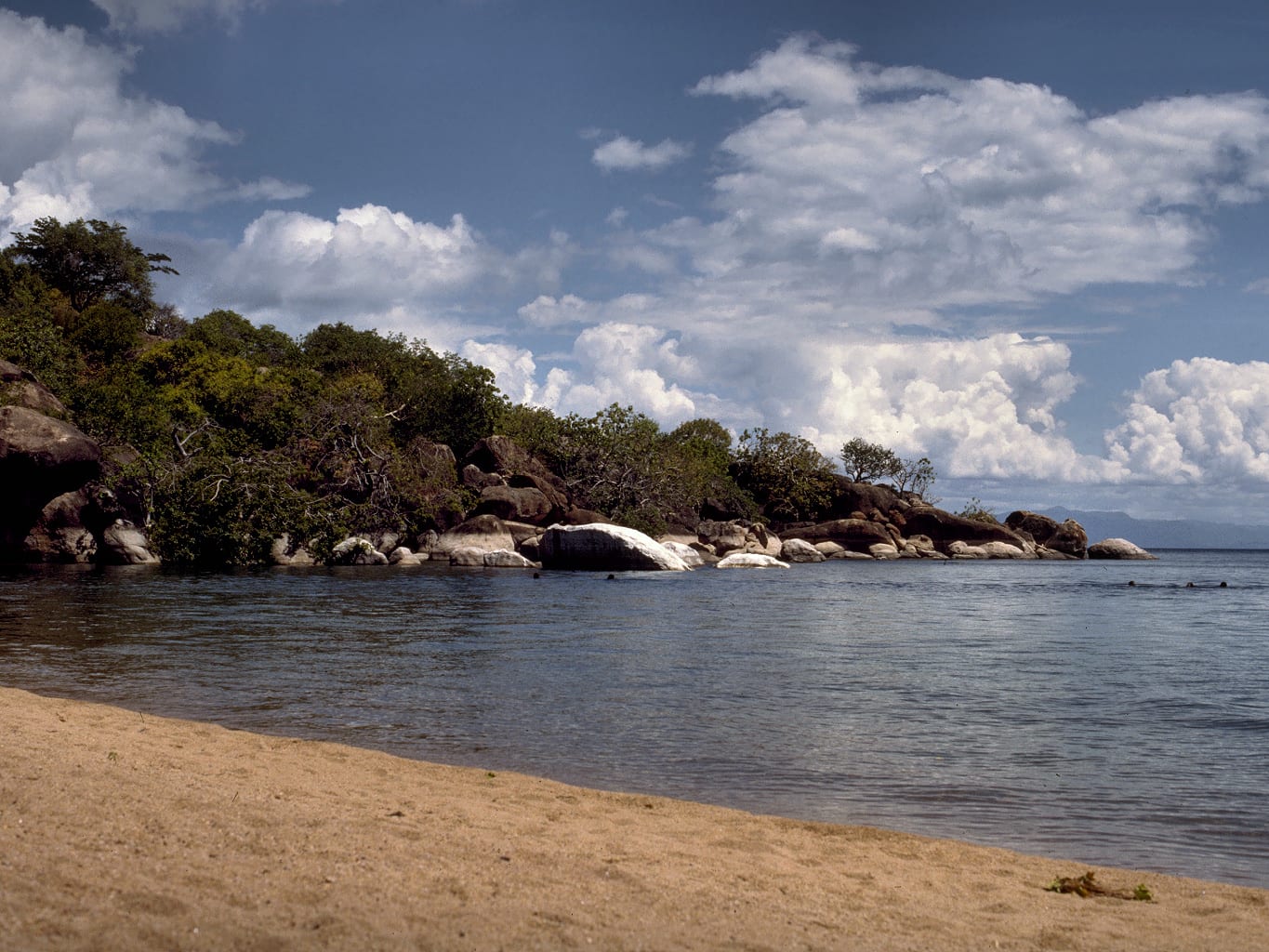
Cape Maclear, on a peninsula at the southern end of the lake, is Malawi's best-known lake resort — clear, warm, freshwater bays backed by hills, with budget lodges and diving schools lining the shore. It sits within Lake Malawi National Park, a UNESCO World Heritage Site protecting the lake's extraordinary fish diversity and the small rocky islands offshore, reached by kayak or boat.
Malaria and bilharzia (schistosomiasis) precautions are worth taking seriously around the lake; ask locally about current safe swimming spots.
2. Snorkelling and diving the cichlids
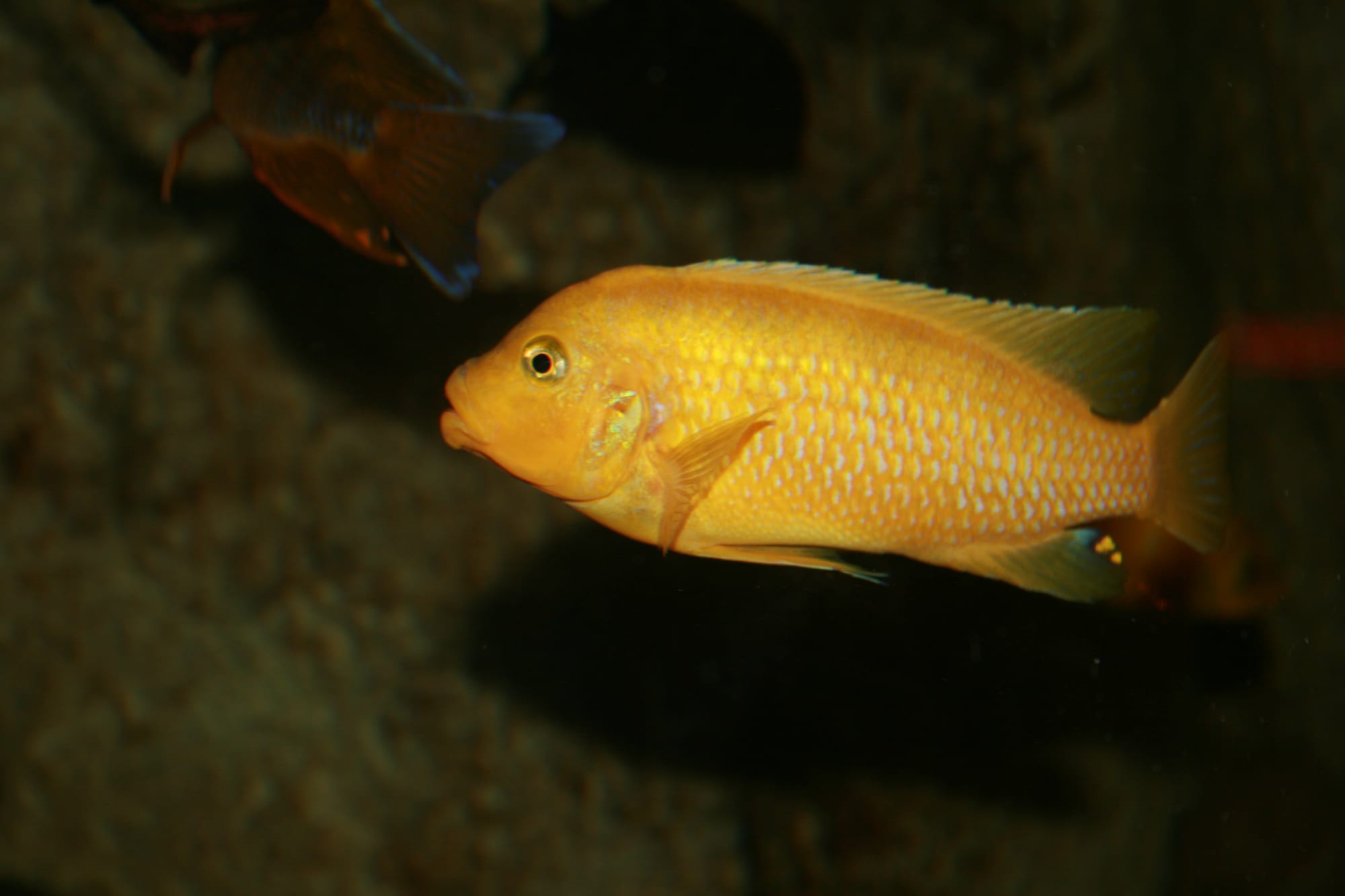
Lake Malawi's rocky shallows hold the richest concentration of fish species of any lake in the world — several hundred species of small, often brilliantly coloured cichlids, most found nowhere else, that evolved through rapid speciation in the lake's isolated rocky habitats. Snorkelling straight off the beach at Cape Maclear or Nkhata Bay brings swimmers among them with none of the infrastructure a coral reef would need.
Aquarium keepers worldwide know these fish well; seeing them wild, in the lake that gave rise to them, is the real thing.
3. Liwonde National Park
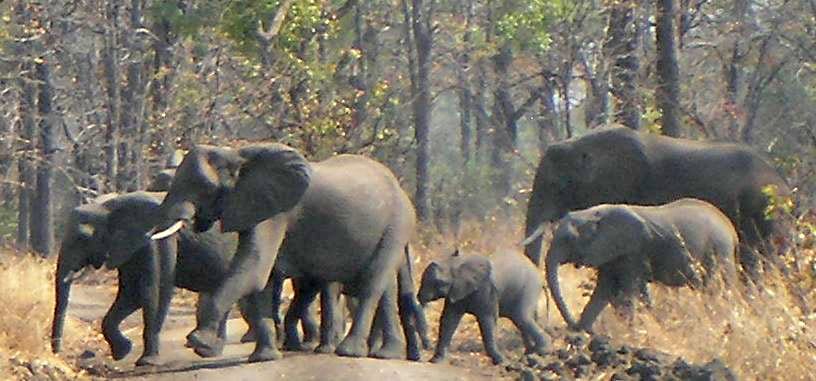
Liwonde, along the Shire river, is Malawi's premier wildlife park and a conservation turnaround story: after years of heavy poaching, African Parks took over its management in 2015, fenced it, and brought in cheetahs (2017), lions (2018) and more black rhino (2019); a 2020 survey counted about 600 elephants and 2,500 hippos. Boat safaris on the river add hippo and crocodile close-ups.
It lies on the Shire just south of Lake Malawi and is a common add-on to a lake trip.
4. Mount Mulanje
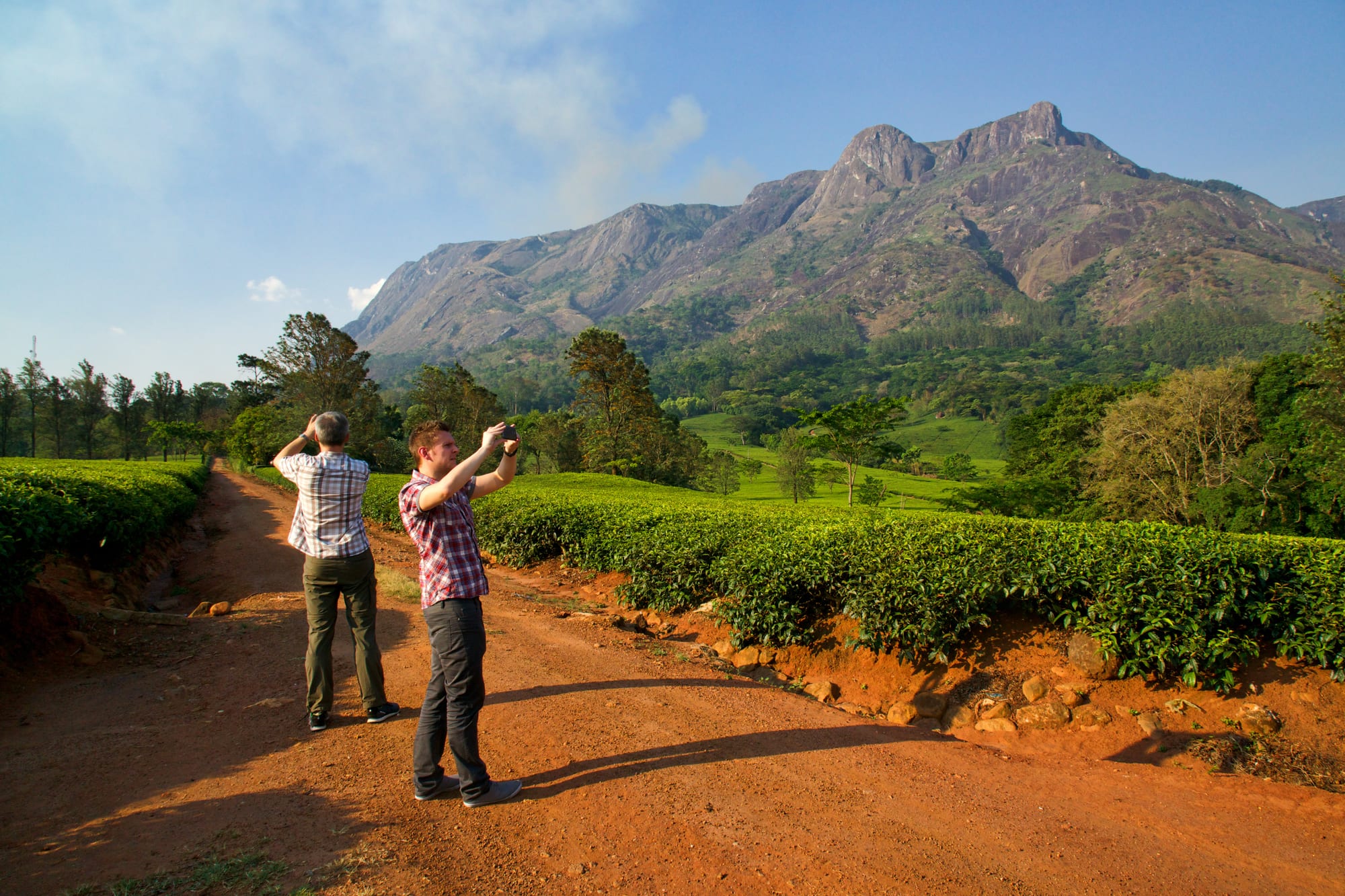
Mount Mulanje, in the south, is often described as a "mountain island" — a huge massif rising abruptly to Sapitwa Peak (3,002 m), the highest point in Malawi, and a UNESCO World Heritage Site since 2025. Its sheltered high hollows hold the endemic, endangered Mulanje cedar; hiking huts allow multi-day treks across the plateau between peaks, with tea estates at its base.
It is a serious trekking destination, best arranged with a local guide.
5. The Zomba Plateau
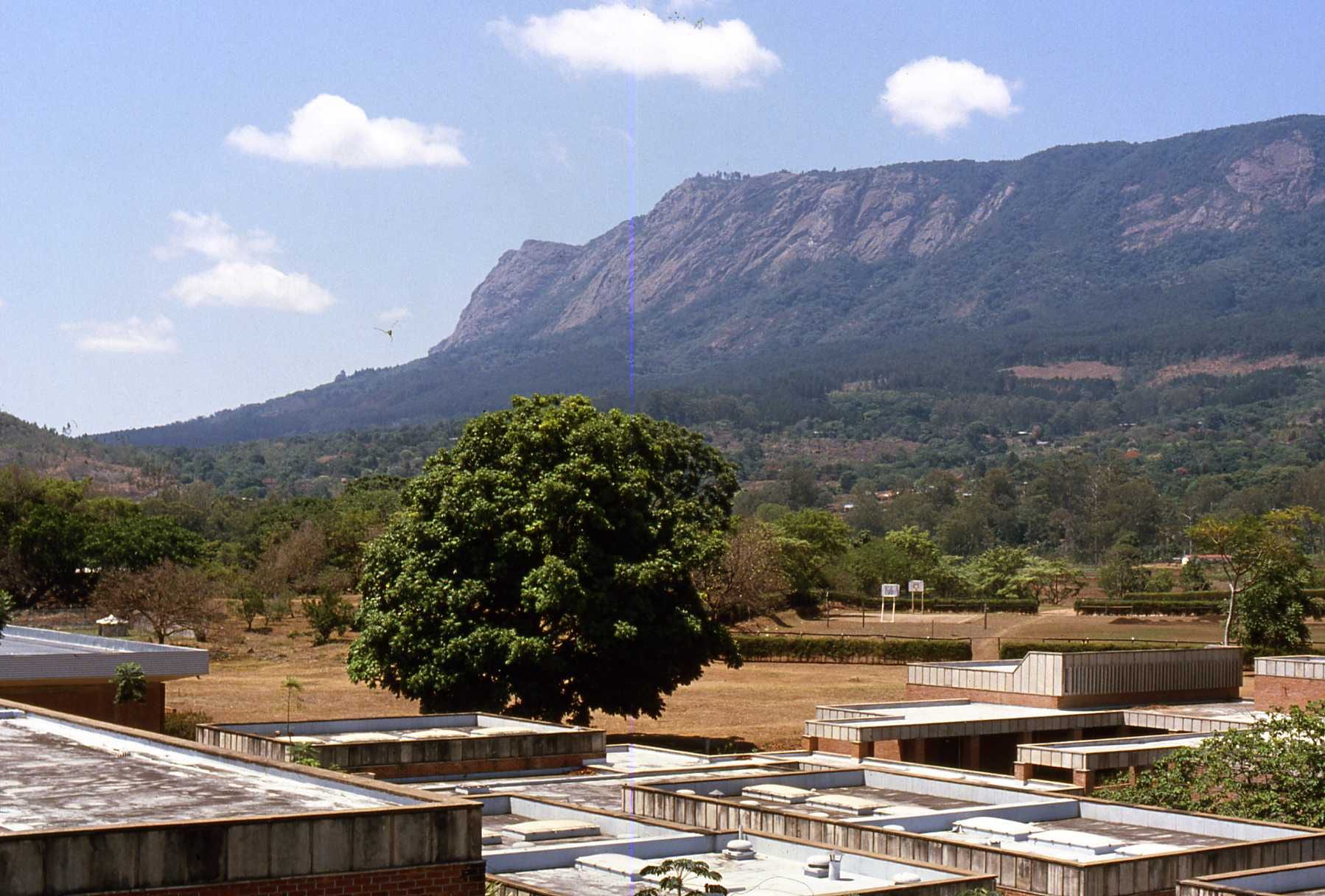
The Zomba Plateau, above the former colonial capital of Zomba, is a cool, forested tableland of pine plantations, streams, and a reservoir dam, with viewpoints looking out over the lowlands below. It is the region's major tourist attraction and a favourite escape from the lowland heat, with hiking trails.
Zomba town below has colonial-era buildings from its time as capital, before the government moved to Lilongwe.
6. Lilongwe
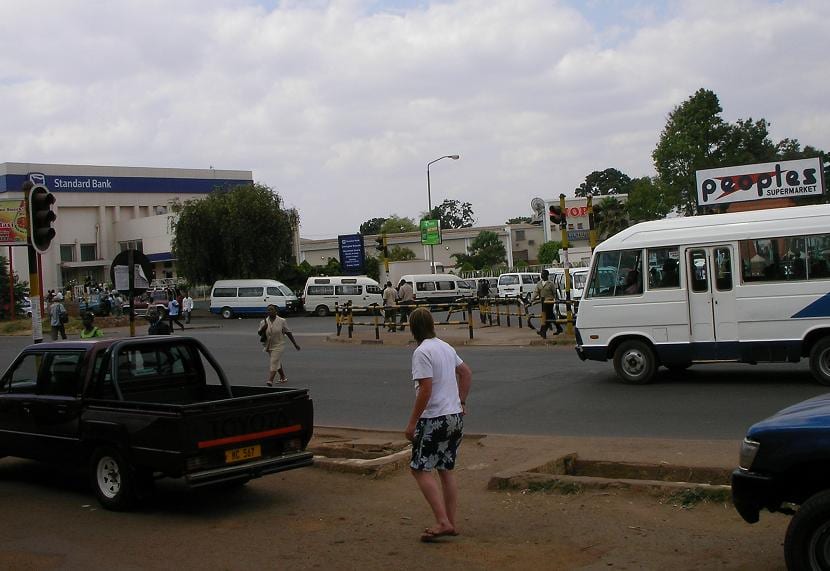
Lilongwe, the capital since 1975, is a spread-out, low-key planned city split between the old commercial "Old Town" and the newer government "City Centre" district. It is more a transit hub than a destination in itself, though the Lilongwe Wildlife Centre, a sanctuary known for its animal rescue work, is worth a stop.
Its international airport makes it the usual gateway to the country.
7. The wider lakeshore
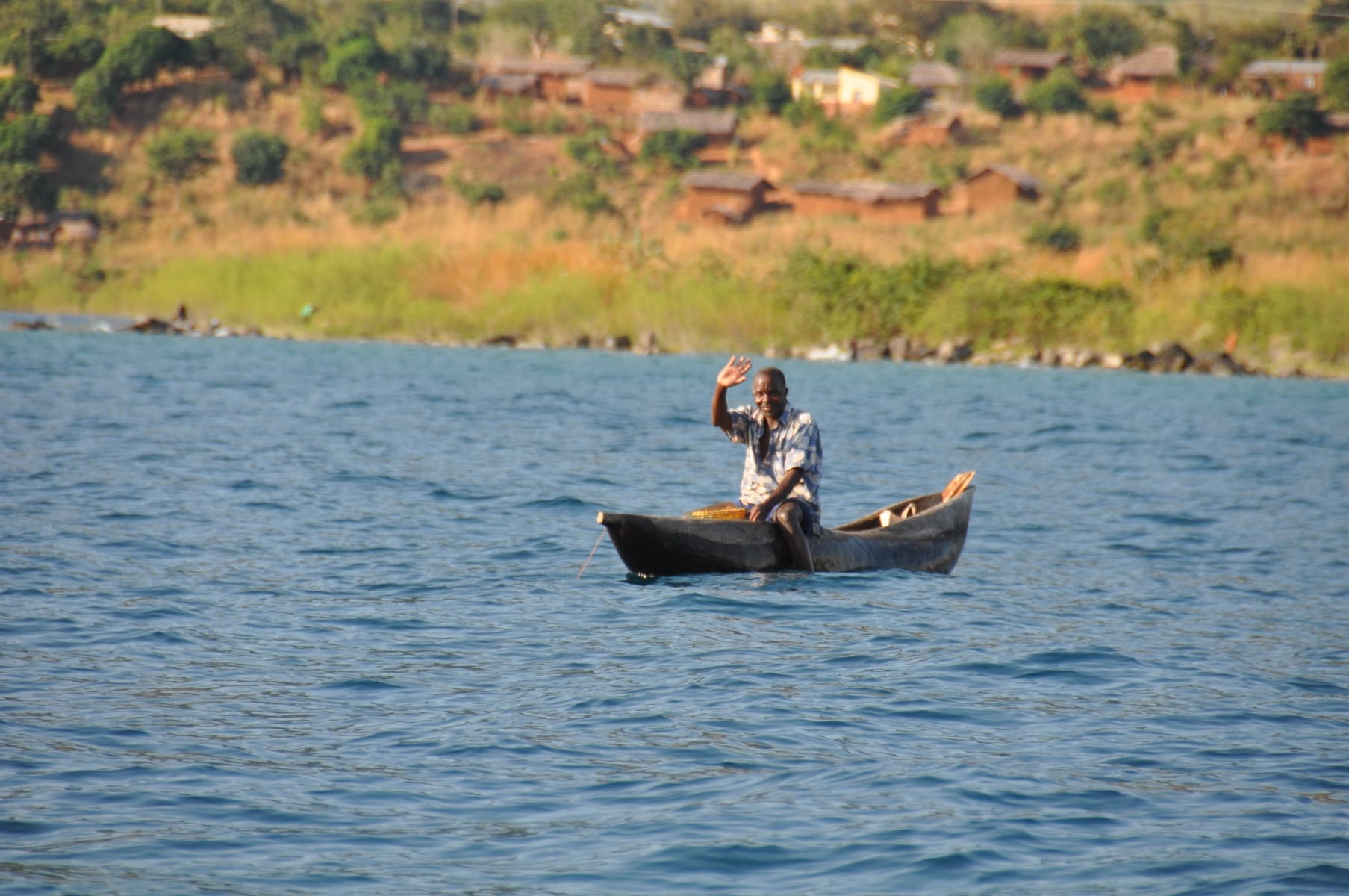
Beyond Cape Maclear, the lake has other bases worth knowing: Nkhata Bay in the north, a laid-back backpacker hub with good diving and boat trips to Likoma Island (technically closer to Mozambique's shore than Malawi's, with a surprising Anglican cathedral); and Senga Bay and Monkey Bay further south. Fishing villages line much of the shore, dugout canoes still a common sight at dawn and dusk.
A lake cruise on the historic Ilala ferry, which has served remote shoreline communities for decades, is a slow but memorable way to see it.
Malawi is compact enough for a two-week trip combining the lake, Liwonde, and Mulanje. Roads are reasonable on main routes; a lake-and-parks itinerary is the common shape of a first visit.