Food · Mali
Mali: Food and the National Dish
A peanut-based stew often credited to the Bambara people, from a Sahel nation whose Niger River and millet fields shape nearly everything on the table
By Globeway Editorial · 30 September 2026
A Sahel cuisine shaped by the Niger River
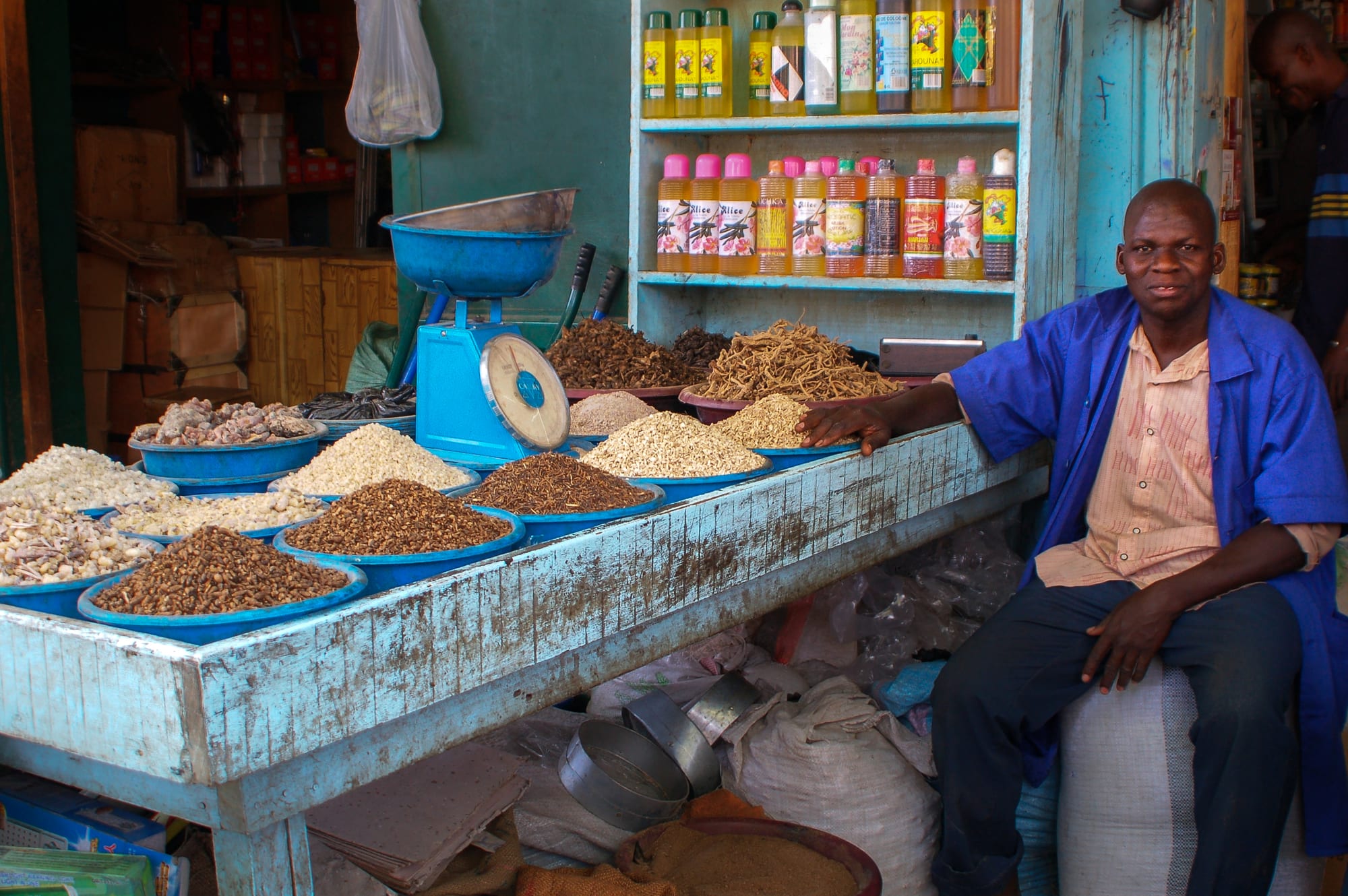
Mali's food reflects a genuinely Sahelian environment, dry grassland and desert edge cut through by the Niger River, whose banks support rice farming that would otherwise be impossible in much of the country. Millet, sorghum, rice and a strong peanut-based sauce tradition anchor Malian cooking, carried by Bambara, Dogon, Tuareg and other ethnic groups.
The national dish: tigadèguèna
Tigadèguèna, a rich stew of meat simmered in a thick peanut sauce with vegetables and served over rice, is widely regarded as Mali's national dish and is credited to the Mandinka and Bambara peoples, from whose language the dish's name derives. It is closely related to maafe, the peanut stew eaten across West Africa and usually traced to Senegal; the histories of the two dishes are often confused, and both are now shared across the region.
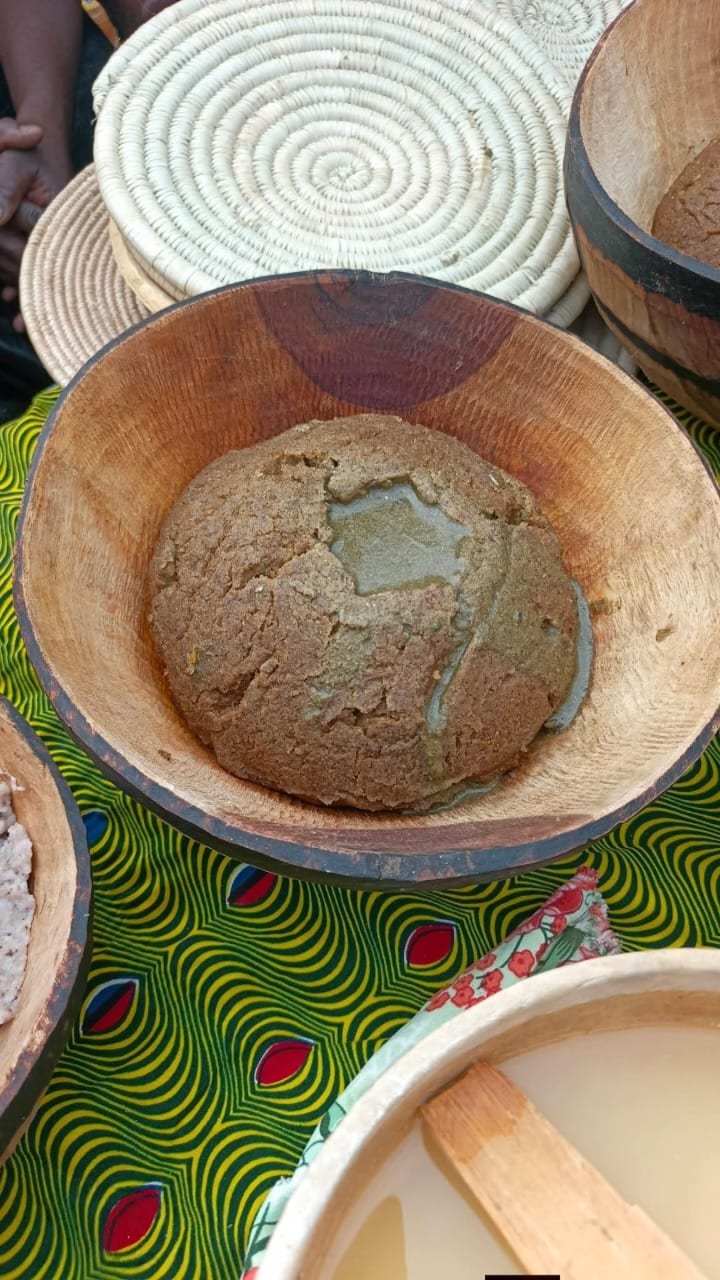
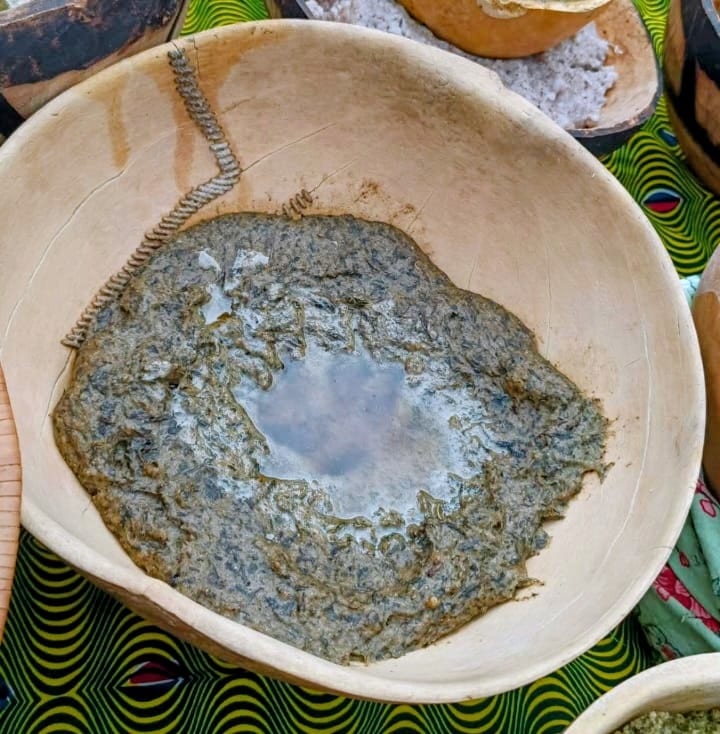
Tigadèguèna is described here in text rather than shown — but two other Malian staples, tô and one of its accompanying sauces, are pictured below.
Millet, rice and the Sahel pantry
Millet and sorghum, pounded by hand into flour using large wooden pestles in many rural communities, remain foundational Sahelian staples across much of Mali. Rice is grown in irrigated fields along the river itself, notably in the large Office du Niger scheme in the Ségou Region, and peanuts, alongside okra and leafy greens, provide much of the flavour base for Malian sauces.
History behind the dish
Mali's food history reflects its position at the centre of several historic West African empires, including the Mali Empire itself, whose trade routes across the Sahara moved salt, gold and food staples for centuries. That deep historical role as a trading and cultural centre is one reason Malian food shares so much with its neighbours, and why peanut stews like tigadèguèna have relatives across the wider West African region.
Dishes to know
Five more to recognise across Mali:
- Riz gras — a rich, tomato-based rice dish cooked with meat or fish,
shared across much of West Africa.
- Fakoye — lamb cooked in a herb sauce.
- Tô — a firm millet or sorghum paste, eaten with a leaf or peanut
sauce.
- Dégué — sweet millet granules mixed with milk or yoghurt, known
elsewhere in West Africa as thiakry.
- Poulet yassa — chicken marinated in lemon, onion and mustard,
originally from Senegal and now popular across West Africa.
Drinks
Bissap, a tart red drink made from dried hibiscus flowers, and gingembre, a spiced ginger drink, are popular refreshments across West Africa, Mali included. Green tea with mint and sugar, brewed strong and served in several rounds in a custom shared with Senegal, Guinea, the Gambia and Mauritania, is a social ritual rather than a quick drink.
Eating as a traveller
Vegetarians will find millet, rice and vegetable-based sauces manageable, though meat and fish are common in most traditional main dishes. Tap water is not reliably safe outside major hotels; stick to bottled or boiled water. Because of the security situation, independent travel outside Bamako is not currently feasible, so most visitors eat in the capital, where millet, rice and sauce dishes are easy to find.
What to take from the table
Tigadèguèna, rich with peanut sauce and credited to Bambara and Mandinka kitchens, is the dish that best represents Mali's food, one branch of a peanut-stew family shared across West Africa.