Food · Malta
Malta: Food and the National Dish
Rabbit stewed slowly in wine and garlic, a dish linked to the era of the Knights of St John, on a small Mediterranean island shaped by centuries of passing empires
By Globeway Editorial · 30 September 2026
A Mediterranean crossroads on a small island
Malta's food reflects centuries of passing rule by Phoenicians, Romans, Arabs, Sicilians, the Knights of St John, and finally the British, each layer leaving something behind rather than replacing what came before. The result is a genuinely Mediterranean cuisine, built on seafood, bread and vegetables, with a distinct Sicilian and North African undertone from Malta's geographic position between the two.
The national dish: stuffat tal-fenek
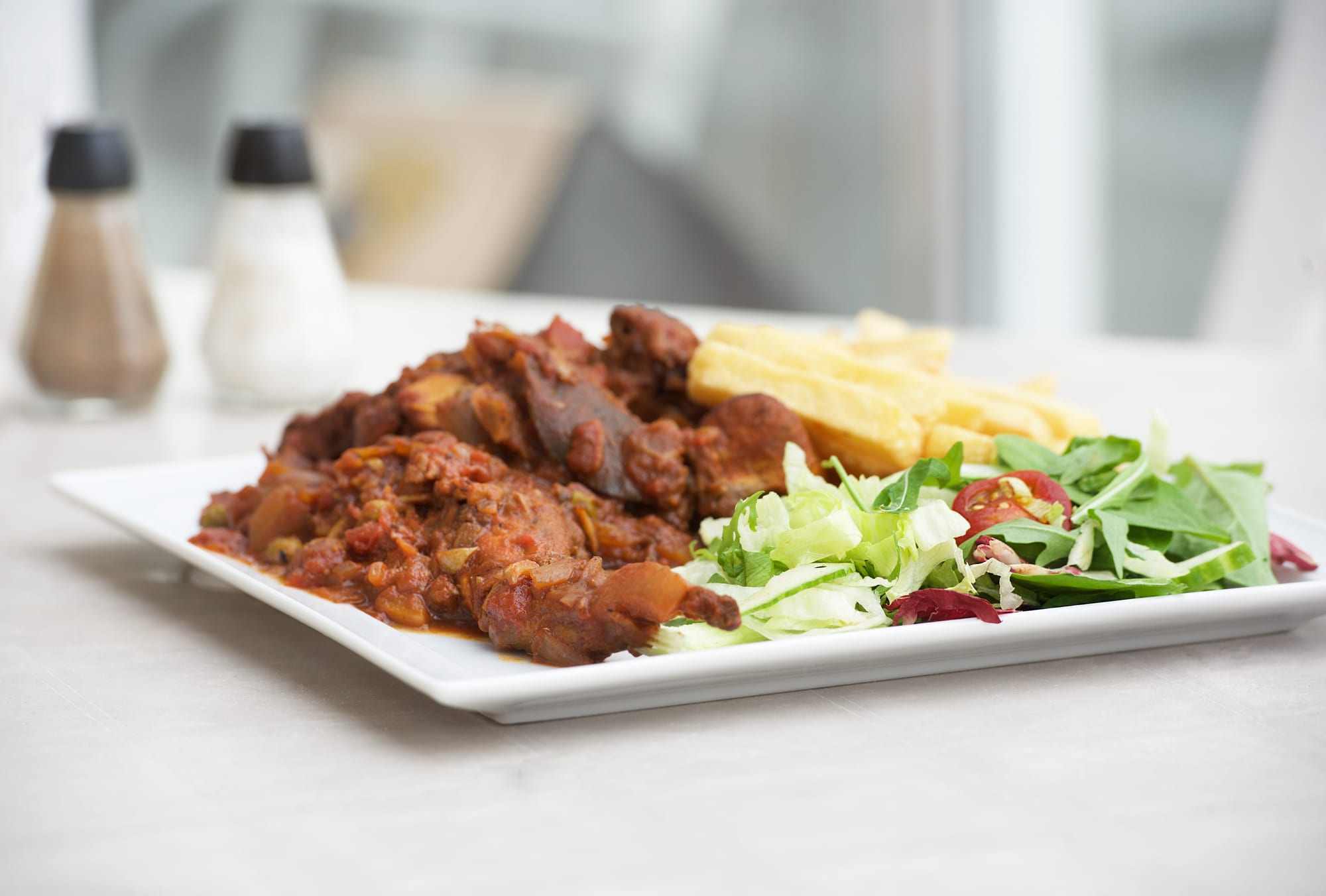
Stuffat tal-fenek, rabbit slow-cooked in a rich sauce of red wine, garlic and tomato, is often identified as Malta's national dish. It may have begun as a form of symbolic resistance to the Knights of St John, who restricted the hunting of rabbit, and it grew popular after those restrictions were lifted in the late 18th century. A fenkata, a communal meal of stewed or fried rabbit, remains a social occasion in Malta today, and the stew's sauce is sometimes served over pasta as a first course before the rabbit itself.
Bread, pastry and the Maltese pantry
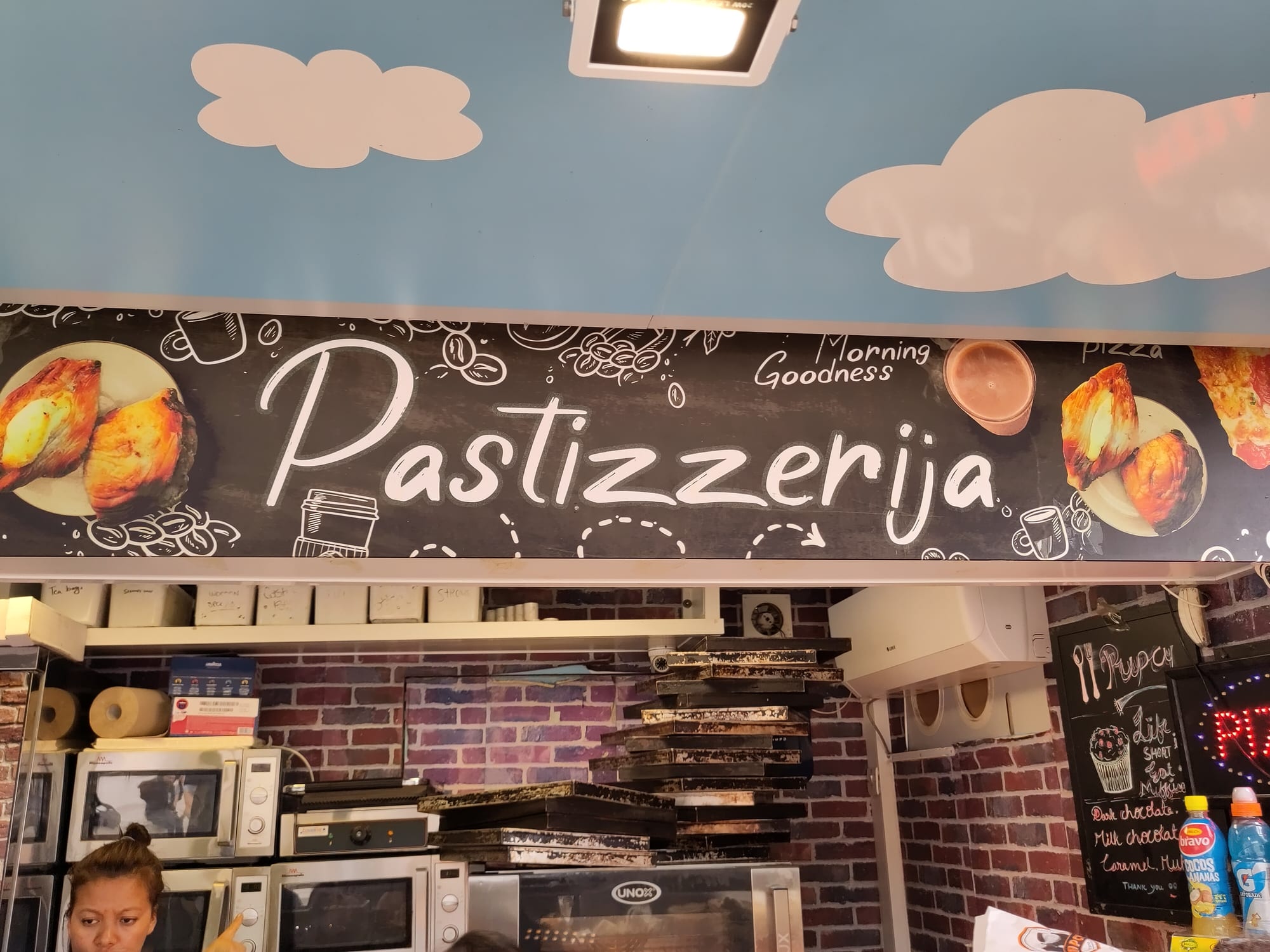
Ftira, a ring-shaped Maltese sourdough bread, and pastizzi, small flaky pastries filled with ricotta or curried peas, anchor much of Malta's everyday eating, sold from dedicated pastizzeriji found across the islands. Fresh seafood, tomatoes, capers and olive oil round out a pantry that leans heavily on Mediterranean staples shared with nearby Sicily.
History behind the dish
Malta's layered rule by successive Mediterranean powers, most notably the Knights of St John from the 16th to 18th centuries, shaped both the island's food and its restrictions. The Knights, drawn from France, Italy, Spain and elsewhere, brought influences from their homelands and restricted rabbit hunting; eating rabbit may have become a quiet act of resistance, and the dish spread once the restrictions were lifted, the native rabbit had multiplied and prices had dropped.
Dishes to know
Five more to recognise across Malta:
- Pastizzi — small flaky pastries filled with ricotta cheese or
curried peas, sold from small pastizzeriji across the islands.
- Ftira — a ring-shaped Maltese bread, often filled with tuna, tomato,
capers and olives for a simple sandwich.
- Lampuki pie — a pie made from lampuki (dolphinfish), which are
caught seasonally as they migrate past Malta.
- Bragioli — beef olives, thin slices of beef rolled around a savoury
filling and braised.
- Imqaret — deep-fried, date-filled pastries flavoured with aniseed
and bay leaf, of Arab origin and sold at markets and village feasts.
Drinks
Kinnie, a distinctly Maltese bittersweet soft drink made from bitter oranges and wormwood extracts and first sold in 1952, is sometimes called the national soft drink. Maltese wine, produced on a small scale given the island's size, and local beer round out the country's drinking traditions.
Eating as a traveller
Vegetarians will find pastizzi with pea filling, bread and vegetable dishes manageable, though rabbit and seafood are central to much traditional Maltese cooking. Tap water is generally considered safe, though many people prefer bottled water for its taste. Joining a fenkata, a communal rabbit meal, is the fullest way to experience Malta's national dish as a genuine social occasion rather than a single plate.
What to take from the table
Stuffat tal-fenek, bound up with the old hunting restrictions, is the dish that best explains Malta's food history — and a pastizz eaten straight from a paper bag on a Valletta street corner is the easiest way into everything else on the island's table.